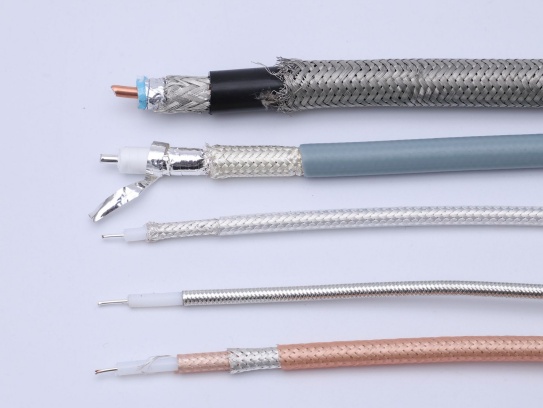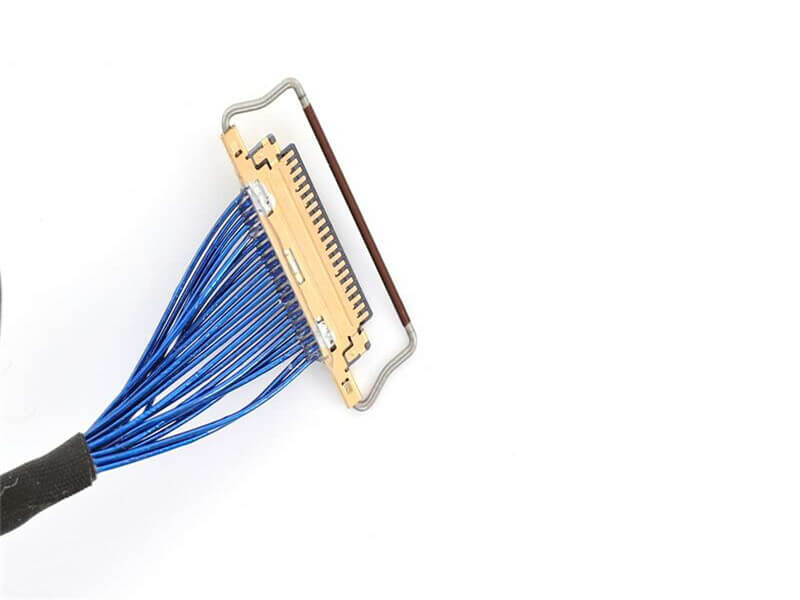

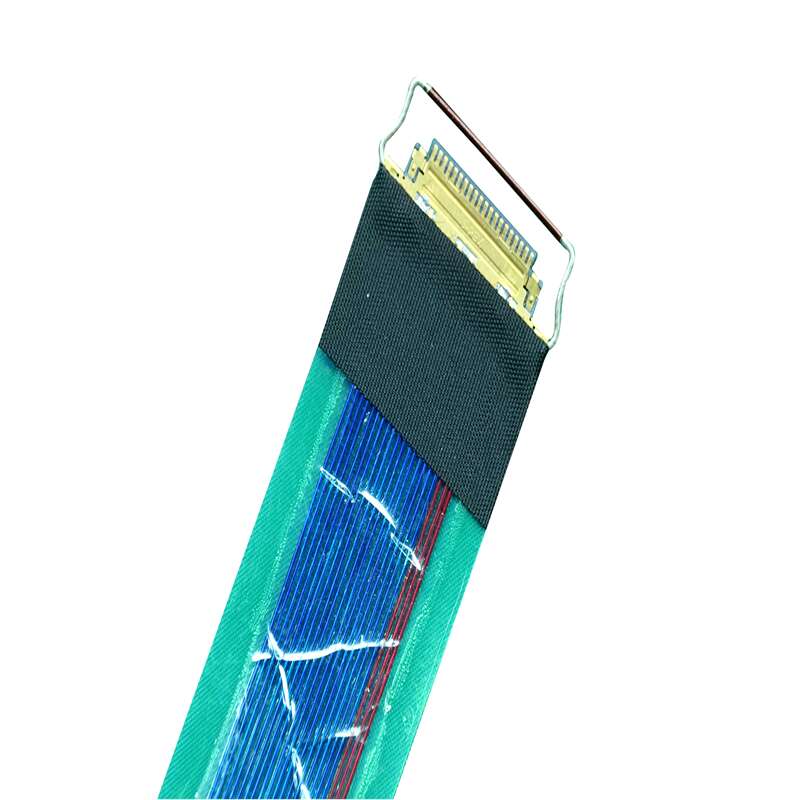
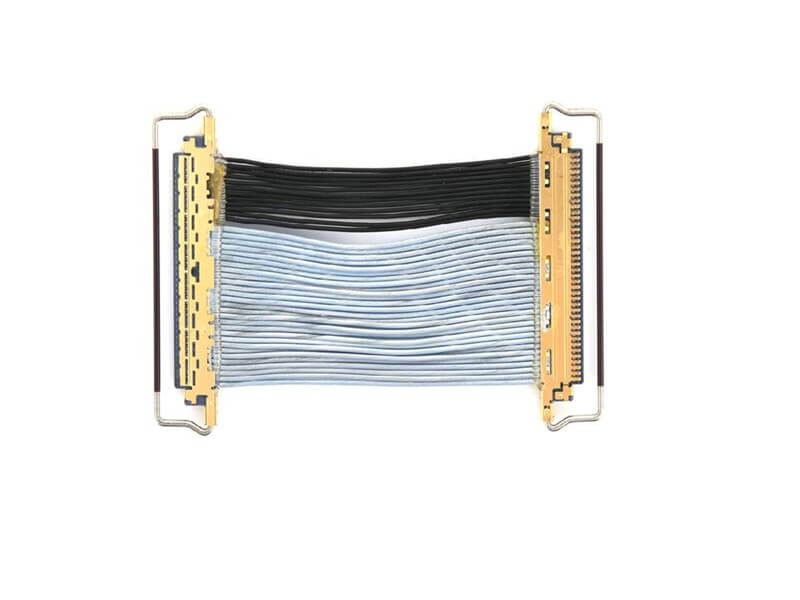
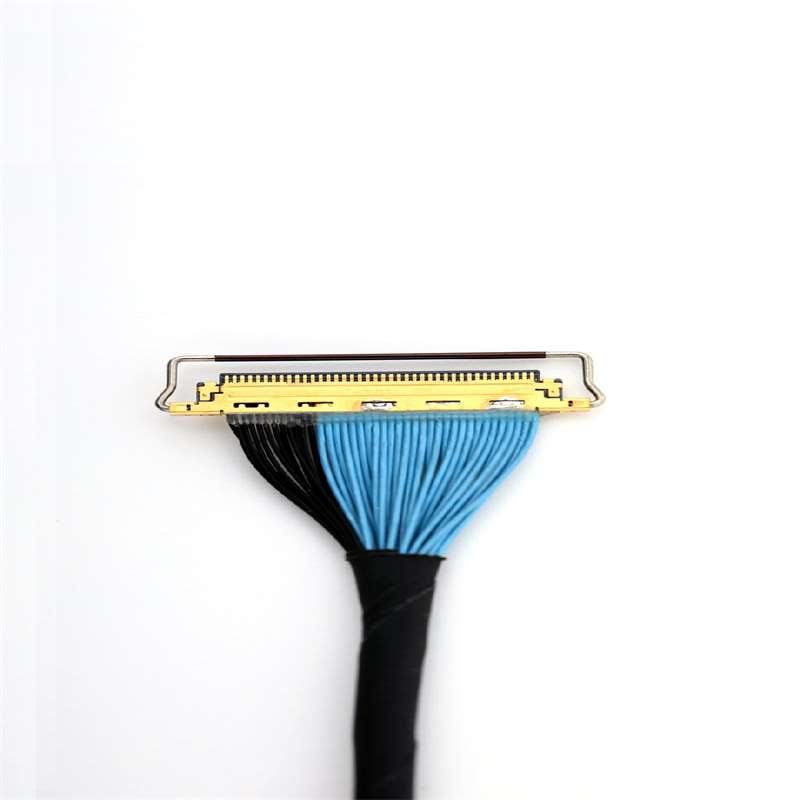
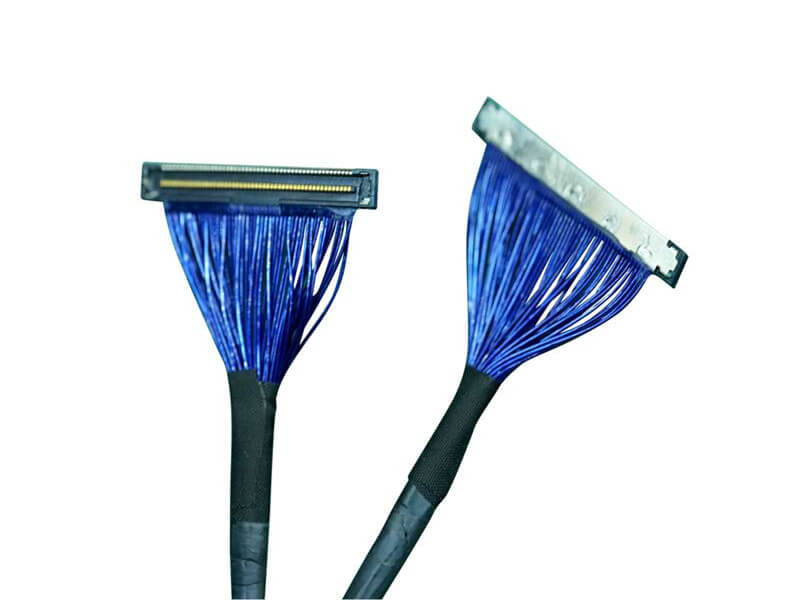
In the relentless drive for smaller, faster, and more powerful electronics, a silent hero quietly enables success: the micro coaxial cable. These miniature marvels are far more than just tiny wires; they are the critical arteries carrying the lifeblood of high-frequency signals that power the features we demand. As devices shrink while packing unprecedented functionality, micro coax cables provide the essential connectivity solution. Why Micro Coax for Modern Electronics? The Core Advantages: Shielding Supremacy: Their defining feature is the precise coaxial structure – a central condu.
Read more →In the complex and high-stakes world of military operations, navigation systems serve as the backbone of strategic decision-making, troop deployment, and mission success. From airborne surveillance platforms to naval vessels and ground-based combat units, military navigation relies on precise, real-time data transmission to ensure accuracy, reliability, and operational superiority. At the heart of these critical navigation systems lies a component that is often overlooked but indispensable: micro-coaxial cables. Designed to meet the rigorous demands of military environments, micro-coaxial cables for m.
Read more →In the fast-evolving world of medical technology, devices like implantable sensors, MRI machines, and surgical robots rely on precision-engineered components to function safely and accurately. Among these components, medical-grade micro-coaxial assemblies play a critical role in transmitting high-frequency signals while maintaining signal integrity. However, electromagnetic interference (EMI) can disrupt these signals, leading to malfunctions or even life-threatening errors. This article explores practical EMI shielding techniques for micro-coaxial assemblies used in medical devices, offer.
Read more →In the era of smart manufacturing, industrial automation systems demand components that balance miniaturization, high performance, and durability. Micro-coaxial cables (often abbreviated as micro-coax) have emerged as a critical solution, addressing the industry’s need for reliable signal transmission in compact, harsh, and dynamic environments. Unlike standard coaxial cables, their reduced diameter (typically ranging from 0.3mm to 1.5mm) and optimized shielding make them ideal for automation setups where space is limited and signal integrity is non-negotiable. Core Characteristics of Micro-Coaxial.
Read more →AbstractMicro-coaxial cables have become indispensable in modern imaging systems, particularly in smartphone cameras and augmented/virtual reality (AR/VR) devices, where high-speed data transfer, space constraints, and signal integrity are paramount. IntroductionThe miniaturization of consumer electronics and the demand for high-resolution imaging have driven the adoption of micro-coaxial cables in smartphones and AR/VR headsets. These cables provide reliable, low-loss connections for transmitting high-frequency signals between image sensors, processors, and displays. With bandwidth requirements.
Read more →In the ever – evolving landscape of modern medicine, medical robotics has emerged as a revolutionary force, transforming the way surgeries are performed. At the heart of this transformation are micro – coaxial cables, playing a pivotal yet often overlooked role in enabling precision surgery. The Rise of Medical Robotics Medical robotics refers to the integration of robotic systems into healthcare, aiming to enhance precision, control, and efficiency during medical procedures. Surgical robots, in particular, have become a game – changer in the operating room. For example, the da.
Read more →Can't find what you're looking for?
Our customer support team is ready to assist you with any questions or concerns.
Search FAQs
Related Articles
What Type of Micro Coaxial Cable Is Used in Deep-Sea ROVs?
Deep-sea remotely operated vehicles (ROVs) require specialized micro coaxial cables to ensure reliable data transmission and power deliver.
Micro-Coaxial Cables for Phased Array Radar: Powering Next-Generation Signal Transmission
In the rapidly evolving landscape of defense, aerospace, and satellite communications, phased array radar systems stand as a cornerstone o.
What is Radiation-Resistant Miniature Coaxial Cable
Imagine a cable at the heart of an MRI machine delivering crucial signals, or deep within a satellite enduring the harsh radiation of spac.
Can Coaxial Cables Be Used for IPTV Transmission
nternet Protocol Television (IPTV) has revolutionized how we consume media, delivering live TV, video-on-demand, and interactive content o.
The Role of Fluoropolymers in Micro Coaxial Cables: Why PTFE and FEP Dominate
Meta Description: Explore the chemistry behind PTFE and FEP—materials that make micro coax ideal for 40GHz applications.Article Content:.
How to Choose Micro Coaxial Cables? 5 Key Parameters That Determine Performance
Frequency Range and BandwidthMicro coax typically operates in DC to 40+ GHz ranges. Key considerations: Cutoff Frequency: Deter.