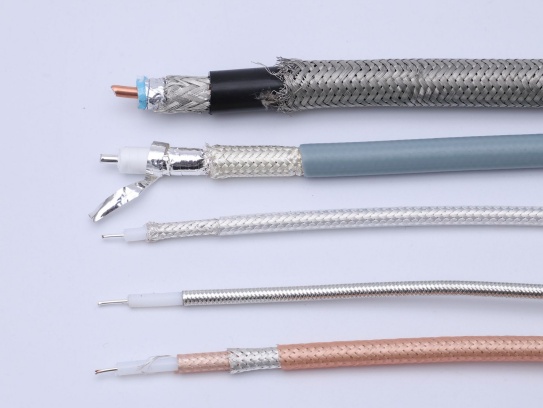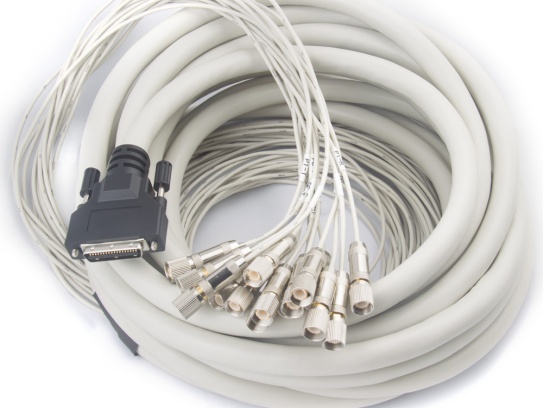

In today’s high-speed, high-frequency electronics landscape, reliable signal transmission is non-negotiable. Custom micro coaxial cablesare the critical link that ensures signal integrity, electromagnetic compatibility (EMC), and long-term reliability in the most demanding applications. At FRS Technologies, we design and manufacture custom micro coaxial cable assembliesengineered for high-speed dataand RF applications. Our solutions are trusted by leading OEMs in aerospace, medical, and mobile electronics. Ultra-Precision Engineering Our custom micro coaxial cablesare built from the grou.
Read more →Introduction In semiconductor manufacturing, testing is where billion-dollar investments either prove successful or fail. Ultra-precise micro-coaxial cables serve as the nervous system of these critical testing procedures, ensuring accurate signal transmission between test equipment and microscopic chip circuits. 3 Key Reasons for Precision Cables 1. Handling High-Frequency Signals Modern chips operate at GHz frequencies (5G/6G, AI processors). Standard cables cause: Signal distortion (>3dB loss ruins measurements) Phase inaccuracies (critical for timing-sensitive chips) Impedanc.
Read more →Coaxial cables are widely used for transmitting high-frequency signals in telecommunications, broadcasting, and networking. Their performance, particularly transmission speed (data rate), depends on factors like cable design, shielding, impedance, and frequency range Understanding Transmission Speed in Coaxial CablesTransmission speed refers to the data rate (measured in Mbps or Gbps) a cable can support, which is closely tied to its frequency range (bandwidth). Higher frequencies allow faster data transmission but are more susceptible to signal attenuation (loss). Key factors influencing s.
Read more →In the realm of military operations, seamless and secure communication is not just a convenience but a critical determinant of mission success and the safety of personnel. Amidst the array of technologies that enable this, coaxial cables stand as unsung heroes, playing a pivotal role in ensuring reliable data and signal transmission in the most demanding and hostile environments. Our coaxial cables, specifically designed for military communication, are engineered to meet the stringent requirements of this high-stakes domain. Military communication environments are characterized by extreme condition.
Read more →In an era where precision and reliability are paramount, the packaging of coaxial cables has undergone a transformative overhaul to address the challenges of modern logistics, environmental sustainability, and end-user performance. This evolution is not merely cosmetic but a strategic response to industry demands for enhanced protection, cost efficiency, and adaptability. Let’s delve into the key innovations reshaping coaxial cable packaging and how they ensure these critical components arrive in pristine condition, ready to power industries from telecommunications to aerospace. The Limitations of .
Read more →In response to the growing global demand for sustainable waste management and the urgent need to reduce electronic waste (e-waste), our factory is proud to announce the official launch of our Coaxial Cable Recycling Program. This initiative aims to address the environmental challenges posed by discarded coaxial cables while promoting resource conservation and circular economy practices. Coaxial cables, widely used in telecommunications, broadcasting, and home entertainment systems, contain valuable materials such as copper, aluminum, and plastic. However, when improperly disposed of, they contribut.
Read more →Can't find what you're looking for?
Our customer support team is ready to assist you with any questions or concerns.
Search FAQs
Related Articles
Weatherproofing Supplies for Outdoor Cable Connections
Outdoor cable connections face constant threats from rain, snow, humidity, UV rays, and debris. Without proper protection, these elements .
What is the difference between single-shield and double-shield Coaxial Cable Assemblies
Coaxial cable assemblies are critical components in signal transmission systems, used widely in industries like telecommunications, aerosp.
Why 5G Small Cells Require Specialized Micro-Coaxial Solutions
5G technology promises incredible speed, massive capacity, and ultra-low latency. To deliver on this promise, especially for mid-band and .
How to Order Custom-Length Coaxial Cable Assemblies?
In industries ranging from telecommunications and aerospace to medical devices and industrial automation, standard-length coaxial cable as.
What Is Signal Integrity Micro Coaxial Cable and Why It Matters for Data Center High-Speed Links
As data centers push toward 400G/800G and even 1.6T interconnects, traditional PCB traces and bulky coax are no longer sufficient. Signal .
What are the best practices for handling Coaxial Cable Assemblies
Coaxial cable assemblies are critical components in industries ranging from telecommunications and aerospace to medical equipment and indu.