
Micro Coaxial Cable factory-(FRS)

8K video transmission - Micro Coaxial Cable factory-(FRS)

Micro Coaxial Cable factory-(FRS)

Micro coaxial cable Tag: 8K video transmission

How 8K Video Transmission Relies on Advanced Micro-Coaxial Tech

Imagine trying to pour an entire swimming pool through a garden hose. That’s the challenge of transmitting stunning 8K video – a flood of visual data demanding unprecedented speed and precision. The secret weapon making this possible? ​Advanced micro-coaxial technology.

Why 8K Video is a Data Tsunami

  • Massive Resolution: 8K (7680 x 4320 pixels) packs ​four times the pixels of 4K and ​sixteen times more than Full HD. This means vastly sharper, more detailed images.
  • High Frame Rates (HFR): Smooth motion requires higher frame rates (60fps, 120fps), drastically increasing the data generated every second.
  • Rich Color & Contrast: Technologies like HDR (High Dynamic Range) and Wide Color Gamut (WCG) add significantly more color information per pixel.
  • The Bandwidth Crunch: All this combines into a colossal ​data rate requirement. Uncompressed 8K/60fps HDR video can demand ​over 48 Gbps (Gigabits per second). Even compressed streams for transmission need robust, high-bandwidth pathways.

Traditional Cables Hit Their Limit

Standard copper cables (like older HDMI versions or basic coaxial) simply can’t handle this deluge:

  • Signal Degradation: High-frequency signals suffer severe loss over distance, leading to pixelation, sparkles, or complete signal dropouts.
  • Bandwidth Ceiling: Their physical design limits the maximum data rate they can carry reliably, falling far short of 8K needs.
  • Electromagnetic Interference (EMI): Susceptibility to interference from other devices causes artifacts and instability.
Micro-Coaxial

Enter Advanced Micro-Coaxial Technology

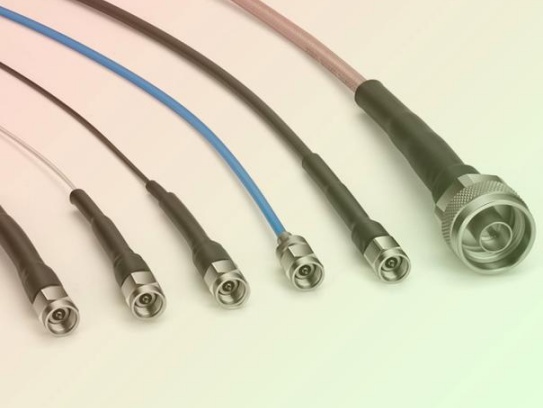
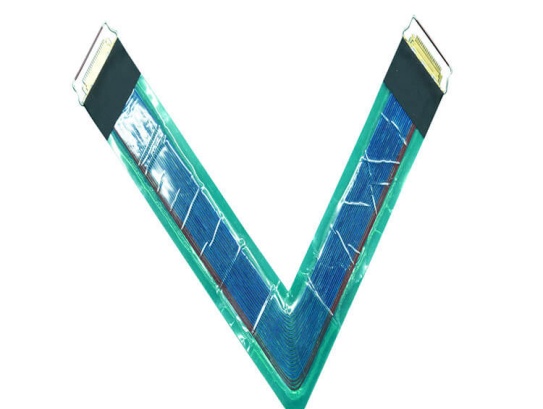
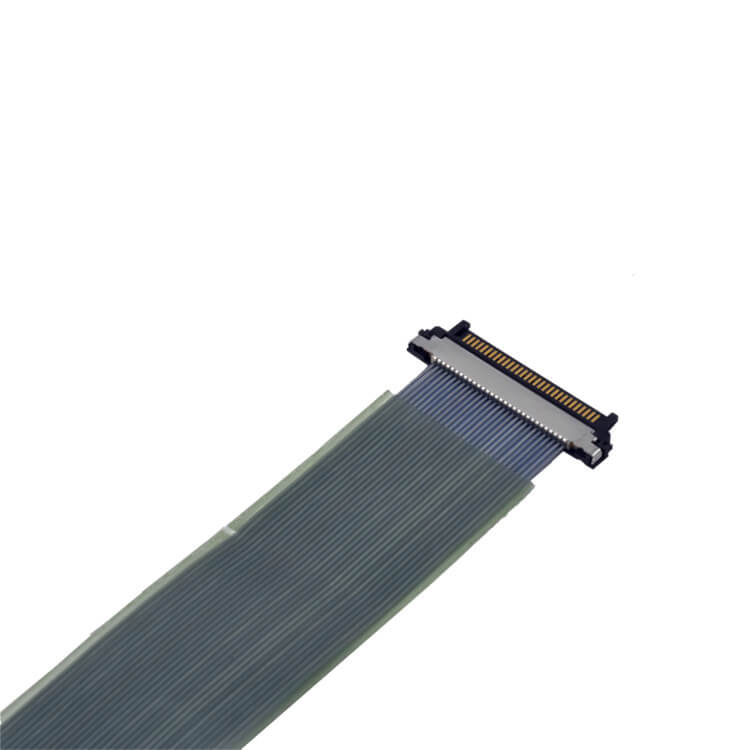
This is where tiny, sophisticated micro-coaxial cables become the unsung heroes of the 8K revolution. Think of them as ultra-miniaturized, high-performance versions of traditional coaxial cable:

  • Microscopic Precision: Extremely thin central conductors (often silver-plated copper) surrounded by precise dielectric insulation and multiple shielding layers (foil + braid), all within a cable diameter often less than 5mm.
  • Engineered for Speed: Optimized materials and construction minimize signal loss (attenuation) and maintain signal integrity even at the ultra-high frequencies needed for multi-gigabit data rates.
  • Superior Shielding: Multi-layer shielding (e.g., aluminum foil + high-density braid) provides exceptional protection against external EMI and prevents the cable itself from radiating interference.
  • Flexibility & Durability: Despite their complexity, advanced designs ensure the cables remain flexible for easy installation in walls, ceilings, or behind equipment racks, while robust jackets protect against physical damage.

How Micro-Coaxial Enables Flawless 8K Transmission

  1. Massive Bandwidth Delivery: These cables are specifically engineered to support the ​48 Gbps+ bandwidth required by HDMI 2.1 for full-featured 8K/60Hz HDR video. They handle the signal’s incredibly high frequencies (up to 12 GHz or beyond) with minimal degradation.
  2. Long-Distance Reliability: Advanced construction significantly reduces signal loss compared to standard cables. This allows reliable transmission of pristine 8K signals over ​much longer distances (tens of meters), crucial for professional installations and home theaters.
  3. Noise Immunity: The superior shielding acts like a Faraday cage, blocking external interference from Wi-Fi routers, power cables, or Bluetooth devices, and preventing the high-speed signal itself from causing interference. This ensures a clean, artifact-free picture.
  4. Signal Integrity Preservation: Precise impedance control and low skew (timing differences between signals in a pair) ensure that the complex digital data packets representing the 8K image arrive intact and synchronized at the display. This prevents glitches, sparkles, or dropouts.
  5. Enabling Next-Gen Interfaces: Micro-coaxial is the physical backbone within the cables implementing the latest standards like ​HDMI 2.1, ​DisplayPort 2.0/UHBR, and ​SDI 12G-SDI/24G-SDI, which are essential for professional 8K workflows.

Where You’ll Find This Tech in Action

  • Premium HDMI 2.1 Cables: Certified Ultra High Speed HDMI cables rely heavily on advanced micro-coaxial construction to guarantee 48Gbps performance for 8K home theaters and gaming.
  • Professional Broadcast & Production: High-end SDI cables (12G-SDI, 24G-SDI) for 8K cameras, switchers, monitors, and routers in studios and OB vans.
  • Medical Imaging: Transmitting ultra-high-resolution surgical video feeds and diagnostic images.
  • Digital Signage: Distributing 8K content across large venues or video walls.
  • Future-Proof Installations: In-wall cabling designed to handle tomorrow’s even higher bandwidth demands.

Choosing the Right Cable for 8K: What You Need to Know

  • Look for Certification: For HDMI, insist on ​**”Ultra High Speed HDMI”** certification and the official QR label. For SDI, ensure it meets ​12G-SDI or ​24G-SDI specifications.
  • Check Specifications: Verify the cable explicitly supports ​48 Gbps (HDMI 2.1) or the relevant SDI speed for your 8K equipment.
  • Consider Length: Be aware that even high-quality micro-coax has limits. For very long runs (e.g., over 10-15 meters for HDMI), active cables or fiber optic solutions might be necessary.
  • Quality Matters: Don’t cheap out. Invest in well-constructed cables from reputable manufacturers to ensure reliable 8K performance and longevity.

FAQ: 8K Transmission & Micro-Coaxial Tech

  • Q: Can I use my old HDMI cable for 8K?
    • A: Almost certainly not. Older High Speed HDMI cables (18Gbps) lack the bandwidth for full 8K/60Hz HDR. You need a certified Ultra High Speed HDMI cable (48Gbps).
  • Q: How long can a micro-coaxial HDMI cable reliably carry 8K?
    • A: Passive certified Ultra High Speed HDMI cables using advanced micro-coax can typically handle 8K reliably up to about 3-5 meters easily, and often 10-15 meters with high-quality construction. Beyond that, active cables or fiber are recommended.
  • Q: Is micro-coaxial technology expensive?
    • A: Cables using this tech are generally more expensive than basic cables due to the sophisticated materials and manufacturing. However, they are essential for reliable 8K and represent a necessary investment for the best experience.
  • Q: Does micro-coaxial only apply to HDMI?
    • A: No! It’s fundamental to high-bandwidth SDI cables used in professional video and increasingly within high-performance USB and networking cables pushing multi-gigabit speeds.

The Future is Clear (in 8K!)

Advanced micro-coaxial technology is the critical, often invisible, foundation enabling the breathtaking visual experience of 8K video. By overcoming the immense challenges of bandwidth, distance, and interference, these meticulously engineered cables ensure that the staggering detail and beauty of 8K content flows flawlessly from the source to your screen. When investing in your 8K setup, prioritizing cables built with this advanced technology isn’t just an option – it’s the key to unlocking the full, uncompromised potential of ultra-high-definition.

Ready to experience true 8K? Ensure your setup is powered by certified, high-bandwidth micro-coaxial cables!

Introduction Micro-coaxial cables have become the backbone of modern high-frequency signal transmission, from medical devices to 5G networks. Since 2000, shielding techniques have undergone revolutionary changes to meet escalating demands for miniaturization and signal integrity. This article traces key milestones in shielding technology development. Key Developments 1. Early 2000s: Foil-and-Braid Hybrid Shields Combined aluminum foil (for full coverage) with copper braid (for flexibility) Reduced signal loss by 15-20% compared to 1990s designs Still used in cost-sensitive applicati.

Read more →

In high-speed, high-density electronic systems, micro coaxial cableis often the critical link that determines whether your product performs reliably in the field or fails during EMI/EMC testing. At FRS, we design and manufacture high-performance micro coaxial cable assembliesthat combine compact size, excellent signal integrity, and robust EMI shielding. This guide explains what makes micro coax the right interconnect for your most demanding applications and how to choose and design with it successfully. 🎯 What Is a Micro Coaxial Cable? A micro coaxial cableis a miniaturized version of a .

Read more →

Coaxial cables are the backbone of many communication systems, from home internet setups to industrial networking and broadcasting. Ensuring their signal integrity is crucial for maintaining reliable data transmission, minimizing interference, and avoiding costly downtime. But how do you effectively test a coaxial cable to confirm it’s performing at its best? In this guide, we’ll walk through the key steps, tools, and techniques to test coaxial cable signal integrity, helping you diagnose issues and keep your systems running smoothly. Why Signal Integrity Matters for Coaxial Cables Before diving.

Read more →

The realm beneath the ocean’s surface holds immense potential, from deep-sea resource exploration and environmental monitoring to underwater infrastructure inspection and defense applications. Submersible drones (or ROVs – Remotely Operated Vehicles/AUVs – Autonomous Underwater Vehicles) are the essential eyes, ears, and hands for these demanding tasks. However, their effectiveness hinges critically on a component often overlooked: the ​micro-coaxial cables connecting sensitive sensors, cameras, lights, and communication systems within the drone itself. The crushing pressure of .

Read more →

The insatiable demand for bandwidth – driven by 4K/8K streaming, cloud gaming, smart homes, and the proliferation of connected devices – pushes network operators to constantly innovate. While pure Fiber-to-the-Home (FTTH) often grabs headlines, a powerful and pragmatic alternative is gaining significant traction: ​Hybrid Fiber/Micro-Coaxial (HFC Evolution) solutions. This blend leverages the best of optical fiber and advanced coaxial cable technology, often termed ​Fiber Deep Architectures, delivering next-generation broadband speeds and capabilities faster and more cost-effectively than a full fiber .

Read more →

(Note: Replaced a placeholder with a hypothetical automaker name for concreteness and potential search relevance. Could easily substitute Ford, GM, VW, etc.) Headline: Breaking: Toyota Patents Revolutionary Micro-Coaxial Wiring System – Speed Boost & Weight Loss Inside Your Car! Image Idea: Abstract close-up of very thin, intricately woven cables, perhaps glowing slightly to represent data flow. (Target Keywords: micro-coaxial wiring, vehicle wiring patent, automotive electrical harness, faster car data transfer, car wiring weight reduction, Toyota patent, next-gen ve.

Read more →

Can't find what you're looking for?

Our customer support team is ready to assist you with any questions or concerns.

Search FAQs

Popular Tags

More Products

Our factory offers high-quality products at competitive prices

Precision Instrument Micro-Coax

Precision Instrument Micro-Coax

H1: Precision Instrument Micro-Coax – Engineered for Critical Signal Integrity Meta Description: Discover Precision Instrument Micro-Coax: Miniature coaxial cable solution optimized for high-frequency signal transmissio.

High-Temperature Resistant Micro-Coaxial Cable

High-Temperature Resistant Micro-Coaxial Cable

IntroductionThe ​High-Temperature Resistant Micro-Coaxial Cable is a cutting-edge connectivity solution engineered to deliver exceptional performance in extreme thermal environments. Combining precision engineering with advanced mate.

Contact Us Micro Coaxial Cable factory-(FRS).


Feel free to reach out to us for any inquiries or orders

Call Us

Have a question? Give us a call!

+8618818785005

Email Us

Send us an email and we'll get back to you soon.

sales@custom-cable-assemblies.com
       
Home Products Contact