Micro Coaxial Cable factory-(FRS)

ADAS Cameras micro coaxial cable - Micro Coaxial Cable factory-(FRS)

Micro Coaxial Cable-Micro Coaxial Cable factory-(FRS)-FRS

Micro coaxial cable Tag: ADAS Cameras micro coaxial cable

ADAS Cameras: How Micro-Coaxial Cable Bandwidth Makes Your Car “See” Clearly

Your car’s “eyes” – the ADAS cameras – are only as good as the signals they send to the brain (the control unit). Imagine your smart cruise control not seeing a stopped car ahead because the camera feed was blurry or delayed. Scary, right? One hidden hero preventing this is the ​micro-coaxial cable carrying that video signal, and its ​bandwidth is absolutely critical for safety. Let’s optimize it.

Why Bandwidth is Mission-Critical for ADAS Cams

  • Massive Data: High-resolution cameras (think 720p, 1080p, or higher!) generate huge amounts of data per second. Bandwidth is the pipe size – too small, and data gets choked.
  • Zero Tolerance for Lag: ADAS decisions (emergency braking, lane keeping) happen in milliseconds. Delayed or distorted images = delayed reactions.
  • Future-Proofing: Higher resolutions, faster frame rates (like 60fps for smoother motion), and features like High Dynamic Range (HDR) always demand more bandwidth.

What Is Bandwidth, Really? (Simplified!)

Think of bandwidth as the information highway capacity of your micro-coaxial cable. Measured in GHz (gigahertz), it dictates the maximum signal frequency the cable can transmit reliably without significant degradation.

  • Low Bandwidth Cable: Like a narrow lane; high-frequency signal data gets weakened or lost (“attenuation”), leading to a noisy, pixelated, or unusable picture.
  • High Bandwidth Cable: Like a multi-lane highway; preserves signal integrity, delivering a clean, sharp, accurate picture to the car’s brain.

Symptoms of Insufficient Bandwidth (The Car’s “Blurry Vision”)

  • Fuzzy or Pixelated Images: Fine details are lost; important objects become indistinct blobs.
  • ​**”Ghosting” or “Smearing”:** Fast-moving objects leave trails across the image.
  • ​**”Snow” or Sparkling:** Random noise dots appear over the image.
  • Complete Signal Loss: The screen goes black periodically or consistently.
  • Increased Error Rates: The camera system logs data errors or might trigger fault codes.

Optimizing Micro-Coaxial Bandwidth for Your ADAS System: Key Factors

  1. Camera Resolution & Frame Rate: This is the primary driver. Match the cable bandwidth to your camera’s output data rate (or exceed it for margin).
    • Example: A 720p/30fps camera needs less bandwidth than a 1080p/60fps camera with HDR enabled.
  2. Required Transmission Distance: Longer cable runs inherently cause more signal loss. Higher bandwidth cable tolerates longer distances better. Don’t stretch the cable beyond its rated reach for your needed bandwidth!
  3. Cable Core Material & Quality:
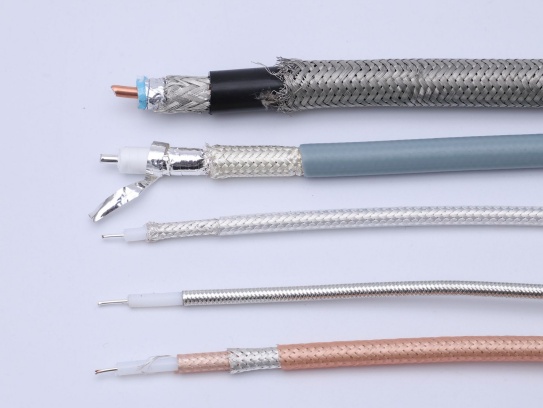
    • Center Conductor: Pure copper offers lower resistance than copper-clad steel (CCS), improving signal integrity, especially at high frequencies and long distances.
    • Dielectric (Insulation): High-quality foamed materials minimize signal loss compared to cheaper solid dielectrics.
    • Shielding: Robust shielding (e.g., multi-layer foil + braid) is crucial to block electromagnetic interference (EMI) that can distort video signals.
  4. Precise Connectors & Termination: Even the best cable needs perfect connectors soldered/crimped with precision. Poor termination introduces reflections and loss. Use OEM-recommended connectors and techniques.
  5. Impedance Control: Maintaining a consistent 50 Ohm or 100 Ohm impedance throughout the entire link (cable, connectors) minimizes signal reflections. Mismatched impedance degrades signal quality.
  6. Bend Radius & Installation: Tight bends kink the cable, damaging its internal structure and increasing signal loss (attenuation). Follow the manufacturer’s minimum bend radius guidelines meticulously during routing. Avoid crushing pinched under trim panels.
Micro-Coaxial Cable

Choosing the Right Micro-Coaxial Cable

  • Consult OEM Specifications: Always refer to the vehicle manufacturer or ADAS camera system integrator specifications. They define the minimum required bandwidth for each camera link.
  • Don’t Just Price Shop: Cheap, unknown-brand cable often uses inferior materials and may not meet the stated specs.
  • Prioritize Proven Suppliers: Stick to reputable automotive cable manufacturers known for high reliability and adherence to standards.
  • Ask for Data: Request cable specification sheets. Look for:
    • Bandwidth Rating (GHz): Must meet/exceed system requirements.
    • Attenuation (dB/m @ specific frequencies): Lower is better, especially at the frequencies your camera uses.
    • Impedance (Ohms): Consistent performance (usually 50 Ohms for automotive coax).
    • Shielding Effectiveness: High shielding attenuation against EMI.
    • Center Conductor Material: Pure copper is preferred for critical high-speed links.

The Bottom Line: Safety Depends on Signal Integrity

Optimizing micro-coaxial cable bandwidth isn’t an engineering detail; it’s a fundamental requirement for ADAS safety and performance. By understanding the demands of your camera system, selecting cable with ample bandwidth headroom, ensuring quality materials and construction, and installing it flawlessly, you guarantee that your car’s “eyes” deliver a crystal-clear, real-time view of the world. This lets the ADAS system make the split-second decisions that protect you and everyone on the road.

Choose wisely. Install meticulously. Drive safely.

In the rapid development of 5G technology, the construction of communication infrastructure is crucial. Among various components, coaxial cable stands out and plays a key role in 5G construction. 5G technology requires higher data transmission rates, larger capacity, and lower latency. Coaxial cable, with its unique structure, meets these demands effectively. Its inner conductor, dielectric insulator, outer conductor, and outer sheath work together to minimize signal loss. This ensures that 5G signals can be transmitted over long distances with high quality, which is essential for covering large ar.

Read more →

The evolution from traditional power grids to intelligent ​Smart Grid Systems​ demands a robust, reliable, and high-performance communication infrastructure. At the heart of this critical communication layer lies a proven and essential technology: ​Coaxial Cable. While often associated with video transmission, coaxial cable’s unique properties make it an indispensable component for enabling numerous ​Smart Grid​ functionalities where high-frequency data signals and resilience are paramount. ​The Smart Grid Communication Imperative​ ​Smart Grid Systems​ integrate digital communication techn.

Read more →

Imagine downloading a full HD movie in a blink, or medical scanners delivering crystal-clear images instantly during life-saving procedures. The relentless surge of data in our world – from streaming services and cloud computing to artificial intelligence and high-speed scientific research – is pushing our existing communication cables to their absolute limits. Traditional copper wiring is running out of steam, creating bottlenecks that slow us down. But what if there was a breakthrough that could shatter these barriers? Revolutionary new ​graphene-coated micro-coaxial cables are doing exactly th.

Read more →

Telecommunications and 5G Networks‌Micro coaxial cables play a pivotal role in high-frequency communication systems: ‌5G mmWave Infrastructure‌:Used in base stations, small cells, and antennas for transmitting 24–100 GHz mmWave signals.‌Example‌: Huber+Suhner SFSX-501 cables ensure low loss and phase stability in 5G beamforming arrays.‌Fiber-to-Antenna (FTA) Systems‌:Connect fiber optic backbones to radio units while maintaining RF signal integrity.‌Satellite Communications‌:Deployed in LEO (low-Earth orbit) satellites for high-speed data links (e.g., SpaceX Starlink phased arrays).‌Key Advantage.

Read more →

In the world of broadcasting, nothing frustrates listeners or viewers more than a distorted signal. Interference can ruin the entire experience, whether it’s static on a radio, pixelation on a TV, or dropped audio in a live stream. Achieving interference-free broadcasting is key to keeping your audience engaged and trusting your content. This guide breaks down what causes interference and offers simple, practical solutions to ensure clear signals. What Is Broadcast Interference? Broadcast interference happens when external signals or obstacles disrupt the transmission of your broadcast signal. T.

Read more →

In the realm of microwave radio communication, where signal integrity, compactness, and reliability are paramount, micro-coaxial cables have emerged as a critical component. Microwave radio systems operate at high frequencies ranging from 1 GHz to 100 GHz, transmitting data, voice, and video signals over long distances with minimal loss. Unlike standard coaxial cables, micro-coaxial cables are designed with ultra-small diameters (typically ranging from 0.8 mm to 3 mm), making them ideal for applications where space is constrained, such as in dense radio frequency (RF) modules, antenna arrays, and port.

Read more →

Can't find what you're looking for?

Our customer support team is ready to assist you with any questions or concerns.

Search FAQs

Popular Tags

More Products

Our factory offers high-quality products at competitive prices

Micro Coaxial Cable

Micro Coaxial Cable

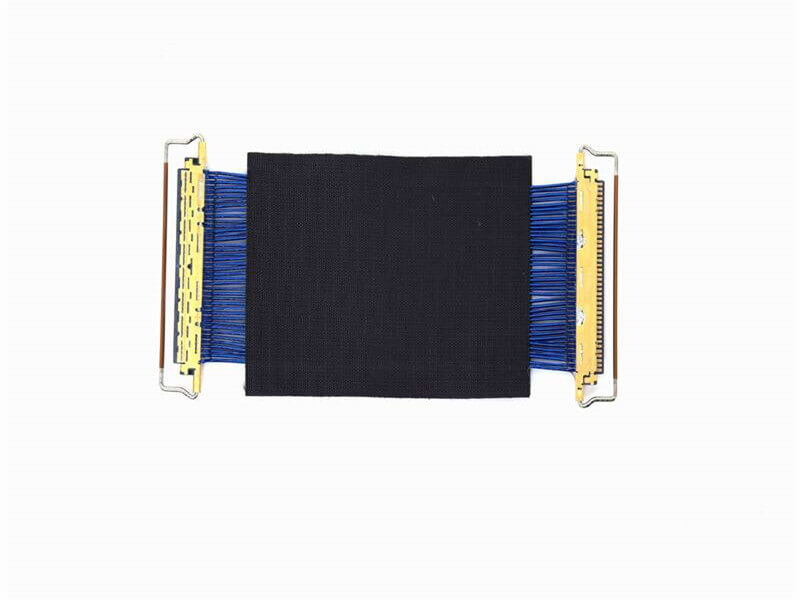
Micro Coaxial Cable: High-Quality Solutions for Precision Applications Micro coaxial cables are essential components in high-performance electronic applications, providing reliable signal transmission in compact and flexible designs. A.

RF Micro Coaxial Cable

RF Micro Coaxial Cable

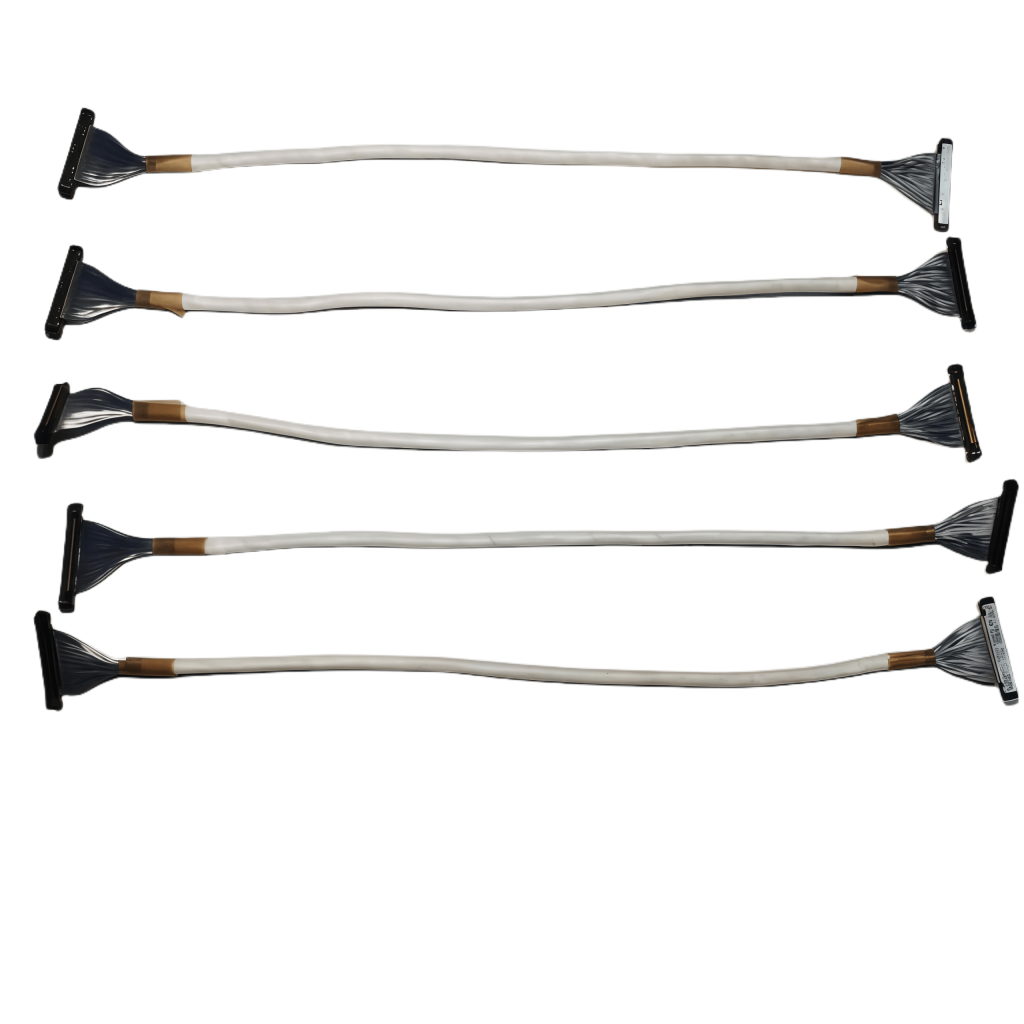
Meta Description: Discover premium ​RF micro coaxial cables engineered for high-frequency signal transmission in compact devices. Explore specs, applications, and benefits for telecom, medical, and aerospace industries. ​.

Contact Us Micro Coaxial Cable factory-(FRS).


Feel free to reach out to us for any inquiries or orders

Call Us

Have a question? Give us a call!

+861881875005

Email Us

Send us an email and we'll get back to you soon.

sales@custom-cable-assemblies.com
       
Home Products Contact