
Micro Coaxial Cable factory-(FRS)

Advanced Micro-Coaxial Cables - Micro Coaxial Cable factory-(FRS)

Micro Coaxial Cable-Micro Coaxial Cable factory-(FRS)-FRS

Micro coaxial cable Tag: Advanced Micro-Coaxial Cables

Why 6G Development Depends on Advanced Micro-Coaxial Cables

In the ever-evolving landscape of mobile technology, the development of 6G is on the horizon. With the promise of significantly faster speeds, ultra-low latency, and enhanced connectivity, 6G aims to revolutionize the way we interact with the digital world. But what many may not realize is that the success of 6G hinges on a seemingly unassuming yet crucial component: advanced micro-coaxial cables.

The 6G Vision and Its Demands

The vision for 6G is ambitious. It aims to achieve peak data rates of up to 1 Tbps, latency as low as 0.1 milliseconds, and support for a massive number of connected devices, far exceeding the capabilities of 5G. 6G is expected to enable new applications such as holographic communication, autonomous vehicles operating in complex environments, and real-time remote surgery with high precision.

To meet these lofty goals, 6G requires a robust and reliable communication infrastructure. This infrastructure must be able to handle the high-frequency signals and large amounts of data that will be transmitted. This is where advanced micro-coaxial cables come into play.

Understanding Micro-Coaxial Cables

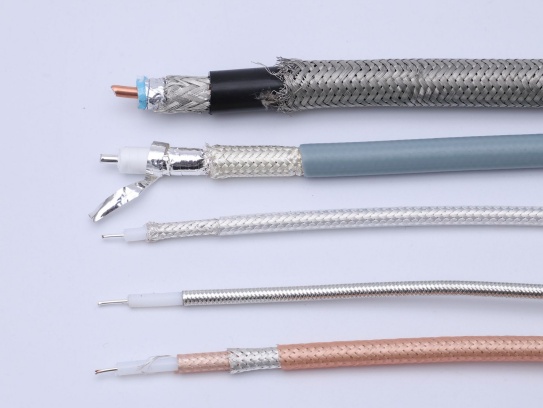
Micro-coaxial cables are a type of coaxial cable with a smaller outer diameter, typically 1 mm or less. They have a standard multilayered structure, consisting of a center conductor, an insulator/dielectric layer, an outer conductor, and a jacket. The outer conductor provides electromagnetic shielding, protecting the electrical signals transmitted through the center conductor from external electromagnetic waves or noise.

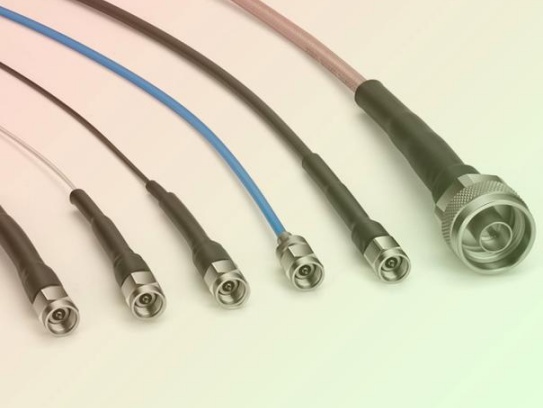
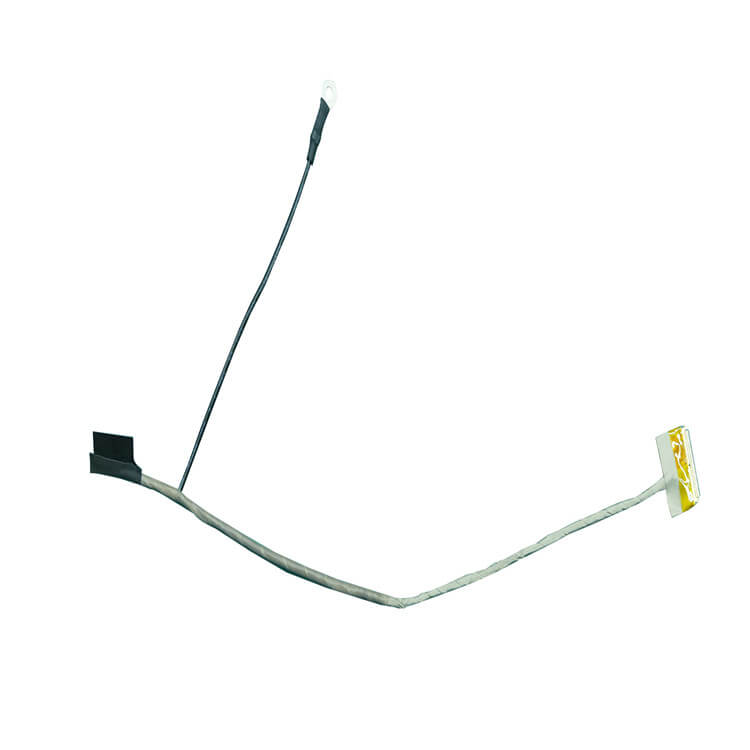
These cables are known for their flexibility and ability to take up less space, making them ideal for use in compact devices and complex circuit boards. They are widely used for signal transmission between module boards inside devices such as PCs, tablets, smartphones, and precision instruments in medical, industrial, automotive, and aviation sectors.

 Micro-Coaxial Cables

The Advantages of Advanced Micro-Coaxial Cables for 6G

1. Superior Signal Transmission

Advanced micro-coaxial cables are designed to offer excellent signal transmission characteristics. They can handle high-frequency signals with minimal loss, which is crucial for 6G as it will operate at higher frequencies than previous generations of mobile networks. The cables’ stable impedance and low return loss ensure that signals are transmitted efficiently, reducing the risk of signal reflections that can degrade performance.

Compared to other types of cables or flexible printed circuits (FPC/FFC), micro-coaxial cables can maintain a larger cross-sectional area of the center conductor when matching a specific impedance. This helps to minimize insertion loss, allowing signals to travel longer distances without significant degradation. For example, in a 6G network where data needs to be transmitted over long distances between base stations and user devices, the low insertion loss of micro-coaxial cables can ensure that the signal strength remains high, resulting in faster and more reliable data transfer.

2. Enhanced Shielding Performance

In a 6G environment, where there will be a plethora of devices communicating simultaneously and a high density of electromagnetic signals in the air, shielding against interference is of utmost importance. The outer conductor of micro-coaxial cables acts as an effective electromagnetic shield. It prevents the electrical signals on the center conductor from being affected by external electromagnetic noise, which could otherwise distort or disrupt the data being transmitted.

Moreover, the shielding effect also helps to reduce crosstalk between signals. Crosstalk occurs when signals from one cable or conductor interfere with those in another. In a 6G network with multiple antennas and communication channels operating in close proximity, minimizing crosstalk is essential to ensure the integrity of each signal. The advanced shielding features of micro-coaxial cables help to isolate signals, enabling clean and interference-free communication.

3. Flexibility and Durability

The flexibility of micro-coaxial cables is another advantage that makes them suitable for 6G applications. As 6G devices and infrastructure become more compact and integrated, the need for cables that can bend and fit into tight spaces increases. Micro-coaxial cables can be easily routed around small parts in devices, such as in the rotating shafts of laptops or the camera modules of drones.

Despite their small size and flexibility, these cables are also durable. They can withstand repeated bending and twisting without significant degradation of their electrical properties. This is important for 6G devices that may be subject to movement or vibration during normal use. For example, in a 6G-enabled autonomous vehicle, the micro-coaxial cables used for connecting various sensors and communication modules need to be able to endure the vibrations and movements of the vehicle while maintaining reliable signal transmission.

4. Compatibility with Miniaturization Trends

6G technology is expected to drive further miniaturization of devices. As more functionality is packed into smaller form factors, the components used in these devices need to be equally compact. Advanced micro-coaxial cables, with their small outer diameter, are well-suited to this trend. They can be integrated into the tiny spaces within 6G devices, such as in wearable devices or miniature sensors, without taking up excessive space.

This compatibility with miniaturization also extends to the manufacturing process. The small size of micro-coaxial cables allows for more efficient use of space on printed circuit boards, enabling manufacturers to design more complex and integrated circuits. This, in turn, can lead to the development of more powerful and compact 6G devices that can meet the demands of consumers and industries alike.

The Role of Micro-Coaxial Cables in 6G Infrastructure

1. Base Station Connectivity

In a 6G network, base stations will play a crucial role in transmitting and receiving signals. Advanced micro-coaxial cables will be used to connect various components within the base station, such as the antennas, power amplifiers, and signal processing units. The high-quality signal transmission and shielding capabilities of these cables will ensure that the base station can operate efficiently, handling the large volume of data traffic that 6G is expected to generate.

For example, the connection between the antennas and the power amplifiers needs to be as lossless as possible to maximize the transmission power of the base station. Micro-coaxial cables with their low insertion loss and excellent shielding can provide this high-quality connection, allowing the base station to cover a larger area and serve more users simultaneously.

2. Backhaul and Fronthaul Networks

Backhaul and fronthaul networks are essential for connecting base stations to the core network and distributing signals to end-user devices. In 6G, these networks will need to support extremely high data rates. Advanced micro-coaxial cables can be used in these networks to provide reliable and high-speed connections.

In the fronthaul, which connects the remote radio heads (RRHs) to the baseband units (BBUs), micro-coaxial cables can ensure that the high-frequency signals from the RRHs are transmitted accurately to the BBUs for processing. In the backhaul, which connects the base stations to the core network, these cables can help to carry the large amounts of data between different network nodes, enabling seamless communication between the base stations and the wider internet.

3. Device-to-Device Communication

6G is expected to enable more direct device-to-device (D2D) communication, which will be useful in scenarios such as autonomous vehicle platooning or local area networking in smart cities. Advanced micro-coaxial cables can be used in the internal wiring of devices to support D2D communication.

For instance, in an autonomous vehicle, micro-coaxial cables can be used to connect the various sensors and communication modules that enable D2D communication with other vehicles or roadside infrastructure. The cables’ ability to handle high-frequency signals and provide reliable shielding will ensure that the D2D communication is fast, secure, and free from interference.

The Future of 6G and Micro-Coaxial Cables

As the development of 6G progresses, the demand for advanced micro-coaxial cables will only increase. Manufacturers are constantly innovating to develop cables with even better performance characteristics, such as lower loss, higher flexibility, and improved shielding.

Research is also being conducted to develop micro-coaxial cables that can operate at even higher frequencies, which will be necessary as 6G technology evolves. Additionally, efforts are being made to reduce the cost of these cables without sacrificing their quality, making them more accessible for widespread use in 6G infrastructure and devices.

In conclusion, advanced micro-coaxial cables are an integral part of the 6G ecosystem. Their unique properties make them essential for meeting the demanding requirements of 6G in terms of signal transmission, shielding, flexibility, and compatibility with miniaturization. As we move closer to the deployment of 6G, the role of these cables will become even more prominent, enabling the realization of the 6G vision and unlocking a new era of technological advancements.

On August 24, 2025, the Coaxial Cable Supplier Cooperation Meeting was successfully held at the Shanghai International Conference Center. The event gathered over 50 domestic and international coaxial cable suppliers, as well as representatives from key downstream industries including telecommunications, broadcasting, and aerospace. The meeting aimed to strengthen collaboration among suppliers, address industry-wide challenges, and optimize the coaxial cable supply chain, ultimately promoting the stable development of the industry. One of the core topics of the meeting was the unification of product.

Read more →

In response to the increasingly diverse and specialized needs of various industries for coaxial cables, our factory is proud to officially launch a comprehensive coaxial cable customization service. This service aims to provide tailored solutions to meet the unique requirements of our customers, ensuring that the coaxial cables they use are perfectly suited to their specific applications. Our customization service covers a wide range of aspects. In terms of specifications, we can customize coaxial cables with different impedances, such as 50 ohms and 75 ohms, to adapt to various communication and t.

Read more →

Introduction As electronic devices shrink while power demands increase, thermal management in micro-coaxial systems becomes critical. This article explores three cutting-edge solutions preventing overheating in 5G antennas, medical lasers, and aerospace applications where space constraints meet high power density. 1. Graphene-Enhanced Thermal Interface Materials (TIMs) How it works: Ultra-thin graphene layers (0.3mm) between connectors conduct heat 5x better than traditional silicone pads Key benefit: Reduces hotspot temperatures by 18°C without adding bulk Real-world case: Adopted in .

Read more →

n an era defined by lightning-fast connectivity and shrinking electronic devices, micro coaxial cables have emerged as unsung heroes powering the seamless flow of data. These miniature yet mighty cables are engineered to meet the escalating demands of modern communication systems, from 5G networks to advanced medical imaging. As the backbone of high-speed data transmission, micro coaxial cables ensure reliability, precision, and efficiency in environments where space and performance are non-negotiable. This article explores how these cables enable next-generation technologies and why their role is piv.

Read more →

In today’s digital age, high-speed data transmission has become a core demand for industries ranging from telecommunications and security monitoring to data centers and aerospace. Whether it is 5G base station signal backhaul, 4K/8K high-definition video streaming, or real-time large-data interaction in industrial Internet, the stability and efficiency of data transmission directly determine operational performance. Our coaxial cable is engineered to address these critical needs, providing a reliable solution for high-speed data transfer. 1. Core Technical Features Supporting High-Speed Transmissio.

Read more →

Introduction In the complex and demanding oil and gas industry, reliable communication and data transmission are crucial. Coaxial cables have emerged as a vital component in this industry, enabling seamless operations across various applications. This article delves into the significance, types, advantages, and challenges of coaxial cables in the oil and gas sector. Understanding Coaxial Cables Coaxial cables are designed with a central conductor, surrounded by an insulating layer, a shielding layer, and an outer jacket. This unique structure allows for efficient transmission of electrical si.

Read more →

Can't find what you're looking for?

Our customer support team is ready to assist you with any questions or concerns.

Search FAQs

Popular Tags

More Products

Our factory offers high-quality products at competitive prices

I-PEX Micro Coaxial Cable

I-PEX Micro Coaxial Cable

Overview of I-PEX Micro Coaxial Cable Connectors I-PEX is a global leader in micro coaxial cable solutions, specializing in high-performance IPEX micro coax connectors and micro coaxial cable assemblies. These products are designed for.

Industrial Micro-Coaxial Wiring

Industrial Micro-Coaxial Wiring

Meta Description: Discover the advanced features and benefits of Industrial Micro-Coaxial Wiring—engineered for precision, durability, and high-speed signal transmission in industrial environments. ​What is Industrial Micro-Co.

Contact Us Micro Coaxial Cable factory-(FRS).


Feel free to reach out to us for any inquiries or orders

Call Us

Have a question? Give us a call!

+861881875005

Email Us

Send us an email and we'll get back to you soon.

sales@custom-cable-assemblies.com
       
Home Products Contact