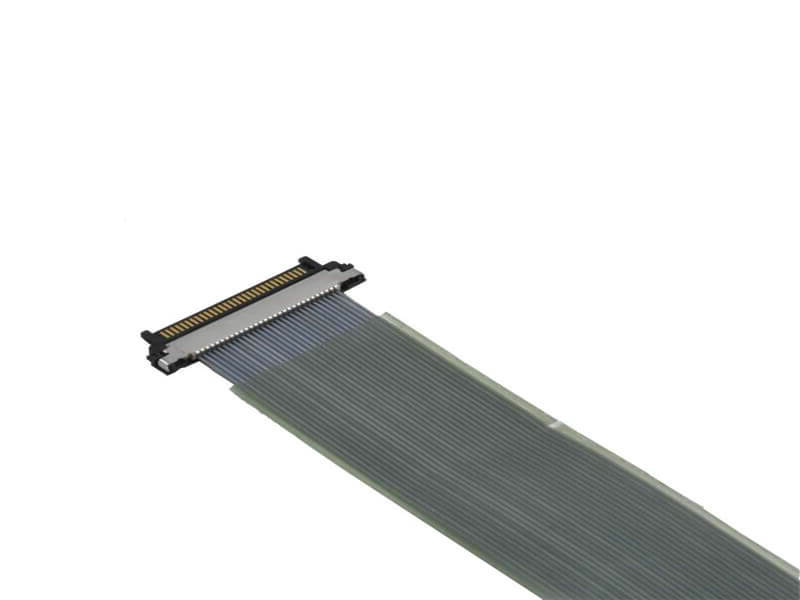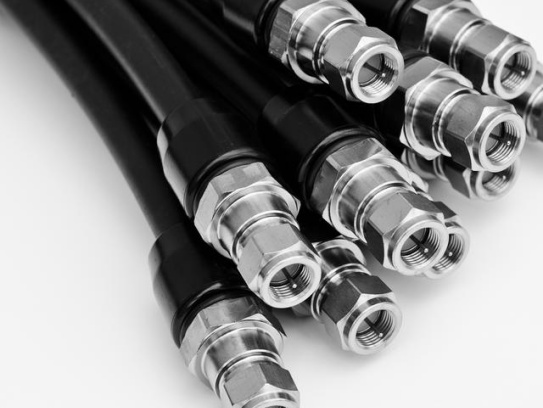

Micro Coaxial Cable factory-(FRS)

0.5mm Ultra-Fine Coaxial - Micro Coaxial Cable factory-(FRS)

Micro Coaxial Cable factory-(FRS)

Micro coaxial cable Tag: 0.5mm Ultra-Fine Coaxial

Ultra-Fine Coaxial Cables: 0.5mm Diameter – Applications and Reliable Sourcing Guide

The relentless drive for miniaturization in modern electronics demands components that are both incredibly small and reliably high-performing. Ultra-fine coaxial cables, particularly those with a meticulous 0.5mm outer diameter (OD), represent a pinnacle of engineering designed to thrive within the tightest spaces. If you’re searching for solutions involving this specialized cabling, understanding its key applications and identifying trustworthy suppliers is paramount. This guide provides that essential knowledge.

Why 0.5mm Ultra-Fine Coaxial?

  • Extreme Space Efficiency: A mere 0.5mm OD allows routing through the narrowest channels and passageways within devices where traditional cables simply cannot fit. This is crucial for modern, sleek product designs.
  • Essential Signal Integrity: Despite its tiny size, this coaxial cable maintains the fundamental shield-conductor-insulation structure. This provides critical electromagnetic interference (EMI) shielding and controlled impedance, protecting sensitive high-frequency signals (from hundreds of MHz up into the GHz range) from degradation, noise, and crosstalk.
  • Precision and Flexibility: Engineered for delicate handling, these cables offer fine-pitch flexibility essential for dynamic applications requiring repeated bending or movement.
  • High-Frequency Capability: The precise coaxial design enables reliable transmission of high-speed digital signals or analog RF signals where larger coaxial cables would be impractical.

Prime Application Scenarios for 0.5mm Coax

The unique advantages of 0.5mm coax make it indispensable across several demanding fields:

  1. Miniaturized Medical Devices:
    • Endoscopes & Laparoscopes: Transmitting high-definition video signals from the distal tip camera sensor to the processing unit requires cables that fit within the instrument’s narrow shaft without sacrificing image quality. 0.5mm coax is a core component.
    • Ultrasound Probes: Intracavity probes (e.g., TEE, ICE) incorporate numerous micro-coax channels within the insertion tube to handle signal arrays from tiny piezoelectric elements.
    • Implantable Sensors & Neuromodulation: Emerging bioelectronic devices leverage these cables for compact, reliable signal connections within biocompatible enclosures.
  2. Wearable & Portable Electronics:
    • Smartwatches & Fitness Trackers: Extremely constrained internal volume demands ultra-fine connections between high-speed sensors (e.g., heart rate monitors), antennas (Wi-Fi/Bluetooth/GPS), displays, and main processors.
    • Hearables (TWS Earbuds): Connecting internal components like drivers, microphones, and batteries while fitting comfortably within the ear canal housing relies on cables just like 0.5mm coax. High data rates for features like active noise cancellation (ANC) are also supported.
    • Compact Cameras & Action Cams: Micro camera modules and associated antenna connections inside sleek camera bodies utilize this cabling.
  3. Robotics & Drones:
    • Micro Robotic Joints & Effectors: Transmitting power or signals to sensors and actuators within constrained robotic limbs or grippers.
    • Drone Cameras & FPV Systems: Ensuring clean signals from lightweight gimbaled cameras or FPV (First Person View) transmitters over relatively short distances within the airframe.
  4. Precision Test & Measurement Probes:
    • Connecting specialized microprobes to measurement equipment requires cables that minimize parasitic effects and maintain signal fidelity right up to the probe tip. 0.5mm coax handles high-frequency signals reliably in these sensitive roles.
  5. Space-Constrained Instrumentation:
    • High-density internal connections in scientific equipment, aerospace avionics, or specialized industrial sensors where traditional wiring would cause unacceptable bulk or signal interference.

Finding Reliable 0.5mm Coaxial Cable Suppliers

Selecting the right supplier is critical. Here’s what to prioritize:

  1. Industry Certifications: Look for suppliers adhering to stringent international standards such as ISO 9001 (Quality Management) and ISO 13485 (Medical Devices, if applicable). Compliance with standards like IEC 61156 (data cables) or specific RoHS/REACH material restrictions is vital.
  2. Material & Construction Expertise: Reputable suppliers use top-tier materials (e.g., silver-plated copper conductors, PTFE or irradiated insulation, specialized micro-braided shielding) and possess deep expertise in designing and extruding cables at this microscopic scale for consistent performance.
  3. Robust Testing & Verification:
    • Impedance Matching: Confirming cables meet the specified impedance (e.g., 50Ω, 75Ω) within tolerance, vital for signal integrity.
    • Shielding Effectiveness (dB): Validating EMI/RFI protection through standardized attenuation tests.
    • High-Frequency Testing: S-parameter analysis (Insertion Loss, Return Loss, Crosstalk) up to multi-GHz frequencies.
    • Durability Testing: Mechanical testing for flex life, conductor/connector strength, and resistance to repeated bending/twisting.
  4. Customization Capabilities: The best suppliers offer core customization:
    • Length Specifics: Precise cutting and stripping.
    • Termination: Expert micro-soldering or attachment of specialized ultra-miniature connectors (SMP, micro-IPX, micro-MCX, custom solutions).
    • Assembly: Creating complex micro-coaxial harnesses.
  5. Technical Support & Partnership: Seek vendors with responsive engineers who understand your technical challenges and application environment. They should offer genuine samples for evaluation.
  6. Stable Production & Transparency: Ensure capacity for your volume needs (prototype to production) and transparency regarding manufacturing processes and quality control.

A leading specialty cable supplier notes: “Producing reliable 0.5mm coaxial cable requires nano-scale precision in material selection, shielding geometry, and extrusion control. Every meter undergoes rigorous RF testing; there’s zero margin for error in medical or high-reliability applications. It demands an engineering-first approach focused on consistency, not just miniaturization.” – Director of Engineering, MicroCoax Inc.

Making the Right Choice: Your Decision Path

  • Do you need: Extreme space savings & high signal integrity in a tight, possibly dynamic space?
  • What signals? High-frequency digital data? Analog RF? Critical sensor signals?
  • Environment? Medical? Industrial? Consumer? Demand varies.
  • Connectors? Standard micro-connector or a custom termination?
  • Flex Life? How many bend cycles will it endure?

If your application demands solving spatial constraints without compromising signal performance, ​0.5mm ultra-fine coaxial cable is often the essential solution. Success hinges on partnering with a supplier possessing the proven engineering rigor, material science expertise, and quality focus necessary to deliver consistently high-performing cabling at this microscopic scale. Prioritize suppliers that invest in robust testing and offer transparent technical partnership over simple cost minimization. Your device’s signal integrity and reliability depend on it.

In the realm of modern connectivity, long-distance cable runs are a fundamental aspect of various industries, from telecommunications and networking to audio-visual setups. However, as signals travel over extended cable lengths, they encounter numerous challenges that can lead to signal degradation. Understanding these challenges and implementing effective signal boosting solutions is crucial for maintaining reliable and high-quality data transmission. The Problem of Signal Degradation in Long-Distance Cable Runs Signal Attenuation Signal attenuation is one of the primary issues faced in long.

Read more →

In the fast-paced world of telecommunications, broadcasting, and industrial connectivity, coaxial cables remain the backbone of reliable signal transmission. As a leading Coaxial Cables factory with over a decade of expertise, we understand that building strong, long-term relationships with clients, distributors, and industry partners is key to sustaining success—especially as demand for high-performance coaxial cables continues to rise in sectors like 5G infrastructure, smart homes, and security systems. To deepen these partnerships and expand access to our premium coaxial solutions, we are.

Read more →

Introduction In the complex and demanding oil and gas industry, reliable communication and data transmission are crucial. Coaxial cables have emerged as a vital component in this industry, enabling seamless operations across various applications. This article delves into the significance, types, advantages, and challenges of coaxial cables in the oil and gas sector. Understanding Coaxial Cables Coaxial cables are designed with a central conductor, surrounded by an insulating layer, a shielding layer, and an outer jacket. This unique structure allows for efficient transmission of electrical si.

Read more →

In industries ranging from power transmission to telecommunications, coaxial cables are often exposed to high – voltage environments. A passed high – voltage resistance test is not just a routine certification; it is a critical guarantee that the cable can operate stably, safely, and durably under demanding conditions. For engineers, procurement teams, and end – users searching for this topic, understanding the value of this test result and its practical implications is key to making informed decisions about cable selection and system reliability. Key Standards Guiding the High &#.

Read more →

In an era where precision and reliability are paramount, the packaging of coaxial cables has undergone a transformative overhaul to address the challenges of modern logistics, environmental sustainability, and end-user performance. This evolution is not merely cosmetic but a strategic response to industry demands for enhanced protection, cost efficiency, and adaptability. Let’s delve into the key innovations reshaping coaxial cable packaging and how they ensure these critical components arrive in pristine condition, ready to power industries from telecommunications to aerospace. The Limitations of .

Read more →

Structural Advantages for Medical Use‌The core architecture of micro-coaxial cables—comprising a central conductor, dielectric insulation, shielding layer, and protective jacket—is optimized for medical environments: ‌Miniaturization‌: With outer diameters as small as ‌0.3 mm‌, these cables fit into ultra-compact devices like intravascular catheters and endoscopic tools without compromising performance.‌High-Frequency Stability‌: Materials such as ‌PTFE insulation‌ and ‌silver-plated copper shielding‌ ensure minimal signal loss at frequencies up to ‌40 GHz‌, crucial for high-resolution imaging.‌B.

Read more →

Can't find what you're looking for?

Our customer support team is ready to assist you with any questions or concerns.

Search FAQs

Popular Tags

More Products

Our factory offers high-quality products at competitive prices

KEL Micro Coaxial Cable

KEL Micro Coaxial Cable

KEL’s Micro Coaxial Cable solutions are at the forefront of modern electronic connectivity, offering exceptional performance in high-speed data transmission, miniaturization, and reliability. These connectors are integral to various.

Industrial Micro-Coaxial Wiring

Industrial Micro-Coaxial Wiring

Meta Description: Discover the advanced features and benefits of Industrial Micro-Coaxial Wiring—engineered for precision, durability, and high-speed signal transmission in industrial environments. ​What is Industrial Micro-Co.

Contact Us Micro Coaxial Cable factory-(FRS).


Feel free to reach out to us for any inquiries or orders

Call Us

Have a question? Give us a call!

+8618818785005

Email Us

Send us an email and we'll get back to you soon.

sales@custom-cable-assemblies.com
       
Home Products Contact