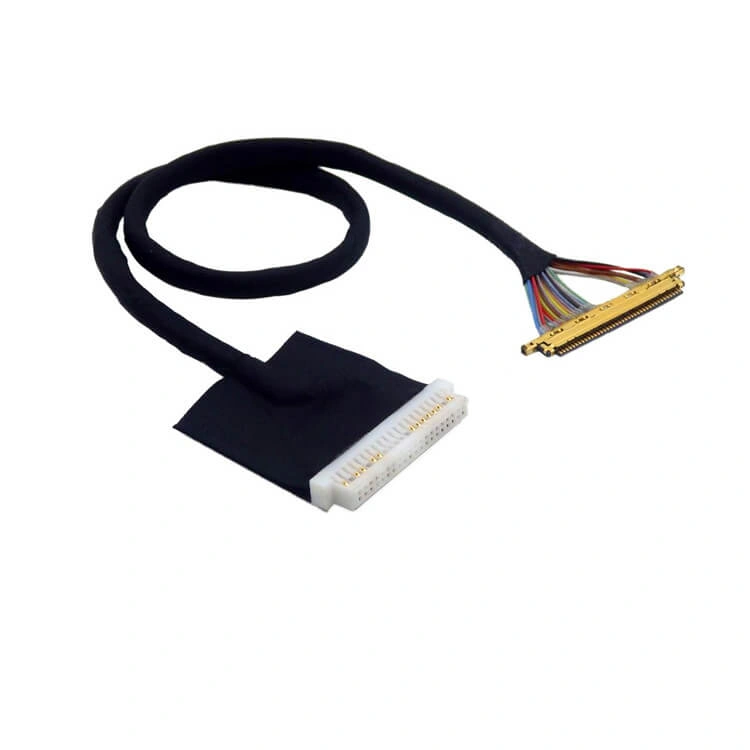
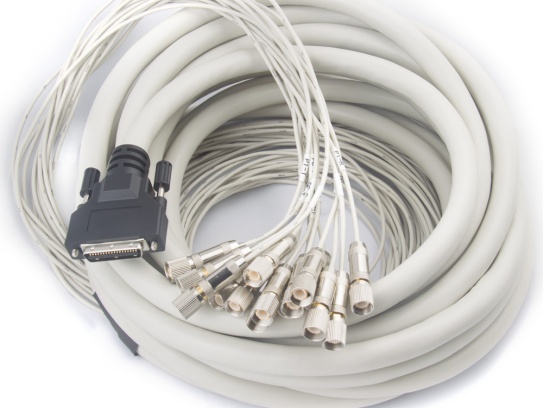
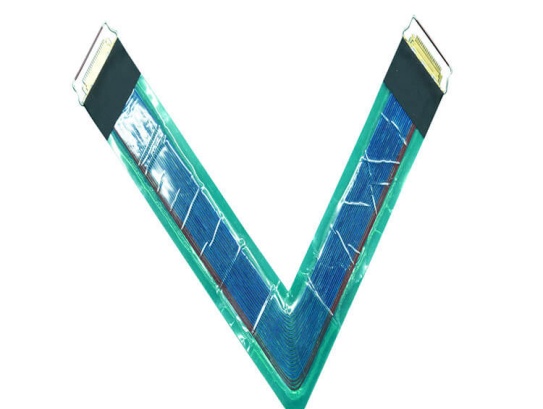
In the rapidly evolving landscape of electronic devices and communication systems, the demand for high-performance signal transmission solutions has never been more critical. Among the various components that enable seamless data and signal transfer, 75 ohm Micro-Coaxial Cables stand out as a pivotal technology, catering to the stringent requirements of modern applications. These specialized cables are engineered to deliver exceptional signal integrity, reliability, and flexibility, making them indispensable in a wide range of industries, from consumer electronics to aerospace and defense.
At the core of 75 ohm Micro-Coaxial Cables is their precisely calibrated impedance, which is set at 75 ohms. Impedance matching is a fundamental principle in signal transmission, as it ensures that the signal travels from the source to the load with minimal reflection and loss. Unlike cables with other impedance values, 75 ohm variants are specifically optimized for high-frequency applications, such as video transmission, radio frequency (RF) communication, and data transfer in high-speed systems. This impedance level is particularly well-suited for carrying analog and digital signals that require consistent performance across a broad frequency spectrum, making them a preferred choice for applications where signal quality is non-negotiable.
Key Characteristics of 75 ohm Micro-Coaxial Cables
75 ohm Micro-Coaxial Cables boast a range of features that set them apart from standard coaxial cables and other signal transmission mediums. One of their most notable attributes is their compact size. Designed with a micro-coaxial structure, these cables have a smaller diameter and lighter weight compared to traditional coaxial cables, making them ideal for use in space-constrained environments. This compactness is especially valuable in modern electronic devices, such as smartphones, tablets, laptops, and wearable technology, where miniaturization is a key design trend. By occupying less space, 75 ohm Micro-Coaxial Cables allow for more efficient packaging of internal components, enabling the development of sleeker and more portable devices.
Another critical characteristic is their excellent signal integrity. High-frequency signals are prone to degradation due to factors such as attenuation, crosstalk, and electromagnetic interference (EMI). 75 ohm Micro-Coaxial Cables are constructed with high-quality materials, including a low-loss dielectric core and a shielded outer conductor, which work together to minimize these issues. The dielectric core ensures that the signal travels with minimal attenuation, even over longer distances, while the shielding protects the signal from external EMI and prevents crosstalk between adjacent cables. This results in a clean, stable signal that is essential for applications such as high-definition (HD) video transmission, satellite communication, and radar systems.
Flexibility is also a key advantage of 75 ohm Micro-Coaxial Cables. Their micro-coaxial design allows for greater bendability and maneuverability, making them easy to route through complex layouts and tight spaces. This flexibility is particularly important in applications where cables need to be installed in confined areas or where movement is required, such as in robotic systems, medical devices, and automotive electronics. Unlike rigid cables that can crack or break under stress, 75 ohm Micro-Coaxial Cables maintain their structural integrity and performance even when subjected to repeated bending or vibration.
Additionally, these cables offer excellent environmental resistance. They are often designed to withstand a wide range of temperatures, humidity levels, and chemical exposures, making them suitable for use in harsh operating conditions. Whether deployed in outdoor communication towers, industrial manufacturing facilities, or medical environments that require sterilization, 75 ohm Micro-Coaxial Cables deliver consistent performance, ensuring the reliability of the systems they support.
Applications of 75 ohm Micro-Coaxial Cables
The versatility of 75 ohm Micro-Coaxial Cables makes them suitable for a diverse array of applications across multiple industries. In the consumer electronics sector, they are widely used in smartphones and tablets for connecting internal components such as cameras, displays, and antennas. The high signal integrity of these cables ensures that HD video from the camera is transmitted to the display without distortion, while their compact size and flexibility allow for efficient internal routing. They are also used in laptops and desktop computers for connecting external devices such as monitors and printers, as well as in gaming consoles to support high-speed data transfer for immersive gaming experiences.
The广播电视 (broadcast television) industry is another major user of 75 ohm Micro-Coaxial Cables. These cables are used in studio setups, outdoor broadcast vehicles, and transmission towers to carry video signals between cameras, mixers, monitors, and transmitters. The 75 ohm impedance is the standard for video signals, making these cables the ideal choice for ensuring that the quality of the video is maintained throughout the production and transmission process. Whether it’s a live sports event, a news broadcast, or a television show, 75 ohm Micro-Coaxial Cables play a crucial role in delivering clear, high-quality video to viewers.
In the medical device industry, 75 ohm Micro-Coaxial Cables are used in a variety of diagnostic and therapeutic equipment. For example, they are used in ultrasound machines to transmit signals between the transducer and the main unit, enabling the generation of detailed images of internal organs. They are also used in endoscopes, where their small size and flexibility allow for easy insertion into the body while maintaining reliable signal transmission. The biocompatibility and environmental resistance of these cables make them suitable for use in sterile medical environments, ensuring the safety and effectiveness of the equipment.
The aerospace and defense sector also relies heavily on 75 ohm Micro-Coaxial Cables for critical applications such as radar systems, satellite communication, and avionics. In radar systems, these cables are used to transmit high-frequency signals between the antenna and the signal processing unit, enabling the detection and tracking of targets. In satellite communication, they are used in ground stations and satellite payloads to carry signals between various components, ensuring reliable communication between Earth and space. In avionics, they are used in aircraft systems for connecting navigation, communication, and surveillance equipment, where their durability and resistance to extreme temperatures and vibration are essential.
Industrial automation is another area where 75 ohm Micro-Coaxial Cables are finding increasing use. They are used in factory automation systems to connect sensors, actuators, and control units, enabling real-time data transfer and precise control of manufacturing processes. The high signal integrity and noise immunity of these cables ensure that the data transmitted is accurate, even in noisy industrial environments with high levels of EMI. They are also used in robotics, where their flexibility allows for easy integration into the robot’s arm and joints, enabling smooth and precise movement.
Advantages Over Traditional Cables
Compared to traditional coaxial cables and other signal transmission technologies, 75 ohm Micro-Coaxial Cables offer several distinct advantages. One of the most significant advantages is their size and weight. Traditional coaxial cables are often bulky and heavy, which can be a limitation in applications where space and weight are critical factors. 75 ohm Micro-Coaxial Cables, on the other hand, are much smaller and lighter, making them easier to install and reducing the overall weight of the system. This is particularly important in aerospace and automotive applications, where every ounce of weight savings can lead to improved performance and efficiency.
Another advantage is their superior signal integrity at high frequencies. Traditional cables may suffer from significant signal loss and distortion when transmitting high-frequency signals over long distances. 75 ohm Micro-Coaxial Cables, with their low-loss dielectric and shielded design, minimize these issues, ensuring that the signal remains strong and clear. This makes them ideal for applications such as HD video transmission and high-speed data transfer, where signal quality is paramount.
Flexibility is also a major advantage over traditional cables. Traditional coaxial cables are often rigid and difficult to bend, which can make installation challenging in tight spaces. 75 ohm Micro-Coaxial Cables are highly flexible, allowing for easy routing around obstacles and through narrow channels. This flexibility also reduces the risk of cable damage during installation and use, increasing the overall reliability of the system.
Additionally, 75 ohm Micro-Coaxial Cables offer better EMI shielding compared to many other types of cables. The shielded outer conductor prevents external electromagnetic interference from affecting the signal, ensuring that the system operates reliably even in noisy environments. This is particularly important in industrial and aerospace applications, where EMI can be a major problem.
Considerations for Selecting 75 ohm Micro-Coaxial Cables
When selecting 75 ohm Micro-Coaxial Cables for a specific application, there are several key factors to consider. First and foremost is the impedance matching. It is essential to ensure that the cable’s impedance matches the impedance of the source and load to minimize signal reflection and loss. Using a cable with the wrong impedance can result in poor signal quality and reduced system performance.
Another important factor is the cable’s attenuation characteristics. Attenuation refers to the loss of signal strength as it travels through the cable. Different cables have different attenuation levels at different frequencies, so it is important to select a cable with low attenuation for applications that require long-distance signal transmission or high-frequency signals.
The cable’s physical properties, such as size, weight, and flexibility, are also important considerations. Depending on the application, the cable may need to fit into a small space, be lightweight for portable devices, or be highly flexible for use in moving parts. It is important to select a cable that meets the physical requirements of the application.
Environmental factors should also be taken into account. If the cable will be used in harsh environments, such as high temperatures, humidity, or chemical exposure, it is important to select a cable that is designed to withstand these conditions. This may include cables with special jackets or shielding materials that provide additional protection.
Finally, the connector type is an important consideration. The cable must be compatible with the connectors used in the system to ensure a secure and reliable connection. There are a variety of connector types available for 75 ohm Micro-Coaxial Cables, including SMA, BNC, and F connectors, among others. It is important to select the right connector type for the application.
Why Choose FRS for 75 ohm Micro-Coaxial Cables?
When it comes to sourcing high-quality 75 ohm Micro-Coaxial Cables that meet the demanding requirements of modern applications, FRS stands out as a trusted and reliable partner. With years of experience in the design and manufacturing of electronic cables, FRS has established itself as a leading provider of innovative signal transmission solutions.
FRS’s 75 ohm Micro-Coaxial Cables are engineered with precision using the highest quality materials, ensuring exceptional signal integrity, reliability, and performance. Our cables are designed to meet the strictest industry standards, undergoing rigorous testing to ensure they deliver consistent performance in even the most challenging environments. Whether you need cables for consumer electronics,广播电视, medical devices, aerospace, or industrial automation, FRS has the expertise and capabilities to provide customized solutions that meet your specific needs.
At FRS, we understand that every application is unique, which is why we offer a wide range of customization options. From cable length and connector type to shielding and jacket materials, we can tailor our 75 ohm Micro-Coaxial Cables to your exact specifications. Our team of experienced engineers works closely with customers to understand their requirements and develop solutions that exceed their expectations.
In addition to our high-quality products, FRS is committed to providing exceptional customer service. We offer fast turnaround times, competitive pricing, and comprehensive technical support to ensure that our customers receive the best possible experience. Whether you have questions about product selection, need assistance with customization, or require after-sales support, our team is always ready to help.
If you are in need of reliable, high-performance 75 ohm Micro-Coaxial Cables for your next project, look no further than FRS. With our commitment to quality, innovation, and customer satisfaction, we are the ideal partner for all your signal transmission needs. Contact FRS today to learn more about our 75 ohm Micro-Coaxial Cables and how we can help you achieve your goals.