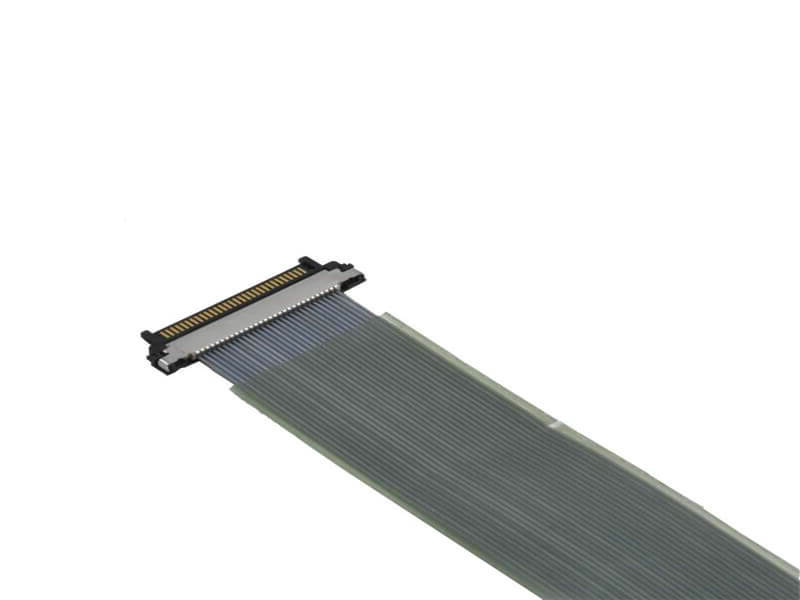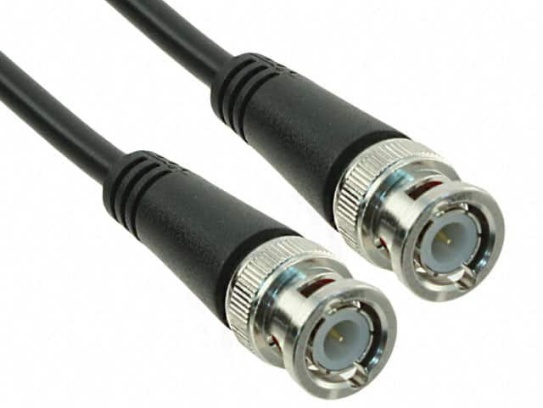

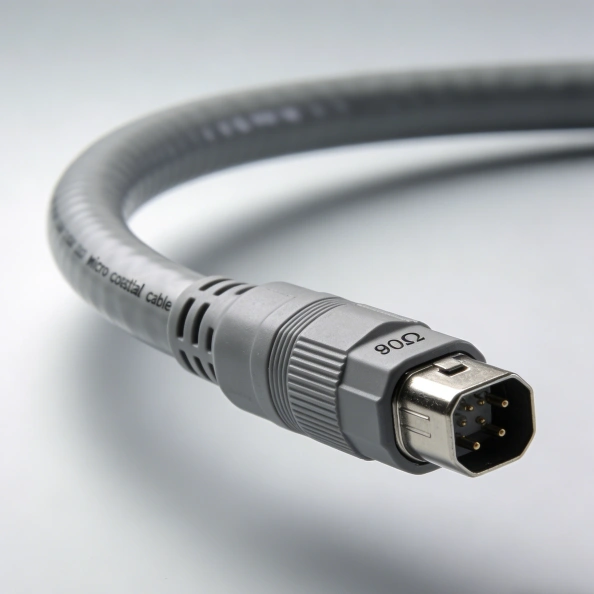
In the ever-evolving landscape of technological advancements, the demand for more reliable and durable electronic components is constantly on the rise. Among these, micro-coaxial cables play a crucial role in various industries, from telecommunications and consumer electronics to aerospace and automotive. In recent years, a significant breakthrough has been made with the development of new polymer compounds, which have proven to greatly enhance the durability of micro-coaxial cables. Micro-coaxial cables are designed to transmit high-frequency electrical signals with minimal loss and interference. .
Read more →When it comes to data transmission, coaxial cables and fiber optics are two common options, but they have significant differences. Understanding these differences can help you choose the right one for your needs. Transmission Medium Coaxial cables use copper conductors to transmit electrical signals. This makes them rely on the flow of electrons for data transfer. In contrast, fiber optics use thin strands of glass or plastic to transmit data as light signals. The light travels through the fiber, bouncing off the walls due to a phenomenon called total internal reflection. Speed and Bandwid.
Read more →In military operations, reliable communication can make the difference between mission success and failure. Military-grade communication systems demand components that can withstand extreme conditions while delivering consistent performance—and coaxial cables play a critical role here. Let’s break down why coaxial cables are essential for military use, their key features, and how to choose the right one. Military environments are tough. Think extreme temperatures (from freezing cold in arctic zones to scorching heat in deserts), constant vibration from vehicles or aircraft, moisture, dust, and even.
Read more →In the realm of communication and electronics, coaxial cables stand as indispensable components, with their quality directly impacting the performance of entire systems. Today, a groundbreaking development has emerged: the quality complaint rate of coaxial cables has plummeted to zero, marking a significant milestone in the industry. This remarkable achievement is not a stroke of luck but the result of relentless efforts in improving every aspect of coaxial cable production, from raw material selection to manufacturing processes and quality inspection. The foundation of superior coaxial cable quali.
Read more →In the fast-evolving world of medical technology, devices like implantable sensors, MRI machines, and surgical robots rely on precision-engineered components to function safely and accurately. Among these components, medical-grade micro-coaxial assemblies play a critical role in transmitting high-frequency signals while maintaining signal integrity. However, electromagnetic interference (EMI) can disrupt these signals, leading to malfunctions or even life-threatening errors. This article explores practical EMI shielding techniques for micro-coaxial assemblies used in medical devices, offer.
Read more →High-Frequency Performance (Up to 110+ GHz)Micro coaxial cables are designed to transmit signals at frequencies far exceeding traditional coaxial cables, making them vital for cutting-edge wireless and millimeter-wave technologies. Key Design FeaturesPrecision Dielectric Materials:Fluoropolymers (e.g., PTFE) or air-entangled foams minimize dielectric loss while maintaining stable permittivity at high frequencies.Example: 0.81 mm micro coax with expanded PTFE dielectric supports 110 GHz in satellite communication test systems.Controlled Impedance:Strict 50 Ω or 75 Ω impedance tolerance (±.
Read more →Can't find what you're looking for?
Our customer support team is ready to assist you with any questions or concerns.
Search FAQs
Related Articles
How to Maintain Micro Coaxial Cables
Why Micro Coaxial Cable Maintenance MattersMicro coax cables (typically 0.5mm to 2mm in diameter) are prone to wear and tear due to thei.
How to protect Coaxial Cable Assemblies from physical damage
Coaxial cable assemblies are critical for reliable signal transmission in industries like telecommunications, aerospace, and industrial au.
Micro Coaxial Cable vs. Regular Coaxial Cable: Which Is Better?
Choosing between micro coaxial cables and regular coaxial cables depends on your project’s needs. Here’s a concise comparison to guide.
Ultra-Fine Coaxial Cables: 0.5mm Diameter – Applications and Reliable Sourcing Guide
The relentless drive for miniaturization in modern electronics demands components that are both incredibly small and reliably high-perform.
Can Coaxial Cable Assemblies be used in home theater systems
The answer to whether coaxial cable assemblies can be used in home theater systems is a resounding “yes.” In fact, coaxial cab.
Our Coaxial Cable Helps Prevent Signal Interference
In an era where seamless connectivity defines everything from home entertainment to critical industrial operations, signal interference re.