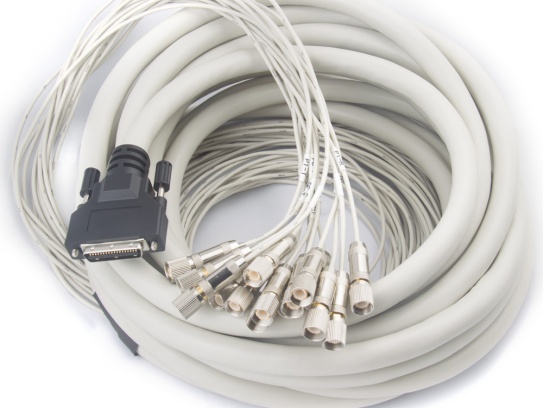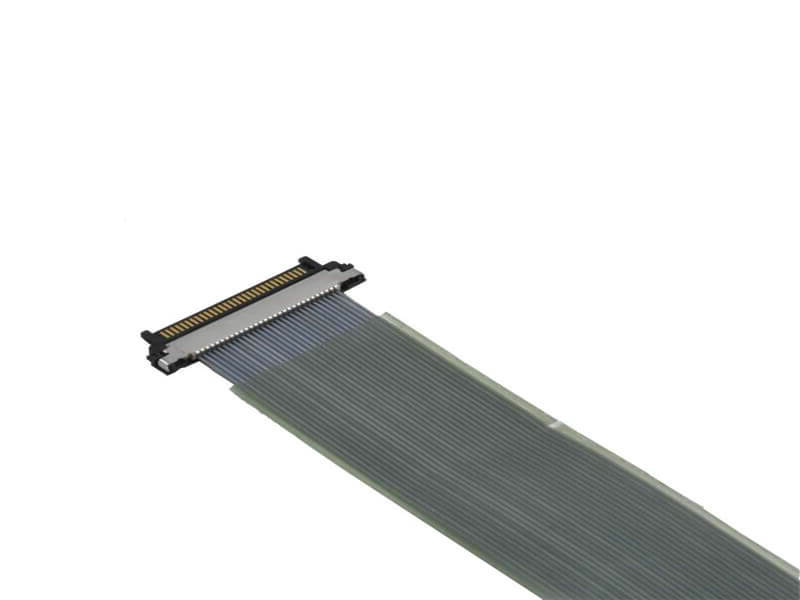

Why Recycling Matters Now As global e-waste reaches record levels, the telecom and electronics industries are prioritizing micro-coaxial cable recycling. These thin, high-frequency cables (used in 5G networks, medical devices, and aerospace) contain valuable copper and rare metals. Leading manufacturers like CommScope and TE Connectivity recently formed the Micro-Coaxial Sustainability Alliance to standardize recycling processes. How Recycling Works Collection: Dedicated bins at electronics retailers and corporate e-waste drives Processing: Specialized shredders separate PVC insulation fr.
Read more →The short answer is: Yes, coaxial cable assemblies are not only compatible with 5G network devices but also play a critical role in 5G signal transmission—provided they meet 5G’s unique technical requirements. Unlike 4G, 5G relies on higher frequencies (sub-6 GHz for wide coverage and mmWave for ultra-high speed) and demands lower signal loss, stronger anti-interference capabilities, and better mechanical durability. High-quality coaxial cable assemblies are designed to address these needs, making them indispensable in 5G infrastructure and end-user devices. 1. Why Coaxial Cable Assemblies Are Suit.
Read more →Choosing the right micro-coaxial cable isn’t just a detail in drone design and operation; it’s a critical factor impacting video transmission reliability, control signal integrity, weight, and ultimately, the success of your flight. Recent independent testing has cut through the marketing claims to identify which micro-coaxial cables truly deliver the best performance for demanding drone applications, including FPV (First-Person View) systems, camera feeds, and critical control links. Here are the results and what they mean for you. Why Micro-Coaxial Cable Quality is Paramount for Drone.
Read more →In high-speed, high-density electronic systems, micro coaxial cableis often the critical link that determines whether your product performs reliably in the field or fails during EMI/EMC testing. At FRS, we design and manufacture high-performance micro coaxial cable assembliesthat combine compact size, excellent signal integrity, and robust EMI shielding. This guide explains what makes micro coax the right interconnect for your most demanding applications and how to choose and design with it successfully. 🎯 What Is a Micro Coaxial Cable? A micro coaxial cableis a miniaturized version of a .
Read more →Introduction The oil and gas industry operates in some of Earth’s most extreme environments—from deep-sea drilling rigs to Arctic permafrost. These conditions demand connectivity solutions that combine precision, durability, and miniaturization. Rugged micro-coaxial cables emerge as a critical enabler, delivering high-frequency signal integrity where traditional cabling fails. Key Challenges Addressed Harsh Environment Survival Withstand temperatures from -55°C to 200°C Resist corrosion from saltwater, H₂S, and hydraulic fluids EMI/RFI shielding for high-noise drilling sites Data.
Read more →The demand for micro-coaxial cables is surging, driven by high-speed data transfer in devices like smartphones, medical equipment, automotive sensors, and aerospace systems. Alongside performance, manufacturers and end-users are increasingly prioritizing sustainability. Achieving carbon-neutral manufacturing for these complex, precision components is challenging but critical. This guide explains what it means, how it’s being done, and why it matters for your supply chain. What Does “Carbon-Neutral Manufacturing” Mean? Simply put, it means the net carbon dioxide (CO2) and.
Read more →Can't find what you're looking for?
Our customer support team is ready to assist you with any questions or concerns.
Search FAQs
Related Articles
How to Troubleshoot Common Micro-Coaxial Cable Installation Issues
Micro-coaxial cables (micro-coax) – those thin, often less than 3mm diameter cables – are the unsung heroes powering critical video, RF, a.
Flexible vs. Rigid Micro Coaxial Cables
Key Differences Between Flexible and Rigid Micro Coax CablesParameter Flexible Micro Coax Rigid Micro CoaxBend Radius 5–10x cabl.
What Is Industrial Grade Micro Coaxial Cable and How Is It Different from Standard Coax
Industrial grade micro coaxial cable is an ultra‑thin, high‑performance RF interconnect built for demanding applications that require prec.
Micro-Coaxial Cable Soldering Tools & Techniques: A Practical Guide
Soldering micro-coaxial cables – those tiny cables used for high-frequency signals in devices like smartphones, cameras, and RF equipment .
How to check for signal leakage in Coaxial Cable Assemblies
Coaxial cable assemblies are critical components in numerous applications, from telecommunications and broadcast systems to aerospace and .
Requirements for the assembly environment of anti-static micro coaxial cables
Anti-static micro coaxial cables are critical components in high-precision electronics, telecommunications, and medical devices. Their ass.