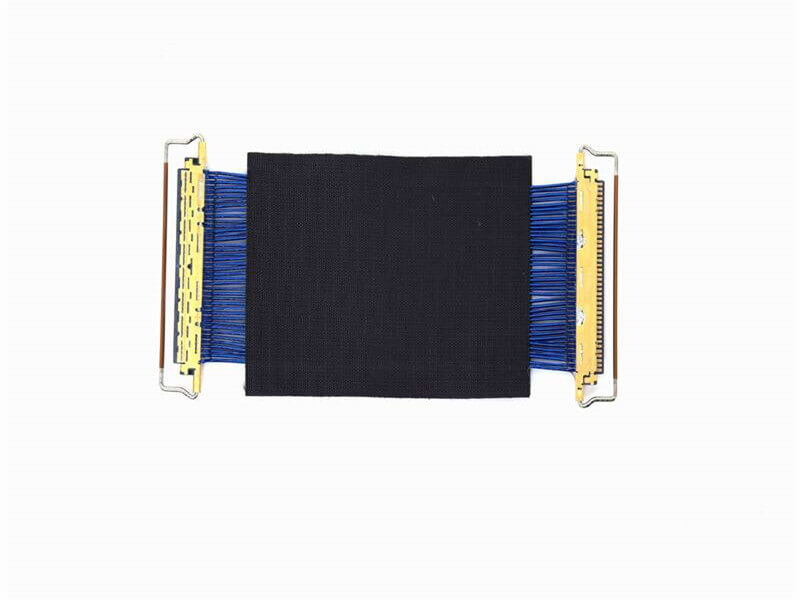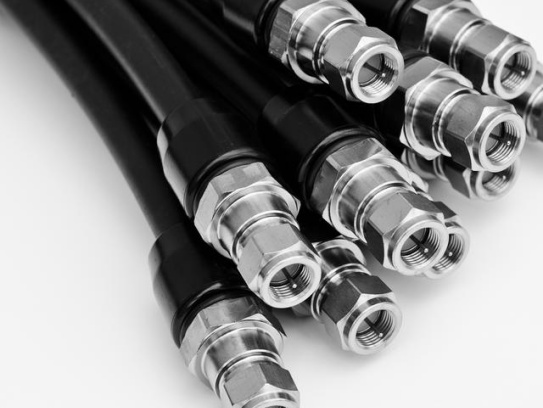

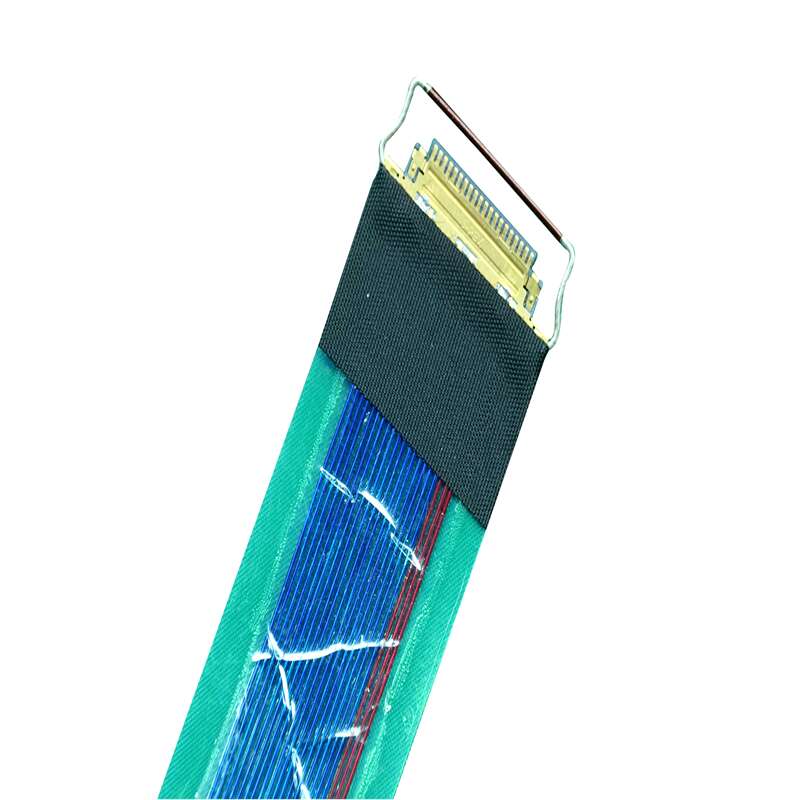
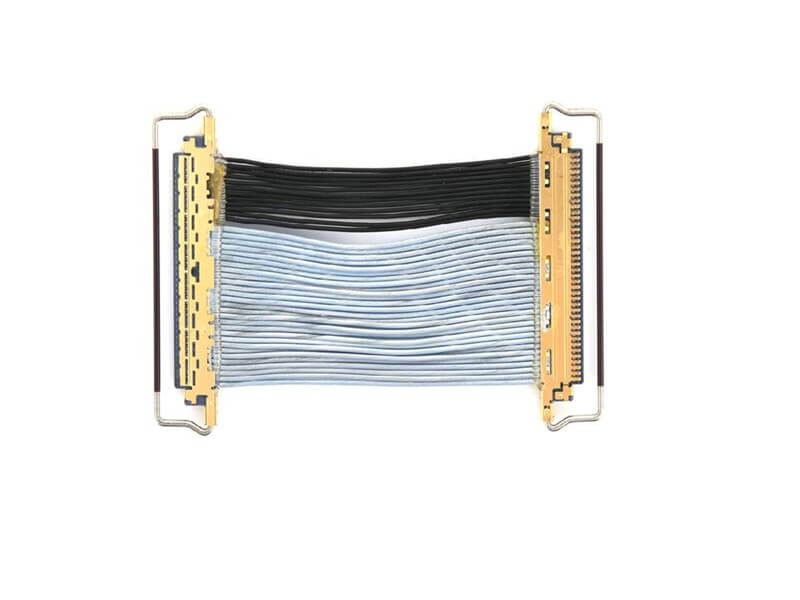
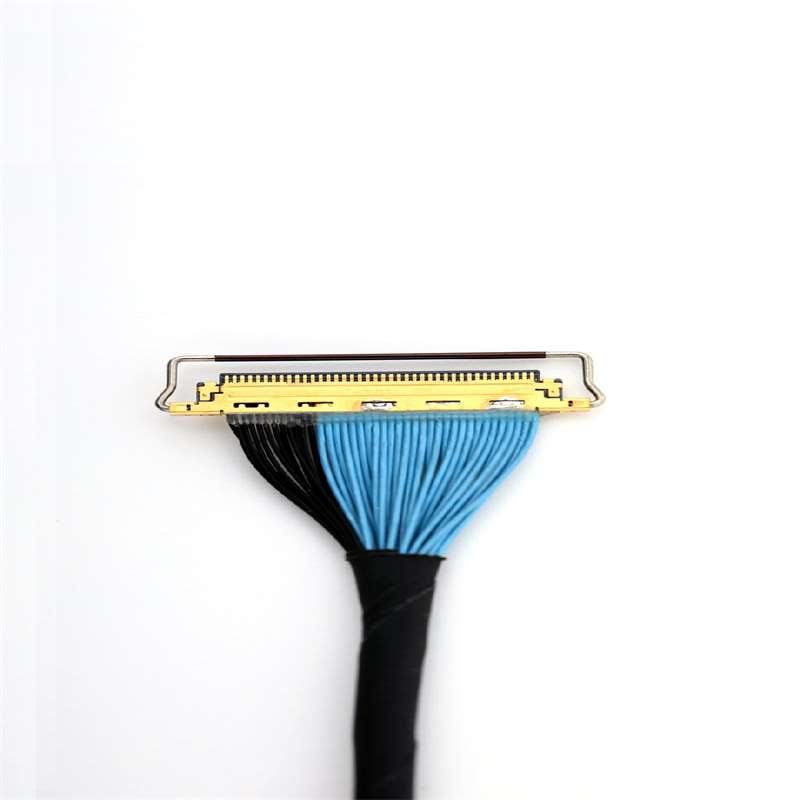
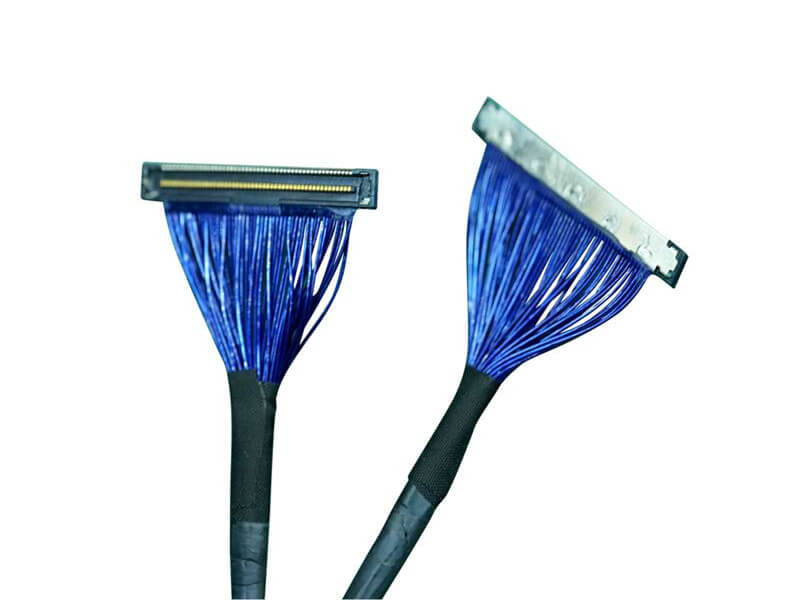
Military-grade micro-coaxial cables are critical components in defense systems, aerospace technology, and advanced communication networks. At the heart of their performance lies the dielectric material, which ensures signal integrity, durability, and resistance to extreme conditions. This article explores the most common dielectric materials used in military-grade micro-coaxial cables, their properties, and why they matter for high-stakes applications. Why Dielectric Materials Matter in Military-Grade Cables Dielectric materials are non-conductive substances placed between the inner conduc.
Read more →As smart agriculture transforms traditional farming into data-driven precision operations, the demand for robust, high-performance connectivity solutions has never been greater. Micro-coaxial cables (micro-coax), with their compact design and superior signal transmission capabilities, have emerged as a critical component in powering the sensors, drones, and automated systems that define modern agricultural technology. Unlike standard cables, micro-coax balances miniaturization with durability—addressing the unique challenges of farm environments, from extreme weather to wide-area sensor deployment. .
Read more →The relentless drive towards smaller, thinner, and lighter consumer electronics isn’t just an aesthetic preference – it’s a fundamental shift reshaping the internal landscape of our devices. This relentless miniaturization trend presents a significant challenge: maintaining, or even enhancing, high-speed data transmission and signal integrity within increasingly cramped spaces. This pressure is the primary force fueling the rapid evolution of micro-coaxial cables (micro-coax), transforming them into critical enablers of next-generation compact electronics. Understanding .
Read more →In the rapidly evolving fields of telecommunications, broadcast engineering, and data transmission, coaxial cables remain a critical backbone for reliable signal delivery. Recognizing the industry’s need for transparency in manufacturing standards and technical specifications, we are now making our comprehensive coaxial cable technical documentation publicly available. This initiative aims to empower engineers, procurement teams, and industry partners with clear, actionable insights into coaxial cable manufacture—from raw material selection to final quality validation. By demystifying the manufac.
Read more →In the dynamic world of stadiums and arenas, where thousands gather to cheer for their favorite teams or enjoy live performances, a seamless audio-visual (AV) experience is non-negotiable. From giant video screens displaying instant replays to surround-sound systems amplifying the roar of the crowd, every component of the AV setup relies on reliable signal transmission. This is where coaxial cable emerges as a cornerstone technology, uniquely equipped to meet the rigorous demands of stadium and arena AV systems. The Unique Demands of Stadium & Arena AV Systems Stadiums and arenas are enginee.
Read more →In the competitive landscape of the coaxial cable industry, customer satisfaction stands as the cornerstone of business success. For coaxial cable customers, encountering issues with products or services can be frustrating, and the way a company handles these complaints directly impacts its reputation and customer loyalty. Recognizing this, many forward-thinking enterprises have focused on revamping their coaxial cable customer complaint handling process. This article delves into the importance of improving this process, the key pain points in traditional approaches, the detailed steps of an enhanced .
Read more →Can't find what you're looking for?
Our customer support team is ready to assist you with any questions or concerns.
Search FAQs
Related Articles
Characteristics of Micro Coaxial Cables
Micro coaxial cables are miniaturized coaxial cables distinguished by the following key features: 1. Compact Structure with Multi-Layer S.
What Tools Are Needed for Micro Coaxial Cable Installation?
Working with micro coaxial cables (common in electronics, drones, cameras, medical devices, and communications) requires precision tools d.
Are Coaxial Cable Assemblies used in industrial robots
The answer is yes—coaxial cable assemblies are indispensable components in industrial robots, playing a critical role in ensuring sta.
Micro-Coaxial vs. Twinaxial: Which Performs Better in Data Centers
In the relentless pursuit of higher bandwidth, lower latency, and greater density within modern data centers, the choice of cabling infras.
Why Air-Spaced Dielectric Makes Micro Coax Cables Better
Micro coaxial cables are the essential workhorses carrying signals in our compact electronics – from the latest smartphones and medical de.
Differences Between Coaxial Cables and Microstrip Lines
Coaxial cables and microstrip lines are two fundamental transmission line structures widely used in electronics and telecommunications. Wh.