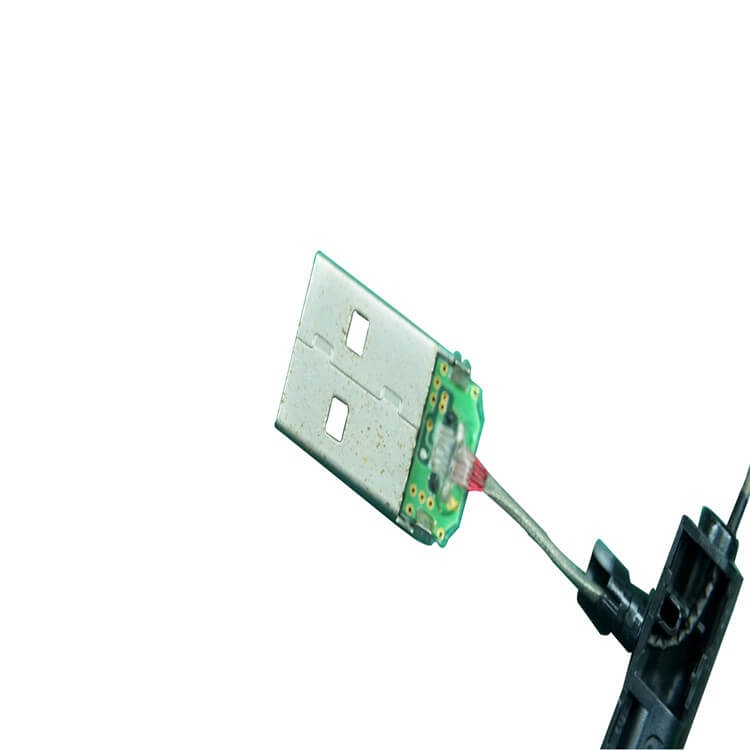
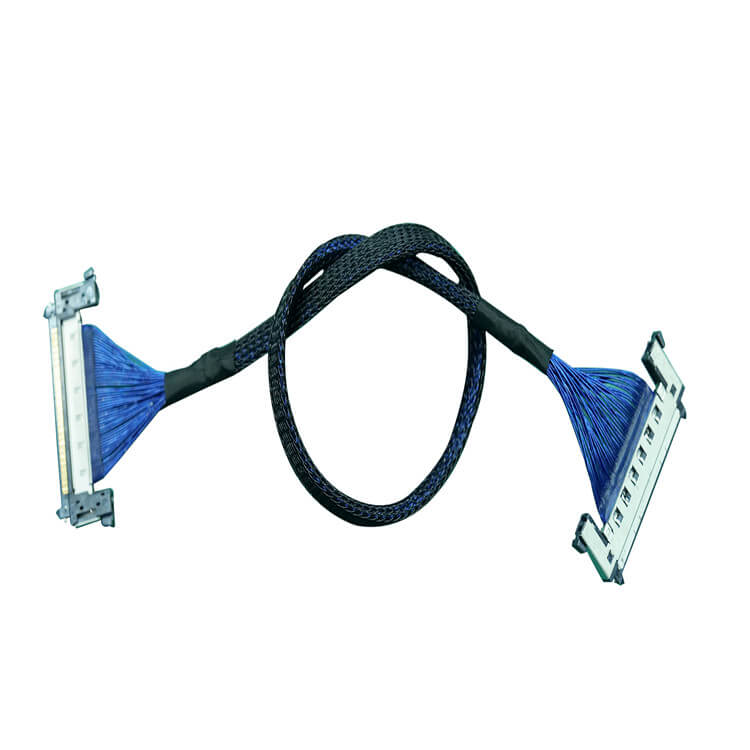
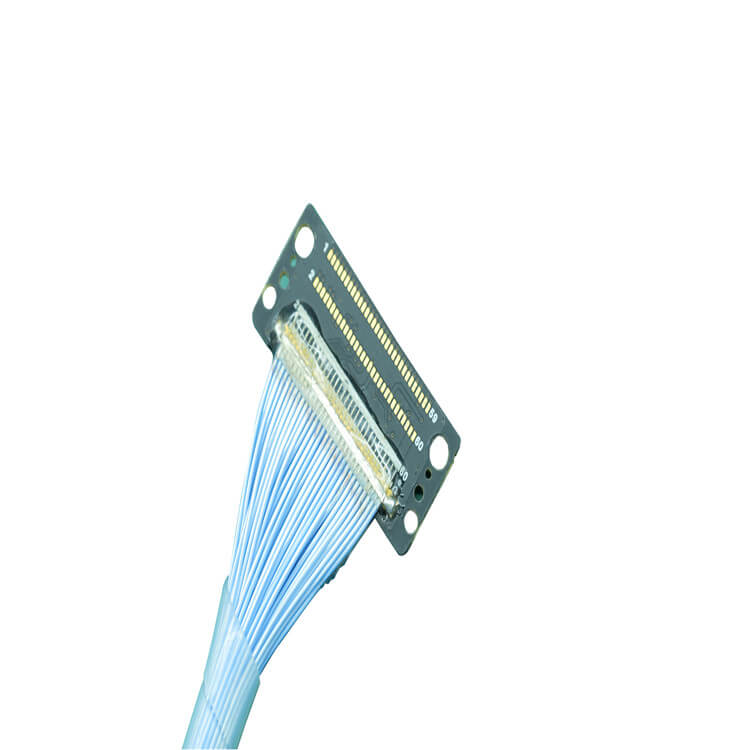
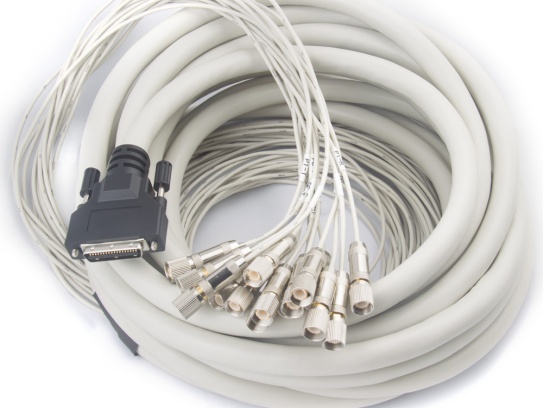
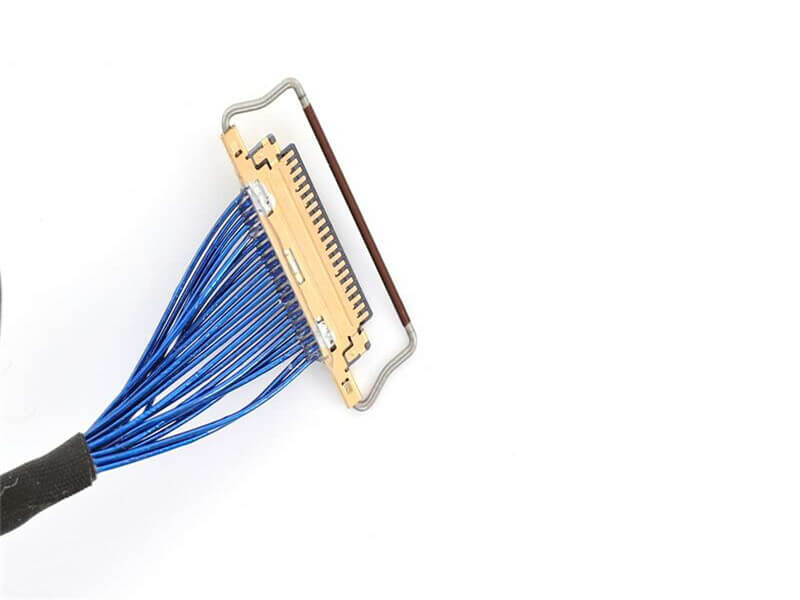
Embedded camera systems are the backbone of modern industries—from automotive ADAS and industrial machine vision to medical endoscopes and consumer electronics. At the core of these compact, high-performance systems lies a critical component: the micro coaxial cable. Unlike standard coaxial cables, micro coaxial cables for embedded camera systems are engineered to deliver high-speed, low-interference signal transmission in the tightest spaces, making them indispensable for embedded camera applications. This guide is tailored for B2B buyers, engineers, and procurement professionals, covering everything you need to know about micro coaxial cable for embedded camera system—from technical specifications and real-world applications to key comparisons, common pitfalls, and how to choose the right supplier.
What Is a Micro Coaxial Cable for Embedded Camera System?
A micro coaxial cable (also known as micro coax) is a miniaturized coaxial cable designed for high-frequency, low-loss signal transmission in space-constrained devices like embedded cameras. For embedded camera system applications, micro coax features an ultra-slim design—typically with an outer diameter (O.D.) of 0.3mm to 1.2mm—and a precision-engineered structure that balances flexibility, shielding, and signal integrity. These traits are critical for embedded camera systems that require reliable image data transfer in compact environments, so choosing the right micro coaxial cable for embedded camera system is key to ensuring optimal performance and device longevity.
Key Structural Components (B2B Technical Details)
The performance of a micro coaxial cable for embedded cameras depends on its layered structure, with each component optimized for signal stability and durability—key factors to consider when selecting a micro coaxial cable for embedded camera system.
Center Conductor: Usually made of silver-plated copper or copper alloy, with a diameter as thin as 0.08~0.1mm. Silver plating reduces signal resistance and improves conductivity, essential for high-speed MIPI CSI-2 signals common in embedded cameras—ensuring consistent performance from your micro coaxial cable for embedded camera system.
Insulation Layer: Composed of low-dielectric-constant materials like FEP or PTFE. These materials minimize signal delay and insertion loss, ensuring high-frequency signals (up to 10Gbps) are transmitted without distortion.
Shielding Layer: A critical component for embedded cameras, typically made of braided copper wire or aluminum foil (single or double-layer). The shielding blocks electromagnetic interference (EMI) and prevents signal leakage, which is vital in noisy environments like industrial floors or automotive cabins.
Outer Sheath: Made of high-flexibility materials (e.g., PVC, TPE) that withstand repeated bending and harsh conditions (temperature ranges from -40°C to +105°C), ideal for embedded cameras with moving parts (e.g., drone gimbals).
Why Micro Coaxial Cables Are Essential for Embedded Camera Systems
Embedded camera systems differ from standard cameras—they are compact, often mounted in tight spaces, and require consistent, high-speed signal transmission to deliver clear images. Micro coaxial cables for embedded camera systems address these unique needs, offering three key advantages that make them superior to alternative wiring solutions (e.g., FPC, twisted pair) for embedded camera applications.
1. Superior Signal Integrity for High-Resolution Imaging
Modern embedded cameras (e.g., 4K industrial cameras, automotive ADAS cameras) transmit high-bandwidth signals via MIPI CSI-2, C-PHY, or D-PHY protocols, which demand precise impedance control (typically 50Ω or 100Ω differential). A high-quality micro coaxial cable for embedded camera system maintains constant impedance across its length, minimizing signal reflection and jitter—issues that cause image distortion, lag, or data loss. Unlike FPC cables, which suffer from impedance inconsistency when bent, micro coax for embedded camera systems retains signal integrity even in tight bends.
2. Compact Design & High Flexibility
Embedded cameras are often integrated into small devices (e.g., medical endoscopes, mini drones, smartphone modules) where space is at a premium. The ultra-slim profile (as thin as 0.3mm) of a micro coaxial cable for embedded camera system allows it to fit into narrow gaps between camera sensors and mainboards, while its high flexibility enables routing around hinges, moving parts, or complex device structures without breaking—critical for applications like foldable device cameras or robotic vision systems.
3. Strong EMI Shielding for Noisy Environments
Embedded cameras in industrial, automotive, or medical settings operate alongside other electronic components that generate EMI (e.g., motors, power supplies, wireless modules). A micro coaxial cable for embedded camera system features a full shielding layer that blocks external interference and prevents signal leakage, ensuring clear image transmission even in harsh electromagnetic environments. This is a key advantage over unshielded FPC cables, which are prone to signal distortion from EMI—making micro coaxial cables the better choice for noisy embedded camera system applications.
Micro Coaxial Cable vs. Alternatives for Embedded Cameras (B2B Comparison)
B2B buyers often face the choice between micro coaxial cables, FPC (Flexible Printed Circuit) cables, and twisted-pair cables for embedded camera systems. Below is a detailed comparison to help you make the right decision when selecting a wiring solution for your system—with a focus on why micro coaxial cable for embedded camera system stands out.
Feature
Micro Coaxial Cable
FPC Cable
Twisted-Pair Cable
Signal Integrity (High-Frequency)
Excellent (low loss, stable impedance up to 10Gbps)
Poor (impedance inconsistency when bent)
Average (prone to crosstalk)
EMI Shielding
Superior (full braided/foil shielding)
Weak (limited or no shielding)
Moderate (depends on shielding layer)
Flexibility & Bend Resistance
High (withstands repeated bending, small bend radius)
Low (prone to fatigue and breakage)
Moderate (less flexible than micro coax)
Space Efficiency
High (ultra-slim diameter: 0.3–1.2mm)
High (thin, but less flexible)
Low (bulkier, requires more routing space)
Ideal Applications
4K embedded cameras, ADAS, drones, medical endoscopes
Real-World Applications of Micro Coaxial Cables for Embedded Cameras
Micro coaxial cables for embedded camera systems are used across industries where embedded cameras require reliable, high-performance signal transmission. Below are the most common B2B applications, with insights into how a quality micro coaxial cable solves key challenges for embedded camera system performance.
1. Automotive ADAS Embedded Cameras
Advanced Driver Assistance Systems (ADAS) rely on embedded cameras (e.g., front-facing, side-view, rear-view) to deliver real-time image data for features like lane departure warning, automatic emergency braking, and adaptive cruise control. A micro coaxial cable for embedded camera system is ideal here: it withstands extreme temperatures (-40°C to +105°C), resists vibration, and provides EMI shielding against the car’s electrical system. It also fits into the tight spaces of automotive camera modules, ensuring reliable signal transmission at high speeds (up to 5Gbps).
2. Industrial Machine Vision Cameras
Industrial embedded cameras are used for quality control, robotics, and automated inspection. These cameras operate in noisy industrial environments (with motors, inverters, and other EMI sources) and require high-resolution image transmission. A micro coaxial cable for embedded camera system’s shielding blocks interference, while its flexibility allows routing around robotic arms and machinery. It also supports high-speed MIPI signals, ensuring clear images for precise inspection tasks.
3. Medical Embedded Cameras
Medical devices like endoscopes, laparoscopes, and surgical cameras use tiny embedded cameras to capture internal images. A micro coaxial cable for embedded camera system is biocompatible, ultra-slim, and flexible—critical for navigating the human body. Its low signal loss ensures high-definition images, while its shielding prevents interference from medical equipment (e.g., MRI machines).
4. Consumer Electronics Embedded Cameras
Smartphones, tablets, mini drones, and AR/VR devices feature compact embedded cameras. A micro coaxial cable for embedded camera system fits into the slim designs of these devices, delivering high-speed signals for 4K video, facial recognition, and AR tracking. Its flexibility allows routing around foldable screens and moving parts (e.g., drone gimbals) without performance degradation.
B2B Buyer’s Guide: How to Choose the Right Micro Coaxial Cable
Selecting the right micro coaxial cable for embedded camera system is critical to avoiding performance issues and costly rework. Follow these key steps to make an informed decision when sourcing your cable.
1. Define Your Application Requirements
Signal Speed: Determine the bandwidth needed (e.g., 4K cameras require up to 10Gbps; standard HD cameras need 1–5Gbps).
Space Constraints: Measure the maximum cable diameter and bend radius your camera module can accommodate.
Environmental Conditions: Consider temperature range, humidity, vibration, and EMI levels (e.g., automotive vs. medical environments).
Connector Compatibility: Ensure the cable is compatible with micro connectors (e.g., I-PEX, Hirose, JAE) used in your embedded camera system.
2. Key Specifications to Prioritize
Impedance: Choose 50Ω (for single-ended signals) or 100Ω (for differential signals like MIPI CSI-2) to match your camera’s interface.
Insertion Loss: Look for low insertion loss (≤0.3dB/cm @ 5GHz) to minimize signal degradation over distance.
Shielding Type: Opt for double-layer shielding (foil + braid) for high-EMI environments; single-layer shielding works for low-noise applications.
Conductor Material: Silver-plated copper for high conductivity; copper alloy for durability in harsh environments.
Common Pitfalls to Avoid (B2B Risk Mitigation)
Many B2B buyers make costly mistakes when sourcing a micro coaxial cable for embedded camera system. Here are the most common pitfalls and how to avoid them, ensuring your embedded camera system performs optimally.
Pitfall 1: Sacrificing Shielding for Cost – Cutting costs by choosing unshielded or single-layer shielded cables leads to EMI interference and image distortion. Invest in double-layer shielding for your micro coaxial cable for embedded camera system, especially for industrial, automotive, or medical applications.
Pitfall 2: Ignoring Bend Radius – Using a micro coaxial cable for embedded camera system with a bend radius too large for your camera module causes signal loss and cable breakage. Ensure the micro coaxial cable for embedded camera system’s minimum bend radius (typically 5–10x the cable diameter) matches your routing needs.
Pitfall 3: Mismatched Impedance – Using a micro coaxial cable for embedded camera system with the wrong impedance (e.g., 75Ω instead of 50Ω) causes signal reflection and data loss. Always match the micro coaxial cable for embedded camera system’s impedance to your camera’s interface.
Pitfall 4: Overlooking Environmental Testing – A micro coaxial cable for embedded camera system that isn’t tested for temperature, vibration, or moisture will fail in harsh environments. Ask suppliers for test reports (e.g., IATF 16949 for automotive, ISO 13485 for medical) to ensure the micro coaxial cable for embedded camera system meets your application’s needs.
Pitfall 5: Choosing the Wrong Connector – Poorly matched connectors (e.g., low-quality replicas of I-PEX) cause signal loss and connection failure for your micro coaxial cable for embedded camera system. Use genuine or certified connectors compatible with your micro coaxial cable for embedded camera system.
Choose FRS Factory: Your Trusted Partner for Micro Coaxial Cables for Embedded Cameras
When it comes to sourcing high-quality, reliable micro coaxial cable for embedded camera system, FRS Factory stands out as a leading B2B manufacturer with decades of experience in precision cable assembly. We understand the unique demands of embedded camera system applications—from automotive ADAS to medical devices—and engineer our micro coaxial cables to deliver exceptional performance, durability, and value.
At FRS Factory, we offer fully customizable micro coaxial cable for embedded camera system tailored to your specific requirements: we support cable diameters from 0.3mm to 1.2mm, impedance options (50Ω/100Ω), double-layer shielding (foil + braid), and compatibility with all major micro connectors (I-PEX, Hirose, JAE, Molex, etc.). Our cables undergo 100% electrical performance testing to ensure low insertion loss, stable impedance, and superior EMI shielding, and we hold certifications including ISO 9001, IATF 16949, RoHS, and UL—meeting the strict standards of automotive, industrial, and medical industries.
What sets FRS Factory apart? We combine advanced manufacturing technology (precision extrusion, high-density braiding) with competitive pricing, short lead times (7–14 days), and flexible MOQs (minimum order quantity starting at 1000 pieces), making us the ideal partner for B2B buyers, engineers, and procurement teams worldwide seeking a reliable micro coaxial cable for embedded camera system. Whether you need standard cables or custom solutions for unique applications, our team of experts will work with you to deliver products that meet your exact specifications—on time and on budget.
For reliable, high-performance micro coaxial cable for embedded camera system that powers your devices, choose FRS Factory. Contact us today to discuss your requirements and get a customized quote.
Micro-coaxial cables are compact, high-frequency transmission lines designed for precision signal delivery in space-constrained environments. Comprising a central conductor, dielectric insulator, shield, and outer jacket, their miniature form factor (typically 0.1mm to 1.2mm in diameter) makes them ideal for modern high-tech devices where size and performance are critical. Unlike standard coaxial cables, their reduced dimensions do not compromise on signal integrity, making them a staple in advanced electronics.
1.2 The Role of Gold Plating in Micro-Coaxial Cables
Gold plating is applied to connectors and sometimes inner conductors to enhance conductivity, corrosion resistance, and mechanical durability. Gold’s unique properties—excellent electrical conductivity, low contact resistance, and resistance to oxidation—make it an optimal material for ensuring stable signal transmission even in harsh conditions. This section introduces how gold plating elevates the performance of micro-coaxial cables beyond conventional solutions.
2. Technical Advantages of Gold-Plated Micro-Coaxial Cables
2.1 Superior Electrical Performance
Low Signal Loss: Gold’s high conductivity minimizes resistive losses, crucial for maintaining signal strength in high-frequency applications (up to 60 GHz and beyond).
Consistent Impedance Control: Precision plating ensures uniform conductor surfaces, reducing signal reflections and maintaining a stable characteristic impedance (e.g., 50Ω or 75Ω) critical for data integrity.
Minimal Interference: The gold-plated shield effectively blocks electromagnetic interference (EMI) and radio-frequency interference (RFI), ensuring clean signal transmission in noisy environments.
2.2 Enhanced Durability and Environmental Resistance
Corrosion Resistance: Gold’s inert nature protects connectors from oxidation, humidity, and chemical exposure, extending lifespan in harsh environments like aerospace or industrial automation.
Mechanical Stability: The plating enhances connector wear resistance, enduring repeated mating cycles without compromising conductivity—essential for devices requiring frequent disassembly, such as medical equipment or modular electronics.
2.3 Thermal Management Benefits
Gold’s high thermal conductivity aids in dissipating heat generated during high-power transmission, preventing signal degradation due to overheating. This is particularly vital in dense circuit layouts where thermal buildup can disrupt performance.
3. The Manufacturing Process: From Precision to Perfection
3.1 Material Selection and Design Engineering
Core Conductors: High-purity copper or copper-clad steel cores are chosen for conductivity and flexibility, then coated with a thin layer of gold via electroplating or vapor deposition.
Dielectric Insulation: Advanced materials like polytetrafluoroethylene (PTFE) or polyethylene (PE) are used to minimize dielectric loss and maintain structural stability.
3.2 Lean Manufacturing and Quality Control
Precision Plating Techniques: Automated systems ensure uniform gold layer thickness (typically 0.1 to 1 micron), monitored via microscopy and thickness gauges to meet ISO 9001 standards.
Stringent Testing: Each cable undergoes rigorous testing for impedance, insertion loss, voltage standing wave ratio (VSWR), and environmental stress (temperature, vibration, moisture) to guarantee reliability.
3.3 Customization for Unique Requirements
Manufacturers like FRS offer tailored solutions, including custom shield configurations (braided, foil), jacket materials (flame-retardant, flexible), and connector types (BNC, SMA, custom-molded) to meet specific industry needs.
4. Diverse Applications of Gold-Plated Micro-Coaxial Cables
4.1 Aerospace and Defense
Avionics Systems: Used in aircraft wiring harnesses for navigation, radar, and communication systems, where minimal signal loss and resistance to extreme temperatures (-55°C to +125°C) are non-negotiable.
Military Electronics: Deployed in ruggedized devices like drones, missile guidance systems, and tactical radios, requiring reliable performance in high-vibration, high-shock environments.
4.2 Medical Devices
Implantable Electronics: Ultra-thin gold-plated micro-coax enables low-power, high-fidelity signal transmission in pacemakers, neural sensors, and endoscopic cameras, ensuring biocompatibility and long-term reliability.
Diagnostic Equipment: Critical for maintaining signal integrity in MRI machines, ultrasound devices, and telemedicine tools, where precision data transfer is essential for accurate diagnostics.
4.3 Consumer Electronics and 5G Technology
High-End Audio/Video: Delivers uncompressed HD/4K signals in compact devices like wireless earbuds, VR headsets, and premium cameras, eliminating interference for immersive experiences.
5G Infrastructure: Facilitates high-speed data transfer in small-cell antennas and base stations, supporting low-latency connections in dense urban environments.
4.4 Industrial Automation and Robotics
Precision Machinery: Used in robotic arms, CNC machines, and IoT sensors for real-time control signals, resisting oil, dust, and mechanical stress in manufacturing plants.
Smart Factories: Enables reliable communication between automated systems, ensuring seamless integration in Industry 4.0 applications.
5. Why Choose FRS for Gold-Plated Micro-Coaxial Cables?
5.1 Decades of Expertise in Precision Manufacturing
With over 15 years of experience, FRS specializes in micro-coaxial cables with diameters as small as 0.05mm, achieving ±0.002mm dimensional tolerance—a testament to our commitment to precision. Our ISO 9001 and ISO 13485 certifications guarantee compliance with international quality and medical device standards.
5.2 End-to-End Customization Capabilities
Design Support: Our engineering team collaborates with clients to develop custom solutions, from material selection to connector integration, ensuring optimal performance for unique applications.
Flexible Production: Accommodating both low-volume prototyping (MOQs as low as 100 units) and high-volume manufacturing (5 million meters monthly capacity), we adapt to diverse project scales.
5.3 Reliability You Can Trust
Stringent Testing Regimes: Every batch undergoes 100% electrical and mechanical testing, including thermal cycling and salt-spray corrosion tests, to meet the most demanding environmental specifications.
Global Supply Chain: With JIT (Just-In-Time) delivery and a 99.8% on-time shipment record, we ensure seamless integration into your production cycles, minimizing downtime and inventory costs.
6. Conclusion: Elevate Your Design with FRS Gold-Plated Micro-Coaxial Cables
Gold-plated micro-coaxial cables are more than just components—they are the backbone of reliable, high-performance electronic systems in industries where failure is not an option. From aerospace precision to medical innovation, their unique combination of miniaturization, conductivity, and durability makes them indispensable.
When you partner with FRS, you gain a manufacturing partner dedicated to delivering solutions that exceed expectations. Our expertise in micro-coaxial technology, coupled with our commitment to customization and quality, ensures your projects benefit from the best-in-class components. Ready to transform your design? Contact FRS today to explore how our gold-plated micro-coaxial cables can elevate your next innovation.
Imagine downloading a full HD movie in a blink, or medical scanners delivering crystal-clear images instantly during life-saving procedures. The relentless surge of data in our world – from streaming services and cloud computing to artificial intelligence and high-speed scientific research – is pushing our existing communication cables to their absolute limits. Traditional copper wiring is running out of steam, creating bottlenecks that slow us down. But what if there was a breakthrough that could shatter these barriers? Revolutionary new graphene-coated micro-coaxial cables are doing exactly that, setting unprecedented speed records and promising to transform how we connect everything from data centers to medical devices.
Why Speed Matters More Than Ever
Our demands are skyrocketing:
Insatiable Bandwidth: 4K/8K video, VR/AR, massive IoT networks, and complex cloud applications constantly need more data flow.
Density is Key: Compact electronics (think smartphones, satellites, medical implants) need tiny yet powerful cables.
Power Efficiency: Moving vast amounts of data consumes significant energy – inefficiency is costly.
Standard copper cables struggle to keep up, hitting physical limits at higher frequencies, causing heat, signal loss, and unreliability.
Meet the Game-Changer: Graphene-Coated Micro-Coax
Scientists and engineers have unlocked the power of graphene – a single layer of carbon atoms arranged in a lattice – to solve these problems. Applied as an ultra-thin coating to tiny coaxial cables (micro-coax), graphene transforms their performance:
The Need for Speed (Petahertz Potential): Traditional copper wires become inefficient at very high frequencies due to “skin effect” (current flows only near the surface). Graphene conducts electricity incredibly efficiently, even at frequencies potentially reaching the petahertz range (1000x faster than today’s top gigahertz speeds). Research shows graphene-coated prototypes enabling data transfer speeds orders of magnitude faster than conventional copper cables.
Sharper Signals: Copper naturally resists electrical flow, dissipating energy as heat and weakening signals over distance and frequency (attenuation). Graphene’s near-zero electrical resistance minimizes this loss, ensuring stronger, clearer signals reach their destination. This directly translates to higher Signal-to-Noise Ratio (SNR) and greater reliability.
Stay Cool Under Pressure: Graphene isn’t just an exceptional conductor; it’s also a champion heat conductor. Its unique structure efficiently pulls heat away from the cable core, where high-frequency signals generate significant warmth. This effective heat dissipation prevents overheating, crucial for dense electronics and sustained high-speed operation. Materials like thermally conductive nanocomposite insulators (e.g., Dow’s AXF-19) further enhance this thermal management.
Small but Mighty: Combining graphene’s atomic thinness with the inherent compactness of micro-coaxial cables allows for incredibly small, flexible wiring harnesses. This is critical for fitting powerful connections into shrinking spaces like next-gen smartphones, satellites, wearable medical sensors, and dense server racks.
Built to Last: Graphene boasts remarkable strength for its thickness. Coating the delicate inner conductor with a layer of graphene provides enhanced mechanical reinforcement, making these tiny cables more robust and resistant to damage during manufacturing and everyday use.
Breaking Records and Building the Future
Recent research has delivered stunning results:
Unmatched Bandwidth: Prototypes have demonstrated stable signal transmission carrying tens of terabits per second over short distances – speeds dwarfing current commercial high-speed copper cabling and rivaling the best short-reach optical fiber speeds but with potentially lower power and cost.
Future-Proofing Networks: These speeds are paving the way for 6G/7G wireless backhaul, exascale computing interconnects, and dramatically enhanced high-performance computing (HPC) and AI hardware capabilities.
Where Will This Speed Revolution Take Us?
The impact of graphene-coated micro-coax is far-reaching:
Supercharged Data Centers: Eliminate bottlenecks between servers and switches. Enable faster cloud services, seamless HD streaming for millions, and rapid analytics for big data. Expect reductions in operational heat and energy bills.
Next-Level Telecommunications: Power the ultra-high-capacity fronthaul and backhaul networks essential for 6G and beyond. Bring gigabit+ speeds directly to homes and businesses.
AI & Computing Leap: Accelerate data flow inside GPUs, CPUs, and specialized AI chips, dramatically speeding up model training and complex calculations. Crucial for near-instant AI-powered responses.
Advanced Medical Miracles: Enable higher-resolution real-time imaging (MRI, PET scans), high-definition minimally invasive surgical tools (endoscopy), and compact, high-bandwidth neural interfaces and sensors.
Smarter Vehicles & Aerospace: Facilitate massive data transfers for autonomous vehicle sensors (LiDAR, radar), dense in-flight entertainment systems, sophisticated satellite communication arrays, and miniaturized aircraft wiring. Weight savings are a significant bonus.
Space Exploration: The combination of extreme miniaturization, high-speed capability, and resilience makes these cables ideal for satellites and deep-space probes where size, weight, and reliable high-speed data transfer are paramount.
The Path Ahead: Challenges and Progress
While incredibly promising, challenges remain:
Scalable Manufacturing: Producing high-quality graphene coating uniformly and cost-effectively on long lengths of ultra-fine micro-coax at scale requires further innovation.
Cost: Initial production costs are higher than mature copper cable manufacturing. Prices will drop as manufacturing processes mature and volumes increase.
System Integration: Designing optimal connectors, transmitters, and receivers capable of fully utilizing these cables’ potential is essential.
Despite these hurdles, the progress is relentless. Leading tech companies (Google, Meta, NVIDIA), aerospace giants (Boeing, NASA), and major cable manufacturers (TE Connectivity, Molex, Amphenol) are actively investing in research and development. Patents in graphene coating techniques for cables are increasing, signaling strong commercial interest.
Introduction Micro-coaxial cables are essential components in modern electronics, telecommunications, and medical devices. Whether you’re designing a high-frequency circuit, a medical imaging system, or a compact consumer gadget, choosing between custom and off-the-shelf micro-coaxial cables can significantly impact your project’s performance, budget, and timeline. In this guide, we’ll break down the pros, cons, and cost-benefit trade-offs of both options to help you make an informed decision.
What Are Micro-Coaxial Cables?
Micro-coaxial cables are miniature versions of traditional coaxial cables, designed to transmit high-frequency signals with minimal interference. They’re widely used in applications like:
High-speed data transmission (e.g., 5G networks, IoT devices)
Medical equipment (e.g., MRI machines, endoscopes)
Their small size and shielding capabilities make them ideal for space-constrained, high-performance environments.
Custom Micro-Coaxial Cables: Pros and Cons
Pros:
Tailored Specifications: Custom cables are designed to meet exact requirements, including impedance, shielding, bend radius, and connector types. This ensures optimal performance for specialized applications.
Enhanced Durability: Custom designs can incorporate ruggedized materials for extreme environments (e.g., high temperatures, vibration, or moisture).
Scalability: For large-volume projects, custom cables often reduce long-term costs through bulk pricing.
Longer Lead Times: Development and testing can take weeks or months.
Minimum Order Quantities (MOQs): Some manufacturers require large orders to justify production.
Best For: Projects with unique technical demands, strict regulatory compliance (e.g., MIL-SPEC), or long-term production needs.
Off-the-Shelf Micro-Coaxial Cables: Pros and Cons
Pros:
Cost-Effective: Pre-made cables are cheaper for small-scale or one-off projects.
Immediate Availability: No waiting for production—ideal for urgent repairs or prototypes.
Standardized Performance: Tested and certified to meet industry standards (e.g., IEEE, USB-IF).
Cons:
Limited Flexibility: Standard cables may not fit unique size, shielding, or performance needs.
Compromised Efficiency: Generic designs might lead to signal loss or interference in specialized setups.
Bulk Discounts Rare: Savings diminish if you need large quantities.
Best For: Prototyping, low-volume projects, or applications where standard specifications suffice.
Cost-Benefit Analysis: Key Factors to Consider
To determine whether custom or off-the-shelf cables are right for you, weigh these factors:
Project Scope
Short-term or one-time use? Off-the-shelf is likely better.
Long-term or high-volume? Custom cables may save costs over time.
Technical Requirements
Need a specific impedance (e.g., 50Ω vs. 75Ω)? Custom cables ensure precision.
Operating in extreme conditions? Custom designs offer reliability.
Budget Constraints
Upfront vs. lifetime costs: Custom cables have higher initial costs but lower per-unit prices at scale.
Time Sensitivity
If speed matters, off-the-shelf cables eliminate production delays.
Case Study: Medical Device Manufacturer
A medical device company needed micro-coaxial cables for a new MRI-compatible endoscope. Off-the-shelf cables caused signal noise due to incompatible shielding. After switching to custom cables with enhanced EMI shielding and a smaller diameter, the device met FDA standards and reduced assembly time by 20%. While upfront costs rose by 30%, the long-term savings in compliance and efficiency justified the investment.
How to Choose a Reliable Supplier
Whether buying custom or off-the-shelf cables, partner with a supplier that offers:
Certifications: ISO, UL, or RoHS compliance.
Testing Capabilities: Signal integrity testing, impedance matching, and environmental stress screening.
Transparent Pricing: Clear breakdown of design, tooling, and unit costs.
Customer Reviews: Look for testimonials or case studies in your industry.
In today’s tech-driven world, the demand for high-performance micro-coaxial cables is skyrocketing. However, traditional cables often rely on non-recyclable plastics and harmful materials, contributing to environmental pollution. Enter biodegradable insulation materials—a groundbreaking innovation merging cutting-edge technology with eco-conscious design. This article explores how these materials are revolutionizing micro-coaxial cables, why they matter, and how to choose reliable solutions for your needs.
Why Biodegradable Insulation Matters
Micro-coaxial cables are essential for transmitting high-frequency signals in devices like smartphones, medical equipment, and IoT gadgets. Their insulation layers protect against interference and ensure signal integrity. Unfortunately, conventional insulation materials like polyethylene (PE) or polyvinyl chloride (PVC) can take centuries to decompose, adding to landfill waste and microplastic pollution.
Biodegradable alternatives break down naturally under specific conditions (e.g., industrial composting), reducing environmental harm. With stricter global regulations on electronic waste and rising consumer demand for sustainable products, adopting these materials is no longer optional—it’s a necessity.
Top Biodegradable Materials for Cable Insulation
Polylactic Acid (PLA) Derived from renewable resources like corn starch or sugarcane, PLA offers excellent dielectric properties and flexibility. It decomposes within months under industrial composting conditions, making it ideal for short-lifecycle electronics.
Polyhydroxyalkanoates (PHA) Produced by microbial fermentation of plant oils or sugars, PHA is highly durable and marine-degradable. Its thermal stability suits high-performance cables used in harsh environments.
Starch-Based Polymers Blended with biodegradable synthetics, starch composites balance cost and performance. While less heat-resistant than PLA or PHA, they work well for low-voltage applications like wearable devices.
Mycelium-Based Insulation An emerging innovation, mycelium (mushroom roots) grows into custom shapes and provides natural insulation. Though still in R&D phases, it promises ultra-low carbon footprints.
Benefits of Eco-Friendly Micro-Coaxial Cables
Reduced Environmental Impact: Biodegradable materials minimize landfill waste and pollution.
Energy Efficiency: Production processes for bio-based polymers often consume less energy than petroleum-based alternatives.
Regulatory Compliance: Meet standards like the EU’s Restriction of Hazardous Substances (RoHS) and REACH regulations.
Brand Reputation: Align with corporate sustainability goals and appeal to eco-conscious consumers.
Applications of Biodegradable Cables
Consumer Electronics: Smartphones, laptops, and wearables.
Medical Devices: Biodegradable cables reduce contamination risks in disposable medical tools.
Automotive: Electric vehicles (EVs) and sensor systems benefit from lightweight, sustainable wiring.
Telecom Infrastructure: Future-proof 5G/6G networks with eco-friendly coaxial solutions.
How to Choose Reliable Biodegradable Cables
Certifications: Look for ISO 14000 (environmental management) or ASTM D6400 (compostability) certifications.
Supplier Transparency: Reputable manufacturers disclose material sources, decomposition conditions, and testing data.
Performance Testing: Ensure the cable meets electrical specs (e.g., impedance, attenuation) for your application.
End-of-Life Options: Confirm if local facilities support industrial composting or specialized recycling.
FAQs About Biodegradable Insulation
Q: Are biodegradable cables as durable as traditional ones? A: Yes! Advanced materials like PHA match or exceed conventional plastics in heat resistance and flexibility.
Q: Do they cost more? A: Initially, yes—but prices are dropping as production scales. Long-term savings from waste reduction and compliance offset costs.
Q: Can I compost these cables at home? A: Most require industrial composting (high heat/microbes). Check supplier guidelines for proper disposal.
Q: Where can I buy eco-friendly micro-coaxial cables? A: Start with suppliers like [Company X] or [Brand Y], which specialize in sustainable cable solutions.
Routing micro-coaxial cables in tight spaces is a common challenge in modern electronics, aerospace, medical devices, and robotics. These tiny cables are essential for high-frequency signal transmission but require careful handling to avoid interference, damage, or performance issues. Whether you’re an engineer, technician, or hobbyist, this guide will walk you through actionable best practices to ensure reliable routing in confined areas.
Why Proper Routing Matters
Micro-coaxial cables are designed for high-speed data transfer (e.g., HDMI, RF signals, or IoT devices). However, tight spaces amplify risks like:
Signal degradation from sharp bends or crosstalk.
Physical damage due to friction or pinching.
Heat buildup in poorly ventilated areas.
Poor routing can lead to costly redesigns or device failures. Follow these strategies to avoid pitfalls.
1. Plan the Cable Path Before Installation
Start with a blueprint.
Map the layout: Use CAD software or a simple sketch to visualize the path. Identify obstacles like screws, heat sinks, or other components.
Prioritize shortest routes: Minimize cable length to reduce signal loss and electromagnetic interference (EMI).
Avoid high-traffic zones: Keep cables away from moving parts (e.g., hinges, motors) to prevent wear.
Pro Tip: Label cables and connectors to simplify troubleshooting later.
2. Choose the Right Cable and Tools
Not all micro-coax cables are equal.
Flexibility: Opt for ultra-flexible cables (e.g., RG-178 or RG-316) for tight bends.
Shielding: Use double-shielded cables to block EMI in crowded environments.
Diameter: Smaller diameters (e.g., 1.13mm) fit better but balance flexibility with durability.
Essential tools:
Micro coaxial strippers for precise termination.
Cable ties or silicone adhesive to secure cables without crushing them.
Heat-shrink tubing to protect connection points.
3. Master the Art of Bending
Sharp bends kill signal integrity.
Follow the bend radius rule: Never bend the cable tighter than 10x its diameter. For a 1mm cable, maintain a 10mm bend radius.
Use gradual curves: Route cables around corners using smooth arcs instead of 90-degree angles.
Avoid kinking: If a cable kinks, replace it—damaged sections act as signal bottlenecks.
4. Secure Cables Without Damaging Them
Loose cables vibrate; overtightened cables crack.
Adhesive clips: Use low-profile silicone clips to hold cables in place without pressure.
Cable ties: If using zip ties, add a protective sleeve to prevent compression.
3D-printed guides: Custom brackets or channels ensure cables stay aligned in complex layouts.
5. Shield Against Interference
Crosstalk and EMI are silent killers in tight spaces.
Separate power and signal lines: Keep high-voltage wires and micro-coax cables at least 2 inches apart.
Ground shielding: Connect the cable’s outer conductor to a common ground point.
Use ferrite beads: Install them near connectors to suppress high-frequency noise.
6. Test and Iterate
Never assume it works on the first try.
Continuity tests: Check for shorts or breaks with a multimeter.
Signal testing: Use a network analyzer or oscilloscope to verify minimal loss (<3dB).
Environmental stress tests: Expose the routed cables to vibrations, temperature changes, or humidity to mimic real-world conditions.
Common Mistakes to Avoid
Ignoring bend radius: The #1 cause of signal loss.
Overcrowding: Cables pressed together generate heat and interference.
Skipping strain relief: Unsecured connectors loosen over time.
Technical Foundations of Coaxial Cables in SurveillanceA. Cable Types and SpecificationsSurveillance systems primarily use RG-59, RG-6, and RG-11 coaxial cables, differentiated by their impedance, shielding, and bandwidth:
Type Impedance Bandwidth Max Distance (Unamplified) Common Use CaseRG-59 75 Ω 1 GHz 250 m (720p) Short-range analog CCTVRG-6 75 Ω 3 GHz 500 m (1080p) HD-TVI/AHD systemsRG-11 75 Ω 3 GHz 800 m (4K) Long-range or high-resolutionB. Signal Transmission TechnologiesAnalog CCTV:
Traditional baseband video (NTSC/PAL) over RG-59, supporting resolutions up to 720×576 pix.
You’re designing the next generation of wearables, cramming more sensors into minimally invasive medical devices, or pushing the limits of high-speed data transfer in tight spaces. You need micro-coaxial cables – cables incredibly small, sometimes thinner than a human hair – to carry critical signals reliably. But why does the sheathing material, specifically Liquid Crystal Polymer (LCP), matter so much for these delicate marvels?
The Challenge: Shrinking Size, Expanding Demands
As coaxial cables get smaller and smaller (micro-coax), the traditional materials used for their outer.
Introduction
The miniaturization of electronic devices demands precision in micro-coaxial cable design, where traditional methods face bottlenecks in efficiency and performance prediction. AI-powered tools are revolutionizing this niche by solving three critical pain points: signal integrity optimization, manufacturing cost reduction, and rapid prototyping.
Key AI Applications and Benefits
1. Predictive Modeling for Signal Loss Mitigation
AI algorithms (e.g., neural networks trained on S-parameter datasets) can simulate electromagnetic behavior under varying frequencies with 95%+ accuracy,.
If you’re working with RF (radio frequency) systems, antennas, or small-scale electronics, chances are you’ve encountered RG-174 micro-coaxial cables. These thin, flexible cables are popular for their low loss and durability in tight spaces, making them ideal for applications like GPS devices, Wi-Fi antennas, CCTV systems, and automotive electronics. However, terminating RG-174 cables properly is critical to maintaining signal integrity and preventing interference.
In this SEO-optimized guide, you’ll learn how to terminate RG-174 coaxial cables like a pro, with clear steps, essential tools, .
RF cable assemblies are critical components in telecom infrastructure, enabling reliable signal transmission across networks. From 5G base stations to data centers, these assemblies connect antennas, transceivers, and other equipment, directly impacting network performance.
Key Considerations for Selection
Frequency Range Compatibility
Choose assemblies rated for your network’s frequency bands. 5G networks, for example, require cables that handle sub-6 GHz and mmWave frequencies without significant signal loss.
Signal Integrity
Low-loss cables minimize attenuation, ensuring signals reac.
In the rapidly evolving world of energy storage systems (ESS), efficiency, reliability, and safety are non-negotiable. Whether it’s for large-scale grid storage, renewable energy integration, electric vehicle charging infrastructure, or residential battery systems, every component must perform optimally under demanding conditions. One such critical component that often goes overlooked is the cabling infrastructure. Specifically, coaxial cable has emerged as a superior solution for transmitting power and data within these systems with minimal loss and maximum integrity.
Why Coaxial Cab.
Meta Description: Discover our premium Flexible Micro-Coaxial Assemblies—engineered for high-frequency signal integrity, durability, and versatility in aerospace, medical, telecom, and robotics applications.
What Are Flexible .
Overview of I-PEX Micro Coaxial Cable Connectors
I-PEX is a global leader in micro coaxial cable solutions, specializing in high-performance IPEX micro coax connectors and micro coaxial cable assemblies. These products are designed for.
Contact Us Micro Coaxial Cable factory-(FRS).
Feel free to reach out to us for any inquiries or orders