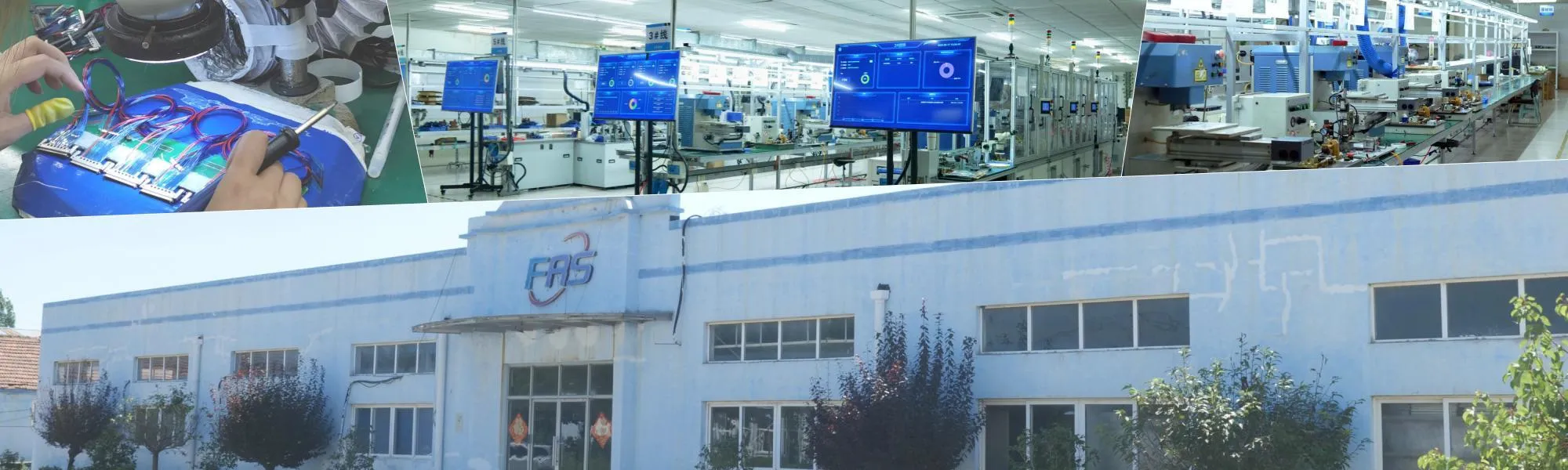
Micro Coaxial Cable factory-(FRS)

Coaxial Cable for Film Production Equipment - Micro Coaxial Cable factory-(FRS)

Micro Coaxial Cable factory-(FRS)


INFO

In film production, reliable signal transmission is key to capturing high-quality audio and video. Coaxial cables play a vital role here, but choosing the right one and using it properly can be tricky. This guide breaks down everything you need to know.

Why Coaxial Cables Matter in Film Sets

Coaxial cables excel at carrying high-frequency signals over long distances without interference—critical for connecting cameras, monitors, microphones, and broadcast gear on set. Unlike regular cables, their layered design (inner conductor, insulation, shield, and outer jacket) blocks noise from lights, generators, and other equipment, ensuring clean signals.

How to Choose the Right Coaxial Cable

  1. Check the Signal Type: For video (e.g., SDI), use RG-6 or RG-11 cables. For audio, RG-59 works well for shorter runs.
  2. Length Matters: Longer cables can weaken signals. For runs over 100 feet, opt for thicker cables like RG-11 to avoid signal loss.
  3. Durability: Film sets are tough. Choose cables with rugged jackets (e.g., PVC or rubber) to resist damage from being stepped on or dragged.
  4. Connectors: BNC connectors are standard for video, while RCA is common for audio. Ensure connectors are gold-plated for better conductivity.

Tips for Proper Installation and Maintenance

  • Avoid Sharp Bends: Bending cables too tightly can damage the shield and disrupt signals. Keep bends with a radius of at least 10 times the cable diameter.
  • Secure Cables: Use cable ties or tape to keep cables organized and prevent tripping hazards. Avoid pinching them under heavy equipment.
  • Regular Checks: Inspect cables for cuts, frayed ends, or loose connectors. Replace damaged cables immediately to prevent signal issues.
  • Store Correctly: Coil cables loosely (not too tight) when not in use to prevent internal damage. Keep them away from extreme heat or moisture.

Solving Common Coaxial Cable Problems

  • Signal Dropouts: Check for loose connectors or damaged shielding. Tighten connectors or replace the cable if needed.
  • Interference (Static or Noise): Ensure the cable shield is properly grounded. Move cables away from power lines or noisy equipment.
  • Poor Video Quality: Use a higher-grade cable (e.g., RG-6 instead of RG-59) for longer distances. Clean connectors with a dry cloth to remove dirt.

By selecting the right coaxial cable and following these tips, you can ensure seamless signal transmission on your film set, reducing downtime and improving production quality.

FAQ

NEWS

More Products

Our factory offers high-quality products at competitive prices
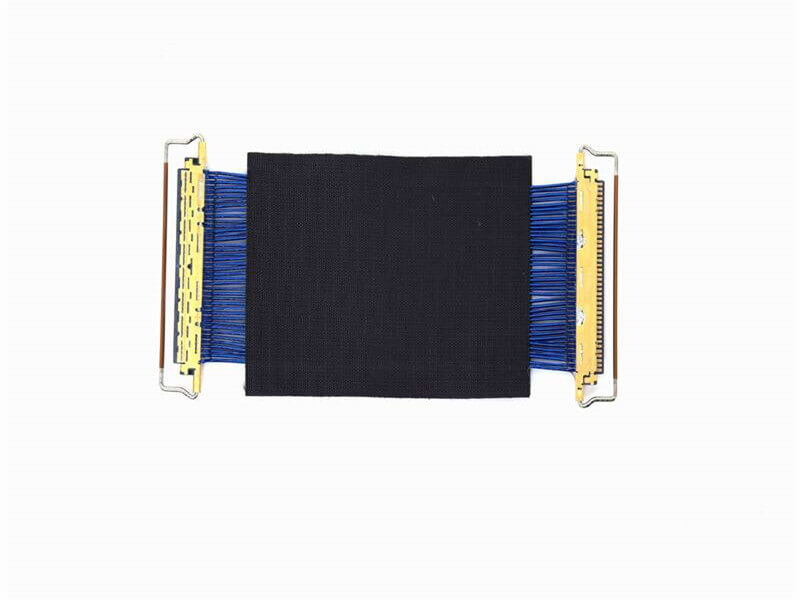
Micro Coaxial Cable

Micro Coaxial Cable

Micro Coaxial Cable: High-Quality Solutions for Precision Applications Micro coaxial cables are essential components in high-performance electronic applications, providing reliable signal transmission in compact and flexible designs. A.
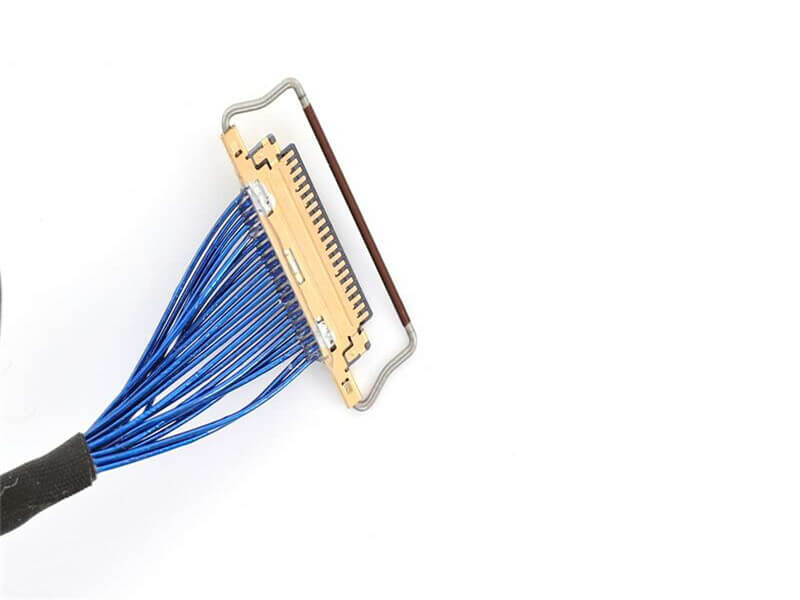
I-PEX Micro Coaxial Cable

I-PEX Micro Coaxial Cable

Overview of I-PEX Micro Coaxial Cable Connectors I-PEX is a global leader in micro coaxial cable solutions, specializing in high-performance IPEX micro coax connectors and micro coaxial cable assemblies. These products are designed for.

Contact Us Micro Coaxial Cable factory-(FRS).


Feel free to reach out to us for any inquiries or orders

Call Us

Have a question? Give us a call!

+8618818785005

Email Us

Send us an email and we'll get back to you soon.

sales@custom-cable-assemblies.com
       
Home Products Contact