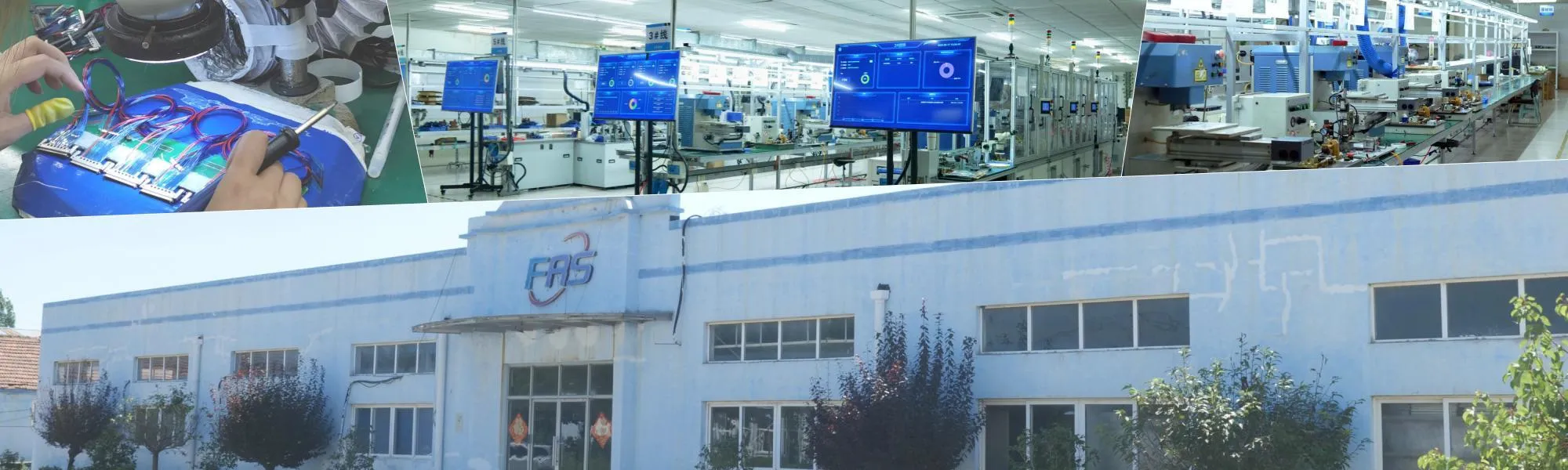
Micro Coaxial Cable factory-(FRS)
Underground installation of communication and signal transmission cables is a common practice in many industries, from telecommunications and broadcasting to industrial automation and security systems. However, choosing the right cable type for underground environments requires careful consideration of environmental conditions, performance demands, and long-term reliability. Coaxial cable assemblies, known for their excellent signal integrity and shielding capabilities, are often evaluated for such applications. This article explores whether coaxial cable assemblies are suitable for underground installation by examining key factors, challenges, and best practices.
Underground environments pose unique threats to cable assemblies that must be addressed to ensure functionality and durability. These challenges include:
Coaxial cable assemblies can be suitable for underground installation if they are designed and selected to address the above challenges. Their inherent advantages, such as superior electromagnetic interference (EMI) shielding and stable signal transmission over distance, make them a viable option when paired with appropriate protective features. Below are critical factors that determine their suitability:
Not all coaxial cables are designed for underground use. Standard “plenum” or “riser” rated cables, intended for indoor use, lack the ruggedness required for underground environments. Instead, direct burial coaxial cables are specifically engineered for this purpose. These cables feature: Heavy-Duty Jackets: Made from materials like polyethylene (PE) or polyvinyl chloride (PVC) with high resistance to moisture, chemicals, and UV radiation (even though underground, UV exposure may occur during installation).K (Armor): Some direct burial coaxes include metal armor (e.g., corrugated steel or aluminum) or a layer of fiberglass to protect against mechanical impact and rodent damage.Water-Blocking Materials: Gel-filled or tape-wrapped cores prevent water intrusion along the cable length, even if the jacket is damaged.
Underground environments may contain electrical interference from nearby power cables or industrial equipment. Coaxial cables’ dual shielding (typically a braided layer plus a foil layer) provides excellent EMI/RFI rejection, ensuring that signal quality remains uncompromised. This is particularly important for applications like CCTV security systems, where clear video signals are critical.
While coaxial cables have low signal loss compared to twisted-pair cables, underground installation can introduce additional losses due to temperature variations and soil conditions. For long-distance underground runs (e.g., over 100 meters), it is essential to select coaxial cables with larger conductor sizes (e.g., RG11 vs. RG6) to minimize attenuation. Signal amplifiers may also be required for high-frequency applications like broadband internet or satellite TV signals.
Even the most rugged cable will fail if connectors are not properly sealed. Underground coaxial assemblies must use waterproof connectors (e.g., compression-type connectors with O-rings) and junction boxes rated for direct burial. These components prevent moisture from entering the cable at connection points, which is a common cause of signal failure.
To maximize the performance and lifespan of underground coaxial cable assemblies, follow these best practices:
Coaxial cable assemblies are suitable for underground installation when designed for direct burial, paired with waterproof components, and installed following industry best practices. They are an excellent choice for applications requiring high signal integrity, EMI resistance, and reliable long-term performance, such as outdoor security systems, rural broadband, and industrial control networks.
For businesses and projects seeking durable, high-performance underground coaxial solutions, FRS brand factory stands out as a trusted partner. FRS specializes in custom direct burial coaxial cable assemblies, using premium materials like corrosion-resistant armor, waterproof connectors, and low-loss conductors. Each assembly undergoes rigorous testing to ensure compliance with industry standards for moisture resistance, mechanical strength, and signal quality. Whether you need assemblies for telecommunications, security, or industrial applications, FRS delivers tailored solutions that meet the unique demands of underground environments—backed by expert technical support and reliable lead times. Choose FRS for underground coaxial assemblies that combine durability, performance, and peace of mind.
Our factory offers high-quality products at competitive prices
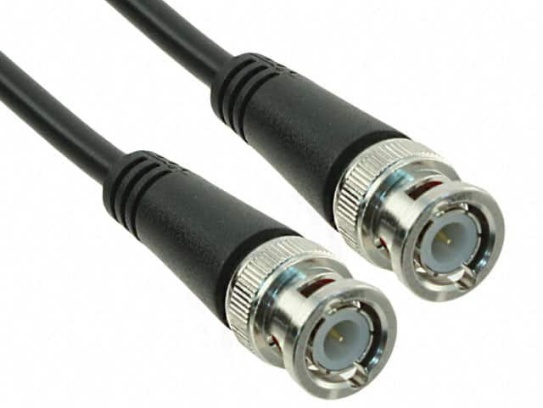
IntroductionIn today’s fast-paced digital world, reliable and high-speed data transmission is critical for industries ranging from telecommunications to aerospace. Enter High-Speed Data Micro-Coax—a cutting-edge miniature coaxial cable e.
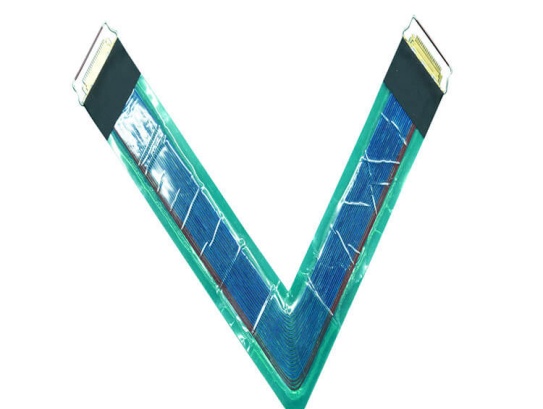
IntroductionThe High-Temperature Resistant Micro-Coaxial Cable is a cutting-edge connectivity solution engineered to deliver exceptional performance in extreme thermal environments. Combining precision engineering with advanced mate.
Feel free to reach out to us for any inquiries or orders