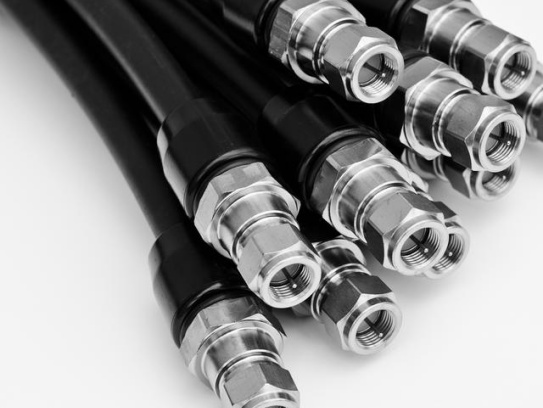
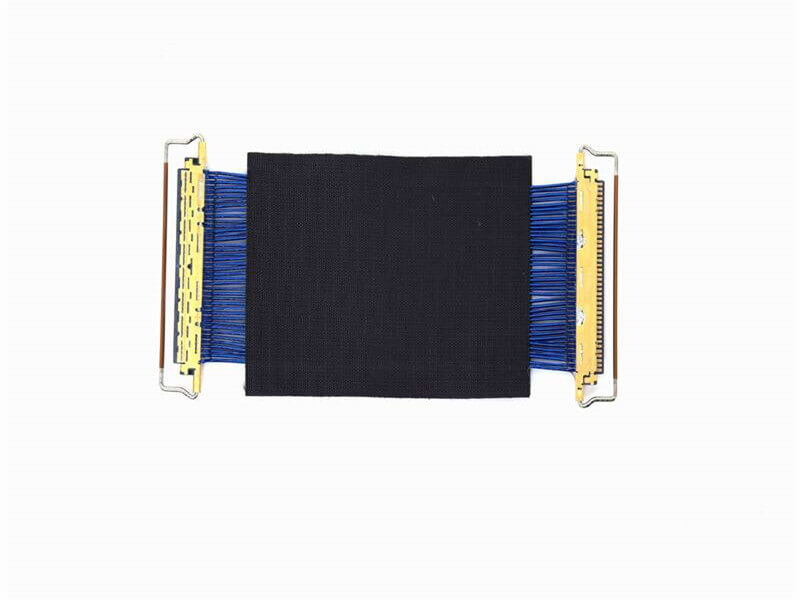
Microwave links play a pivotal role in modern communication systems, enabling high-speed data transmission across long distances without the need for physical fiber-optic cables or terrestrial wiring. From telecommunications networks and satellite communications to radar systems and industrial automation, these links depend heavily on components that can maintain signal integrity, minimize loss, and withstand diverse environmental conditions. Among these critical components, micro-coaxial cables stand out as a cornerstone, offering unique advantages that make them indispensable for microwave link applications.
Key Characteristics of Micro-Coaxial Cables for Microwave Links
Micro-coaxial cables, distinguished by their small diameter (typically ranging from 0.8mm to 3mm), are engineered to address the specific challenges of microwave frequency operations (usually between 1GHz and 100GHz). Their design incorporates several features that make them ideal for microwave links:
- Low Signal Attenuation: At microwave frequencies, signal loss can significantly degrade communication quality. Micro-coaxial cables use high-purity copper conductors and low-dielectric-constant insulators (such as PTFE or FEP) to minimize attenuation. This ensures that signals retain their strength even over the distances required in microwave link deployments, reducing the need for frequent signal amplification.
- Impedance Stability: Consistent impedance (typically 50Ω or 75Ω for most communication applications) is crucial to prevent signal reflection, which can cause interference and data errors. Micro-coaxial cables are manufactured with tight tolerances on conductor and insulator dimensions, ensuring stable impedance across the entire length of the cable and over the operating frequency range.
- Mechanical Flexibility and Durability: Many microwave link installations require cables to be routed in tight spaces or across moving parts (e.g., in satellite antennas or radar systems). Micro-coaxial cables’ small size and flexible jackets (often made of PVC, PE, or ruggedized materials like PFA) allow for easy installation while resisting wear, moisture, and temperature fluctuations. This durability ensures reliable performance in both indoor and outdoor environments, from harsh industrial settings to remote outdoor microwave towers.
- EMI Shielding: Microwave frequencies are highly susceptible to electromagnetic interference (EMI) from nearby electronic devices or other communication systems. Micro-coaxial cables feature a robust shielding layer (typically a braided copper shield or a combination of braid and foil) that blocks external EMI and prevents internal signals from radiating, ensuring signal clarity and reducing cross-talk between adjacent cables.
Critical Considerations for Selecting Micro-Coaxial Cables in Microwave Links
Choosing the right micro-coaxial cable for a microwave link application requires careful evaluation of several factors to ensure optimal performance and cost-effectiveness:
- Frequency Range Compatibility: Different micro-coaxial cables are designed to perform optimally within specific frequency bands. It is essential to select a cable that can handle the maximum frequency of the microwave link to avoid excessive signal loss or impedance mismatch. For example, cables used in 5G microwave backhaul (which operates at 24GHz–47GHz) must have lower attenuation at these higher frequencies than those used in lower-frequency radar systems.
- Environmental Conditions: Outdoor microwave links are exposed to rain, snow, UV radiation, and extreme temperatures, while indoor applications may face humidity or chemical exposure. Cables with weather-resistant jackets and UV-stabilized materials are necessary for outdoor use, while flame-retardant jackets may be required for indoor installations in compliance with safety standards.
- Power Handling Capacity: High-power microwave links (e.g., in broadcast or radar systems) require cables that can handle higher power levels without overheating or dielectric breakdown. The cable’s power rating, which depends on conductor size and insulator material, should be matched to the link’s power requirements.
- Installation Requirements: The cable’s flexibility, bend radius, and weight are important for installations in tight spaces or on moving components. A smaller bend radius allows for more versatile routing, while lightweight cables reduce strain on mounting structures (e.g., antenna booms).
Applications of Micro-Coaxial Cables in Microwave Link Systems
Micro-coaxial cables are used in a wide range of microwave link applications, each leveraging their unique properties:
- Telecommunications Backhaul: 5G and 6G networks rely on microwave backhaul links to connect remote cell towers to core networks. Micro-coaxial cables are used to connect antennas to transceivers, ensuring high-speed data transmission with minimal latency.
- Satellite Communications: Satellite dishes and ground stations use microwave links to send and receive signals. Micro-coaxial cables’ low attenuation and EMI shielding make them ideal for connecting satellite transponders to feed horns, even in the presence of strong cosmic or terrestrial interference.
- Radar Systems: Military, aviation, and weather radar systems operate at microwave frequencies to detect objects and measure distances. Micro-coaxial cables transmit high-frequency radar pulses between antennas and signal processors, requiring impedance stability and high power handling to maintain detection accuracy.
- Industrial Automation: In smart factories and industrial IoT (IIoT) systems, microwave links enable wireless communication between machines and control centers. Micro-coaxial cables are used in industrial microwave sensors and transceivers, where their durability and flexibility suit harsh manufacturing environments.
FRS: Your Trusted Partner for High-Quality Micro-Coaxial Cables
When it comes to micro-coaxial cables for microwave links, reliability and performance are non-negotiable. FRS, a leading manufacturer with years of expertise in communication cables, specializes in producing micro-coaxial cables tailored to the unique demands of microwave link applications. Our cables are crafted with high-purity copper conductors, low-loss insulators, and rugged shielding, ensuring low attenuation, impedance stability, and superior EMI resistance. Whether for telecommunications backhaul, satellite communications, or radar systems, FRS micro-coaxial cables undergo rigorous testing to meet international standards and withstand the harshest environmental conditions. Partner with FRS today to elevate your microwave link performance—where quality meets precision.