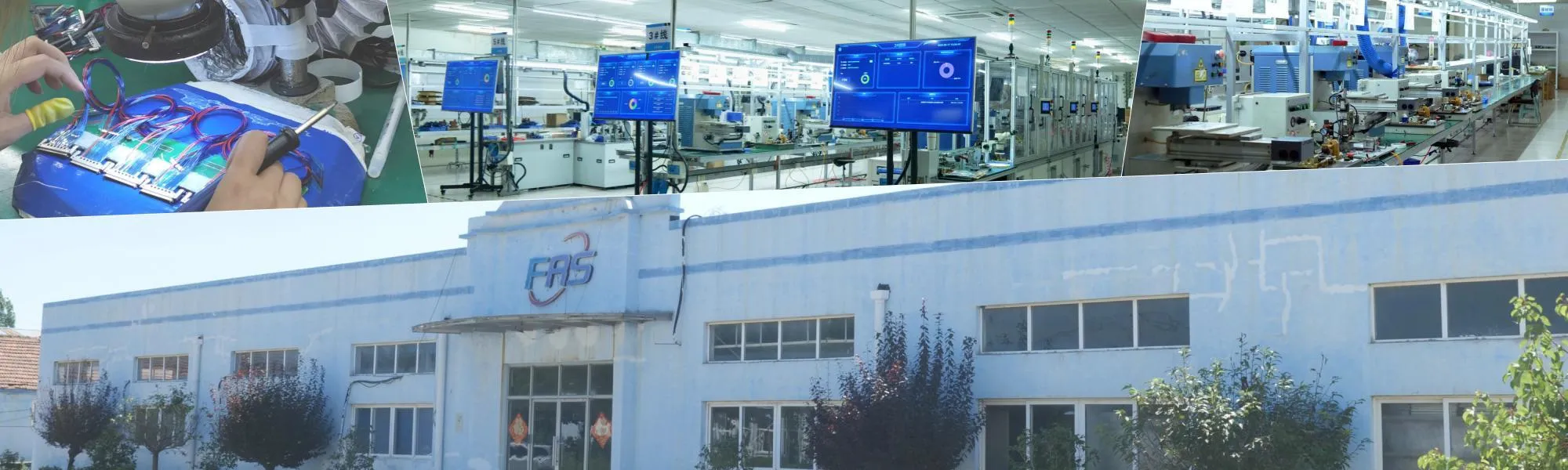
Micro Coaxial Cable factory-(FRS)
In numerous industries ranging from telecommunications and aerospace to renewable energy and outdoor surveillance, coaxial cable assemblies play a pivotal role in transmitting high-frequency signals with minimal loss. However, when these critical components are deployed in outdoor or exposed environments, they face a significant threat from ultraviolet (UV) radiation. This raises a pressing question for engineers, procurement managers, and industry professionals alike: Are Coaxial Cable Assemblies resistant to UV radiation? The answer is not a simple yes or no; instead, it depends on a variety of factors, including material composition, design, and manufacturing processes. In this comprehensive guide, we will delve into the relationship between coaxial cable assemblies and UV radiation, exploring the challenges, solutions, and why choosing UV-resistant coaxial cable assemblies is essential for long-term performance and reliability.
Ultraviolet radiation from the sun is a form of electromagnetic radiation with wavelengths shorter than visible light but longer than X-rays. It is divided into three categories: UVA (315–400 nm), UVB (280–315 nm), and UVC (100–280 nm). While UVC is mostly absorbed by the Earth’s ozone layer, UVA and UVB penetrate the atmosphere and can cause significant damage to materials over time. For coaxial cable assemblies, which consist of an inner conductor, dielectric insulator, outer conductor, and jacket, UV radiation primarily targets the outer jacket and, in some cases, the dielectric material.
When exposed to prolonged UV radiation, non-resistant coaxial cable assemblies can undergo a series of detrimental changes. The outer jacket, typically made of polymers like PVC (polyvinyl chloride) or standard polyethylene, can become brittle, cracked, or discolored. This degradation compromises the cable’s mechanical protection, allowing moisture, dust, and other contaminants to enter the assembly. Once contaminants infiltrate, the dielectric insulator—responsible for maintaining the cable’s impedance and signal integrity—can absorb moisture, leading to increased signal loss, impedance mismatch, and even complete signal failure. Additionally, UV radiation can accelerate the oxidation of the outer conductor, especially if it is made of copper or aluminum, resulting in corrosion that further degrades performance.
In industries such as solar energy, where coaxial cable assemblies are used to connect solar panels to inverters in outdoor settings, or in telecommunications, where cables are strung between poles or mounted on rooftops, UV degradation can lead to costly downtime, frequent replacements, and compromised system efficiency. For example, a cracked jacket on a coaxial cable in a solar farm could allow water to seep in, causing a short circuit and reducing the energy output of the entire array. Similarly, in aerospace applications, where cables are exposed to both UV radiation and extreme temperature fluctuations, UV resistance is critical to ensuring the safety and reliability of communication and navigation systems.
The UV resistance of coaxial cable assemblies is determined by several key factors, with material selection being the most fundamental. Let’s take a closer look at each of these factors:
The outer jacket is the first line of defense against UV radiation, so choosing the right material is paramount. Standard materials like PVC and low-density polyethylene (LDPE) offer limited UV resistance and are prone to degradation when exposed to sunlight for extended periods. In contrast, high-performance polymers such as cross-linked polyethylene (XLPE), ethylene propylene diene monomer (EPDM), and fluoropolymers (e.g., PTFE, FEP) are inherently more resistant to UV radiation. Cross-linking the polyethylene molecules creates a more stable structure that is less susceptible to UV-induced breakdown, while EPDM’s chemical composition provides excellent weathering and UV resistance. Fluoropolymers, known for their high-temperature resistance and chemical inertness, also offer superior UV stability, making them ideal for harsh outdoor environments.
Even with UV-resistant base materials, manufacturers often incorporate additives and stabilizers to enhance the UV resistance of coaxial cable assemblies. These include UV absorbers, which absorb UV radiation and convert it into harmless heat; hindered amine light stabilizers (HALS), which scavenge free radicals generated by UV exposure and prevent chain degradation; and antioxidants, which slow down the oxidation process. The type and concentration of these additives play a crucial role in determining the cable’s service life under UV exposure. For example, a cable jacket treated with a high-quality HALS additive can retain its flexibility and mechanical properties for 10–20 years in outdoor environments, compared to just 1–3 years for an untreated jacket.
The design and construction of coaxial cable assemblies also impact their UV resistance. A thicker jacket provides more material to absorb and dissipate UV radiation, offering better protection than a thin jacket. Additionally, some manufacturers use a dual-layer jacket design, where an inner layer provides mechanical strength and an outer layer is specifically formulated for UV resistance. The way the cable is terminated—with connectors that have UV-resistant housings—also contributes to overall assembly performance. Poorly terminated cables, where the jacket is stripped too far or the connector is not properly sealed, can create entry points for UV radiation and moisture, accelerating degradation.
The manufacturing processes used to produce coaxial cable assemblies can affect their UV resistance. For example, the cross-linking process for XLPE jackets must be carefully controlled to ensure uniform cross-linking, which maximizes UV stability. Similarly, the extrusion process for applying the jacket must be precise to avoid air bubbles, voids, or thin spots that could become weak points under UV exposure. Quality control measures, such as testing samples for UV resistance in accelerated weathering chambers, are essential to ensuring that the final product meets industry standards for UV performance.
To ensure that coaxial cable assemblies meet the required UV resistance standards, manufacturers subject them to rigorous testing. The most common test method is accelerated UV weathering, which simulates years of outdoor exposure in a controlled laboratory environment. One widely recognized standard for this testing is ASTM G154, which specifies the use of a fluorescent UV lamp to expose samples to cycles of UV radiation and condensation. During the test, samples are monitored for changes in appearance (e.g., discoloration, cracking), mechanical properties (e.g., tensile strength, elongation at break), and electrical performance (e.g., signal loss, impedance).
Another important standard is ISO 4892-3, which outlines methods for testing plastics under simulated solar radiation. Cables that pass these tests are certified to have a certain level of UV resistance, typically specified as a minimum service life in outdoor environments. For example, a cable assembly certified to ASTM G154 with 1000 hours of exposure (equivalent to approximately 5–7 years of outdoor use in most climates) would be considered suitable for applications where long-term UV exposure is expected.
In addition to UV resistance testing, coaxial cable assemblies may also undergo other environmental tests, such as temperature cycling, humidity resistance, and salt spray testing, to ensure they can withstand the full range of outdoor conditions. These tests are particularly important for applications in coastal areas, where salt spray can accelerate corrosion, or in desert regions, where extreme temperature fluctuations and high UV levels are common.
UV-resistant coaxial cable assemblies are essential in a wide range of industries and applications. Here are some of the most common uses:
When it comes to selecting UV-resistant coaxial cable assemblies that deliver exceptional performance, reliability, and durability, FRS stands out as a trusted and innovative manufacturer. With years of experience in the design and production of high-quality coaxial cable assemblies, FRS is committed to meeting the unique needs of customers across a wide range of industries.
At FRS, we understand that UV resistance is not just an added feature but a critical requirement for many applications. That’s why we use only the highest-quality materials in our cable assemblies, including UV-resistant jackets made of XLPE, EPDM, and fluoropolymers, and incorporate premium additives and stabilizers to maximize UV stability. Our manufacturing processes are precision-controlled, with strict quality control measures at every stage to ensure uniform jacket thickness, proper cross-linking, and defect-free construction.
All FRS coaxial cable assemblies undergo rigorous testing in accordance with ASTM G154, ISO 4892-3, and other industry standards to verify their UV resistance and overall environmental performance. We also offer custom solutions tailored to the specific needs of our customers, whether it’s a unique jacket material, a specialized connector, or a custom length. Our team of experienced engineers works closely with customers to understand their application requirements and design cable assemblies that meet or exceed their expectations.
In addition to UV resistance, FRS coaxial cable assemblies are designed to deliver superior electrical performance, with low signal loss, consistent impedance, and excellent shielding to minimize interference. We also prioritize durability, ensuring that our cables can withstand not just UV radiation but also extreme temperatures, moisture, salt spray, and mechanical stress.
Whether you’re working on a solar energy project, a telecommunications network, an aerospace application, or any other outdoor or exposed system, FRS has the UV-resistant coaxial cable assemblies you need. With our commitment to quality, innovation, and customer satisfaction, FRS is your reliable partner for all your coaxial cable assembly needs. Choose FRS, and experience the difference that high-quality, UV-resistant cables can make in the performance and longevity of your systems.
Our factory offers high-quality products at competitive prices
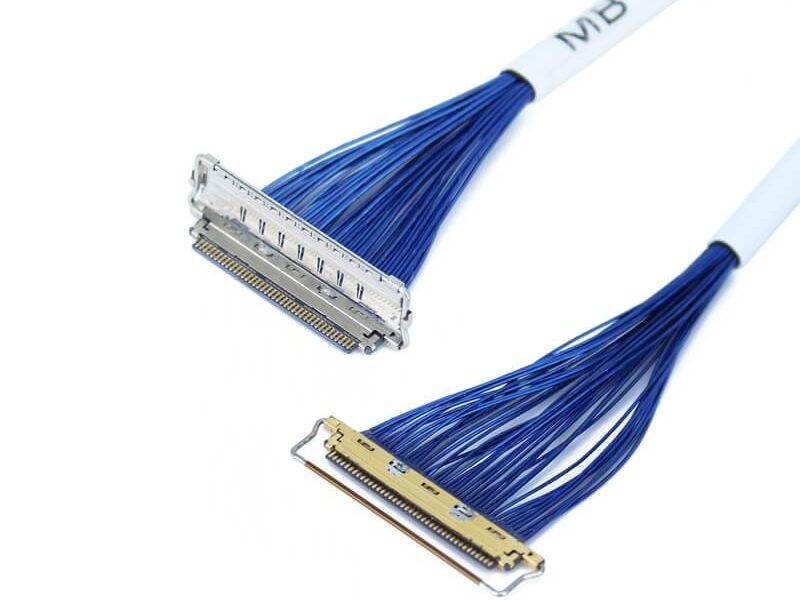
In LVDS (Low Voltage Differential Signaling) display systems, Micro-coaxial Cable (also referred to as Micro Coax Cable) stands out as an optimal solution for high-resolution, high-reliability signal transmission. Designed to meet the str.
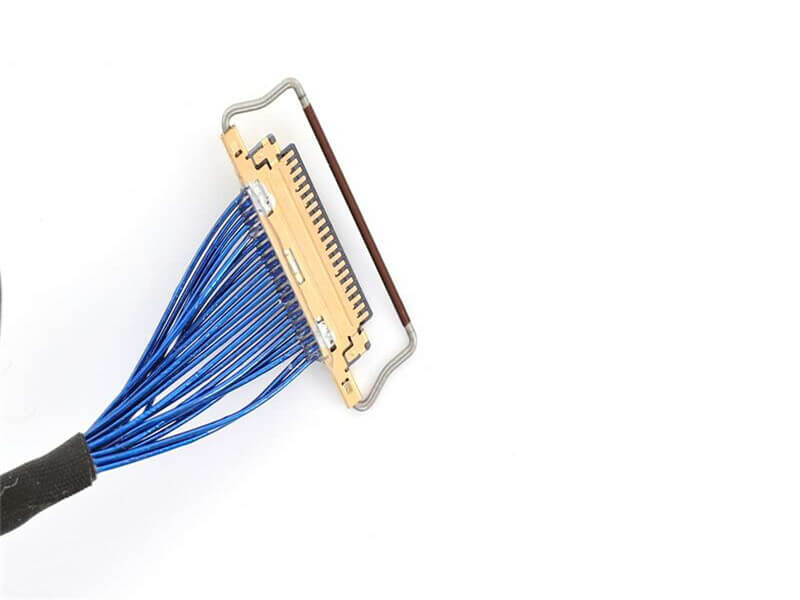
Overview of I-PEX Micro Coaxial Cable Connectors I-PEX is a global leader in micro coaxial cable solutions, specializing in high-performance IPEX micro coax connectors and micro coaxial cable assemblies. These products are designed for.
Feel free to reach out to us for any inquiries or orders