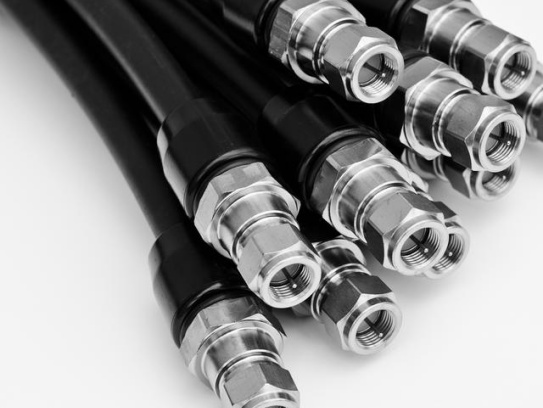
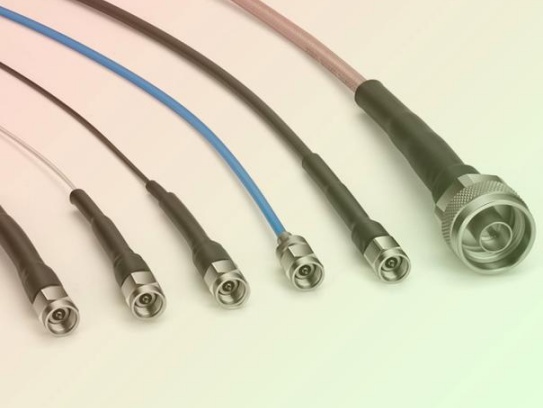
Micro coaxial cable assemblies are vital for high-frequency signal transmission in devices like smartphones, medical imaging equipment, automotive radar, and 5G test gear. However, obtaining a precise price quotation online can be challenging due to the numerous variables involved.
This guide explains the key factors influencing micro coaxial cable prices and provides a step-by-step approach to getting an accurate online quote quickly.
Key Factors Affecting Micro Coaxial Cable Prices
- Cable Specifications
- Impedance: 50 Ω (RF/antenna) vs. 75 Ω (video/broadcast). Mismatched impedance can cause signal reflection and loss.
- Conductor: Bare copper vs. tinned copper vs. silver-plated copper. Silver-plated offers better conductivity for high-frequency signals but at a higher cost.
- Insulation & Jacket: Common materials include PTFE, FEP, and PE. High-temperature-resistant (150–200 °C) fluoropolymers like PTFE/FEP are more expensive.
- Diameter & AWG: Smaller diameters (e.g., 0.4–1.13 mm) with finer AWG (e.g., 44–40) are costlier due to complex manufacturing.
- Shielding: Single vs. double shielding. More shielding layers improve performance but increase cost and stiffness.
- Connector Type and Plating
- Common Series: SMA, U.FL, IPEX/MHF, MMCX, MCX.
- Connector Cost: U.FL/IPEX connectors are cheaper than SMA or precision RF connectors.
- Plating: Gold-plated contacts are standard for reliable high-frequency performance but cost more than tin-plated ones.
- Cable Assembly Process
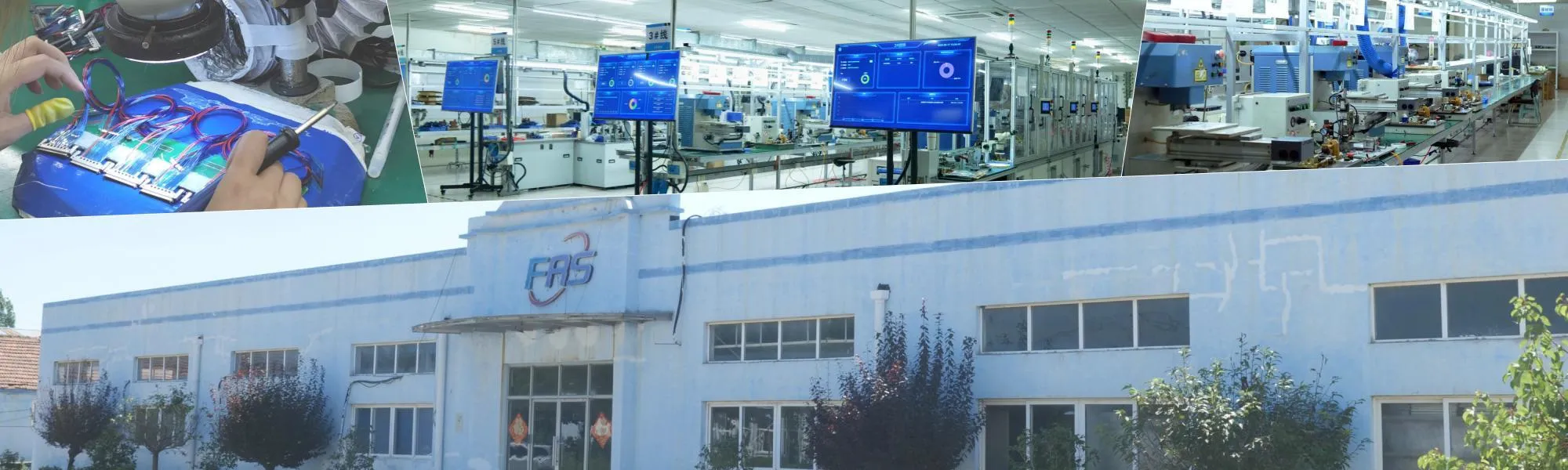
- Labor & Complexity: Labor-intensive processes like micro-coaxial welding for LVDS/RF jumpers increase costs.
- Automation: Automated high-precision welding and inspection systems can reduce per-unit costs for large volumes.
- Order Quantity (MOQ)
- Pricing Tiers: Prices are significantly lower at higher volumes (e.g., 1k, 5k, 10k pieces) due to economies of scale.
- Small Orders: For prototyping, expect a higher per-unit cost to cover setup and non-recurring engineering (NRE) expenses.
- Testing and Certification
- Basic Tests: Continuity and simple hipot tests are often included.
- Advanced Tests: For critical applications, tests like impedance, VSWR, insertion loss, and shielding effectiveness are necessary and add to the cost.
- Certifications: Compliance with RoHS, REACH, UL, or ISO standards may be required, impacting the price.
- Lead Time and Service
- Standard vs. Expedited: Standard lead times are typically 7–15 days, while expedited service incurs a premium.
- Value-Added Services: Services like 3D modeling, FAI reports, or 18-month quality traceability may be included in the quote.
How to Prepare for an Accurate Online Quote
To get a precise quote, provide detailed specifications. Vague requests like “RF cable 20cm” often lead to back-and-forth communication and delays.
- Define the Application
- Purpose: e.g., 5G test cable, medical ultrasound, automotive radar, or CCTV.
- Environment: Indoor, outdoor, high-temperature, or high-vibration. This determines the required cable jacket and shielding.
- Specify Electrical Requirements
- Impedance: 50 Ω or 75 Ω.
- Frequency Range: e.g., DC–6 GHz, 8–12 GHz.
- Performance Needs: Specify if you need test reports for insertion loss or VSWR.
- Detail the Cable
- Manufacturer/Part No.: If you have a preferred brand (e.g., Hirose, I-PEX, Zhenjiang Voton).
- Construction: Provide the cable’s outer diameter (OD), such as 1.13 mm or 0.81 mm.
- Materials: Specify requirements for the conductor, dielectric, and jacket (e.g., “Silver-plated copper, PTFE, FEP jacket”).
- Choose the Connectors
- Type: SMA, RP-SMA, U.FL, IPEX, MHF4, MCX, etc.
- Gender & Mounting: Straight/right-angle, bulkhead, PCB mount, or cable mount.
- Plating: Gold-plated is standard for RF; specify if tin-plating is acceptable.
- Provide the Assembly Drawing
- A simple sketch with overall length, connector positions, and any labels is extremely helpful.
- For LVDS or display cables, specify the pitch (e.g., 0.4 mm, 0.5 mm) and pin count (e.g., 30-pin, 40-pin).
- State the Order Quantity
- Provide both the prototype quantity (e.g., 5–50 pcs) and the expected mass-production volume (e.g., 3k–10k pcs).
- Clarify Testing & Packaging
- Testing: Request a test report or sample inspection for the first article (FAI).
- Packaging: Specify tape & reel, anti-static bags, or custom trays.
- Set the Timeline and Budget
- Indicate your target delivery date and desired price range. This helps the supplier propose the most suitable options.
How to Get an Instant Quote Online
- Use a Manufacturer’s Online Form
- Many Chinese manufacturers have forms where you can fill in specifications and upload a drawing to get a same-day quote.
- Leverage B2B Marketplaces
- Platforms like Alibaba allow you to send detailed RFQs to multiple suppliers simultaneously, which is efficient for comparison shopping.
- Work with a Local Agent
- For businesses in Europe or the US, a local agent can handle communication, sample logistics, and ensure quality control, often simplifying the quoting process.
- Request a Detailed Quote Sheet
- A professional quote should break down the unit price, tooling/mold fees, NRE costs, testing charges, and payment terms. This transparency helps in making informed decisions.
Practical Example: RF Jumper Cable Quote
Imagine you need a 200 mm RF jumper for a 5G test fixture.
- Application: 5G device testing (DC–6 GHz).
- Cable: 1.13 mm micro coax, 50 Ω, low loss.
- Connectors: SMA male (PCB) to U.FL (cable), gold-plated.
- Quantity: 10 pcs for testing, with a potential volume of 2k pcs later.
A supplier might provide a quote like this:
- Prototype Cost (10 pcs): 25–35 total (2.50–3.50 per piece), including NRE.
- Mass-Production Cost (2k pcs): 1.20–1.60 per piece, with a lower per-unit price for 5k+ orders.
This transparent breakdown allows you to evaluate both the prototyping cost and the long-term unit price.
Quick Checklist for Requesting a Quote
Before you click “Send,” ensure your RFQ includes:
- [ ] Application and operating environment
- [ ] Required impedance (50 Ω / 75 Ω)
- [ ] Frequency range and performance needs
- [ ] Cable part number or full construction specs
- [ ] Connector types, genders, and plating
- [ ] Exact length(s) and cable assembly drawing
- [ ] Required quantity (prototype and mass production)
- [ ] Testing, certification, and packaging requirements
- [ ] Your target delivery date and budget