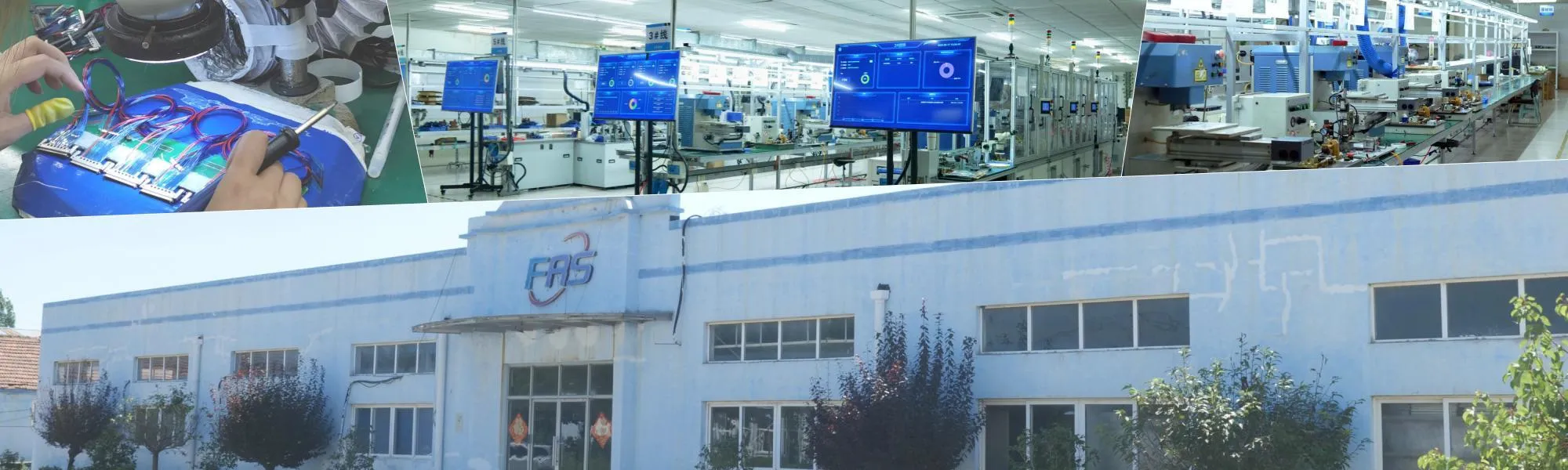
Micro Coaxial Cable factory-(FRS)
Modern vehicles are evolving into complex networks of sensors and high-speed data links. At the heart of this transformation is the anti-interference micro coaxial cable, a critical component for ensuring the reliable operation of Advanced Driver Assistance Systems (ADAS). This article explores the stringent demands of this application and why a RoHS/REACH-compliant solution is essential for the global automotive market.
ADAS relies on a multitude of sensors—cameras, radars, LiDAR, and ultrasonic sensors—to perceive the vehicle’s environment. These sensors generate massive amounts of high-frequency data that must be transmitted to central ECUs with minimal latency and maximum reliability.
Micro coaxial cables are the preferred interconnect for many of these links due to their ability to maintain signal integrity at high frequencies (GHz range) within the tight spatial constraints of a vehicle. A modern car can contain over a hundred meters of coaxial cable, with a single LiDAR unit alone requiring up to 18–24 individual micro-coaxial connections for precise time-of-flight measurements.
As vehicles progress towards higher levels of autonomy, the demand for high-bandwidth, low-latency, and interference-resistant cabling like micro coax will only intensify.
The automotive environment is a harsh electromagnetic arena, filled with noise from:
Consequences of Signal Degradation:
Key Anti-Interference Design Elements:
ADAS cables must withstand extreme conditions, from summer heat in closed cabins to winter cold and road splash. Key material choices include:
These robust constructions ensure the cable can endure vibration, thermal cycling, and long-term flexing without degradation.
For a cable to be viable in the global automotive market, it must comply with key environmental regulations:
Compliance is not optional; it is a fundamental requirement for Tier 1 suppliers and OEMs. Non-compliant cables can be rejected at borders, causing costly project delays and reputational damage. A truly global solution must be designed with these regulations in mind from the outset, using fully characterized, compliant material systems.
When selecting an anti-interference micro coaxial cable, engineers should evaluate the following parameters:
Designing and manufacturing high-performance micro coaxial cables for ADAS is complex, requiring deep expertise in RF engineering, materials science, and automotive-grade quality systems. This is where a specialized partner like FRSbecomes invaluable.
FRS is a professional cable manufacturer with extensive experience in providing high-performance cable solutions to global automotive and industrial clients. Our core strengths align perfectly with the demands of the ADAS market:
The shift towards safer, smarter vehicles hinges on the performance of every component, especially the cables that connect them. An anti-interference micro coaxial cablethat combines precision RF design, robust mechanical construction, and full global regulatory compliance is no longer a luxury—it is a necessity.
By partnering with an experienced manufacturer like FRS, you gain more than just a supplier; you gain a development partner committed to your success. We help you navigate the complexities of ADAS interconnect design, ensuring your vehicles deliver the safety and performance that drivers demand.
Let FRS be your trusted partner for high-performance, RoHS/REACH-compliant micro coaxial cable solutions for automotive ADAS.
Our factory offers high-quality products at competitive prices
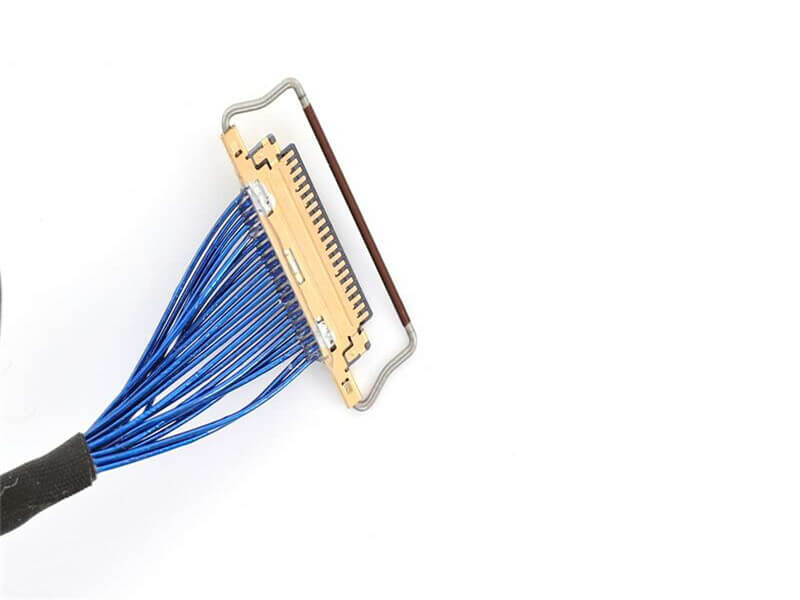
Overview of I-PEX Micro Coaxial Cable Connectors I-PEX is a global leader in micro coaxial cable solutions, specializing in high-performance IPEX micro coax connectors and micro coaxial cable assemblies. These products are designed for.
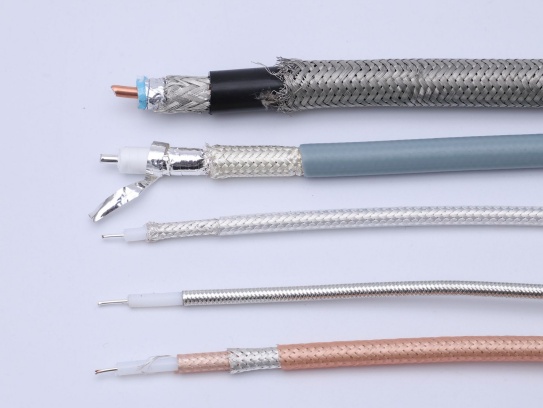
Meta Description: Discover premium RF micro coaxial cables engineered for high-frequency signal transmission in compact devices. Explore specs, applications, and benefits for telecom, medical, and aerospace industries. .
Feel free to reach out to us for any inquiries or orders