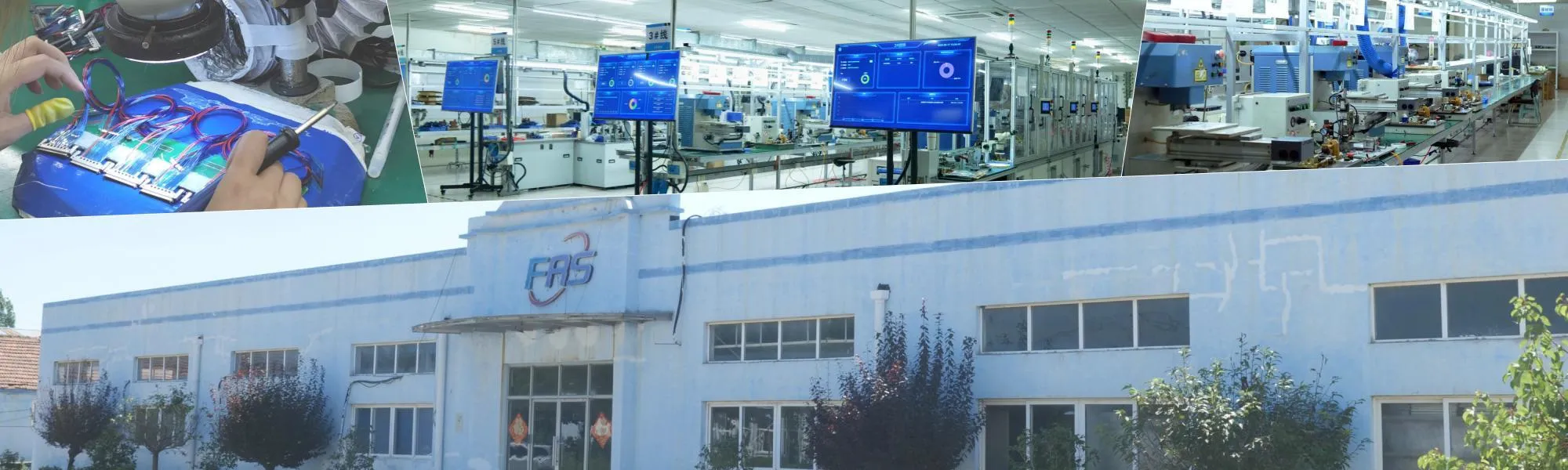
Micro Coaxial Cable factory-(FRS)
Embedded camera systems are the backbone of modern industries—from automotive ADAS and industrial machine vision to medical endoscopes and consumer electronics. At the core of these compact, high-performance systems lies a critical component: the micro coaxial cable. Unlike standard coaxial cables, micro coaxial cables for embedded camera systems are engineered to deliver high-speed, low-interference signal transmission in the tightest spaces, making them indispensable for embedded camera applications. This guide is tailored for B2B buyers, engineers, and procurement professionals, covering everything you need to know about micro coaxial cable for embedded camera system—from technical specifications and real-world applications to key comparisons, common pitfalls, and how to choose the right supplier.
A micro coaxial cable (also known as micro coax) is a miniaturized coaxial cable designed for high-frequency, low-loss signal transmission in space-constrained devices like embedded cameras. For embedded camera system applications, micro coax features an ultra-slim design—typically with an outer diameter (O.D.) of 0.3mm to 1.2mm—and a precision-engineered structure that balances flexibility, shielding, and signal integrity. These traits are critical for embedded camera systems that require reliable image data transfer in compact environments, so choosing the right micro coaxial cable for embedded camera system is key to ensuring optimal performance and device longevity.
The performance of a micro coaxial cable for embedded cameras depends on its layered structure, with each component optimized for signal stability and durability—key factors to consider when selecting a micro coaxial cable for embedded camera system.
Embedded camera systems differ from standard cameras—they are compact, often mounted in tight spaces, and require consistent, high-speed signal transmission to deliver clear images. Micro coaxial cables for embedded camera systems address these unique needs, offering three key advantages that make them superior to alternative wiring solutions (e.g., FPC, twisted pair) for embedded camera applications.
Modern embedded cameras (e.g., 4K industrial cameras, automotive ADAS cameras) transmit high-bandwidth signals via MIPI CSI-2, C-PHY, or D-PHY protocols, which demand precise impedance control (typically 50Ω or 100Ω differential). A high-quality micro coaxial cable for embedded camera system maintains constant impedance across its length, minimizing signal reflection and jitter—issues that cause image distortion, lag, or data loss. Unlike FPC cables, which suffer from impedance inconsistency when bent, micro coax for embedded camera systems retains signal integrity even in tight bends.
Embedded cameras are often integrated into small devices (e.g., medical endoscopes, mini drones, smartphone modules) where space is at a premium. The ultra-slim profile (as thin as 0.3mm) of a micro coaxial cable for embedded camera system allows it to fit into narrow gaps between camera sensors and mainboards, while its high flexibility enables routing around hinges, moving parts, or complex device structures without breaking—critical for applications like foldable device cameras or robotic vision systems.
Embedded cameras in industrial, automotive, or medical settings operate alongside other electronic components that generate EMI (e.g., motors, power supplies, wireless modules). A micro coaxial cable for embedded camera system features a full shielding layer that blocks external interference and prevents signal leakage, ensuring clear image transmission even in harsh electromagnetic environments. This is a key advantage over unshielded FPC cables, which are prone to signal distortion from EMI—making micro coaxial cables the better choice for noisy embedded camera system applications.
B2B buyers often face the choice between micro coaxial cables, FPC (Flexible Printed Circuit) cables, and twisted-pair cables for embedded camera systems. Below is a detailed comparison to help you make the right decision when selecting a wiring solution for your system—with a focus on why micro coaxial cable for embedded camera system stands out.
| Feature | Micro Coaxial Cable | FPC Cable | Twisted-Pair Cable |
|---|---|---|---|
| Signal Integrity (High-Frequency) | Excellent (low loss, stable impedance up to 10Gbps) | Poor (impedance inconsistency when bent) | Average (prone to crosstalk) |
| EMI Shielding | Superior (full braided/foil shielding) | Weak (limited or no shielding) | Moderate (depends on shielding layer) |
| Flexibility & Bend Resistance | High (withstands repeated bending, small bend radius) | Low (prone to fatigue and breakage) | Moderate (less flexible than micro coax) |
| Space Efficiency | High (ultra-slim diameter: 0.3–1.2mm) | High (thin, but less flexible) | Low (bulkier, requires more routing space) |
| Ideal Applications | 4K embedded cameras, ADAS, drones, medical endoscopes | Low-resolution cameras, static mounting (e.g., basic security cams) | Long-distance, low-frequency camera connections |
Micro coaxial cables for embedded camera systems are used across industries where embedded cameras require reliable, high-performance signal transmission. Below are the most common B2B applications, with insights into how a quality micro coaxial cable solves key challenges for embedded camera system performance.
Advanced Driver Assistance Systems (ADAS) rely on embedded cameras (e.g., front-facing, side-view, rear-view) to deliver real-time image data for features like lane departure warning, automatic emergency braking, and adaptive cruise control. A micro coaxial cable for embedded camera system is ideal here: it withstands extreme temperatures (-40°C to +105°C), resists vibration, and provides EMI shielding against the car’s electrical system. It also fits into the tight spaces of automotive camera modules, ensuring reliable signal transmission at high speeds (up to 5Gbps).
Industrial embedded cameras are used for quality control, robotics, and automated inspection. These cameras operate in noisy industrial environments (with motors, inverters, and other EMI sources) and require high-resolution image transmission. A micro coaxial cable for embedded camera system’s shielding blocks interference, while its flexibility allows routing around robotic arms and machinery. It also supports high-speed MIPI signals, ensuring clear images for precise inspection tasks.
Medical devices like endoscopes, laparoscopes, and surgical cameras use tiny embedded cameras to capture internal images. A micro coaxial cable for embedded camera system is biocompatible, ultra-slim, and flexible—critical for navigating the human body. Its low signal loss ensures high-definition images, while its shielding prevents interference from medical equipment (e.g., MRI machines).
Smartphones, tablets, mini drones, and AR/VR devices feature compact embedded cameras. A micro coaxial cable for embedded camera system fits into the slim designs of these devices, delivering high-speed signals for 4K video, facial recognition, and AR tracking. Its flexibility allows routing around foldable screens and moving parts (e.g., drone gimbals) without performance degradation.
Selecting the right micro coaxial cable for embedded camera system is critical to avoiding performance issues and costly rework. Follow these key steps to make an informed decision when sourcing your cable.
Many B2B buyers make costly mistakes when sourcing a micro coaxial cable for embedded camera system. Here are the most common pitfalls and how to avoid them, ensuring your embedded camera system performs optimally.
When it comes to sourcing high-quality, reliable micro coaxial cable for embedded camera system, FRS Factory stands out as a leading B2B manufacturer with decades of experience in precision cable assembly. We understand the unique demands of embedded camera system applications—from automotive ADAS to medical devices—and engineer our micro coaxial cables to deliver exceptional performance, durability, and value.
At FRS Factory, we offer fully customizable micro coaxial cable for embedded camera system tailored to your specific requirements: we support cable diameters from 0.3mm to 1.2mm, impedance options (50Ω/100Ω), double-layer shielding (foil + braid), and compatibility with all major micro connectors (I-PEX, Hirose, JAE, Molex, etc.). Our cables undergo 100% electrical performance testing to ensure low insertion loss, stable impedance, and superior EMI shielding, and we hold certifications including ISO 9001, IATF 16949, RoHS, and UL—meeting the strict standards of automotive, industrial, and medical industries.
What sets FRS Factory apart? We combine advanced manufacturing technology (precision extrusion, high-density braiding) with competitive pricing, short lead times (7–14 days), and flexible MOQs (minimum order quantity starting at 1000 pieces), making us the ideal partner for B2B buyers, engineers, and procurement teams worldwide seeking a reliable micro coaxial cable for embedded camera system. Whether you need standard cables or custom solutions for unique applications, our team of experts will work with you to deliver products that meet your exact specifications—on time and on budget.
For reliable, high-performance micro coaxial cable for embedded camera system that powers your devices, choose FRS Factory. Contact us today to discuss your requirements and get a customized quote.
Contact Us Right Now:
E-MAIL: sales@custom-cable-assemblies.com
Our factory offers high-quality products at competitive prices
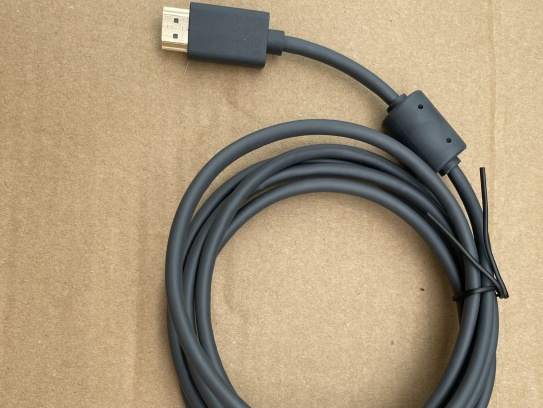
OverviewMicro-Coax for HD Video is a cutting-edge coaxial cable engineered to deliver uncompromised high-definition video quality across professional and industrial applications. Designed for reliability, precision, and versatility,.
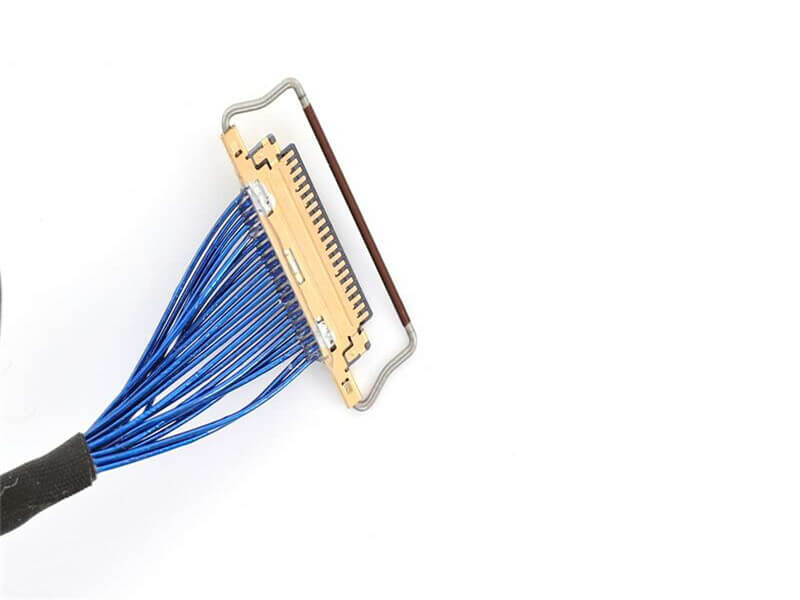
Overview of I-PEX Micro Coaxial Cable Connectors I-PEX is a global leader in micro coaxial cable solutions, specializing in high-performance IPEX micro coax connectors and micro coaxial cable assemblies. These products are designed for.
Feel free to reach out to us for any inquiries or orders