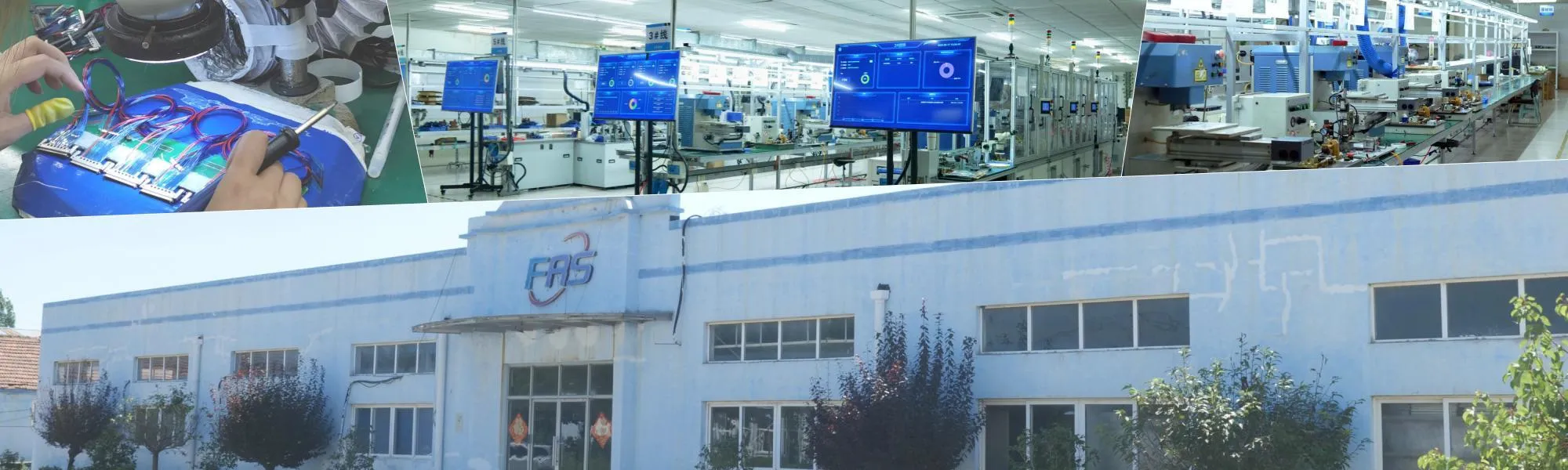
Micro Coaxial Cable factory-(FRS)
The short answer is yes. As the automotive industry transitions from simple sensors to high-definition perception systems, Micro Coaxial Cable (Micro Coax) has evolved from a niche component into a mission-critical backbone for SerDes (Serializer/Deserializer) architectures.
With the rise of 4K/8K cameras, LiDAR, and high-resolution infotainment, the demand for bandwidth has skyrocketed. Traditional wiring struggles to keep pace with the electromagnetic noise and data hunger of modern vehicles. This guide breaks down why Micro Coax is the preferred solution for automotive SerDes, where to use it, and how to avoid costly implementation errors.
In automotive engineering, “Micro Coaxial Cable” refers to ultra-thin coaxial cables (typically 0.3mm to 1.0mm in diameter) designed specifically for high-frequency signal transmission. Unlike bulky traditional coaxial cables, these are engineered to fit into the tight confines of side-view mirrors, door panels, and compact ECUs .
When paired with SerDes technology, the goal is simple: transmit massive amounts of raw data (video, radar points, point clouds) over a single cable with extreme low latency and zero compression artifacts.
To ensure your SerDes link doesn’t fail during EMC testing, you must look beyond basic wire gauges. Here are the critical specs for automotive Micro Coax:
| Parameter | Typical Spec Range | Why It Matters for SerDes |
|---|---|---|
| Impedance | 50Ω(Standard) | Ensures maximum power transfer and minimizes signal reflection. |
| Attenuation | < 1.5 dB/m @ 1 GHz | Determines the maximum cable length before signal degradation occurs. |
| Operating Temp | -40°C to +105°C/+125°C | Essential for under-hood or direct-sunlight exposure areas. |
| Shielding Eff. | > 70 dB | Crucial for rejecting noise from EV powertrains and ignition systems. |
| Bend Radius | 3x – 5x Cable Diameter | Prevents internal damage during installation in tight spaces. |
Micro Coax isn’t just for “connecting things”; it is the enabler for safety-critical and high-comfort features.
Modern ADAS requires 2MP to 8MP cameras. Micro Coax supports the high bandwidth needed for uncompressed video streams from side mirrors or grille-mounted cameras, ensuring clear images for object detection algorithms .
As instrument clusters merge with central consoles, data rates hit 10Gbps+. Micro Coax provides the necessary bandwidth for 4K video while keeping EMI low enough not to interfere with nearby GPS or cellular antennas .
LiDAR generates massive point-cloud data. Micro Coax offers the precise impedance control required to maintain signal integrity between the rotating sensor head and the stationary processing unit .
When fusing data from multiple sensors (Camera + Radar), timing is everything. The low latency of coaxial physical layers ensures synchronous data arrival at the domain controller .
While STP (Shielded Twisted Pair) is cheaper, Micro Coax often wins on performance. Here is the practical breakdown:
Selecting the right cable is only half the battle. Poor installation ruins performance. Follow these rules:
Micro Coax is fragile. Never bend tighter than 3x the cable diameter.A kinked cable changes the impedance locally, creating a “bottleneck” that reflects signals back to the source, causing data corruption .
The shield mustbe grounded at both ends (Source and Sink) to drain induced currents. Ensure your connectors (like FAKRA or Mini-FAKRA) make full 360-degree contact with the cable shield .
Even with excellent shielding, keep high-speed data cables at least 50mm awayfrom high-current power cables (e.g., battery feeds, motor phases) to prevent inductive coupling .
Don’t mix brands arbitrarily. Ensure compatibility between the cable, the crimp tool, and the connector (e.g., Rosenberger H-MTD, TE Connectivity, or I-PEX). A mismatch here is the #1 cause of field failures .
Micro Coaxial Cable is not just suitable for automotive SerDes; it is currently the most robust solutionfor high-bandwidth, safety-critical applications.
If your design involves high-resolution imaging (>2MP), operates in a high-EMI environment (EV/Hybrid), or requires cable runs exceeding 10 meters, Micro Coax is the superior choice despite the slightly higher unit cost. It guarantees the signal integrity that STP cannot reliably deliver.
Actionable Next Step:
Before committing to a mass production run, request sample test reports(VSWR, Return Loss, and Attenuation curves) from your cable supplier. Verify that the cable meets the specific frequency requirements of your chosen SerDes chipset (e.g., GMSL2 or FPD-Link III) to ensure a stable, interference-free connection.
Our factory offers high-quality products at competitive prices
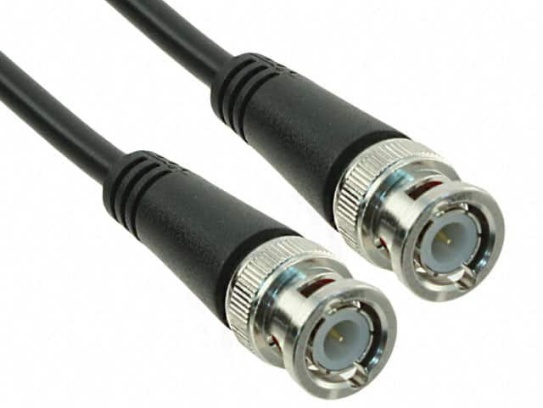
IntroductionIn today’s fast-paced digital world, reliable and high-speed data transmission is critical for industries ranging from telecommunications to aerospace. Enter High-Speed Data Micro-Coax—a cutting-edge miniature coaxial cable e.
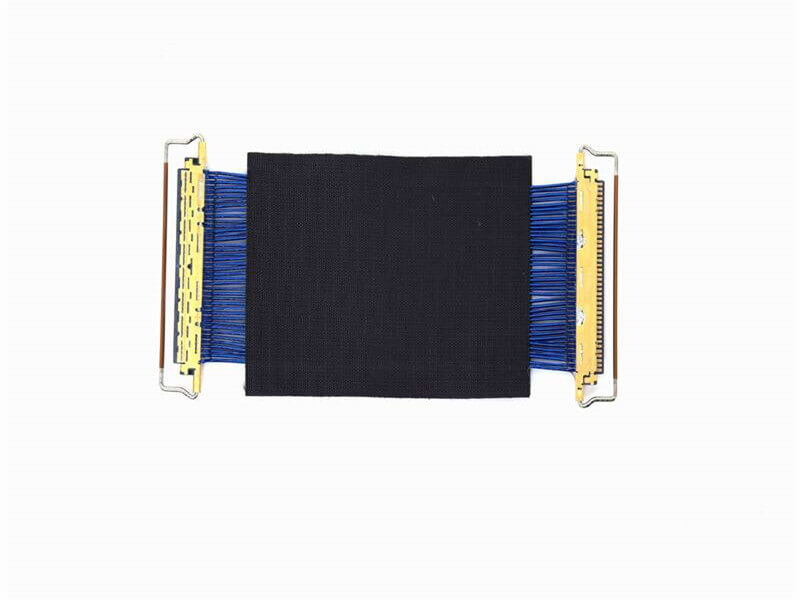
Micro Coaxial Cable: High-Quality Solutions for Precision Applications Micro coaxial cables are essential components in high-performance electronic applications, providing reliable signal transmission in compact and flexible designs. A.
Feel free to reach out to us for any inquiries or orders