Automation Boom Drives Micro-Coaxial Cable Demand in Factory Systems - Micro Coaxial Cable factory-(FRS)
Micro Coaxial Cable factory-(FRS)
INFO
Forget bulky cables and signal dropouts. If you’re navigating the rapidly evolving landscape of factory automation – deploying robotics, vision systems, or complex sensor networks – you’ve likely encountered the critical need for robust, high-performance cabling. This is where micro-coaxial cables are becoming an indispensable, though often unsung, hero. The automation boom isn’t just driving robots; it’s creating an unprecedented surge in demand for these tiny yet mighty cables.
Rise of Robotic Arms: Collaborative robots (cobots) and high-speed industrial arms require constant, precise communication for movement control, sensor feedback, and safety interlocks. Every joint and sensor needs cabling.
Machine Vision Everywhere: Quality control, object recognition, and guidance systems rely on ultra-fast transmission of high-resolution images from cameras to processing units.
Dense Sensor Networks: Factories monitor everything: temperature, vibration, pressure, flow rates, position. This generates massive amounts of data needing transmission.
IIoT Connectivity: Connecting machines, sensors, and control systems (Industrial Internet of Things) demands reliable data flow across the factory floor.
Space Constraints: Inside machinery arms, tight control panels, or within miniature sensors, space is at a premium. Large cables simply don’t fit.
Electrically Noisy Environments: Motors, drives, and switching power supplies create significant electromagnetic interference (EMI/RFI). Signals need protection.
Micro-Coaxial Cable: The Solution for High-Speed, High-Fidelity Signals
So, why are micro-coaxial cables the answer? They pack unique advantages into a small diameter:
Ultra-High Bandwidth: Coaxial construction inherently supports very high frequencies (up to GHz range). This is essential for high-speed data (e.g., video from HD cameras, sensor data streams) and precise timing signals critical for motion control and synchronization. Think of it as a dedicated, multi-lane highway for data vs. a narrow country road.
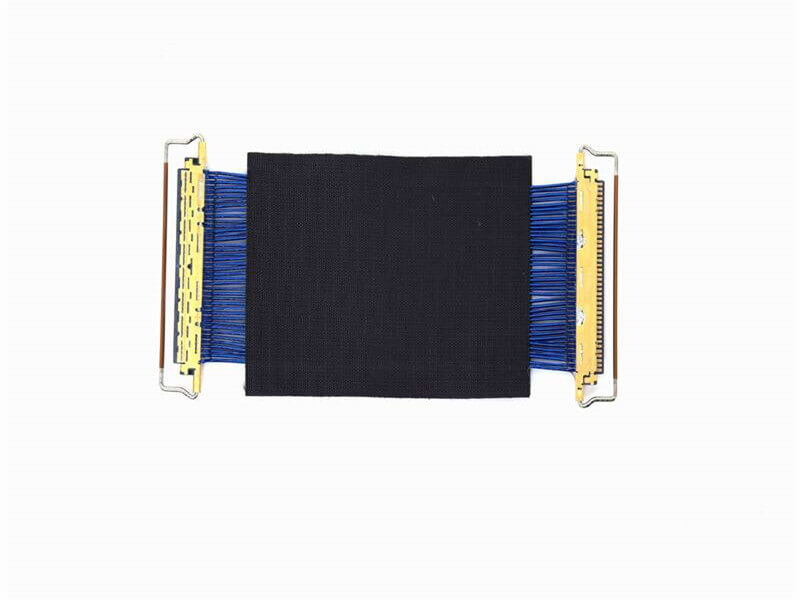
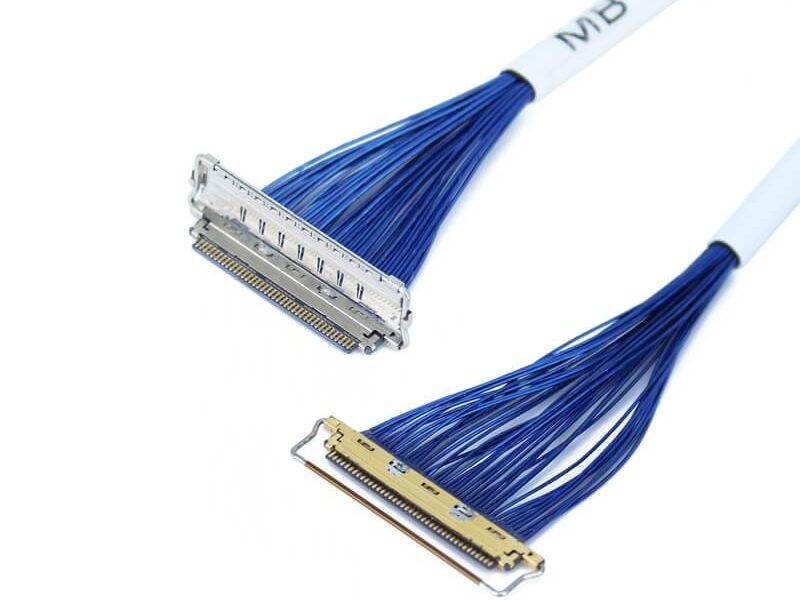
Superior Shielding = Signal Integrity: Unlike standard wires, micro-coax features a central conductor surrounded by insulation and then a woven or foil shield, often with an outer protective jacket. This multi-layer approach provides exceptional protection against EMI/RFI noise, ensuring signals arrive clean, clear, and undistorted even in the electrically chaotic factory environment. This directly translates to reliable data transmission and eliminates costly errors caused by corrupted signals.
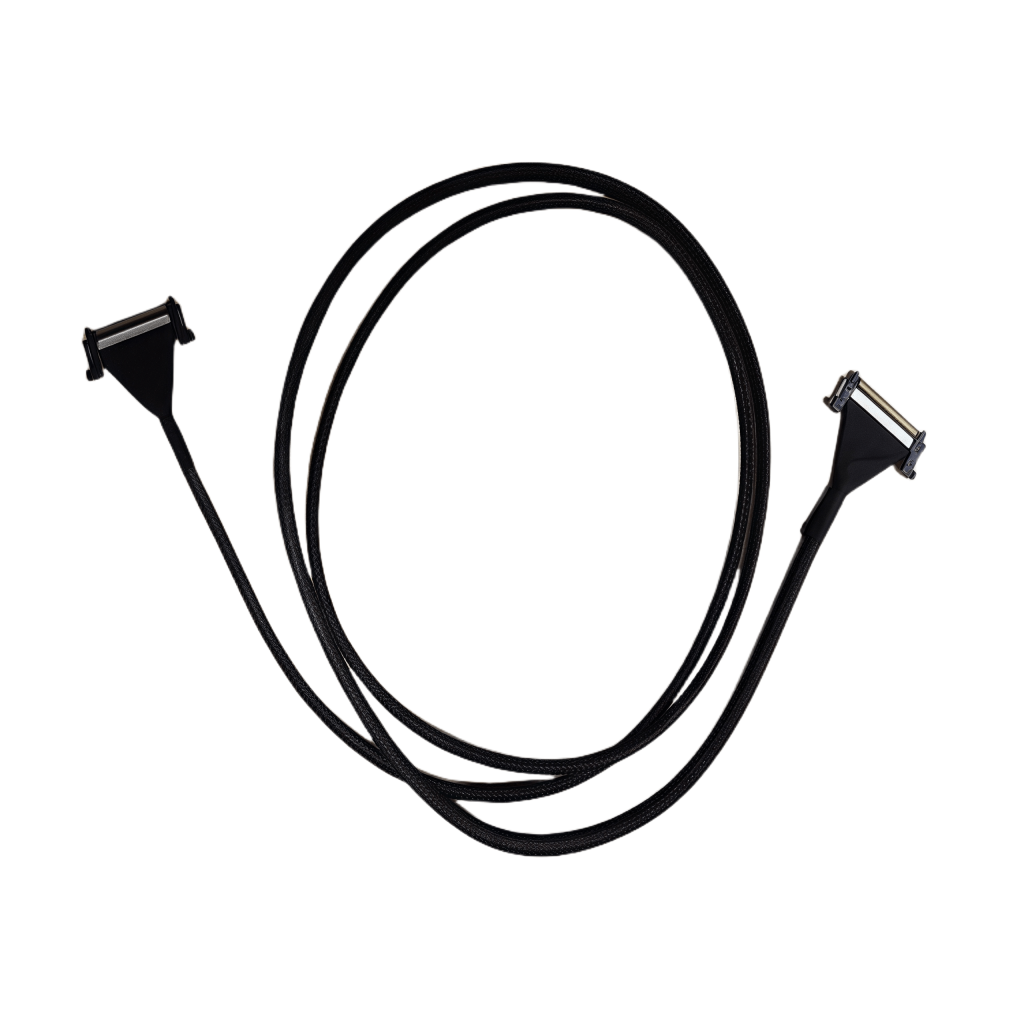
Miniaturization Powerhouse: As the name suggests, micro-coax is incredibly thin, often measuring less than 1mm in outer diameter. This allows it to:
Fit inside the confined spaces of robot arms and intricate machinery.
Enable the creation of compact sensors with integrated cabling.
Reduce the weight carried by moving parts like robotic joints.
Facilitate higher component density within control panels and electronic devices.
Flexibility & Durability (Engineered): Designed for demanding industrial environments, quality micro-coax cables are highly flexible to withstand constant motion (e.g., in cable carriers). They also feature robust jacketing materials resistant to oil, chemicals, abrasion, and temperature extremes.Downtime due to cable failure is unacceptable; reliability is paramount.
Key Applications Driving Demand
Here’s where micro-coax truly shines in the automated factory:
Industrial Cameras & Vision Systems: Transmitting high-resolution, high-frame-rate video data with zero interference is non-negotiable for accurate inspection and analysis. Micro-coax delivers the required bandwidth and immunity.
Robot Arm Internal Wiring: Connecting joint sensors, actuators, and encoders inside the narrow confines of robotic arms. Miniaturization and flexibility are crucial.
Precision Sensors: High-accuracy displacement sensors (like LVDTs), capacitive sensors, and other sensitive measurement devices rely on pristine signals shielded by micro-coax.
High-Speed Serial Data Links: Transmitting data between PLCs, drives, HMIs, and other critical controllers at Gigabit speeds over short distances.
High-Frequency RF Connections: Used in proximity sensors, RFID readers, and localized wireless communication points within machines.
What to Look for When Choosing Micro-Coax for Automation
Not all micro-coaxial cables are equal. For reliable performance in demanding factory settings:
Robust Shielding: Look for effective combinations like foil + braid (FEPB) for optimal EMI/RFI protection.
Industrial-Grade Jacket: Crucial for resistance to oils (like UL 20276 CM, UL 20276 OFC), coolants, abrasion (e.g., PUR jacket), and temperature extremes.
Flexure Life: Ensure it’s rated for the expected number of flexing cycles, especially in cable carriers or dynamic robot arms. Look for testing standards like UL 20276 CM or UL 20276 OFC for flex life rating.
Impedance & Bandwidth: Match these specifications exactly to your application’s requirements (e.g., common standards: 50 Ohm, 75 Ohm; Bandwidth: up to 6+ GHz).
Proven Reliability: Choose manufacturers with a strong track record in industrial applications and rigorous quality control.
Finding Reliable Answers and Suppliers
The surge in demand means many suppliers exist. How to find a trustworthy partner?
Focus on Industrial Specialists: Prioritize manufacturers with deep expertise in industrial connectivity and proven solutions for factory automation challenges.
Dig into Specifications: Don’t just rely on marketing. Carefully compare technical datasheets for shielding, jacket material, flex rating, impedance, bandwidth, and temperature range.
Look for Certifications: Relevant industry certifications (e.g., UL, RoHS, REACH) indicate compliance with safety and environmental standards.
Seek Application Expertise: Good suppliers offer application engineering support to help you select the optimal cable for your specific environment and data needs. Ask for use-case examples!
Industry Reputation: Search for reviews, case studies, or ask peers for recommendations within the automation community. Reputable names often include Huber+Suhner, TE Connectivity, LEMO, Gore, or specialized high-performance cable manufacturers.
Key Technical Parameters Table:
Parameter
Importance for Automation
Typical Value Range/Options
Diameter (OD)
Minimizes space & weight, vital in robots & sensors.
<1 mm to a few mm (e.g., 0.51mm, 0.81mm, 1.37mm)
Shielding Type
Crucial for Noise Immunity (EMI/RFI) in noisy factories. Defines signal quality.
Foil (F) / Braid (B) / Foil+Braid (FEPB)
Jacket Material
Resistance to factory hazards: Oil, Chemicals, Abrasion (PUR is common), High/Low Temperature (e.g., -40°C to +105°C)
PUR (Polyurethane), PVC, TPE, FEP/Teflon
Impedance (Ohms)
Must match device requirements. Mismatch causes signal loss/reflection.
50 Ohm (most data/sensors), 75 Ohm (some video)
Bandwidth
Maximum data speed/picture clarity. Essential for high-speed data & HD vision.
Coaxial cable assemblies are critical components in signal transmission systems, used in industries like telecommunications, aerospace, and broadcasting. Improper storage when not in use can lead to signal degradation, physical damage, ...
Choosing the right cables for your robotics project might seem minor, but it’s critical for performance, reliability, and avoiding frustrating glitches. Micro coaxial cables – those tiny, shielded wires often used for video, data,...
Micro coaxial cables are the unsung heroes powering our smallest, most advanced electronics – from life-saving medical implants to cutting-edge aerospace systems and the latest smartphones. But their tiny size and delicate construction ...
Ever wondered how long it takes for your high-speed digital signal or precise RF pulse to travel down a tiny micro coaxial cable? That travel time is called propagation delay, and it’s a critical factor in timing-sensitive applic...
In the complex landscape of industrial operations, the reliability of connectivity solutions directly impacts productivity, safety, and operational efficiency. Harsh industrial environments—characterized by extreme temperatures, moistur...
In industrial settings, data centers, and even residential electrical systems, managing a network of cables can quickly become a tangled challenge. Without clear identification, tracing a specific cable, troubleshooting issues, or perfo...
Coaxial cables are the unsung heroes of many critical systems, from home TV setups and broadband networks to security cameras and industrial communication systems. These cables transmit high-frequency signals with minimal loss, but over...
Industrial control systems (ICS) are the backbone of modern manufacturing, energy, transportation, and infrastructure sectors, relying heavily on stable and reliable signal transmission to ensure operational efficiency and safety. Among...
For those who rely on seeing in the dark – soldiers, security personnel, hunters, or wildlife observers – night vision goggles (NVGs) are indispensable tools. The magic happens in the low-light sensors at the heart of these device...
Cable penetrations in buildings, whether for electrical, data, or communication systems, create critical vulnerabilities in fire-resistant barriers. These openings, if left unprotected, can act as pathways for fire, smoke, and toxic gas...
The short answer is a resounding yes—coaxial cable assemblies are not only suitable for outdoor applications but have become indispensable in countless outdoor environments, from telecommunications networks to industrial facilities. The...
Is your military communication system acting up? A damaged micro-coaxial cable could be the culprit. These tiny cables are the unsung heroes of military tech, carrying vital signals in radios, radar systems, and encrypted communica...
Overview and definition
Ultra-fine micro coaxial cable with a nominal 0.25 mm outer diameter (OD)is a miniature coaxial interconnect built to carry high‑speed, high‑frequency signals in extremely space‑constrained environments. It pr...
In the world of signal transmission, the Signal-to-Noise Ratio (SNR) of coaxial cable assemblies is a critical metric that directly determines the clarity, reliability, and performance of data or radio frequency (RF) signals. Simply put...
Micro coaxial cables are essential components in modern electronics, enabling high-speed signal transmission in compact devices like smartphones, medical equipment, cameras, and wearables. However, their small size makes them particular...
Confused by technical jargon like “low-loss phase-stable micro-coaxial cable”? You’re not alone. This specialized cable plays a vital role in high-frequency electronics, but its name can be intimidating. Let’...
In the modern era of information transmission, coaxial cables have long been a crucial component in various fields, from home entertainment systems to large – scale industrial communications. User feedback, as a direct reflection ...
Micro coaxial cables are designed with a much smaller outer diameter compared to traditional coaxial cables, typically measuring 1 mm or less. This compact size allows them to fit into tight spaces and makes them highly flexible.
Ult...
Installing cables, whether for electrical systems, data networks, or telecommunications, can be a challenging task without the right tools. The right cable pulling tools not only simplify the process but also reduce the risk of damage t...
Introduction: The Critical Role of TDR in Micro-Coax IntegrityTime Domain Reflectometry (TDR) testing is the cornerstone of ensuring signal integrity and reliability in modern micro-coaxial cable networks. As devices shrink and data rat...
In the era of mobile electronics, where every millimeter counts, the micro coaxial cablehas become a critical component. It is the high-performance link that connects high-resolution displays, multi-lens camera systems, high-speed data ...
In the realm of CCTV and security camera systems, reliable signal transmission is the backbone of effective surveillance. Among the various cabling options available, coaxial cable has long stood as a trusted choice, renowned for its ab...
In the vast expanse of the ocean, reliable communication is the lifeline for marine and offshore operations. Whether it’s for ship navigation, offshore drilling platforms, or marine research vessels, seamless data transfer and cle...
Introduction
In the complex and demanding oil and gas industry, reliable communication and data transmission are crucial. Coaxial cables have emerged as a vital component in this industry, enabling seamless operations across various ...
In the rapidly evolving landscape of high‑frequency signal transmission, the micro coaxial cable has emerged as a critical component for industries that demand precision, reliability, and miniaturization. From the depths of aerospace sy...
Modern cars are becoming marvels of electronic intelligence, largely thanks to Advanced Driver Assistance Systems (ADAS) like automatic emergency braking, adaptive cruise control, and blind-spot monitoring. At the heart of many of...
Coaxial cable assemblies are critical components in telecommunications, aerospace, automotive electronics, and industrial control systems. As global environmental regulations tighten and market demand for sustainable products grows, obt...
The Challenge with Traditional Micro-Coaxial Connectors
Micro-coaxial cables (often called “micro-coax”) are essential for high-frequency signal transmission in electronics, medical devices, and telecommunications. Howeve...
Stay ahead in RF design with the latest 2026 micro coaxial cable series, now available for download with full technical data and custom length options.
🚀 Introduction: A New Standard for High-Frequency Interconnects
As wireles...
As a professional micro coaxial cable manufacturer, FRS Technology Co., Ltd. provides highly customized cable solutions for the medical and aerospace industries. With extensive experience in Aviation Cable Supplierprojects, we offer a r...
The manufacturing of coaxial cables involves complex processes with inherent risks, from high-voltage testing to mechanical operations. As industry regulations tighten and technological advancements emerge, manufacturers are adopting co...
In today’s hyper-connected world, coaxial cables remain the backbone of reliable signal transmission across industries—from telecommunications and broadcasting to data centers and home entertainment. As technology evolves, so do the dem...
Coaxial cables are the unsung heroes of countless signal transmission systems, from cable television and satellite communications to security cameras and radio frequency (RF) networks. These cables are designed to carry high-frequency s...
Introduction: The Battlefield Connectivity Imperative
Modern warfare demands unprecedented mobility from soldiers, who routinely carry 15+ kg of electronic gear. Traditional coaxial cables force critical compromises between durabili...
Quantum computing promises revolutionary power, but building these machines requires overcoming extreme engineering challenges. Operating at temperatures colder than deep space and manipulating incredibly fragile quantum states demands ...
Why RG6 is the Standard Choice
RG6 coaxial cable is the preferred solution for modern satellite and cable TV installations because:
Thicker conductor (18 AWG) minimizes signal loss over long distances
Dense shielding (typicall...
In the realm of connectivity solutions, few components are as critical as coaxial cables. They serve as the backbone for transmitting high-frequency signals with minimal loss, making them indispensable in industries ranging from telecom...
Ever experienced frustrating video lag during an important video call? Watched pixelation ruin a live sports stream? Or encountered mysterious errors in high-tech medical equipment? Often, the unseen culprit lies in the cables strugglin...
In the world of outdoor electrical and communication setups, the significance of a reliable cable cannot be overstated. When it comes to harsh weather conditions, outdoor-rated coaxial cables emerge as the go-to solution for a plethora ...
IntroductionQuantum computing is no longer a futuristic concept—it’s reshaping industries today. As this groundbreaking technology advances, it demands equally innovative hardware solutions. One surprising area seeing rapid evolution? ...
Micro Coaxial Cable: High-Quality Solutions for Precision Applications
Micro coaxial cables are essential components in high-performance electronic applications, providing reliable signal transmission in compact and flexible designs. A.
In LVDS (Low Voltage Differential Signaling) display systems, Micro-coaxial Cable (also referred to as Micro Coax Cable) stands out as an optimal solution for high-resolution, high-reliability signal transmission. Designed to meet the str.
Contact Us Micro Coaxial Cable factory-(FRS).
Feel free to reach out to us for any inquiries or orders