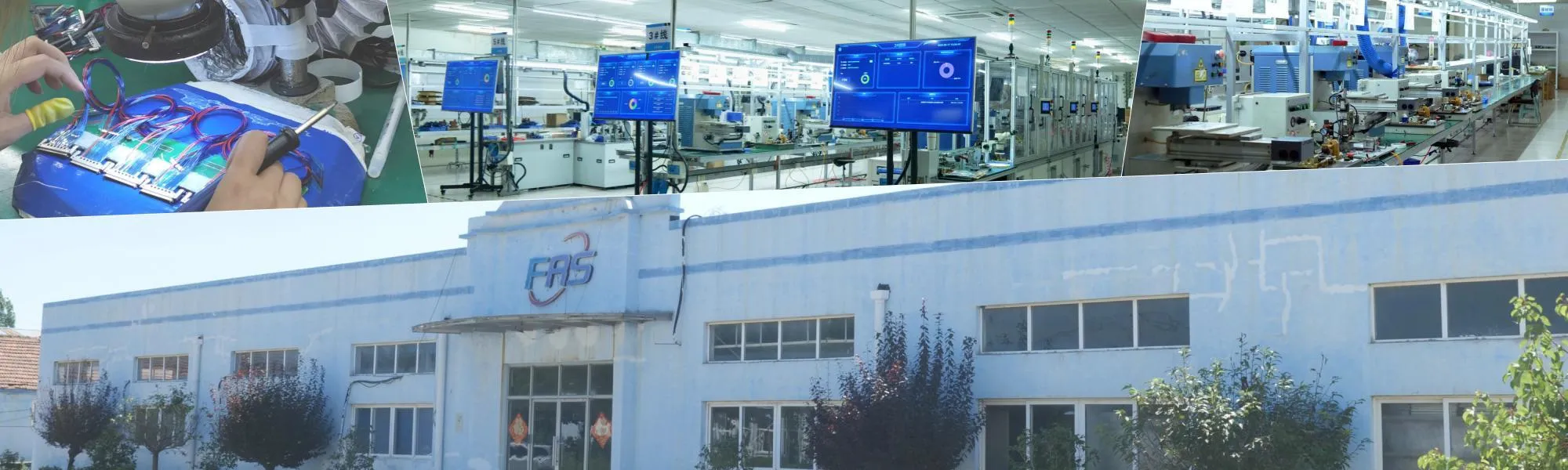
Micro Coaxial Cable factory-(FRS)
The question of whether coaxial cable assemblies can be used in audio recording equipment is one that resonates with audio engineers, studio owners, and hobbyists alike. In the world of audio recording, where every nuance of sound matters, the choice of cables is far from trivial. It directly impacts signal integrity, noise reduction, and ultimately, the quality of the final recording. So, to answer the question plainly: yes, coaxial cable assemblies are not only usable but also highly valuable in audio recording equipment, serving critical roles in transmitting audio signals with precision and reliability.
To understand why coaxial cable assemblies are a suitable choice for audio recording, it’s essential to first grasp the unique demands of audio recording environments. Unlike consumer audio setups, professional recording studios deal with low-level audio signals that are highly susceptible to interference. These signals carry the subtle details of instruments, vocals, and ambient sounds—details that can be lost or distorted if the cable fails to protect the signal from external noise. Additionally, recording equipment often requires long cable runs between microphones, mixers, audio interfaces, and storage devices, which means the cable must maintain signal strength and clarity over distance without degradation.
Coaxial cable assemblies are engineered to meet these exact challenges. At their core, a coaxial cable consists of a central conductor (usually made of copper or copper-clad steel), an insulating layer (dielectric), a metallic shield (typically braided copper or aluminum foil), and an outer jacket. This layered design is what sets coaxial cables apart from other types of audio cables, such as unbalanced RCA cables or even some balanced XLR cables, when it comes to signal protection.
1. Superior Noise Immunity: The metallic shield in coaxial cable assemblies acts as a barrier against electromagnetic interference (EMI) and radio frequency interference (RFI). In a recording studio, there are countless sources of EMI/RFI, including power cables, lighting fixtures, computers, and even nearby electronic devices. Without proper shielding, these interferences can creep into the audio signal, resulting in unwanted hums, buzzes, or static. Coaxial cables’ shielding effectively blocks these external signals, ensuring that the audio signal remains pure and untainted. This is particularly crucial for microphones and preamps, which handle extremely low-level signals that are most vulnerable to interference.
2. Consistent Signal Integrity Over Distance: One of the biggest challenges in audio recording is maintaining signal quality when cables need to run long distances—for example, from a microphone in a live room to a mixer in the control room, or from a mixer to a digital audio workstation (DAW) in another part of the studio. Coaxial cables excel here because their dielectric layer and shield work together to minimize signal loss (attenuation) and impedance mismatch. Impedance, measured in ohms, is a critical factor in audio signal transmission; if the cable’s impedance doesn’t match the equipment it’s connecting, signal reflection can occur, leading to distortion. Coaxial cable assemblies are available in various impedance ratings (such as 50 ohms or 75 ohms), allowing them to be matched to specific audio recording equipment for optimal performance.
3. Support for High-Definition Audio Formats: Modern audio recording equipment increasingly supports high-resolution audio formats, such as 24-bit/192kHz or even higher. These formats require cables that can transmit large amounts of data quickly and accurately without introducing jitter. Jitter—variations in the timing of the signal—can cause distortion in high-resolution audio, making the recording sound “muddy” or lacking in detail. Coaxial cable assemblies, especially those designed for digital audio transmission, have low jitter characteristics, making them ideal for connecting digital audio devices like AD/DA converters, S/PDIF interfaces, and external hard drives used for storing high-resolution recordings.
4. Durability for Studio Environments: Recording studios are high-traffic areas where cables are often moved, stepped on, or plugged/unplugged frequently. Coaxial cable assemblies are built to withstand this wear and tear. The outer jacket is typically made of robust materials like PVC, polyethylene, or TPE, which resist abrasion, moisture, and chemical damage. The shield and central conductor are also designed to be flexible yet strong, reducing the risk of breakage or signal loss due to bending or twisting. This durability ensures that coaxial cables have a long lifespan in studio settings, reducing the need for frequent replacements.
Coaxial cable assemblies are used in a wide range of audio recording setups, from home studios to professional recording facilities. Here are some of their most common applications:
• Digital Audio Transmission: Many audio devices, such as CD players, DAT machines, and digital mixers, use S/PDIF (Sony/Philips Digital Interface) or AES/EBU (Audio Engineering Society/European Broadcasting Union) interfaces for digital audio transmission. Coaxial cables are the preferred choice for S/PDIF connections, as they can transmit digital audio signals up to several meters without loss. They also work well for AES/EBU connections in some setups, especially when balanced cables are not required.
• Microphone Cables (in Specific Cases): While XLR cables are the standard for balanced microphone connections, coaxial cables can be used in certain situations—for example, when connecting microphones to preamps in environments with extremely high levels of interference. Some professional microphones even come with coaxial outputs, and custom coaxial cable assemblies can be used to maximize signal protection in these cases.
• Audio Interface to DAW Connections: Audio interfaces, which convert analog audio signals to digital and vice versa, often connect to computers or DAWs using coaxial cables (such as USB-C or Thunderbolt, which use coaxial-like designs). These cables ensure that the digital audio data is transmitted quickly and accurately between the interface and the DAW, minimizing latency and jitter.
• Storage Device Connections: External hard drives and SSDs used for storing audio recordings often use coaxial-based interfaces like SATA or SAS. Coaxial cable assemblies for these interfaces ensure that large audio files are transferred quickly and reliably, which is essential for recording and editing high-resolution audio.
Not all coaxial cable assemblies are created equal, and choosing the right one for your audio recording equipment is crucial. Here are some factors to consider:
• Impedance Matching: As mentioned earlier, the cable’s impedance must match the impedance of the equipment it’s connecting. For most digital audio applications (like S/PDIF), 75-ohm coaxial cables are standard. For other applications, such as connecting certain types of microphones or RF-based audio devices, 50-ohm cables may be required. Using the wrong impedance can lead to signal reflection and distortion.
• Conductor Material: The central conductor’s material affects signal conductivity and durability. Copper conductors are ideal for audio applications because they have high conductivity and low resistance. Copper-clad steel conductors are more affordable but may have slightly higher resistance, making them better suited for shorter cable runs.
• Shield Type: The shield’s design (braided, foil, or a combination of both) impacts noise immunity. Braided shields offer better flexibility and coverage, while foil shields provide more complete coverage against high-frequency interference. For studio environments, coaxial cables with a combination of braided and foil shields (double shielding) are recommended for maximum protection.
• Jacket Material: The outer jacket should be durable and flexible. PVC is a common choice for indoor use, while polyethylene or TPE are better for outdoor or harsh environments. In studios, a flexible jacket is important to allow for easy cable management.
When it comes to selecting coaxial cable assemblies for audio recording equipment, FRS stands out as a trusted partner for audio professionals and studio owners worldwide. FRS is a leading manufacturer of high-quality coaxial cable assemblies, with decades of experience engineering cables that meet the strict demands of professional audio applications.
At FRS, every coaxial cable assembly is designed with audio performance in mind. We use only the highest-grade materials, including pure copper conductors and double-shielding (braided copper + aluminum foil) to ensure superior noise immunity and signal integrity. Our cables are available in a range of impedance ratings (50 ohms and 75 ohms) to match any audio recording equipment, and we offer custom cable assemblies tailored to your specific studio setup—whether you need short runs for a home studio or long-distance cables for a professional facility.
FRS coaxial cable assemblies also undergo rigorous testing to ensure durability and reliability. We subject our cables to extensive bending, abrasion, and signal loss tests to ensure they can withstand the demands of busy recording studios. Our commitment to quality means that you can trust FRS cables to deliver consistent, high-quality audio transmission day in and day out, preserving the subtle details of your recordings that make them stand out.
Whether you’re setting up a new recording studio, upgrading your existing equipment, or need reliable cables for on-location recording, FRS coaxial cable assemblies are the perfect choice. We understand that in audio recording, every component matters—and that includes the cables. With FRS, you’re not just buying a cable; you’re investing in the quality of your sound.
Choose FRS coaxial cable assemblies for your audio recording equipment, and experience the difference that premium cables can make in your recordings. Contact us today to learn more about our products or to request a custom quote tailored to your needs.
Our factory offers high-quality products at competitive prices
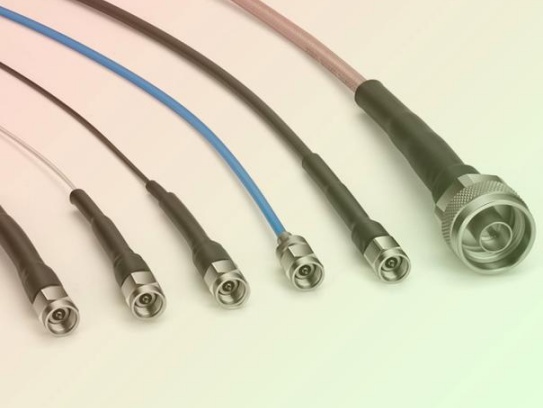
H1: Precision Instrument Micro-Coax – Engineered for Critical Signal Integrity Meta Description: Discover Precision Instrument Micro-Coax: Miniature coaxial cable solution optimized for high-frequency signal transmissio.
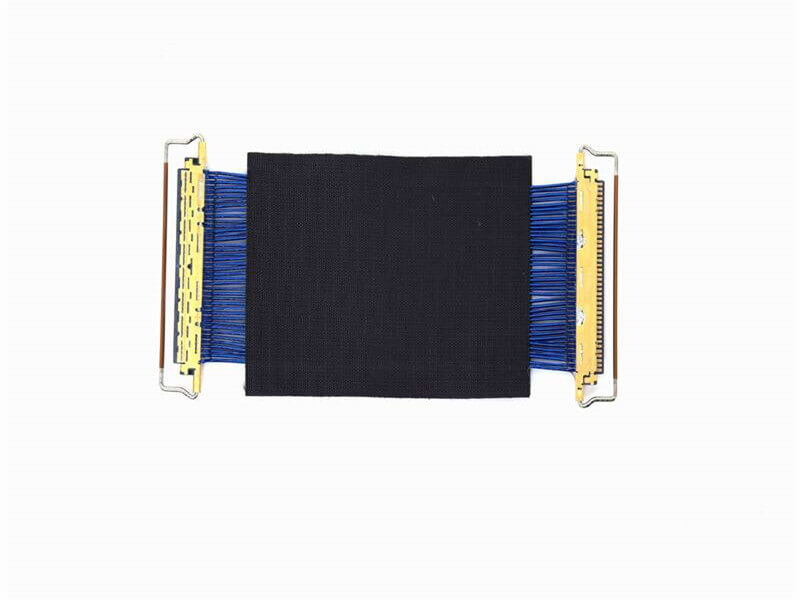
Micro Coaxial Cable: High-Quality Solutions for Precision Applications Micro coaxial cables are essential components in high-performance electronic applications, providing reliable signal transmission in compact and flexible designs. A.
Feel free to reach out to us for any inquiries or orders