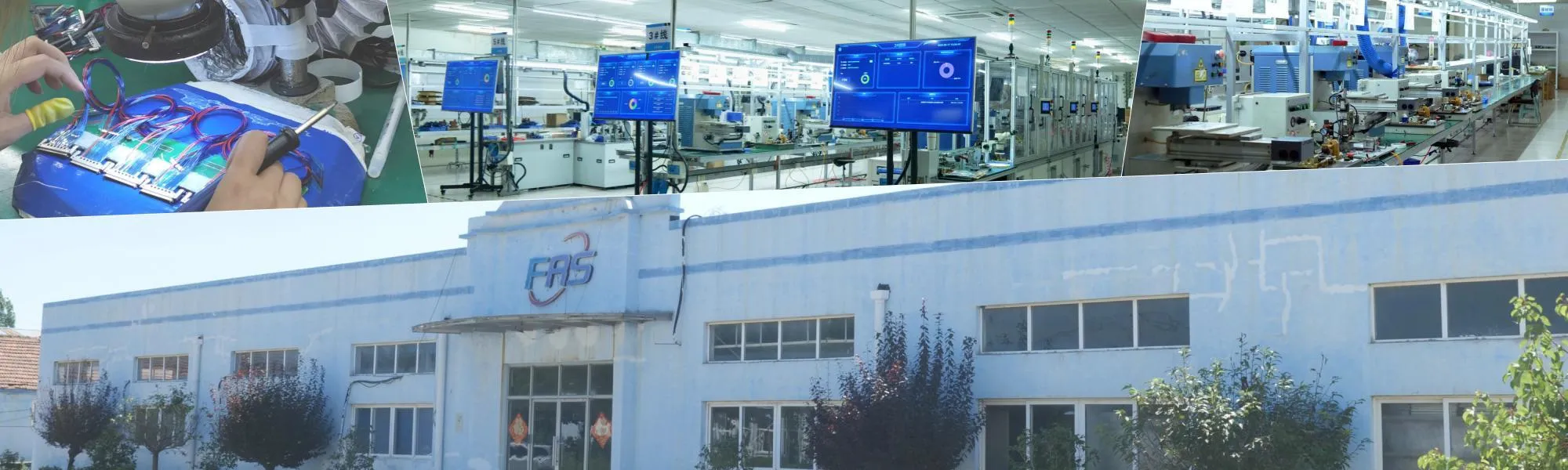
Micro Coaxial Cable factory-(FRS)
In the era of artificial intelligence, AI vision technology has become a core driver of industrial automation, smart cities, and intelligent transportation. From high-precision product inspection on assembly lines to real-time monitoring of urban traffic, AI vision systems rely heavily on the seamless transmission of massive image and video data. At the heart of this data transmission chain lies a critical component: high speed micro coaxial cable. Unlike traditional cables, this specialized cable is engineered to deliver 10Gbps+ data transfer rates, ensuring that AI vision devices capture, process, and analyze visual data with unparalleled accuracy and speed. This article delves into the key features, technical advantages, real-world applications, and selection criteria of high speed micro coaxial cables for AI vision, providing actionable insights for engineers, procurement professionals, and technology enthusiasts.
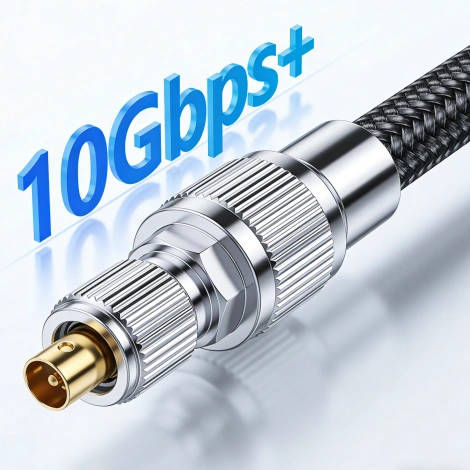
AI vision systems operate by processing large volumes of high-resolution images and videos in real time. For instance, a smart factory’s machine vision camera may capture 4K resolution images at 30 frames per second, generating data rates exceeding 8Gbps. Traditional copper cables or even standard coaxial cables often struggle to handle such high bandwidths without signal degradation, leading to latency, blurred images, or missed defects in inspection processes. Wireless solutions, on the other hand, are prone to interference and signal loss in industrial environments, making them unreliable for mission-critical applications.
High speed micro coaxial cables address these pain points by combining the compact size of micro cables with the high-frequency performance of coaxial designs. Their 10Gbps+ transmission capability ensures that every pixel of visual data is transmitted intact, enabling AI algorithms to make accurate decisions in milliseconds. Moreover, their micro form factor allows for easy integration into small AI vision devices, such as compact machine vision cameras, drones with vision systems, and wearable AI devices—scenarios where space is at a premium.
To meet the rigorous demands of AI vision applications, high speed micro coaxial cables are designed with several advanced technical features that set them apart from conventional cables:
The core advantage of these cables is their ability to support data transmission speeds of 10Gbps and above. This is achieved through precise conductor design, high-quality dielectric materials, and optimized shielding. The center conductor is typically made of oxygen-free copper (OFC) or silver-plated copper, which minimizes signal resistance. The dielectric layer, often composed of PTFE or FEP, ensures low capacitance and high insulation resistance, reducing signal loss even at high frequencies (up to 6GHz or more). As a result, the cable maintains signal integrity over extended distances (up to 10 meters in some cases), eliminating the need for signal repeaters in most AI vision setups.
AI vision devices, especially those used in robotics and portable systems, require cables that are small in diameter and highly flexible. High speed micro coaxial cables have a diameter as small as 0.8mm, making them ideal for routing through tight spaces in machine vision cameras, robotic arms, and miniaturized sensors. Their flexibility also allows for repeated bending without compromising performance—a critical feature for moving parts in industrial automation systems. Unlike rigid fiber optic cables, which are fragile and difficult to install in dynamic environments, micro coaxial cables offer both flexibility and durability.
Industrial environments are filled with electromagnetic interference (EMI) from motors, power lines, and other electronic equipment. EMI can corrupt visual data transmitted by AI vision systems, leading to incorrect analysis and operational errors. High speed micro coaxial cables feature multiple shielding layers—including braided shielding (copper or aluminum) and foil shielding—that block up to 99% of EMI. This shielding not only protects the signal from external interference but also prevents the cable from emitting electromagnetic radiation that could disrupt other devices. For AI vision systems operating in harsh industrial settings, this shielding is non-negotiable for reliable performance.
Many AI vision applications take place in extreme environments, such as high-temperature manufacturing plants, cold storage facilities, or outdoor surveillance systems. High speed micro coaxial cables are engineered to withstand a wide temperature range (from -40°C to 125°C) and resist moisture, oil, and chemical exposure. The outer jacket, made of materials like PVC or TPU, provides excellent abrasion resistance, ensuring the cable can withstand the wear and tear of industrial use. This environmental resilience makes the cable suitable for both indoor and outdoor AI vision deployments.
The versatility and performance of high speed micro coaxial cables make them a staple in a wide range of AI vision applications. Below are some of the most common use cases where these cables play a critical role:
In smart factories, AI-powered machine vision systems are used to inspect products for defects, measure dimensions, and ensure quality control. These systems rely on high-resolution cameras that capture detailed images of products moving along assembly lines. High speed micro coaxial cables transmit the image data from the camera to the AI processing unit at 10Gbps+, enabling real-time defect detection. For example, in the automotive industry, these cables are used in vision systems that inspect engine components for cracks or irregularities, ensuring that only high-quality parts are used in production. The cable’s compact design allows it to be integrated into the small spaces of machine vision cameras, while its shielding protects against EMI from factory machinery.
Smart cities use AI vision systems to monitor traffic flow, detect crimes, and manage public safety. Outdoor surveillance cameras equipped with AI algorithms can analyze video footage in real time to identify accidents, traffic jams, or suspicious activity. High speed micro coaxial cables transmit the high-definition video data from these cameras to central processing centers, ensuring that city officials receive accurate and timely information. The cable’s environmental resistance makes it suitable for outdoor use, withstanding rain, snow, and extreme temperatures. Additionally, its low signal attenuation ensures that data is transmitted reliably over long distances, eliminating latency in emergency response scenarios.
In the medical field, AI vision technology is used in imaging systems such as MRI, CT scans, and endoscopes to assist doctors in diagnosis. High-resolution medical images require fast and reliable data transmission to AI processing units, which analyze the images for abnormalities. High speed micro coaxial cables are used to connect medical imaging devices to AI systems, ensuring that the image data is transmitted without degradation. For example, in endoscopic procedures, a small camera attached to an endoscope captures images of the inside of the body. The micro coaxial cable transmits these images to an AI system that detects early signs of diseases such as cancer. The cable’s compact size and flexibility make it ideal for use in minimally invasive medical devices, while its biocompatible materials ensure patient safety.
Autonomous vehicles rely on a network of AI vision cameras, lidar, and radar to navigate roads safely. These cameras capture real-time video footage of the vehicle’s surroundings, which is processed by AI algorithms to detect pedestrians, other vehicles, and road signs. High speed micro coaxial cables transmit the video data from the cameras to the vehicle’s central computer at 10Gbps+, enabling the AI system to make split-second decisions. The cable’s durability and flexibility make it suitable for use in the tight spaces of a vehicle’s interior, while its shielding protects against EMI from the vehicle’s electrical system. In autonomous driving, reliable data transmission is critical for safety, and high speed micro coaxial cables deliver the performance needed to ensure the vehicle operates safely.
With so many options available, selecting the right high speed micro coaxial cable for your AI vision system can be challenging. Below are key factors to consider when making your selection:
First, determine the data rate required by your AI vision system. If your system uses 4K or 8K cameras, you will need a cable that supports 10Gbps+ speeds. Be sure to choose a cable that exceeds your minimum requirements to accommodate future upgrades, such as higher-resolution cameras or more advanced AI algorithms.
Consider the distance between your AI vision camera and the processing unit. High speed micro coaxial cables have different maximum transmission distances depending on their design. For short distances (up to 3 meters), a standard micro coaxial cable may be sufficient. For longer distances (up to 10 meters), you will need a cable with low signal attenuation, such as those with silver-plated conductors and PTFE dielectrics.
Evaluate the environment where the cable will be used. If the cable will be exposed to high temperatures, moisture, or chemicals, choose a cable with a rugged outer jacket (such as TPU) and environmental resistance features. For indoor use in clean environments, a standard PVC jacket may be sufficient.
Assess the level of EMI in your environment. If your AI vision system is located near factory machinery, power lines, or other sources of EMI, choose a cable with double shielding (braided + foil) for maximum protection. For low-interference environments, a single foil shield may be adequate.
Ensure that the cable’s connectors are compatible with your AI vision devices. Common connectors for high speed micro coaxial cables include SMA, BNC, and HDMI. Choose a cable with connectors that match the ports on your camera and processing unit to avoid the need for adapters, which can introduce signal loss.
High speed micro coaxial cables are a critical component of AI vision systems, enabling 10Gbps+ data transmission that is essential for real-time image and video processing. Their compact design, superior shielding, and environmental resistance make them suitable for a wide range of applications, from industrial machine vision to smart city surveillance and medical imaging. By understanding the key technical features, applications, and selection criteria of these cables, you can choose the right solution for your AI vision system, ensuring reliable performance and accurate data analysis.
Whether you are designing a new AI vision system or upgrading an existing one, investing in high quality high speed micro coaxial cables is a decision that will pay off in improved performance, reduced downtime, and enhanced reliability. As AI vision technology continues to evolve, the demand for faster, more reliable data transmission will only grow—making these cables an indispensable part of the future of intelligent systems.
Our factory offers high-quality products at competitive prices
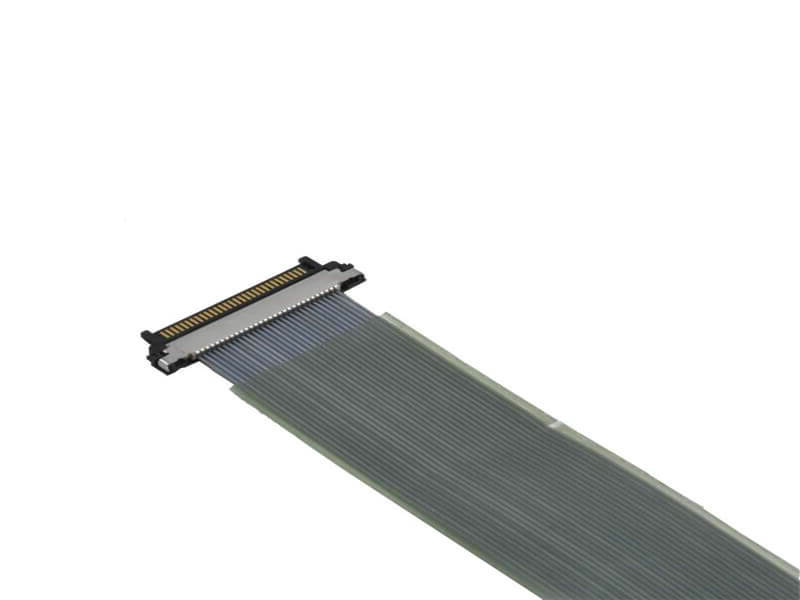
KEL’s Micro Coaxial Cable solutions are at the forefront of modern electronic connectivity, offering exceptional performance in high-speed data transmission, miniaturization, and reliability. These connectors are integral to various.
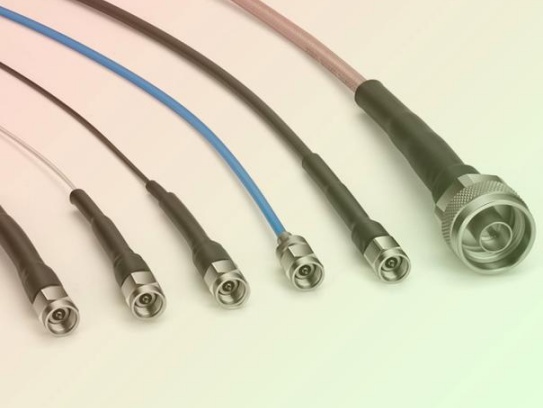
H1: Precision Instrument Micro-Coax – Engineered for Critical Signal Integrity Meta Description: Discover Precision Instrument Micro-Coax: Miniature coaxial cable solution optimized for high-frequency signal transmissio.
Feel free to reach out to us for any inquiries or orders