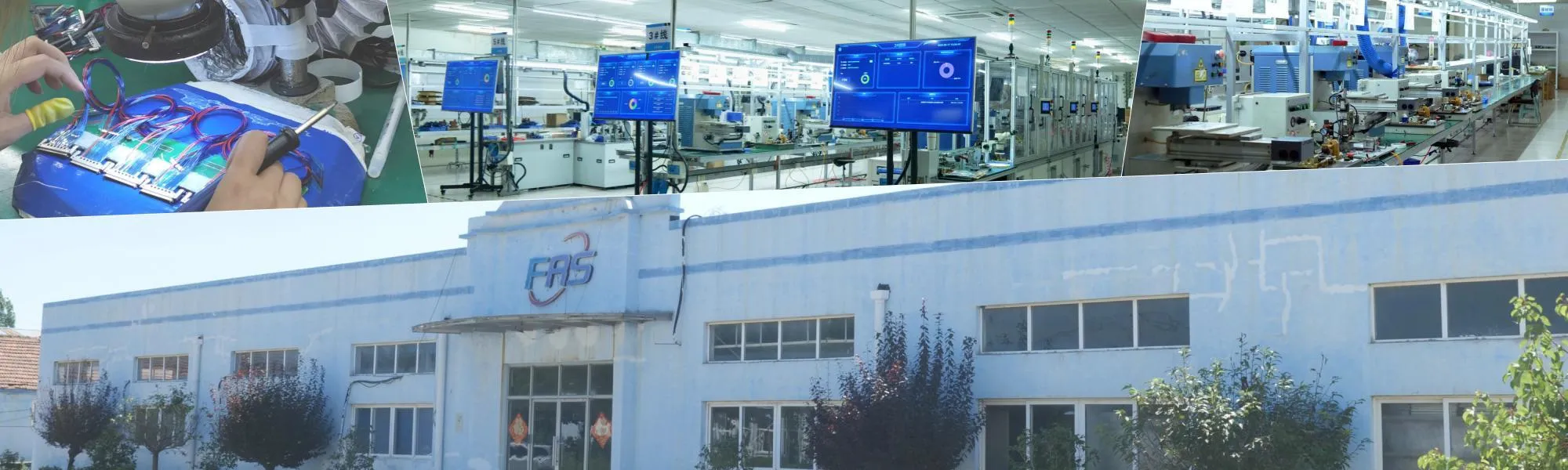
Micro Coaxial Cable factory-(FRS)
Coaxial cable is a fundamental component for transmitting high-frequency electrical signals with minimal interference. It consists of four layers sharing a common axis: a center conductor, a dielectric insulator, a metallic shield, and an outer jacket. This structure confines the electromagnetic field, enabling high bandwidth and strong immunity to external noise, which is why it’s widely used for cable TV, broadband internet, CCTV, and RF communications.
As devices become smaller and data rates increase, a new category has emerged: micro coaxial cable(or micro-coax). While built on the same four-layer principle, it is engineered for applications where size, density, and flexibility are paramount.
Micro coaxial cables are miniaturized versions of traditional coax, typically with an outer diameter of 0.25–1 mm. Every layer is thinner and more precisely controlled.
| Feature | Micro Coaxial Cable | Traditional Coaxial Cable |
|---|---|---|
| Size & Flexibility | Ultra-thin(0.25–1 mm). Designed for thousands of bending cycles and tight-radius routing in moving parts. | Robust & stiff. Larger diameters (several mm to over 1 cm) make them less suitable for tight bends or dynamic applications. |
| Signal Performance | Maintains stable impedance (e.g., 50 Ω) and low loss at GHz frequencies. Ideal for high-resolution video and high-speed data. | Excellent at MHz to low GHzfor long-haul transmission. Performance can be limited by size and cost constraints at the highest frequencies. |
| EMI Shielding | Multi-layer, high-density shieldingis critical in high-density, high-noise environments to prevent crosstalk and interference. | Provides strong shielding, but the larger structure is less critical for point-to-point, fixed installations. |
| Power Handling | Not designedfor high power/voltage. Suited for low-current, high-frequency signals (e.g., video, data). | Well-suitedfor RF power transmission (e.g., transmitters, antennas) with higher voltage and current ratings. |
| Cost & Assembly | Higher cost per meterdue to complex manufacturing. Requires precision connectors and automated assembly, increasing overall cost. | Lower costand simpler to terminate. Installation is often less complex, especially for long, fixed runs. |
| Durability | Built for flex-fatigue resistance. Can endure repeated bending but may be more vulnerable to crushing forces. | Built for tensile strength and crush resistance. Ideal for pulling through conduits and withstanding environmental stress over long distances. |
The decision isn’t about one being universally “better” than the other; it’s about selecting the right tool for the job.
Understanding these core differences will help you design more reliable, efficient, and cost-effective systems.
Our factory offers high-quality products at competitive prices
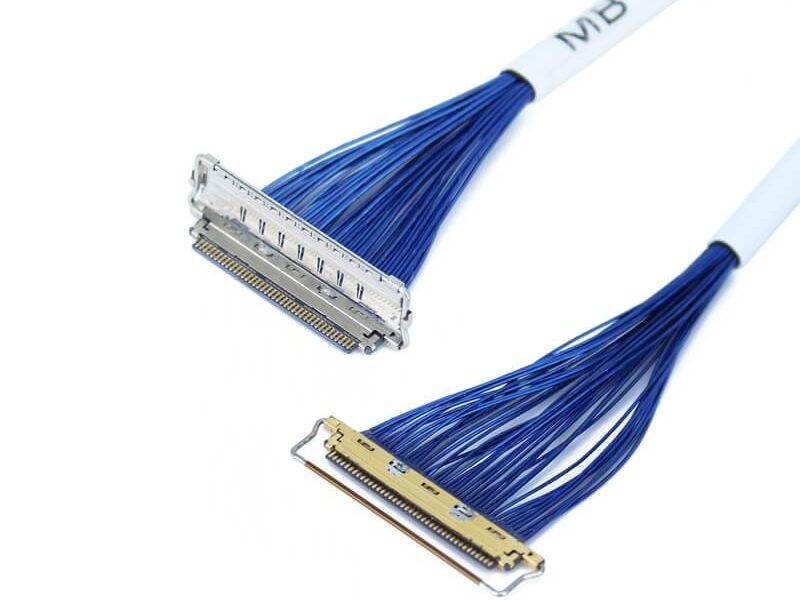
In LVDS (Low Voltage Differential Signaling) display systems, Micro-coaxial Cable (also referred to as Micro Coax Cable) stands out as an optimal solution for high-resolution, high-reliability signal transmission. Designed to meet the str.
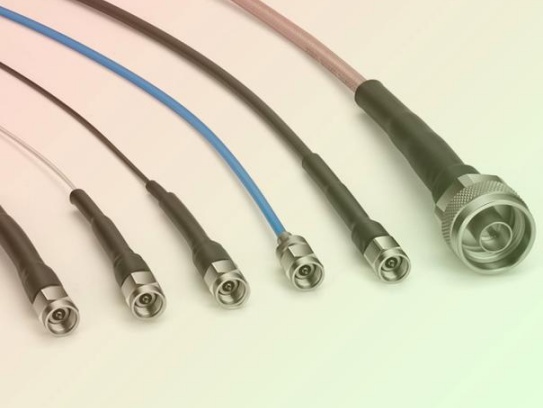
H1: Precision Instrument Micro-Coax – Engineered for Critical Signal Integrity Meta Description: Discover Precision Instrument Micro-Coax: Miniature coaxial cable solution optimized for high-frequency signal transmissio.
Feel free to reach out to us for any inquiries or orders