Micro Coaxial Cable-Micro Coaxial Cable factory-(FRS)-FRS
Coaxial cable assemblies are critical components in a wide range of applications, from telecommunications and aerospace to medical equipment and industrial automation. Their ability to transmit high-frequency signals with minimal interference depends on maintaining structural integrity and electrical stability. However, bending is an inevitable scenario during installation, use, and maintenance, and it can significantly affect their performance. Understanding these impacts is essential for engineers, technicians, and procurement professionals to ensure reliable system operation.
One of the most prominent impacts of bending on coaxial cable assemblies is increased signal attenuation. Attenuation refers to the loss of signal strength as it travels through the cable. When a coaxial cable is bent, the physical structure of its inner conductor, dielectric, and outer shield can be distorted. The dielectric material, which maintains the separation between the inner and outer conductors, may experience stress or compression in the bent region. This distortion changes the characteristic impedance of the cable, leading to impedance mismatch. Impedance mismatch causes part of the signal to reflect back instead of propagating forward, resulting in signal loss.
The degree of attenuation increase depends on several factors, including the bending radius, frequency of the transmitted signal, and the cable’s construction. A smaller bending radius (more severe bending) leads to greater dielectric distortion and impedance variation, thus higher attenuation. High-frequency signals are more sensitive to bending-induced attenuation because their shorter wavelengths interact more with the cable’s structural changes. For example, a coaxial cable operating at 6 GHz may experience a 20% increase in attenuation when bent to half its minimum recommended bending radius, compared to only a 5% increase at 1 GHz.
Phase stability is another critical performance parameter affected by bending, especially in applications such as phased array antennas, radar systems, and precision test equipment where signal timing is crucial. The phase of a signal refers to its position in the oscillation cycle relative to a reference point. When a coaxial cable is bent, the physical length of the cable in the bent section changes slightly due to stretching or compression of the conductors and dielectric. Additionally, the electromagnetic field distribution within the cable is altered, which affects the signal’s propagation velocity.
These changes result in phase shift, where the signal’s phase at the output differs from the input. In systems that rely on multiple coaxial cables (e.g., phased array antennas), inconsistent phase shifts across cables due to uneven bending can lead to signal misalignment, reducing the system’s overall performance. For instance, in a radar system, a phase shift of just a few degrees in a coaxial cable assembly can cause errors in target detection and ranging.
Voltage Standing Wave Ratio (VSWR) is a measure of how well the impedance of the coaxial cable assembly matches the impedance of the source and load. A low VSWR (ideally close to 1:1) indicates efficient power transfer, while a high VSWR means significant signal reflection. Bending-induced impedance mismatch directly leads to an increase in VSWR.
When the cable is bent, the outer shield may develop small gaps or wrinkles, reducing its ability to contain the electromagnetic field. This leakage not only contributes to signal loss but also disrupts the impedance balance. Moreover, the inner conductor may shift within the dielectric, further altering the characteristic impedance. A high VSWR not only wastes power but also can cause damage to the signal source (e.g., transmitters) due to reflected power. In communication systems, a VSWR above 1.5:1 is often considered unacceptable as it leads to degraded signal quality and reduced system range.
Beyond electrical performance, bending also affects the mechanical durability of coaxial cable assemblies. Repeated bending or bending beyond the cable’s minimum bending radius can cause fatigue in the conductors and shield. The inner conductor may become brittle and break, while the outer shield (typically made of braided copper or aluminum) can fray or develop cracks. These mechanical failures not only result in complete signal loss but also expose the cable to environmental interference, such as electromagnetic interference (EMI) and radio frequency interference (RFI).
The dielectric material, especially if it is rigid, can crack under repeated bending stress. A cracked dielectric allows moisture and contaminants to enter the cable, further degrading electrical performance and accelerating corrosion of the conductors. In harsh environments, such as aerospace or industrial settings, where temperature and vibration are also factors, bending-induced mechanical damage can lead to premature failure of the coaxial cable assembly, increasing maintenance costs and system downtime.
To minimize the negative impacts of bending on coaxial cable assemblies, several strategies can be adopted. First, selecting the right cable type is crucial. Cables with flexible dielectrics (e.g., foam polyethylene) and robust shielding (e.g., double braided shield) are more resistant to bending-induced damage. Some cables are specifically designed for high-flex applications, with features such as stranded inner conductors and reinforced jackets.
Second, adhering to the manufacturer’s recommended minimum bending radius is essential. The minimum bending radius is the smallest radius a cable can be bent without causing permanent damage or significant performance degradation. For example, a standard RG-58 cable may have a minimum bending radius of 25 mm when bent dynamically (repeated bending) and 12 mm when bent statically (fixed position).
Third, proper installation techniques can reduce bending stress. Using cable management tools such as cable ties, clamps, and conduit to avoid sharp bends and distribute stress evenly. Additionally, avoiding over-tightening of cables during installation prevents unnecessary strain on the assembly.
Bending poses significant risks to the electrical performance and mechanical durability of coaxial cable assemblies, including increased signal attenuation, phase instability, high VSWR, and premature failure. To overcome these challenges, it is vital to partner with a trusted manufacturer that prioritizes quality and performance.
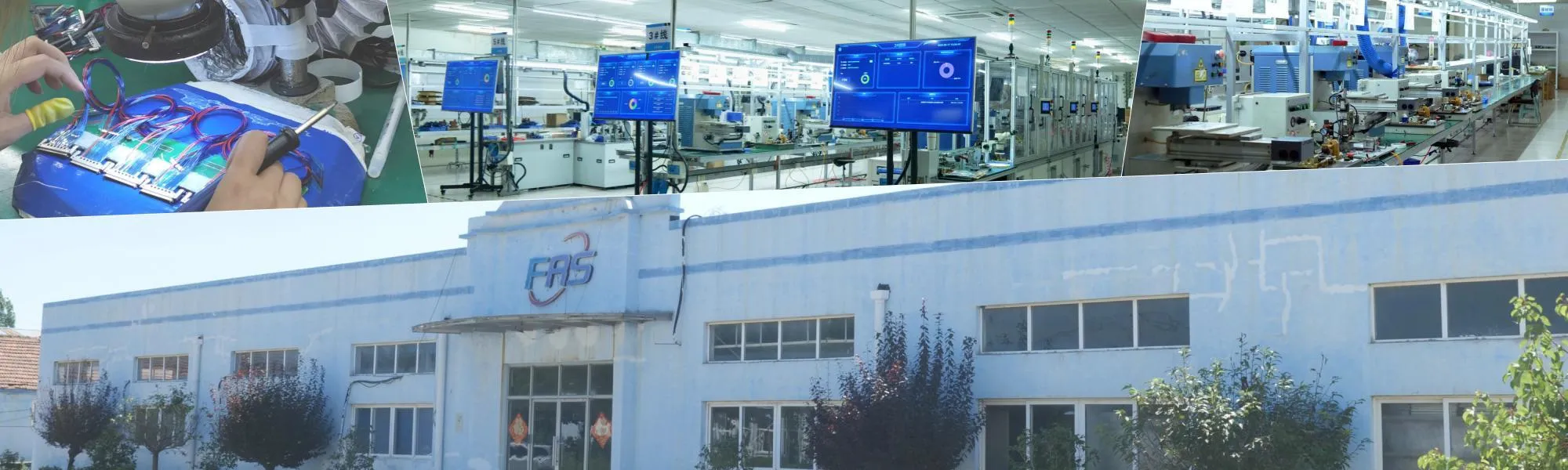
FRS brand factory is a leading provider of high-performance coaxial cable assemblies designed to withstand bending and harsh operating conditions. Our assemblies feature premium materials, including flexible, low-loss dielectrics and durable shielding, ensuring minimal performance degradation even under repeated bending. Each product undergoes rigorous testing, including bending tests at various radii and frequencies, to guarantee compliance with industry standards and customer requirements. Whether for telecommunications, aerospace, or industrial applications, FRS coaxial cable assemblies deliver reliable signal transmission and long-term durability. Choose FRS for your coaxial cable needs and experience the difference in performance and quality.
Our factory offers high-quality products at competitive prices
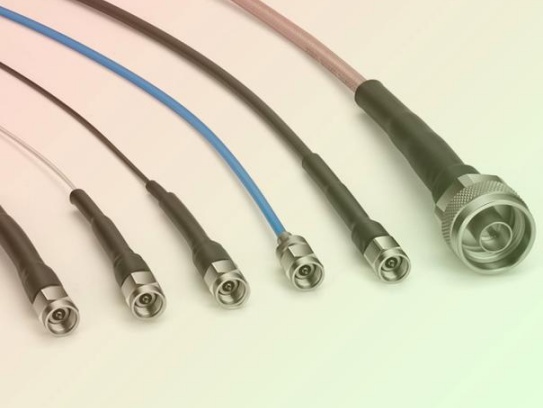
H1: Precision Instrument Micro-Coax – Engineered for Critical Signal Integrity Meta Description: Discover Precision Instrument Micro-Coax: Miniature coaxial cable solution optimized for high-frequency signal transmissio.
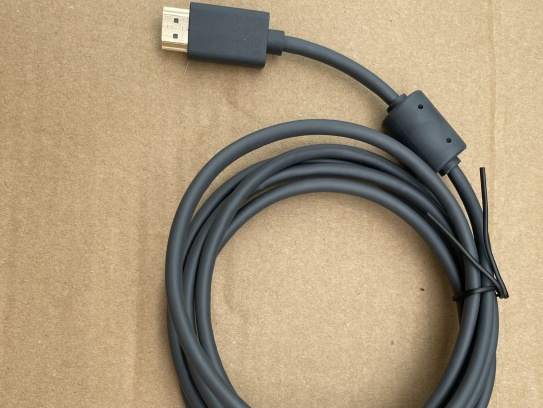
OverviewMicro-Coax for HD Video is a cutting-edge coaxial cable engineered to deliver uncompromised high-definition video quality across professional and industrial applications. Designed for reliability, precision, and versatility,.
Feel free to reach out to us for any inquiries or orders