When selecting cables for your test equipment, the 50Ω micro coaxial cableis often the critical component that determines whether your measurements are accurate, repeatable, and reliable. Unlike general-purpose hookup wires, a purpose-built 50Ω micro coax is engineered to preserve signal integrity in high-frequency, high-density test environments.
This article explains what makes a quality 50Ω micro coaxial cablefor test equipment and how to choose the right one for your application.
Why 50Ω? The Standard for RF & Test
In RF and high-speed digital test setups, 50Ω is the de facto standard impedance. This is due to a balance between:
- Power Handling:50Ω offers a good compromise, higher than 75Ω, allowing more power transmission before reaching voltage breakdown limits.
- Signal Loss (Insertion Loss):It provides lower loss than 75Ω at higher frequencies, which is crucial for test cables that can become a significant part of the signal path.
- System Compatibility:The vast majority of RF instruments, such as vector network analyzers (VNAs), spectrum analyzers, and signal generators, are designed for a 50Ω system impedance. Mismatched impedances cause signal reflections, leading to measurement errors.
Therefore, for general-purpose RF and high-frequency test gear, a 50Ω micro coaxial cableis almost always the correct choice.
What is a Micro Coaxial Cable?
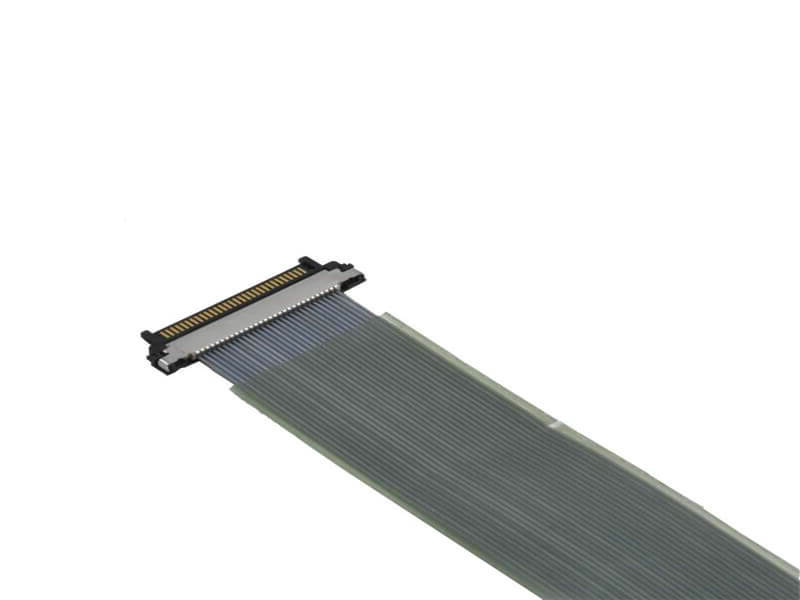
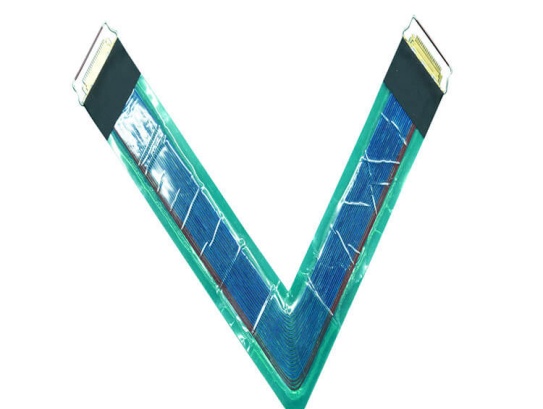
A micro coaxial cableis a miniaturized version of a standard coax, featuring a center conductor, dielectric, shielding, and jacket, but built on a much smaller scale. Key characteristics include:
- Small Diameter:As fine as 0.1–1 mm, depending on the AWG size (e.g., 50 AWG or 32 AWG).
- Controlled Impedance:Precisely engineered to a target impedance, such as 50Ω.
- High Shielding Effectiveness:Features dense braided or spiral shields, often with 90% or higher coverage, to minimize electromagnetic interference (EMI).
- Precise Geometry:Maintains a consistent ratio between the center conductor, dielectric, and shield to ensure a stable impedance and low loss.
These features allow 50Ω micro coaxial cablesto route signals in extremely confined spaces, such as inside test fixtures, ATE boards, and densely populated device under test (DUT) interfaces.
Key Electrical & Mechanical Parameters
When evaluating a 50Ω micro coaxial cablefor test equipment, focus on these critical specifications:
- Characteristic Impedance (Z₀)
- Target:50Ω ± a few percent.
- Why it Matters:Any significant deviation causes signal reflections (return loss), which corrupt high-frequency measurements. This is non-negotiable for VNA or spectrum analyzer work.
- Attenuation (Insertion Loss)
- What it Is:Signal power lost per unit length, increasing with frequency.
- Why it Matters:Excessive loss, especially at high frequencies or long lengths, can mask the DUT’s true performance. For example, a 0.25–0.38 dB/m loss at 10 MHz is common for PFA-jacketed microcoax, but this rises sharply at GHz frequencies.
- Shielding Effectiveness & EMI Performance
- What it Is:The cable’s ability to block external electromagnetic noise.
- Why it Matters:In environments with multiple RF sources, poor shielding can lead to unstable readings or crosstalk. For precision measurements, look for ≥90% braid coverage and low shielding effectiveness in dB.
- Voltage Standing Wave Ratio (VSWR)
- What it Is:A measure of impedance matching. A perfect match is 1:1.
- Why it Matters:A high VSWR indicates a significant impedance discontinuity, which must be minimized, especially at the DUT interface.
- Power Handling
- What it Is:The maximum RF power the cable can safely carry.
- Why it Matters:For low-power test signals (e.g., <1W), this is rarely an issue. However, for high-power amplifier testing, a thicker, low-loss coax is required.
- Flexibility, Bend Radius & Mechanical Life
- What it Is:How well the cable withstands repeated bending.
- Why it Matters:Test cables are often handled and moved. A tight bend radius or repeated flexing can cause the shield to deform, increasing loss and VSWR. For test benches, a balance of flexibility and durability is key.
- Operating Temperature & Environmental Resistance
- What it Is:The cable’s performance across a range of temperatures and its resistance to chemicals, moisture, etc.
- Why it Matters:For lab use, standard materials like PFA are sufficient. For harsh environments, consider cables with extended temperature ranges or specialized jacketing.
Common Test Equipment Applications
A high-quality 50Ω micro coaxial cableis essential in various test scenarios:
- RF & Microwave Test Benches:Connecting signal generators, analyzers, filters, amplifiers, and antennas.
- Automated Test Equipment (ATE):Linking high-density test boards where space is limited.
- Device Under Test (DUT) Interconnects:Connecting to antennas, filters, or RF front-ends on PCBs or modules.
- Portable & Field Test Tools:Used in handheld analyzers and communication testers for in-situ measurements.
How to Choose the Right 50Ω Micro Coaxial Cable
Follow this practical checklist:
- Define Frequency & Power:Determine your highest operating frequency and power level. This dictates the required cable diameter and shielding.
- Set Attenuation Budget:Calculate the maximum allowable loss for your cable length. Remember, loss is frequency-dependent.
- Match Connectors:Ensure the connectors (e.g., SMA, BNC, U.FL) are also 50Ω and mate correctly with your equipment. Mismatched connectors can ruin performance.
- Evaluate Shielding & Flexibility:For noisy environments, prioritize high shielding coverage. For test benches, choose a cable that’s easy to handle without kinking.
- Plan for the Environment:Select materials (like PFA) that meet your temperature and chemical resistance needs.
- Verify with Data:Always request S-parameter (S2P) files or full datasheets. If possible, test samples on your own equipment to validate performance.
Your Reliable 50Ω Micro Coaxial Cable Partner: FRS
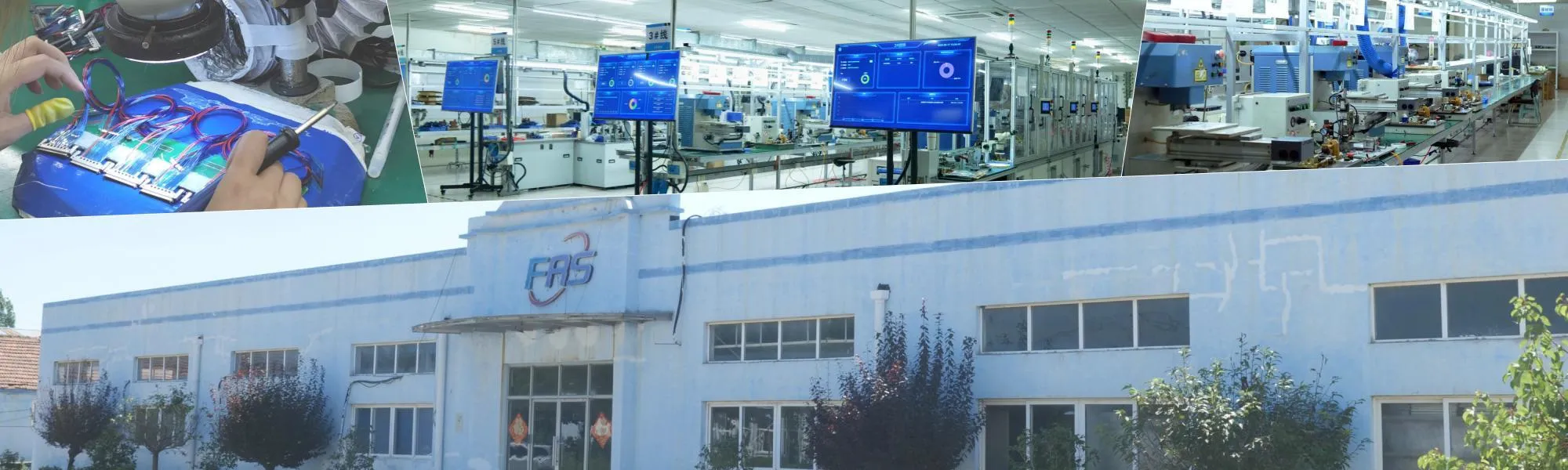
At FRS, we specialize in manufacturing high-performance 50Ω micro coaxial cablesand cable assemblies, engineered for demanding test and measurement applications.
- Wide Range of Sizes:We offer standard and custom micro coax cables from 50 AWG to 32 AWG, with various shielding options to meet your specific loss and shielding requirements.
- Factory-Direct Customization:As a factory, we provide cost-effective, made-to-order solutions. Provide us with your drawings or performance needs, and we’ll deliver samples for validation.
- Rigorous Quality Control:Our in-house testing ensures that every cable meets specifications for impedance, attenuation, VSWR, and shielding effectiveness, guaranteeing reliable, repeatable results.
- Dedicated Technical Support:Our engineers are available to assist with cable selection, provide application-specific advice, and support you from prototyping to mass production.
For dependable 50Ω micro coaxial cablesolutions that won’t compromise your test results, contact FRS today. Let us be your partner in building accurate and robust test systems.