Encoders on closed-loop stepper motors (e.g., BLDC motors in advanced extruders).
Precision temperature sensors (thermocouples) for heated chambers or nozzles.
Signal-Intensive Components:
Load cells (auto bed leveling strain gauges).
High-speed camera feeds for monitoring/AI error detection.
Why Coax Matters for Print Quality
EMI/RFI Shielding: Coax blocks electromagnetic interference (EMI) from motors, heaters, and power cables. Without this, sensors can send false signals → layer shifts, thermal errors, or print failures.
Signal Integrity: Maintains accurate data transmission over distance—critical for sensors far from the mainboard (e.g., chamber thermocouples).
Durability: Resists wear from continuous motion (e.g., on moving gantries).
When to Consider Coaxial Cable
Use coax if your printer has:
Closed-loop systems (e.g., Duet3D, BigTreeTech motor encoders).
High-temperature environments (>100°C) where standard cables degrade.
Frequent “thermal runaway” or signal errors despite troubleshooting.
Choosing the Right Coaxial Cable
Feature
Ideal for 3D Printers
Avoid
Impedance
50Ω or 75Ω (match sensor specs)
Mismatched impedance
Shielding
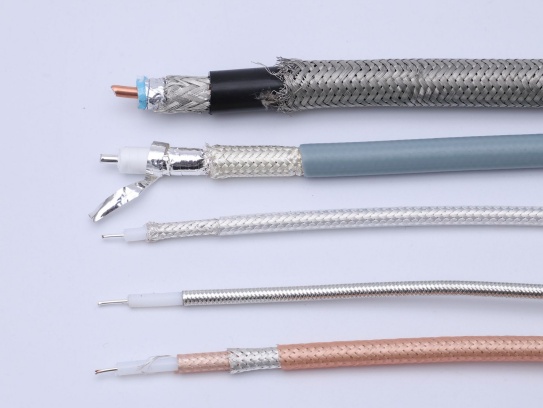
Dual-layer (foil + braid)
Single-layer shielding
Jacket
Silicone (flexible, heat-resistant)
PVC (stiff, melts easily)
Connectors
Gold-plated (resists oxidation)
Cheap tin-plated types
Recommended Types:
RG-174: Thin, flexible. Perfect for encoders.
RG-316: Higher heat resistance (200°C). Ideal for chamber sensors.
Installation Tips
Route Away from Power Cables: Cross coax/power at 90° angles to minimize interference.
Secure Strain Relief: Use clips or zip ties near connectors to prevent tug damage.
Test Continuity: Multimeter check post-install (signal-to-shield resistance should be >1MΩ).
Troubleshooting Coax Issues
Symptoms of Failure:
Erratic bed leveling.
“MAXTEMP” or “MINTEMP” errors.
Layer shifts during high-speed moves.
Quick Fixes:
Inspect for kinks/pinch points.
Re-seat connectors (oxidized contacts cause 70% of issues).
Replace with shielded cable if coax isn’t available (temporary fix).
Alternatives When Coax Isn’t Necessary
Stepper Motor Wiring: Standard twisted-pair wires suffice (e.g., CAT5).
Thermistors: Silicone-coated PTFE wires work for most sub-300°C hotends.
Where to Buy Reliable Cables
Trusted Brands: Igus, Lapp Group, TE Connectivity.
Always verify cable specifications against your printer’s sensor requirements (consult OEM docs). Over-engineering with heavy coax adds unnecessary weight to moving parts.
Need Parts? Find compatible coaxial cables at trusted suppliers:
Digi-Key Electronics
Mouser Electronics
Printed Solid (Prusa-specific)
By selecting the right coaxial cable for sensitive 3D printer components, you’ll reduce print failures and extend hardware life—delivering smoother, more accurate results.
In today’s interconnected global marketplace, where electronic components and systems flow across borders seamlessly, compliance with international environmental regulations has become a non-negotiable standard for manufacturers, suppli...
In the realm of in-wall cable installation, having the right tools can make a world of difference between a smooth, efficient process and a frustrating, time-consuming ordeal. Wall fish tools, specifically designed for navigating the ti...
Imagine facing a tangled nest of identical, hair-thin micro-coaxial cables during a critical system upgrade or a frantic troubleshooting session. The seconds tick by as you meticulously trace connections, hoping you don’t misplug and ca...
Micro coaxial cables are essential in high-frequency applications like telecommunications, medical imaging, aerospace systems, and broadcast equipment. However, long runs face challenges like signal degradation, electromagnetic interfer...
Coaxial cable assemblies are the unsung heroes of modern connectivity, enabling reliable signal transmission in everything from home internet setups to heavy-duty industrial machinery. However, not all coaxial cable assemblies are creat...
Automotive display systems—from instrument clusters to pillar‑to‑pillar 4K/8Kpanoramic displays and HUDs—depend on high‑speed, low‑loss interconnects that survive the vehicle’s harsh environment. An automotive‑grade micro coaxial cable ...
In the modern world, where seamless communication and reliable signal transmission are the backbones of countless industries, coaxial cables stand as unsung heroes. From television broadcasting to telecommunications, from medical equipm...
Selecting the right coaxial cable assemblies is critical for optimizing the performance, reliability, and longevity of radio systems. Whether for amateur radio, commercial communication, or industrial wireless applications, suboptimal c...
What is High-Frequency Signal Integrity?Signal integrity refers to the ability of a cable to transmit signals without distortion or degradation. At high frequencies (1 GHz to 100+ GHz), challenges include:
Attenuation: Signal lo...
Coaxial cables have played a pivotal role in the evolution of network communication systems. Among them, Thicknet (Thick coaxial cable) and Thinnet (Thin coaxial cable) were widely used in early Ethernet implementations, particularl...
Micro coaxial cables (micro coax) are the hidden heroes of our digital lives. Found inside smartphones, laptops, cameras, drones, and countless other devices, these tiny cables carry crucial video signals (like HDMI or camera feeds) and...
Frequency Range and BandwidthMicro coax typically operates in DC to 40+ GHz ranges. Key considerations:
Cutoff Frequency: Determined by the cable’s inner diameter (ID) and dielectric material. For example:0.81mm ID PTFE cable...
Micro coaxial connectors are essential components in modern electronics, enabling high-frequency signal transmission in compact devices. Here are the most common types:
1. MCX Connectors
Size: 30% smaller than SMB
Frequency: 0...
Self-driving cars are marvels of modern technology, relying on a complex array of eyes and ears – sensors like cameras, radar, LiDAR, and ultrasonics – to perceive the world. But what carries the massive amounts of data these sensors ge...
Coaxial cable assemblies are widely used in communication, aerospace, medical equipment, and other fields, and their connector performance directly affects signal transmission quality. Over time, dust, oil, oxidation, and other contamin...
Micro coaxial cables (micro coax) are the unsung heroes inside countless modern gadgets. From your smartphone and laptop camera to critical medical equipment and automotive systems, these tiny cables carry vital high-frequency signals l...
In recent years, our factory has achieved a significant reduction in the production cost of coaxial cables through a series of targeted measures. These efforts not only enhance our market competitiveness but also bring tangible benefits...
The short answer is: Absolutely yes. Coaxial Cable Assemblies have become an indispensable component in modern medical equipment, thanks to their unique structural design and performance advantages that perfectly align with the strict o...
The question of whether coaxial cable assemblies can be modified after purchase is a common one among engineers, technicians, and hobbyists who work with RF (radio frequency), video, or data transmission systems. The short answer is: so...
Choosing the right insulation material is critical when designing or selecting micro coaxial cables, especially for demanding RF (radio frequency) and microwave applications. Polytetrafluoroethylene (PTFE) and fluorinated ethylene propy...
In the realm of modern communication and electronic systems, coaxial cable assemblies stand as a cornerstone technology, playing a pivotal role in transmitting signals with reliability and efficiency. Among the key performance metrics t...
The relentless pursuit of lighter, faster, and more capable aerospace platforms demands technological advancements in every component, down to the wire. Micro-coaxial cables (micro-coax) stand at the forefront of this evolution, servin...
The global micro-coaxial cable market is experiencing dynamic growth, driven by advancements in high-frequency signal transmission and miniaturized electronics. Recent research highlights key trends shaping this niche but critical secto...
Coaxial cable assemblies are critical components in industries ranging from telecommunications and aerospace to medical equipment and industrial automation. Their ability to transmit high-frequency signals with minimal interference make...
Microwave links play a pivotal role in modern communication systems, enabling high-speed data transmission across long distances without the need for physical fiber-optic cables or terrestrial wiring. From telecommunications networks an...
In the high-stakes world of medical training, simulation technology bridges the gap between theory and practice. From intricate surgical simulators to high-fidelity ultrasound trainers, these platforms demand unparalleled accuracy and r...
Introduction
The rollout of 5G network infrastructure has been a global phenomenon, promising faster data speeds, lower latency, and the ability to connect a vast number of devices simultaneously. As the demand for high – perfo...
In modern technology, micro coaxial cables are vital for seamless data transmission and signal integrity. With their concentric design, they handle high-frequency signals with low loss and interference. As tech advances, their demand su...
The short answer is yes—coaxial cable assemblies can be reliably used in underwater projects, but their performance depends entirely on targeted design, material selection, and compliance with underwater environmental constraints. Unlik...
In the world of broadcasting, nothing frustrates listeners or viewers more than a distorted signal. Interference can ruin the entire experience, whether it’s static on a radio, pixelation on a TV, or dropped audio in a live stream. Achi...
In the complex and demanding landscapes of industrial environments, high – temperature coaxial cables have emerged as an indispensable component. These cables are engineered to withstand extreme heat, ensuring reliable signal tran...
Compact Structure and Precision EngineeringMicro coaxial cables are distinguished by their miniature size, typically with outer diameters ranging from 0.25 mm to 2 mm. Despite their small footprint, they maintain a layered structure s...
In the realm of telecommunications and signal transmission, coaxial cable assemblies play a pivotal role in ensuring reliable, high-quality data and power transfer. Among the numerous types available, LMR and RG coaxial cable assemblies...
Structural and Material DifferencesSemi-Rigid Coaxial CablesOuter Conductor: Constructed from a seamless metal tube (typically copper or aluminum), providing exceptional mechanical stability.Dielectric: Uses solid polytetrafluoroet...
In the field of coaxial cable applications, whether it is for communication, broadcasting, or other industries, reliable after-sales service is crucial for users. Recently, good news has come: the coaxial cable after-sales service hotli...
In the realm of industrial and commercial applications, cable repair and protection are critical for ensuring system reliability, safety, and longevity. Among the various solutions available, heat shrink tubing stand...
In the era of artificial intelligence, AI vision technology has become a core driver of industrial automation, smart cities, and intelligent transportation. From high-precision product inspection on assembly lines to real-time monitorin...
In AI vision systems, the demand for high-resolution, real-time image data is ever-increasing. From autonomous mobile robots (AMRs) and drones to handheld inspection devices and smart cameras, the interface between the image sensor and ...
If you’re working with RF (radio frequency) systems, antennas, or small-scale electronics, chances are you’ve encountered RG-174 micro-coaxial cables. These thin, flexible cables are popular for their low loss and durability in tight s...
In the world of high – performance electronics, especially in military, aerospace, and other critical applications, micro – coaxial cables play a pivotal role. These cables are designed to transmit high – frequency sig...
Micro Coaxial Cable: High-Quality Solutions for Precision Applications
Micro coaxial cables are essential components in high-performance electronic applications, providing reliable signal transmission in compact and flexible designs. A.
IntroductionIn today’s fast-paced digital world, reliable and high-speed data transmission is critical for industries ranging from telecommunications to aerospace. Enter High-Speed Data Micro-Coax—a cutting-edge miniature coaxial cable e.
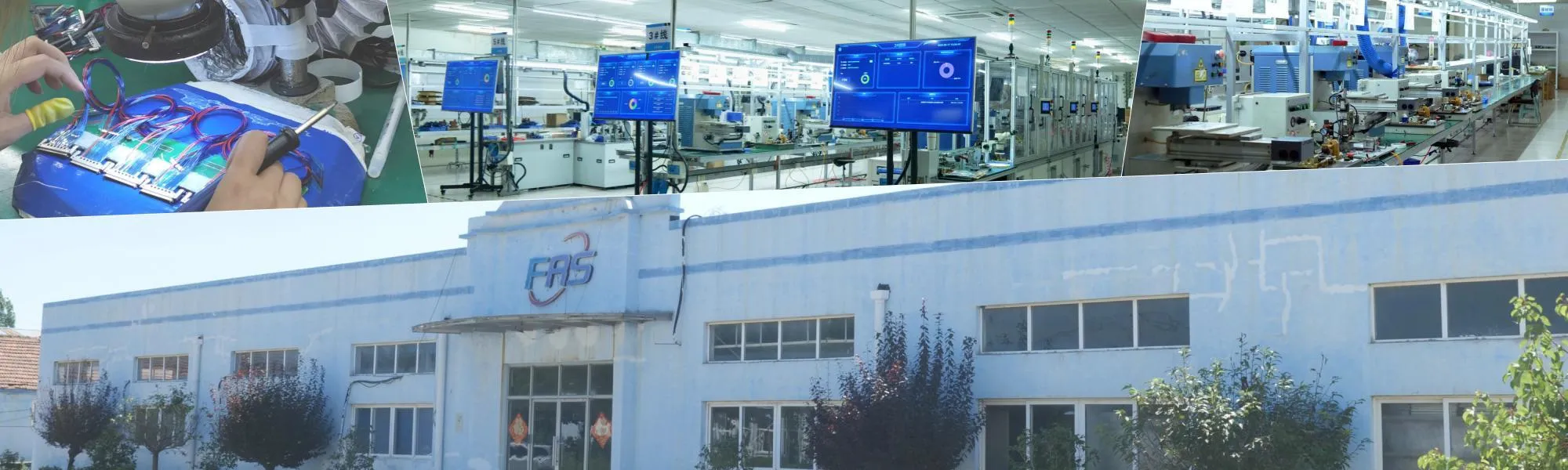
Contact Us Micro Coaxial Cable factory-(FRS).
Feel free to reach out to us for any inquiries or orders