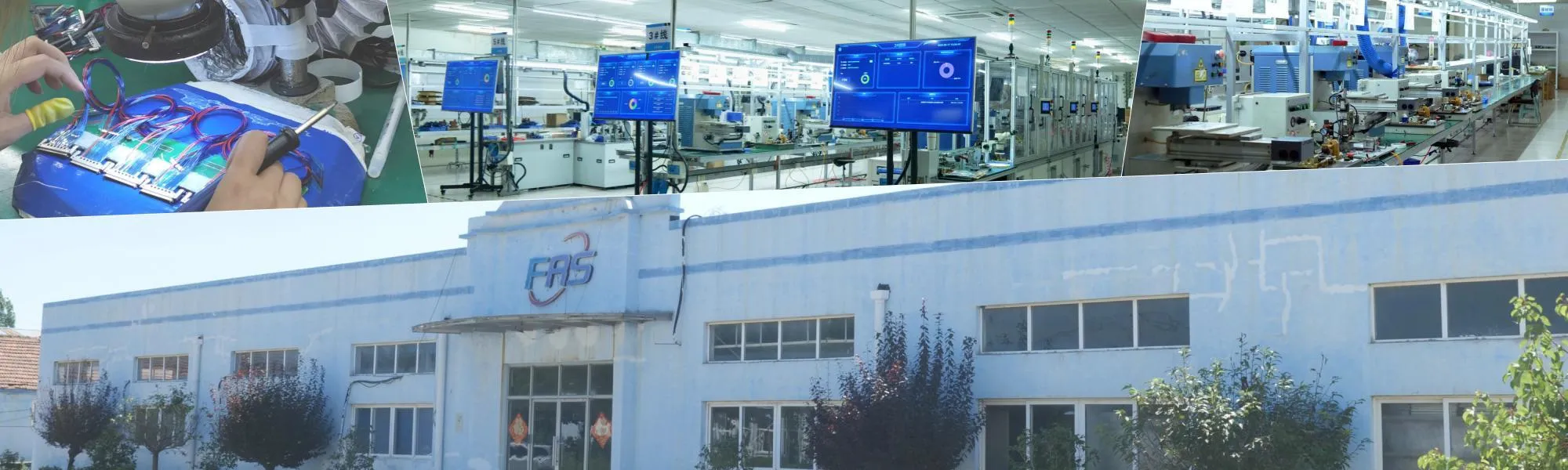
Micro Coaxial Cable factory-(FRS)
In the complex and harsh operating environment of military vehicles, every component plays a critical role in ensuring mission success and personnel safety. Among these components, Coaxial Cable Assemblies for military vehicles stand out as the lifeline of communication, navigation, and sensor systems. Unlike commercial coaxial cables, those designed for military vehicles must withstand extreme temperatures, intense vibrations, electromagnetic interference (EMI), moisture, and physical abrasion. Selecting the right coaxial cable assemblies is therefore not just a technical decision but a strategic one that directly impacts the performance and reliability of military vehicle systems. This guide will walk you through the essential factors to consider when choosing Coaxial Cable Assemblies for military vehicles, ensuring that your selection meets the rigorous demands of military applications.
Military vehicles operate in some of the most unforgiving environments on Earth, from the scorching deserts of the Middle East to the freezing tundras of the Arctic, and from dusty combat zones to humid jungle terrains. Coaxial Cable Assemblies for military vehicles must be engineered to resist these extreme conditions without compromising signal integrity. Here are the key environmental factors to prioritize:
Military vehicles are exposed to temperature fluctuations ranging from -55°C to +125°C, and in some cases even higher. The coaxial cable assembly’s jacket, insulation, and conductor materials must maintain their physical and electrical properties within this range. For example, PTFE (Polytetrafluoroethylene) insulation is ideal for high-temperature applications due to its excellent thermal stability, while polyethylene insulation may be suitable for moderate temperature ranges but can become brittle in extreme cold. When selecting, ensure the cable assembly is rated for the specific temperature extremes of your vehicle’s operational theater.
Military vehicles experience constant vibration during movement, as well as sudden shocks from explosions, rough terrain, or collisions. Poorly designed coaxial cable assemblies can develop loose connections, cracked insulation, or damaged conductors under these conditions, leading to signal loss or complete system failure. Look for assemblies with robust shielding (such as double braided or foil-and-braid shielding), strain relief boots at connectors, and secure termination techniques (like crimping or soldering) that can withstand high vibration levels. Military standards like MIL-STD-810G specify vibration and shock testing requirements, so choose assemblies that comply with these standards.
Moisture, oil, fuel, and chemical agents (such as deicing fluids or chemical weapons) can degrade coaxial cable assemblies over time. The outer jacket material should be resistant to these substances; options include PVC (Polyvinyl Chloride), neoprene, or polyurethane. Polyurethane jackets offer superior abrasion resistance, making them suitable for cables routed in areas where they may come into contact with sharp edges or moving parts. Additionally, look for assemblies with waterproof or water-resistant connectors (e.g., IP67 or IP68 ratings) to prevent moisture ingress, which can cause corrosion and signal degradation.
Coaxial Cable Assemblies for military vehicles are responsible for transmitting high-frequency signals between critical systems such as radios, GPS receivers, radar, and electronic warfare (EW) equipment. Any degradation in signal quality can lead to communication breakdowns, inaccurate navigation, or ineffective EW operations. Key electrical performance parameters to evaluate include:
Impedance mismatch between the coaxial cable assembly and the connected equipment can cause signal reflection, leading to power loss and reduced signal strength. Most military communication and radar systems use 50-ohm impedance, while some video systems may use 75-ohm. It is crucial to select a cable assembly with the exact impedance rating required by your system to ensure maximum signal transfer efficiency. Using a cable with the wrong impedance can result in poor system performance and even damage to sensitive equipment.
Attenuation refers to the loss of signal strength as it travels through the cable. For military vehicles, which often have long cable runs between systems, minimizing attenuation is essential. Attenuation is influenced by cable diameter, conductor material, and insulation type. Larger diameter cables typically have lower attenuation, but they are also heavier and less flexible. Copper-clad steel conductors offer a balance of conductivity and strength, while solid copper conductors provide lower attenuation but may be more prone to breakage under vibration. When selecting, compare attenuation values at the operating frequency of your system (e.g., UHF, VHF, or microwave) to ensure the cable assembly meets your signal loss requirements.
Military vehicles are filled with electronic equipment that generates EMI, which can interfere with the signals transmitted by coaxial cables. Conversely, coaxial cables can also emit EMI, disrupting other sensitive systems. Effective shielding is therefore critical to maintain signal integrity. Common shielding configurations include: Single braid shielding: Offers basic EMI protection and is suitable for low-interference environments.Double braid shielding: Provides higher shielding effectiveness (typically 85-90 dB) by combining two layers of braided copper or aluminum.Foil-and-braid shielding: Combines a metallic foil (for coverage of high-frequency EMI) with a braid (for mechanical strength and low-frequency EMI protection), offering shielding effectiveness up to 100 dB. For high-sensitivity applications like EW or radar, choose Coaxial Cable Assemblies for military vehicles with foil-and-braid or double braid shielding to ensure maximum EMI rejection.
Military applications require strict adherence to standardized specifications to ensure interoperability, reliability, and quality. When selecting Coaxial Cable Assemblies for military vehicles, look for compliance with the following key military standards (MIL-STD) and specifications:
While primarily a standard for data bus systems, MIL-STD-1553 specifies requirements for cables used in avionics and military vehicle data networks. Coaxial cable assemblies used in these networks must meet the standard’s requirements for impedance, attenuation, and EMI shielding.
MIL-C-17 is the military specification for coaxial cables, covering everything from conductor materials to jacket thickness. Cables complying with MIL-C-17 are tested for electrical and physical performance under harsh conditions, making them a reliable choice for military vehicle applications.
This standard outlines environmental testing procedures for military equipment, including temperature, vibration, shock, moisture, and dust. Coaxial Cable Assemblies for military vehicles that have passed MIL-STD-810 testing demonstrate their ability to withstand the rigors of military operations.
The connectors used in the coaxial cable assembly are just as important as the cable itself. Military-grade connectors such as BNC, TNC, SMA, and N-type are designed for durability and reliable performance. Ensure the connectors comply with standards like MIL-C-39012 (BNC connectors) or MIL-C-18840 (SMA connectors) to ensure compatibility with existing military equipment.
Military vehicles have limited space, and coaxial cable assemblies must be routed through tight compartments, around equipment, and between moving parts. Mechanical flexibility is therefore a key consideration. Flexible cables are easier to install and less likely to kink or break when bent. However, flexibility must be balanced with durability—some flexible cables may be more prone to abrasion. Additionally, consider the cable’s weight, as excess weight can impact the vehicle’s fuel efficiency and maneuverability. For applications where space is extremely limited, miniaturized coaxial cable assemblies (with smaller diameter cables and connectors) may be the ideal solution, provided they meet the required electrical and environmental performance standards.
Not all military vehicle applications are the same. Some may require custom cable lengths, unique connector configurations, or specialized shielding to meet specific system requirements. When selecting a supplier for Coaxial Cable Assemblies for military vehicles, look for one with strong customization capabilities. A reputable supplier should be able to design and manufacture cable assemblies tailored to your vehicle’s unique layout, operating environment, and system specifications. Customization may include: Custom cable lengths to minimize signal loss and reduce excess cable clutter.Hybrid cable assemblies that combine coaxial cables with power or data cables for simplified routing.Specialized jacket materials for extreme chemical or temperature resistance.Custom connector terminations to fit non-standard equipment interfaces. Working with a supplier that offers customization ensures that your coaxial cable assemblies are perfectly matched to your military vehicle’s needs, rather than forcing you to adapt to off-the-shelf solutions that may not meet all requirements.
When it comes to selecting Coaxial Cable Assemblies for military vehicles, FRS stands out as a leading manufacturer with a proven track record of delivering high-performance, reliable solutions that meet the most rigorous military standards. For over [X] years, FRS has specialized in engineering and manufacturing coaxial cable assemblies tailored to the unique demands of military applications, and our commitment to quality, innovation, and customer satisfaction has made us a trusted partner for defense contractors and military organizations worldwide.
At FRS, we understand that Coaxial Cable Assemblies for military vehicles must excel in extreme environments, and our products are designed and tested to comply with MIL-STD-810G/H, MIL-C-17, and other critical military specifications. Our cable assemblies feature high-quality materials—including PTFE insulation, polyurethane jackets, and foil-and-braid shielding—to ensure superior temperature resistance, vibration tolerance, EMI rejection, and abrasion resistance. We offer a wide range of standard products, including 50-ohm and 75-ohm assemblies with BNC, TNC, SMA, and N-type connectors, as well as fully customizable solutions to meet your unique application requirements.
What sets FRS apart is our unwavering focus on quality control. Every Coaxial Cable Assembly for military vehicles we produce undergoes rigorous testing, including electrical performance testing (impedance, attenuation, return loss), environmental testing (temperature, vibration, moisture), and mechanical testing (tensile strength, flex life). Our state-of-the-art manufacturing facility is ISO 9001 and AS9100 certified, ensuring that every product meets the highest standards of quality and consistency.
Whether you need standard coaxial cable assemblies for communication systems or custom solutions for radar or EW applications, FRS has the expertise, experience, and capabilities to deliver. We work closely with our customers to understand their specific needs, providing technical support and engineering assistance throughout the design and manufacturing process. With FRS, you can trust that your Coaxial Cable Assemblies for military vehicles will perform reliably in the harshest conditions, ensuring that your critical systems operate at peak efficiency when it matters most.
Choose FRS for Coaxial Cable Assemblies for military vehicles—where quality, reliability, and performance meet the demands of military excellence.
Our factory offers high-quality products at competitive prices
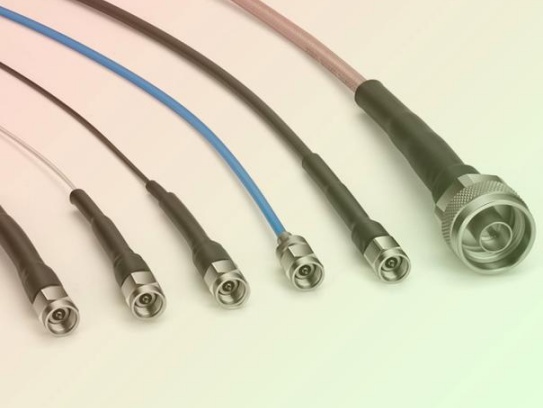
H1: Precision Instrument Micro-Coax – Engineered for Critical Signal Integrity Meta Description: Discover Precision Instrument Micro-Coax: Miniature coaxial cable solution optimized for high-frequency signal transmissio.
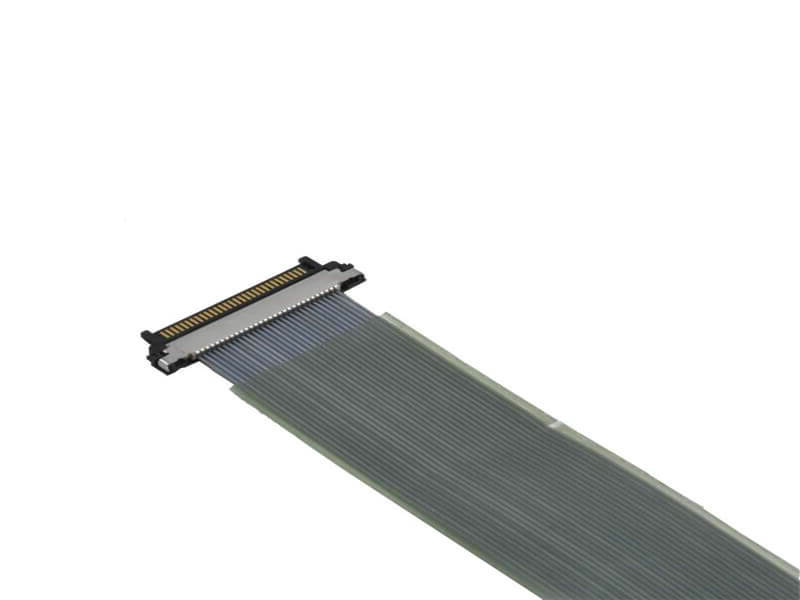
KEL’s Micro Coaxial Cable solutions are at the forefront of modern electronic connectivity, offering exceptional performance in high-speed data transmission, miniaturization, and reliability. These connectors are integral to various.
Feel free to reach out to us for any inquiries or orders