
Micro Coaxial Cable factory-(FRS)
Coaxial cables are crucial for transmitting high-frequency electrical signals with minimal interference. This article offers an overview of their specifications and technical data.
1. Structure of Coaxial Cables
A coaxial cable comprises four main parts:
2. Key Specifications
2.1 Characteristic Impedance
Measured in ohms, common values are 50 Ω (RF applications), 75 Ω (video and CATV), and 93 Ω (specific data systems).
2.2 Attenuation
Signal loss along the cable, measured in dB/m, is affected by frequency, length, and cable construction.
2.3 Capacitance and Inductance
Capacitance (pF/m) impacts signal speed and impedance; inductance (H/m) influences impedance and signal – carrying capacity.
2.4 Maximum Voltage Rating
Determined by the dielectric and construction, it indicates the highest safe voltage the cable can carry.
3. Technical Data Sheets
They detail a cable’s performance:
4. Types of Coaxial Cables
5. Applications of Coaxial Cables
Used in telecommunications (telephone and cellular networks), broadcasting (CATV and radio), data transmission (Ethernet and high – speed links), and industrial/military systems.
6. Choosing the Right Coaxial Cable
Consider application requirements, cable length, environmental conditions, and cost – effectiveness when selecting a coaxial cable.
Our factory offers high-quality products at competitive prices
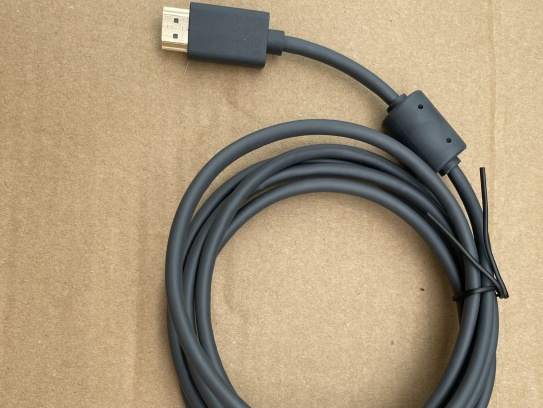
OverviewMicro-Coax for HD Video is a cutting-edge coaxial cable engineered to deliver uncompromised high-definition video quality across professional and industrial applications. Designed for reliability, precision, and versatility,.
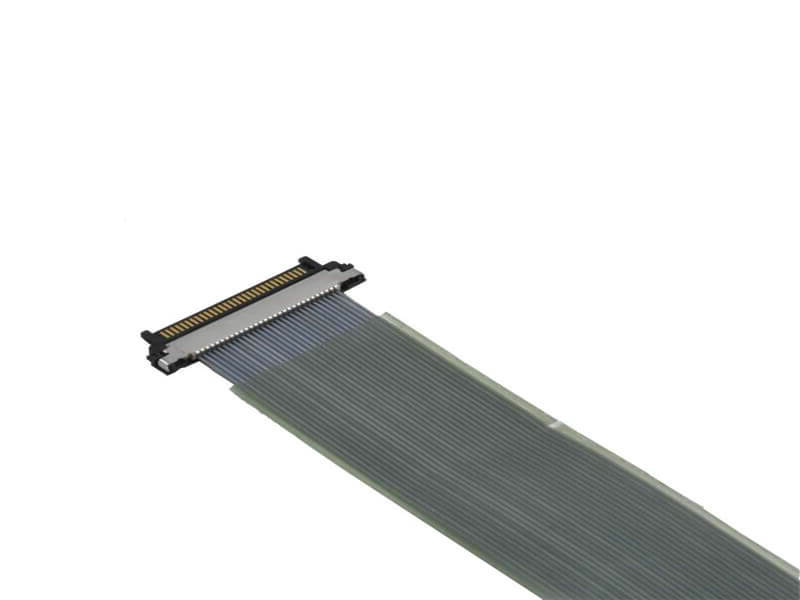
KEL’s Micro Coaxial Cable solutions are at the forefront of modern electronic connectivity, offering exceptional performance in high-speed data transmission, miniaturization, and reliability. These connectors are integral to various.
Feel free to reach out to us for any inquiries or orders