Coaxial Cable: The Unsung Hero of Reliable Renewable Energy Monitoring - Micro Coaxial Cable factory-(FRS)
Micro Coaxial Cable factory-(FRS)
INFO
Renewable energy installations – vast solar farms, towering wind turbines, intricate hydro plants – are complex systems demanding constant vigilance. Accurate monitoring of performance, environmental conditions, and equipment health is absolutely critical for maximizing efficiency, preventing downtime, and ensuring safety. At the heart of transmitting this vital data reliably from sensors scattered across challenging environments often lies a workhorse you might not expect: Coaxial Cable.
Why Coaxial Cable Fits the Renewable Monitoring Bill
Unlike simple electrical wires or unshielded cables, coaxial cable boasts a specific structure perfectly suited for the demands of renewable energy monitoring:
Superior Noise Immunity & Signal Integrity:
Renewable sites are electrical noise factories! Inverters converting DC to AC, large motors (in wind turbines), switching power supplies, and even atmospheric events generate significant electromagnetic interference (EMI). Coaxial cable’s design – a central conductor surrounded by insulation, a metallic shield (braid or foil, often both), and an outer jacket – acts as a Faraday cage.
This shield effectively traps external EMI from corrupting the critical signals travelling on the inner conductor. Simultaneously, it prevents signals inside the cable from radiating out and interfering with other sensitive electronics nearby. This ensures that the low-voltage signals from temperature sensors, vibration monitors, voltage transducers, or camera feeds arrive at the monitoring station clearly and accurately.
Stable Impedance & Low Signal Loss:
Coax is designed with precise impedance (commonly 50Ω or 75Ω). This controlled characteristic impedance minimizes signal reflections as data travels along the cable length.
Combined with good quality dielectric insulation, this results in lower signal attenuation (loss) compared to simpler cabling options over similar distances. This is crucial for ensuring signals from remote sensors are still strong and decipherable at the control room.
Robustness & Durability in Harsh Environments:
Renewable installations are exposed. Think blazing sun, torrential rain, freezing ice, high winds, salt spray (coastal sites), abrasion, rodents, and UV radiation.
Quality coaxial cables feature tough outer jackets specifically formulated to withstand these elements – UV-resistant polyethylene (PE), moisture-blocking formulations, direct-burial variants, and options resistant to oils or chemicals common in industrial settings. Their physical structure also provides good crush resistance compared to many multi-conductor cables.
Wide Bandwidth Capability:
While not always pushing its absolute limits in monitoring applications, the inherent design of coax provides ample bandwidth. This readily handles the data rates required for various sensors (voltage, current, temperature, pressure, wind speed, video surveillance feeds for security or inspection) without bottlenecking, including more complex digital protocols.
Versatility & Proven Technology:
Coaxial cables are readily available in various diameters (RG standards like RG6, RG11, RG58, LMR® types), shielding levels, and environmental ratings to suit different applications within a renewable site – shorter runs for turbine nacelle sensors, longer runs across solar fields, or connections to weather stations.
It’s a mature, well-understood technology offering reliable performance at a typically lower cost point than fiber optics for medium-distance, high-noise-immunity applications.
Key Applications in Renewable Energy Monitoring
Solar Farms: Connecting voltage/current sensors at combiner boxes or inverters back to central data loggers/SCADA systems. Critical current transformer (CT) signal transmission.
Wind Turbines: Transmitting data from vibration sensors, temperature monitors (bearings, gearbox), anemometers (wind speed/direction), pitch control signals, and internal video feeds down the tower to the base controller.
Hydroelectric Plants: Connecting sensors monitoring water pressure, turbine vibration, bearing temperature, gate position, and environmental conditions around the facility.
Battery Energy Storage Systems (BESS): Transmitting sensor data on cell voltages, temperatures, and cabinet conditions within potentially high-EMI environments.
Site-Wide Monitoring: Connecting weather stations (solar irradiance, wind, precipitation) and security cameras to central monitoring points.
Choosing the Right Coax for Monitoring
When specifying coaxial cable for your renewable energy project, consider:
Impedance: Match the impedance required by your sensors and monitoring equipment (typically 50Ω or 75Ω).
Shielding Effectiveness: Opt for cables with high-percentage braid shielding (e.g., 95% braid) or foil/braid combinations for maximum EMI protection in noisy electrical environments.
Environmental Rating: Select jackets rated for UV resistance, moisture resistance (often flooded/direct-burial types for underground ducts or exterior runs), and suitable temperature range (-40°C to +80°C is common). Look for flame-retardant options where required (e.g., plenum ratings inside buildings).
Attenuation: Choose a cable with sufficiently low signal loss (dB loss per 100 ft/m) for your required frequency and cable run length. Thicker cables (e.g., RG11/LMR-400) generally have lower loss than thinner ones (RG58/RG6).
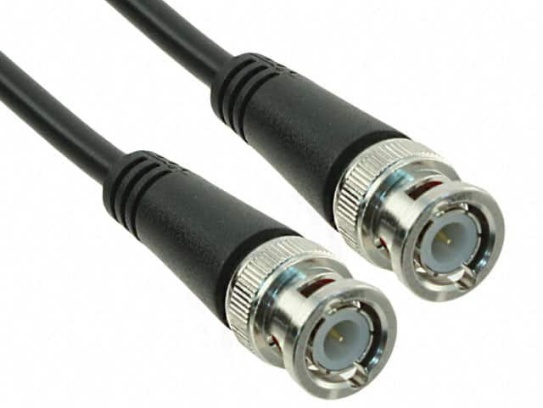
Connector Compatibility: Ensure compatible connectors (BNC, N-Type, SMA, F-Type) are available and can be reliably installed for your sensor interfaces.
Coaxial vs. Alternatives
Twisted Pair (e.g., Cat5e/6): Can work for some digital signals, but generally offers significantly less inherent EMI immunity than coax. More susceptible to noise in high-interference renewable environments. Often needs shielded versions (STP) which approach coax cost.
Fiber Optic: Excellent for extreme distances and absolute EMI immunity, but requires more expensive transceivers at each end and specialized installation/training for termination and repair. Often overkill for shorter distances where coax performs reliably.
Wireless: Convenient but prone to interference, signal dropout in metal structures, requires power at sensors, and potential security concerns. Coaxial provides a stable, secure, and interference-resistant wired backbone.
Conclusion
In the demanding world of renewable energy monitoring, where accurate data transmission amidst electrical noise and harsh elements is paramount, coaxial cable proves to be an exceptionally reliable and cost-effective solution. Its inherent shielding, robust construction, and stable signal transmission characteristics make it the trusted choice for connecting vital sensors monitoring solar panels, wind turbines, hydro plants, and energy storage systems. By ensuring data integrity from source to control room, coaxial cable plays a fundamental role in maximizing the efficiency, safety, and longevity of renewable energy assets, ultimately contributing to a cleaner energy future. When planning your monitoring infrastructure, don’t underestimate the quiet power of a well-chosen coaxial cable.
Ever wondered how long it takes for your high-speed digital signal or precise RF pulse to travel down a tiny micro coaxial cable? That travel time is called propagation delay, and it’s a critical factor in timing-sensitive applic...
In the high-stakes world of modern military operations, mission-critical communication is the cornerstone of coordination, intelligence gathering, and command execution. But what happens when a powerful electromagnetic pulse (EMP)...
Micro-coaxial cables are the unsung heroes of modern electronics, carrying high-frequency signals in devices like cameras, drones, medical equipment, and complex AV setups. But they’re incredibly delicate. One wrong bend can creat...
Coaxial cable assemblies are critical components in industries ranging from telecommunications and aerospace to medical equipment and industrial automation. Their ability to transmit high-frequency signals with minimal interference depe...
Micro coaxial cables are essential in modern electronics, enabling high-frequency signal transmission in compact devices from smartphones to satellites. However, their performance and longevity are heavily influenced by temperature. Und...
Micro coaxial cables are essential components in modern electronics, enabling high-speed signal transmission in compact devices like smartphones, medical equipment, cameras, and wearables. However, their small size makes them particular...
Key Changes in the 2024 Revision
Extended Frequency Range: New testing requirements now cover up to 110 GHz (previously 67 GHz) to accommodate 6G and automotive radar applications
Stricter Impedance Tolerance: ±3Ω uniformity requ...
Micro coaxial cables – those incredibly thin wires inside your smartphone, drone, medical device, or advanced camera – are engineering marvels. But precisely because they’re so small, they’re prone to specific types of damag...
Why Bend Radius and Soldering Matter for Micro Coax CablesBend Radius Impact: Exceeding the minimum bend radius causes:Signal Degradation: Increased attenuation (up to 30% at 60 GHz).Mechanical Stress: Shield fractures and dielect...
Many engineers and technicians grapple with a pivotal question during system design: What is the maximum length of coaxial cable assemblies that preserves signal stability? Unlike a fixed number, this limit hinges on interconnected fact...
Keeping micro coaxial connectors (like BNC, SMA, SMB, MCX, MMCX) clean is crucial for strong, reliable signals in cameras, medical devices, test equipment, and communications gear. Dirt, dust, oils, or oxidation can cause fuzzy pictures...
Coaxial cable, often recognized by its distinctive round shape and threaded metal connector (F-type or BNC), might seem like a relic from older CCTV systems. Yet, coaxial cable remains a relevant, reliable, and often preferable choice&...
Confused about when to reach for Micro-Coaxial or Twinaxial cables in your data center? Both are critical components in the high-speed data plumbing that keeps our digital world running, but they serve distinct purposes. Cho...
In the field of microwave testing, the performance of transmission components directly determines the accuracy and reliability of test results. Among these components, micro-coaxial cables stand out as a critical link, playing an irrepl...
In the complex web of modern electronics and communication systems, signal integrity is the backbone of reliable performance. From the data centers powering global networks to the medical devices monitoring vital signs, and from aerospa...
The ease of routing coaxial cable assemblies in tight spaces depends not on a simple “yes” or “no,” but on design characteristics of the assemblies and routing strategies adopted. For users dealing with compact e...
Ordering bulk quantities of coaxial cable assemblies is a critical process that directly impacts project timelines, budget efficiency, and overall performance of electronic systems. Whether you’re sourcing for telecommunications, aerosp...
Coaxial cables are indispensable in telecommunications, broadcasting, and aerospace, where even minor quality flaws can lead to signal loss, system failures, or safety hazards. Hence, strengthening the coaxial cable quality inspection p...
Working with micro coaxial cables (common in electronics, drones, cameras, medical devices, and communications) requires precision tools due to their tiny size and delicate construction. Using the wrong tools can easily damage the cable...
Coaxial cable is a fundamental component for transmitting high-frequency electrical signals with minimal interference. It consists of four layers sharing a common axis: a center conductor, a dielectric insulator, a metallic shield, and ...
In response to the growing global demand for sustainable waste management and the urgent need to reduce electronic waste (e-waste), our factory is proud to announce the official launch of our Coaxial Cable Recycling Program. This initia...
In today’s fast-paced manufacturing and electronics industries, finding a reliable local supplier of coaxial cable assemblies is crucial for businesses aiming to streamline production, reduce lead times, and maintain consistent product ...
In the world of virtual reality (VR), a seamless and immersive experience relies heavily on stable, high-speed data transmission. While many focus on headsets and sensors, the cables connecting these components play a crucial role. Coax...
The realm beneath the ocean’s surface holds immense potential, from deep-sea resource exploration and environmental monitoring to underwater infrastructure inspection and defense applications. Submersible drones (or ROVs – R...
When your application demands more than a standard cable can handle, it’s time to specify a true high-temp micro coaxial cableengineered for industrial-gradereliability.
This article explains the critical performance factors of high-...
In the era of Industry 4.0, smart manufacturing has become the core driver of industrial upgrading, relying on advanced technologies such as the Internet of Things (IoT), artificial intelligence (AI), and automation to realize efficient...
In today’s fast-paced business world, communication infrastructure is the backbone of operations—but rising costs from signal loss, frequent maintenance, and complex installations often weigh on budgets. For enterprises, broadband provi...
Introduction
Imagine your internet cutting out during an important video call, or a medical robot failing mid-surgery due to undetected cable damage. Micro-coaxial cables (micro-coax) – the hair-thin wires powering everything from 5G...
If you’re setting up a satellite dish, having the right wiring kit can make all the difference. A satellite dish wiring kit with premium cables isn’t just an add-on—it’s a key part of ensuring reliable signal, clear reception, and long-...
1. Impedance in Micro Coaxial CablesImpedance, measured in ohms (Ω), defines the cable’s resistance to alternating current (AC) signals. Proper impedance matching minimizes signal reflections and ensures maximum power transfer.
St...
In the world of theater, sound is not just an accessory—it’s a storytelling tool that breathes life into performances. A single note from a violin, a whispered line from an actor, or the roar of a crowd in a musical number must reach ev...
In the rapidly evolving fields of telecommunications, broadcast engineering, and data transmission, coaxial cables remain a critical backbone for reliable signal delivery. Recognizing the industry’s need for transparency in manufacturin...
In the high-precision world of manufacturing micro-coaxial cables for critical applications (5G, medical devices, aerospace, consumer electronics), every millimeter counts. These cables, often incorporating expensive materials like silv...
Meta Description: Discover how micro-coaxial cables enhance aircraft navigation systems, offering superior signal integrity, EMI shielding, and lightweight solutions for avionics wiring.
IntroductionAircraft navigation syste...
In the dynamic world of theme parks, where innovation and guest experience reign supreme, reliable communication systems are the backbone of safe and seamless operations. From high-speed roller coasters to immersive dark rides, every at...
Your car’s advanced safety features – automatic emergency braking, adaptive cruise control, blind-spot monitoring – rely heavily on invisible eyes: radar sensors. These sensors, increasingly operating at high frequencies like 76-81 GHz,...
The question of whether coaxial cable assemblies can be used in high-pressure environments is a critical one for industries ranging from oil and gas to marine exploration, aerospace, and industrial manufacturing. The short answer is yes...
The recent publication of the Coaxial Cable Market Research Report marks a critical resource for industry stakeholders—from manufacturers and suppliers to procurement managers and technology investors. As a foundational compon...
In the highly competitive coaxial cable industry, our factory’s products have recently garnered widespread acclaim from industry experts, and their positive evaluations have become a hot topic in the market.
A team of well-know...
In the era of artificial intelligence, AI vision technology has become a core driver of industrial automation, smart cities, and intelligent transportation. From high-precision product inspection on assembly lines to real-time monitorin...
Overview of I-PEX Micro Coaxial Cable Connectors
I-PEX is a global leader in micro coaxial cable solutions, specializing in high-performance IPEX micro coax connectors and micro coaxial cable assemblies. These products are designed for.
IntroductionIn today’s fast-paced digital world, reliable and high-speed data transmission is critical for industries ranging from telecommunications to aerospace. Enter High-Speed Data Micro-Coax—a cutting-edge miniature coaxial cable e.
Contact Us Micro Coaxial Cable factory-(FRS).
Feel free to reach out to us for any inquiries or orders