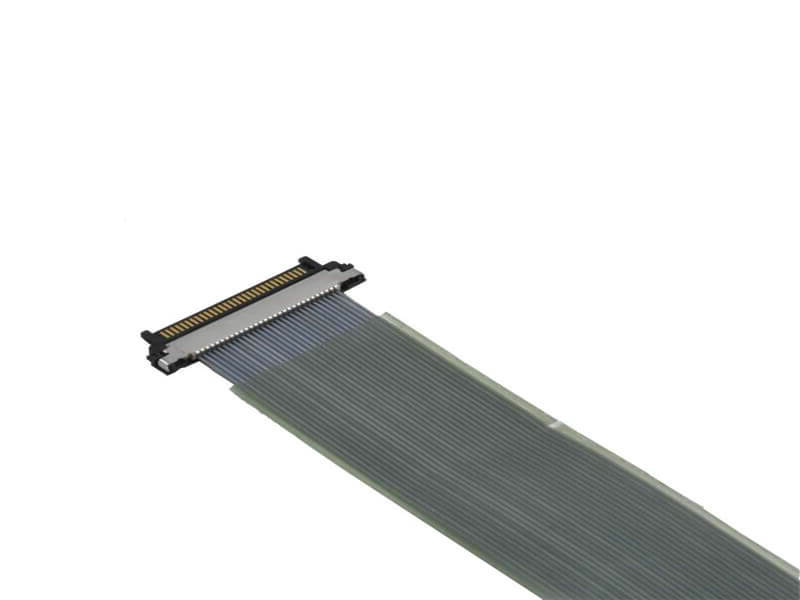
Avionics Wiring: Using Micro-Coaxial Cables in Aircraft Navigation Systems - Micro Coaxial Cable factory-(FRS)
Micro Coaxial Cable factory-(FRS)
INFO
Meta Description: Discover how micro-coaxial cables enhance aircraft navigation systems, offering superior signal integrity, EMI shielding, and lightweight solutions for avionics wiring.
Introduction Aircraft navigation systems rely on precision, reliability, and durability. As aviation technology evolves, the demand for advanced avionics wiring solutions grows. Micro-coaxial cables have emerged as a critical component in modern aircraft navigation systems, addressing challenges like electromagnetic interference (EMI), signal loss, and weight constraints. This article explores why micro-coaxial cables are essential for avionics wiring, their benefits, and best practices for integration.
1. Why Micro-Coaxial Cables Are Ideal for Avionics Wiring
Aircraft navigation systems require uninterrupted communication between sensors, GPS units, radar, and cockpit displays. Micro-coaxial cables excel in this environment due to their unique properties:
Superior Signal Integrity: Micro-coaxial cables minimize signal attenuation, ensuring high-frequency signals (e.g., GPS, radar data) remain stable over long distances. This is critical for real-time navigation accuracy.
EMI/RFI Shielding: Aircraft environments are saturated with electromagnetic noise from engines, radios, and other electronics. The shielded design of micro-coaxial cables prevents interference, safeguarding sensitive avionics data.
Lightweight and Space-Saving: Traditional coaxial cables are bulky, adding unnecessary weight. Micro-coaxial variants, with diameters as small as 0.8 mm, reduce weight and fit into tight spaces, aligning with aviation’s push for fuel efficiency.
Durability in Harsh Conditions: Built to withstand extreme temperatures, vibration, and moisture, micro-coaxial cables meet aviation standards like RTCA DO-160 for environmental resilience.
2. Applications in Aircraft Navigation Systems
Micro-coaxial cables are used in critical avionics subsystems:
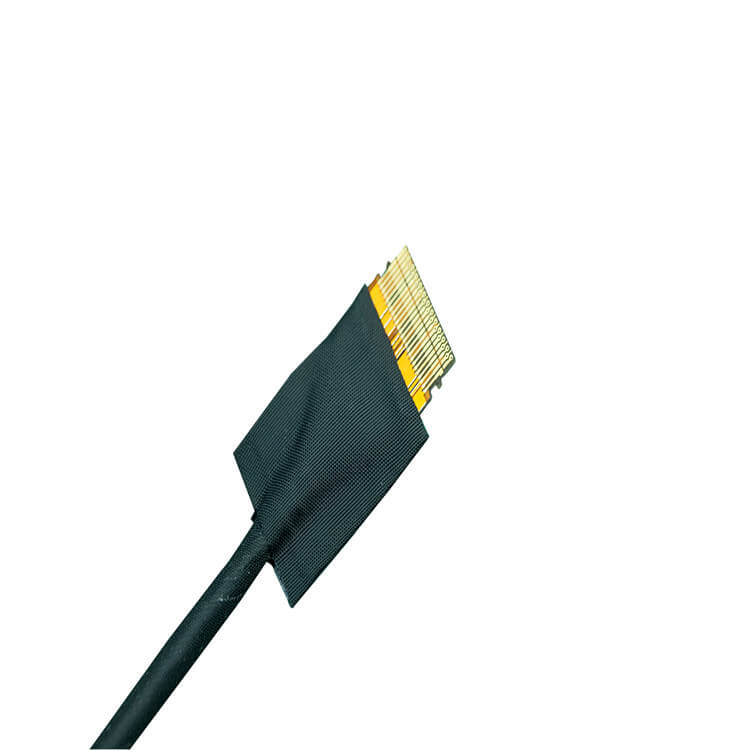
GPS and Satellite Communication: Ensures accurate signal transmission for global positioning and real-time weather updates.
Radar and Terrain Awareness Systems: Maintains high-speed data transfer for collision avoidance and terrain mapping.
Flight Control Systems: Relays commands between flight computers and actuators with minimal latency.
Cockpit Displays: Delivers high-resolution video and data to pilots without degradation.
3. How to Select the Right Micro-Coaxial Cable
Choosing the best micro-coaxial cable for avionics wiring involves evaluating:
Frequency Range: Match the cable’s bandwidth to your system’s requirements (e.g., 6 GHz for radar systems).
Shielding Effectiveness: Opt for double-shielded or triaxial designs for high-EMI zones.
Flexibility and Bend Radius: Ensure the cable can withstand repeated bending in dynamic aircraft environments.
Compliance: Verify certifications like MIL-DTL-17 or AS23053 for aviation-grade reliability.
4. Installation Best Practices
Proper installation maximizes performance and longevity:
Avoid Sharp Bends: Exceeding the bend radius can damage the dielectric layer, causing signal loss.
Secure Connections: Use aviation-grade connectors (e.g., SMA, BNC) and follow crimping guidelines to prevent loosening during flight.
Route Away from Interference Sources: Keep micro-coaxial cables separate from high-power wiring or rotating machinery.
Test Post-Installation: Conduct time-domain reflectometry (TDR) to identify any impedance mismatches or faults.
5. Future Trends in Avionics Wiring
As aircraft adopt more electric architectures (MEA) and integrate AI-driven navigation, micro-coaxial cables will play a pivotal role in:
Supporting higher data rates for AI/ML-powered systems.
Enabling fiber-optic hybrid designs for ultra-high-speed applications.
Reducing weight further through advanced materials like liquid crystal polymer (LCP) insulation.
In today’s complex electronics supply chain, the authenticity of Coaxial Cable Assemblies is critical to the performance, reliability, and safety of end products. Whether used in telecommunications, aerospace, medical equipment, o...
Bulk micro coaxial cable is a high‑frequency, ultra‑fine coaxial cable sold by the reel or in large spools, as opposed to pre‑assembled single‑ended cables. It is a key interconnect solution for today’s compact, high‑performance consume...
In recent years, our factory has achieved a significant reduction in the production cost of coaxial cables through a series of targeted measures. These efforts not only enhance our market competitiveness but also bring tangible benefits...
Micro coaxial cables are essential workhorses in modern electronics, carrying high-frequency signals in applications like 5G phones, medical devices, radar systems, and high-speed data links. As signals travel faster, a phenomenon calle...
Coaxial cable assemblies are the unsung heroes of modern connectivity, enabling reliable signal transmission in everything from home internet setups to heavy-duty industrial machinery. However, not all coaxial cable assemblies are creat...
In high-speed, high-density electronic systems, micro coaxial cable assembliesare the critical link that ensures clean, reliable signal transmission. When these assemblies are precision engineered, they become a strategic advantage for ...
IntroductionMedical devices demand unparalleled precision, reliability, and safety. Off-the-shelf cables often fail to meet these stringent requirements, making custom industrial cable assemblies essential for seamless performance. Here...
In an era where environmental sustainability has become a global priority, every industry is re-evaluating its products and processes to minimize ecological impact. The telecommunications and electronics sectors, in particular, are unde...
Micro-coaxial cables (“micro-coax”) are the unsung heroes of modern electronics, carrying high-frequency signals critical for everything from 5G phones and medical devices to drones and high-speed data links. But their tiny ...
As data centers push toward 400G/800G and even 1.6T interconnects, traditional PCB traces and bulky coax are no longer sufficient. Signal integrity micro coaxial cable assemblies have emerged as a critical enabler for maintaining perfor...
When setting up a CCTV system, choosing the right coaxial cable is crucial for ensuring optimal performance. Two commonly used cables in CCTV installations are RG6 and RG59. While they may look similar at first glance, there are signifi...
When designing or sourcing micro coaxial cable assemblies for high-speed data, RF, or video applications, one question comes up again and again:
What impedance values are possible—and how tight can the tolerance be?
This guide ans...
This is a crucial question when designing or using tiny coaxial cables (“micro coax”) in applications like medical devices, miniature sensors, high-speed digital connections, or aerospace systems. Pushing these delicate cabl...
Coaxial cable assemblies are critical components in signal transmission systems, used across industries like telecommunications, aerospace, medical devices, and industrial automation. While both rigid and flexible variants serve the cor...
Introduction: The Silent Threat to Sensitive ElectronicsElectromagnetic Interference (EMI) is the invisible enemy of modern electronics. For sensitive systems in medical devices, aerospace avionics, defense equipment, test & measure...
Outdoor cable connections face constant threats from rain, snow, humidity, UV rays, and debris. Without proper protection, these elements can cause signal loss, corrosion, short circuits, or even complete failure. Choosing the right wea...
Coaxial cable assemblies are the backbone of modern communication, broadcasting, and networking systems. From television signals to high-speed internet and industrial data transmission, their reliable performance depends heavily on prop...
Micro coaxial cables are the tiny workhorses connecting high-speed data in devices like cameras, drones, medical equipment, and sophisticated electronics. While they seem fragile, proper storage significantly extends their lifespan, sav...
Coaxial cable assemblies play a crucial role in signal transmission across various industries, from telecommunications and aerospace to medical equipment and consumer electronics. Among the key components determining their performance, ...
The relentless pursuit of innovation in medical technology demands components that deliver exceptional performance within increasingly constrained spaces. Micro coaxial cables have emerged as a critical enabling technology, directly con...
Micro coax cable is widely used in high-frequency signal transmission, but many engineers and buyers still struggle with unstable performance, high loss, and inflexible customization when sourcing from different suppliers. As a professi...
Coaxial cables are indispensable in high-speed data transmission, industrial automation, and telecommunications infrastructure—their performance directly determines the reliability of end-use systems. However, traditional coaxial cable ...
Forget the shiny new toys for a moment – fiber optics and 5G rightfully grab headlines, but when building the complex nervous system of a smart city, a veteran technology plays a surprisingly vital and enduring role: coaxial cable.
...
In the realm of industrial and commercial applications, cable repair and protection are critical for ensuring system reliability, safety, and longevity. Among the various solutions available, heat shrink tubing stand...
Coaxial cables remain a cornerstone of high-frequency signal transmission in industries ranging from telecommunications to broadcasting and security systems. Their ability to minimize interference and maintain signal integrity makes the...
Coaxial cables have been a cornerstone of wired communication systems for decades, prized for their ability to transmit high-frequency signals with minimal interference. From broadcasting and telecommunications to military and aerospace...
In the era of angstrom-scale semiconductors and exploding data demands, SerDes (Serializer/Deserializer) technology stands as the backbone of high-speed connectivity for enterprise computing, AI, HPC, and hyperscale data centers. As ind...
As the telecom industry marches toward 6G—targeting terabit-per-second data rates, sub-millisecond latency, and 100x higher connection density than 5G—every component in the network ecosystem faces unprecedented demands. Among these, mi...
In an era where seamless data transmission and reliable signal integrity are non-negotiable, the coaxial cable with double braided shield emerges as a game-changer. This advanced cable technology is engineered to provide maximum protect...
For ham radio operators and amateur communicators, the coaxial cable is far more than a “connecting wire”—it is the lifeline of signal integrity. A poorly chosen or installed coaxial cable can lead to significant signal loss...
Introduction
In today’s high-frequency electronic applications, flexible coaxial cables with superior shielding performance have become critical components for signal integrity. These specialized cables combine exceptional EMI/...
In advanced medical devices, from high-frequency ultrasound probes to surgical robots, a single compromised signal can impact diagnostic accuracy or procedural safety. This is why leading OEMs prioritize micro coax cable for medical dev...
When designing thin, high-performance electronics, the micro coaxial cable with I-PEX 20373 connectoris a critical solution for routing high-speed differential signals like LVDS, eDP, and MIPI in ultra-compact spaces. This guide explain...
Fundamentals of Bend Radius in Micro-Coaxial CablesA. Definition of Bend RadiusThe minimum bend radius (MBR) is the smallest allowable curvature a cable can withstand without permanent deformation or electrical performance degrad...
In the world of telecommunications, broadcasting, and security systems, coaxial cables have long been the backbone of reliable signal transmission. However, one persistent challenge has plagued professionals in these industries for deca...
Understand Your ApplicationThe first step in choosing a coaxial cable is identifying its primary purpose:
TV/Antenna Signals: RG6 cables are ideal for satellite TV, cable TV, and digital antennas due to their high shielding an...
In an era where precision and reliability are paramount, the packaging of coaxial cables has undergone a transformative overhaul to address the challenges of modern logistics, environmental sustainability, and end-user performance. This...
Introduction
In the complex and demanding oil and gas industry, reliable communication and data transmission are crucial. Coaxial cables have emerged as a vital component in this industry, enabling seamless operations across various ...
In the relentless push for smaller, faster, and more connected devices, reliable high-frequency signal transmission has become mission-critical. Whether it’s inside the latest medical imaging device, a 5G base station, or a cutting-edge...
In the high-stakes environment of modern surgery, the endoscope serves as the surgeon’s eyes. As medical technology shifts toward 4K and even 8K resolution, the demand for flawless image transmission has never been higher. While the cam...
KEL’s Micro Coaxial Cable solutions are at the forefront of modern electronic connectivity, offering exceptional performance in high-speed data transmission, miniaturization, and reliability. These connectors are integral to various.
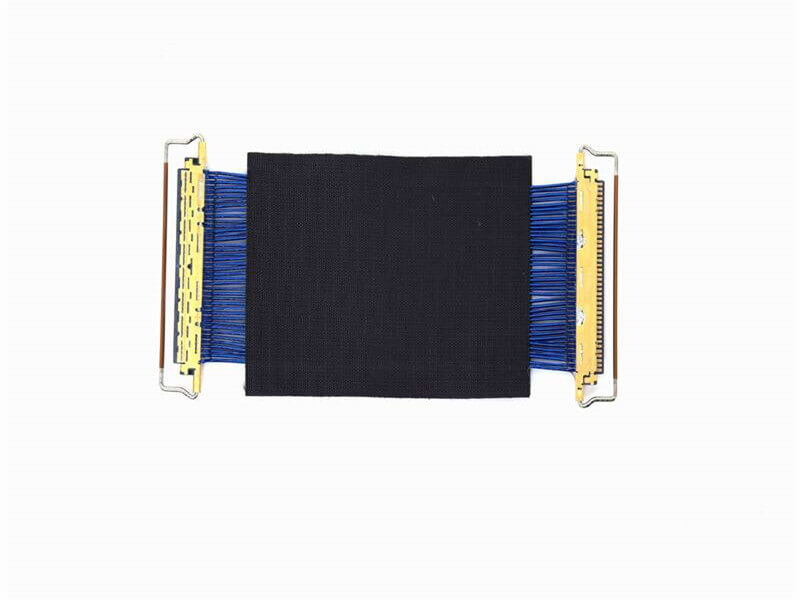
Micro Coaxial Cable: High-Quality Solutions for Precision Applications
Micro coaxial cables are essential components in high-performance electronic applications, providing reliable signal transmission in compact and flexible designs. A.
Contact Us Micro Coaxial Cable factory-(FRS).
Feel free to reach out to us for any inquiries or orders