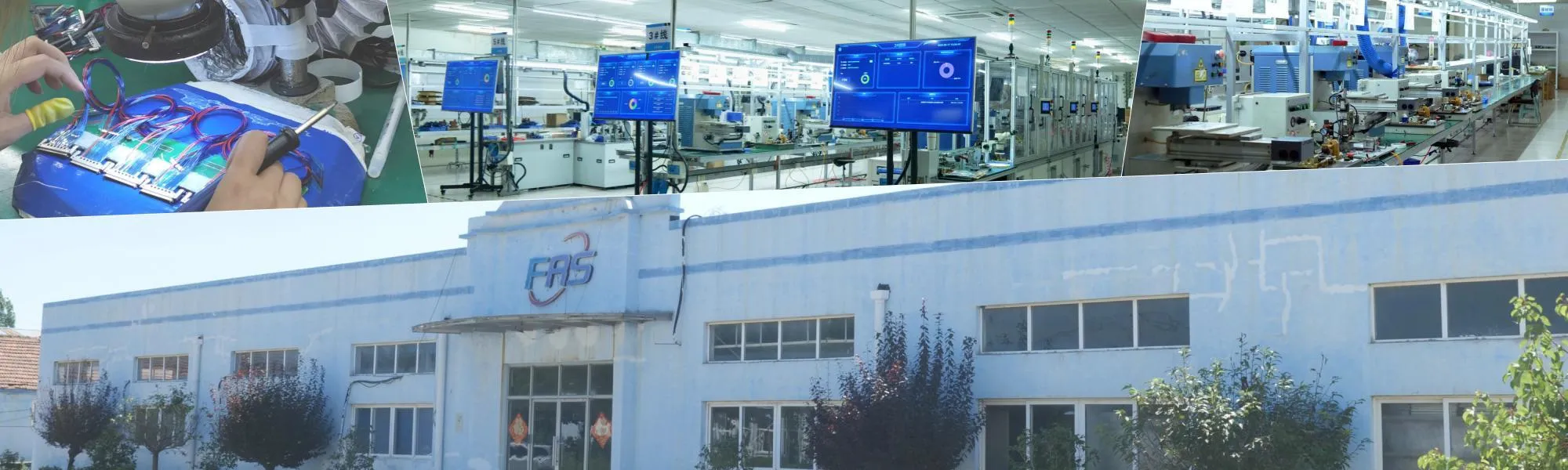
Micro Coaxial Cable factory-(FRS)
In the high-stakes environment of modern surgery, the endoscope serves as the surgeon’s eyes. As medical technology shifts toward 4K and even 8K resolution, the demand for flawless image transmission has never been higher. While the camera sensor often gets the glory, the micro coaxial cableis the unsung hero working silently inside the insertion tube.
For B2B buyers, procurement specialists, and design engineers, understanding the role of these miniature cables is essential. A failure here doesn’t just mean a fuzzy screen; it can mean a missed diagnosis or a prolonged surgery.
This article explores why micro coaxial cableis the critical link for endoscope image quality and what specifications you should prioritize when sourcing components.
Endoscopic procedures require navigating tight, twisting anatomical pathways. This creates a unique engineering paradox: you need to fit high-bandwidth data lines into a space often narrower than a drinking straw, all while maintaining signal integrity.
As endoscopes evolved from standard definition to High Definition (HD) and 4K, the volume of data generated by the CMOS sensor skyrocketed. Traditional twisted-pair cables often struggle with the high-frequency signals required for HD video over any meaningful distance.
Micro coaxial cablesolves this by offering a controlled impedance (typically 50 Ohm) that minimizes signal reflection and loss. This ensures that the high-frequency video signals reach the processor without degradation, preserving the sharpness and contrast of the image.
With diameters often ranging from 0.22mm to 0.8mm, these cables allow engineers to bundle multiple channels (video, light, power) into a single, ultra-thin harness. This compact design is vital for reducing the overall diameter of the endoscope insertion tube, leading to less invasive procedures and faster patient recovery times.
Operating rooms are noisy environments. Electrosurgical units (ESUs), motors, and other imaging equipment generate significant electromagnetic interference. If left unshielded, this noise can appear as “snow” or static on the endoscopic monitor, obscuring the surgical site.
The coaxial design—featuring a central conductor surrounded by an insulating layer and a braided or foil outer conductor—provides a natural Faraday cage. This structure confines the electromagnetic field to the dielectric, preventing external noise from corrupting the video signal and stopping the endoscope’s signal from interfering with other sensitive equipment.
For critical applications, many manufacturers utilize double-shielded designs (foil + braid) to achieve shielding effectiveness of >100dB, ensuring a pristine image even when the endoscope is operating alongside high-power surgical tools.
An endoscope is a dynamic instrument. It is constantly bent, twisted, and torqued during a procedure. A cable that breaks after a few dozen procedures is a liability.
Micro coaxial cablesdesigned for medical use are engineered to withstand extreme mechanical stress. High-quality cables can endure hundreds of thousands of bending cycles (often tested at a 90° bend radius) without suffering conductor fatigue or shielding failure.
The choice of jacket material is crucial for longevity. Fluoropolymers like FEP (Fluorinated Ethylene Propylene)and PFA (Perfluoroalkoxy alkane)are standard in the industry because they offer:
When sourcing micro coaxial cablefor your next endoscopic project, look beyond the basic dimensions. Here are the technical parameters that separate premium components from the rest:
| Parameter | Why It Matters | Ideal Specification |
|---|---|---|
| Impedance | Ensures signal integrity and prevents reflection. | 50Ω ± 2Ω or 75Ω (depending on system) |
| Attenuation | Measures signal loss over distance. Lower is better. | < 50 dB/100m @ 1 GHz (varies by diameter) |
| Shielding | Protects against EMI/RFI. | Double Shield (Foil + Braid) |
| Bend Radius | Determines flexibility and durability. | Dynamic: 5x Cable Diameter / Static: 2x |
| Biocompatibility | Safety for patient contact. | ISO 10993 / USP Class VI compliant jackets |
The role of micro coaxial cableis expanding. With the rise of 3D endoscopy and “chip-on-tip” technologies (where the image sensor is placed directly at the distal tip), the demand for even finer, high-performance cabling is accelerating. These applications require cables that can handle higher data rates while occupying even less real estate, pushing the boundaries of miniaturization.
The image quality of an endoscope is not solely defined by its lens or sensor. The micro coaxial cableacts as the vital pipeline, determining whether the surgeon sees a clear, high-definition view or a noisy, unreliable image.
For engineers and procurement managers, investing in high-specification micro coaxial solutions is not just a technical choice—it is a commitment to patient safety and surgical precision. By prioritizing low attenuation, superior EMI shielding, and proven mechanical durability, you ensure that your medical devices perform flawlessly when it matters most.
Our factory offers high-quality products at competitive prices
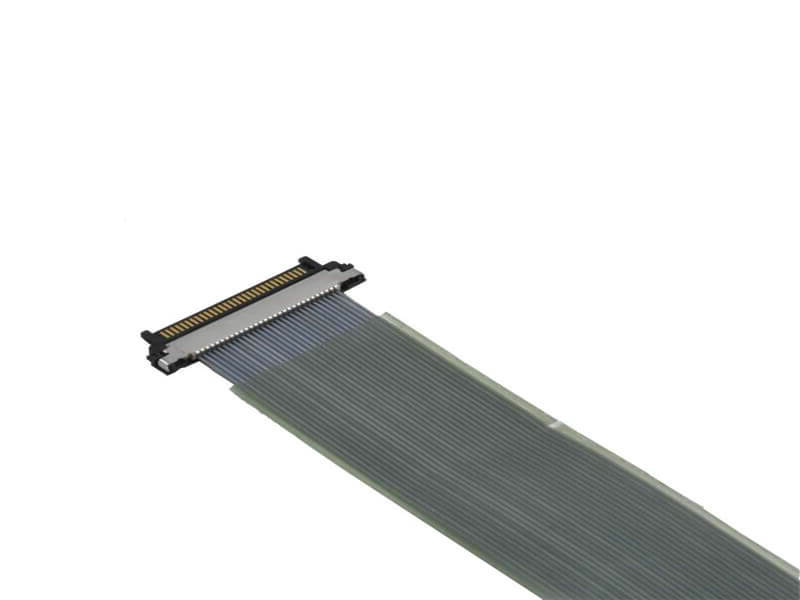
KEL’s Micro Coaxial Cable solutions are at the forefront of modern electronic connectivity, offering exceptional performance in high-speed data transmission, miniaturization, and reliability. These connectors are integral to various.
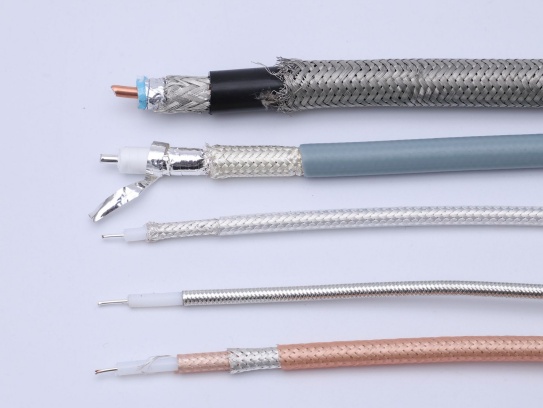
Meta Description: Discover premium RF micro coaxial cables engineered for high-frequency signal transmission in compact devices. Explore specs, applications, and benefits for telecom, medical, and aerospace industries. .
Feel free to reach out to us for any inquiries or orders