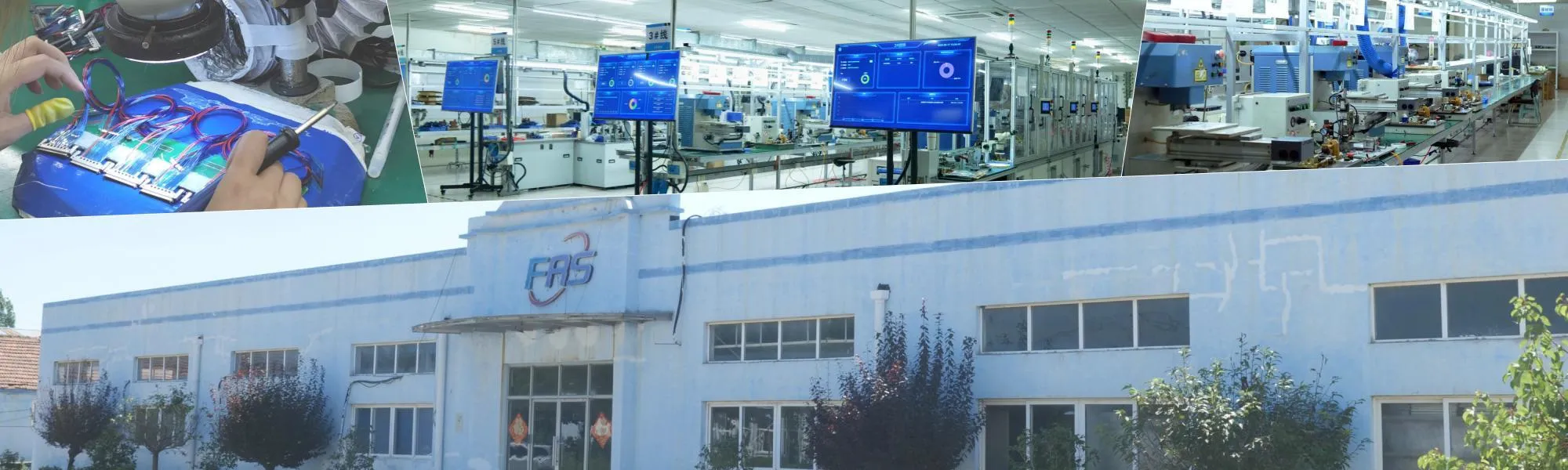
Micro Coaxial Cable factory-(FRS)
In the era of miniaturization, electronic devices are becoming increasingly compact while demanding higher performance—from wearable fitness trackers and medical implants to aerospace sensors and industrial IoT modules. At the heart of these tiny yet powerful devices lies a critical component that often goes unnoticed but is essential for reliable operation: the micro coaxial wire harness. Unlike standard wire harnesses, custom micro coaxial wire harnesses are engineered to meet the unique size, signal integrity, and environmental requirements of miniature electronics. This article delves into what makes these custom solutions indispensable, their key applications across industries, how they are tailored to specific needs, and why partnering with the right manufacturer matters for your project’s success.
First, let’s clarify the basics: a micro coaxial wire consists of a thin central conductor, an insulating layer, a metallic shield (typically braided or foil), and an outer jacket—all scaled down to ultra-small diameters (often as small as 0.1mm to 1mm). A wire harness, meanwhile, is an assembly of these wires, connectors, and terminals organized into a single unit to transmit signals, power, or data within a device.
A custom micro coaxial wire harness takes this a step further: it is designed from the ground up to fit the exact spatial constraints, signal frequency needs, and environmental conditions of a specific application. Unlike off-the-shelf harnesses, which are limited by standard sizes and configurations, custom solutions can address unique challenges such as ultra-tight bending radii, resistance to extreme temperatures or moisture, and compatibility with specialized connectors (e.g., board-to-board, wire-to-board, or micro-miniature connectors). This level of customization is critical for miniature electronics, where even a fraction of a millimeter of extra space can derail a product design.
The appeal of custom micro coaxial wire harnesses stems from their ability to solve the most pressing pain points of designing small electronic devices. Here are the core benefits that make them a top choice for engineers and product developers:
Miniature electronics—such as 5G-enabled wearables, high-resolution medical endoscopes, or aerospace communication modules—rely on high-frequency signals (often in the GHz range) to function. Standard wires or poorly designed harnesses can cause signal loss, crosstalk (interference between adjacent wires), or electromagnetic interference (EMI), which degrades performance or renders the device useless. Custom micro coaxial wire harnesses are engineered with precision shielding (e.g., tinned copper braid, aluminum foil, or dual shielding) to block EMI and minimize crosstalk. The insulating layers are also selected for low dielectric constant to ensure signal clarity, even in ultra-compact layouts where wires are routed in close proximity.
Off-the-shelf wire harnesses are one-size-fits-all, which is rarely suitable for devices like hearing aids, smartwatches, or micro-sensors—where internal space is at a premium. Custom solutions allow engineers to specify every detail: wire gauge (from 30AWG to 44AWG, the smallest standard sizes), jacket material (e.g., PTFE, PVC, or TPE for flexibility), bending radius (critical for devices that need to be flexible or fit into curved spaces), and connector type (e.g., micro USB, HDMI micro, or custom board connectors). For example, a medical implant might require a harness with a 0.5mm outer diameter and a bending radius of 2mm to fit inside the device’s casing, while an industrial IoT sensor might need a slightly larger harness but with enhanced ruggedness.
Many miniature electronics operate in challenging conditions: medical devices must withstand autoclaving (high temperature and pressure), aerospace components face extreme cold and vibration, and industrial sensors are exposed to dust, moisture, and chemicals. Custom micro coaxial wire harnesses can be built with materials that meet these demands. For instance, using PTFE jackets for high-temperature resistance (up to 260°C), adding a protective overmold to prevent damage from vibration, or using corrosion-resistant connectors for marine or industrial applications. This durability ensures that the harness maintains performance over the device’s lifespan, reducing maintenance costs and improving reliability.
While custom solutions may seem more expensive upfront, they often save money in the long run. A well-designed custom harness eliminates the need for modifications to the device’s housing or circuitry to accommodate an ill-fitting off-the-shelf harness. It also reduces the risk of assembly errors, as the harness is pre-assembled and tested to fit perfectly with the device’s other components. Additionally, custom manufacturers can optimize the design to use only the necessary materials and components, avoiding waste. For high-volume production, this optimization translates to significant cost savings per unit.
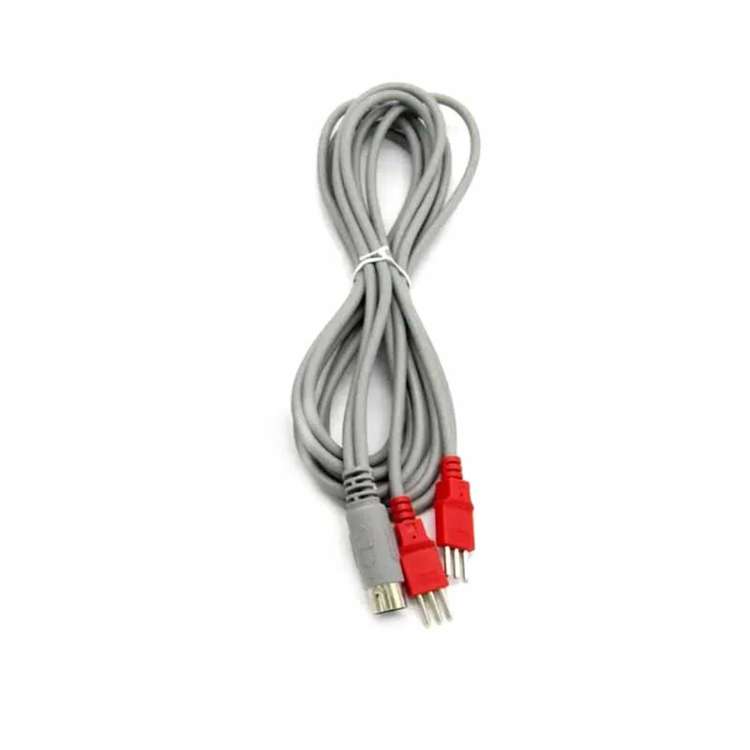
The versatility of custom micro coaxial wire harnesses makes them essential across a wide range of industries, particularly those focused on miniaturization and high performance. Here are the most common use cases:
Medical electronics are among the most demanding applications for micro coaxial harnesses. Devices like pacemakers, defibrillators, endoscopes, and wearable health monitors require ultra-small, biocompatible, and reliable components. Custom harnesses for medical use are often made with biocompatible materials (e.g., PTFE or silicone jackets) to avoid adverse reactions with the human body. They must also meet strict regulatory standards (such as ISO 13485) and be able to transmit high-resolution images (for endoscopes) or precise electrical signals (for pacemakers) without interference. For example, a cardiac monitor’s micro harness might need to connect a tiny sensor to a processing unit, with a total diameter of less than 1mm and resistance to body fluids.
The consumer electronics industry is driving the demand for smaller, more powerful devices—from smartphones and tablets to smartwatches, VR headsets, and wireless earbuds. Custom micro coaxial wire harnesses are used in these devices to transmit audio, video, and data signals between components like cameras, displays, batteries, and microchips. For instance, a high-end smartphone’s camera module relies on a micro coaxial harness to transmit 4K video signals to the phone’s processor, with minimal signal loss. In VR headsets, harnesses with ultra-flexible jackets are used to connect the head-mounted display to the control unit, allowing for comfortable movement without damaging the wires.
Aerospace and defense applications require components that can withstand extreme conditions—including high altitude, extreme temperature fluctuations, vibration, and radiation. Custom micro coaxial wire harnesses are used in devices like satellite sensors, avionics systems, missile guidance systems, and unmanned aerial vehicles (UAVs). These harnesses are built with rugged materials (e.g., ceramic insulators or stainless steel shields) to resist radiation and corrosion. They must also meet strict military standards (such as MIL-STD-810) to ensure reliability in combat or space environments. For example, a satellite’s micro harness might need to transmit data from a weather sensor to the satellite’s communication system, withstanding temperatures ranging from -55°C to 125°C.
Industrial IoT devices—such as sensors, actuators, and controllers—are used to monitor and control industrial processes in factories, power plants, and oil refineries. These devices often operate in harsh industrial environments, exposed to dust, moisture, chemicals, and vibration. Custom micro coaxial wire harnesses for IIoT applications are designed with rugged jackets (e.g., PVC or polyurethane) to resist abrasion and chemicals. They are also engineered to transmit data over long distances (for remote sensors) with minimal interference. For example, a temperature sensor in a chemical plant might use a micro harness to send real-time data to a central control system, with resistance to corrosive chemicals and high temperatures.
Designing a custom micro coaxial wire harness requires careful consideration of several key factors to ensure it meets your device’s needs. Here are the critical questions to answer before partnering with a manufacturer:
What is the frequency of the signals the harness will transmit? High-frequency signals (above 1 GHz) require better shielding and low-dielectric insulators to avoid signal loss. Will the harness need to support multiple signal types (e.g., power and data) simultaneously? This affects the number of wires and the shielding configuration.
What are the exact spatial constraints of your device? Measure the maximum allowable diameter of the harness, the bending radius (how tightly the harness can be curved), and the length of each segment. This will determine the wire gauge, jacket material, and connector type.
Where will your device operate? Will it be exposed to high or low temperatures, moisture, dust, chemicals, vibration, or radiation? This dictates the choice of jacket material, shielding, and protective features (e.g., overmolding).
Does your industry have specific standards the harness must meet? For example, medical devices need to comply with ISO 13485, aerospace components with MIL-STD-810, and consumer electronics with RoHS (Restriction of Hazardous Substances) standards. Ensure your manufacturer is familiar with and can meet these requirements.
Will you need a small prototype run or high-volume production? Some manufacturers specialize in low-volume prototypes, while others are equipped for mass production. Be clear about your volume needs to ensure the manufacturer can scale accordingly.
Designing and manufacturing custom micro coaxial wire harnesses is a highly specialized process that requires expertise in materials science, signal integrity, and precision assembly. Working with a manufacturer that specializes in these components offers several key benefits:
Custom micro coaxial wire harnesses are the unsung heroes of miniature electronics, enabling the compact, high-performance devices that define our modern world. From life-saving medical implants to cutting-edge consumer gadgets and critical aerospace systems, these tailored solutions deliver the signal integrity, size efficiency, and durability that off-the-shelf components simply cannot match. By understanding your device’s unique requirements—including signal needs, size constraints, environmental conditions, and regulatory standards—and partnering with a specialized manufacturer, you can ensure your custom harness meets the highest standards of quality and reliability.
Whether you’re developing a new wearable device, a medical implant, or an industrial sensor, investing in a custom micro coaxial wire harness is a critical step toward bringing a successful product to market. With the right design and manufacturing partner, you can turn your vision for a compact, high-performance device into reality.
Our factory offers high-quality products at competitive prices
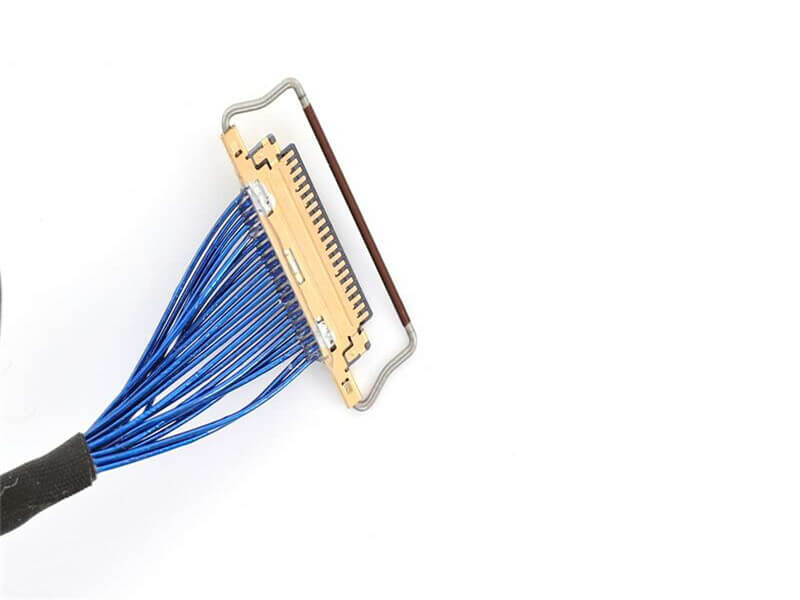
Overview of I-PEX Micro Coaxial Cable Connectors I-PEX is a global leader in micro coaxial cable solutions, specializing in high-performance IPEX micro coax connectors and micro coaxial cable assemblies. These products are designed for.
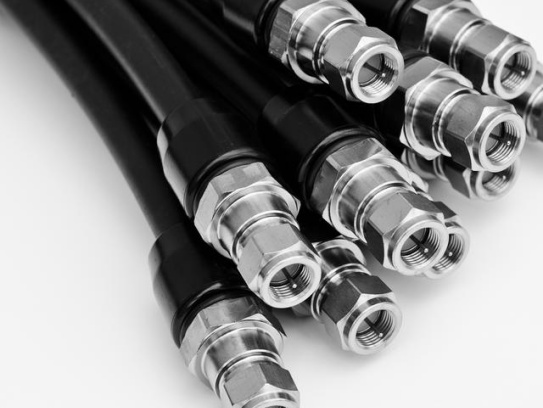
Meta Description: Discover the advanced features and benefits of Industrial Micro-Coaxial Wiring—engineered for precision, durability, and high-speed signal transmission in industrial environments. What is Industrial Micro-Co.
Feel free to reach out to us for any inquiries or orders