Micro Coaxial Cable factory-(FRS)

Custom Micro Coaxial Cable | Precision Impedance, 6GHz+ for 5G & Medical Devices - Micro Coaxial Cable factory-(FRS)

Micro Coaxial Cable factory-(FRS)


INFO

In the world of high-speed connectivity, the demand for smaller, faster, and more reliable components is relentless. As devices shrink and frequencies climb, the standard coaxial cable often becomes a bottleneck. This is where the Custom Micro Coaxial Cableemerges as a critical enabler for next-generation technologies.

Engineered for precision, these cables are not just smaller versions of their traditional counterparts; they are a complete rethinking of signal transmission for the most demanding applications. From the 5G base stations that power our connected world to the life-saving medical devices used in surgery, custom micro-coaxial solutions provide the performance foundation upon which modern innovation is built.

This article delves into the intricate world of custom micro-coaxial cables, exploring the science of precision impedance, the challenges of 6GHz+ operation, and the specific design considerations for 5G and medical applications. We will also examine how a true manufacturing partner, like the FRS factory, transforms these complex requirements into reliable, high-volume production realities.

The Anatomy of a High-Performance Micro-Coaxial Cable

Before diving into specific applications, it’s crucial to understand what sets a high-performance Custom Micro Coaxial Cableapart. It begins with a meticulous focus on materials and geometry.

  • Conductor:At the heart of the cable is the inner conductor, typically made from high-purity copper, silver-plated copper, or copper-clad steel. For micro-coaxial applications, the conductor is often a solid wire or a tightly woven strand to minimize skin effect losses at high frequencies. The diameter is precisely controlled, often down to 48 AWG (0.025mm), finer than a human hair.
  • Dielectric:Surrounding the conductor is the dielectric insulator. Materials like PFA (Perfluoroalkoxy alkane), FEP (Fluorinated ethylene propylene), or foamed PE are chosen for their low dielectric constant (Dk) and, most importantly, low Dissipation Factor (Df), which minimizes signal loss. The dielectric’s diameter and concentricity are paramount for consistent impedance.
  • Shield:The shield provides the return path for the signal and protects it from external electromagnetic interference (EMI). In micro-coax, this is often a tightly woven braid of tinned or silver-plated copper wires, sometimes combined with a metal foil layer to achieve shielding effectiveness of over 90 dB.
  • Jacket:The outer jacket, typically made from PFA, ETFE, or a specialized thermoplastic, provides mechanical protection and electrical insulation. For medical applications, this material must often be biocompatible, chemical-resistant, and capable of withstanding repeated sterilization cycles.

The magic of a Custom Micro Coaxial Cablelies in the precise, micron-level control of the relationship between these components. This control dictates the cable’s characteristic impedance, its attenuation (signal loss) per unit length, and its overall flexibility and durability.

The Critical Role of Precision Impedance Control

Impedance is arguably the most critical electrical parameter in high-frequency design. Characteristic impedance (Z₀) is the resistance a circuit presents to a current when a voltage is applied. In RF and high-speed digital systems, all components must have a matched impedance—typically 50Ω for RF and 75Ω for video—to ensure maximum power transfer and minimize signal reflections.

Why Impedance Matching is Non-Negotiable

When a signal travels along a transmission line and encounters a change in impedance (an impedance discontinuity), a portion of that signal is reflected back toward the source. This is known as the Reflection Coefficient. These reflections cause several problems:

  1. Signal Distortion:Reflections can combine with the primary signal, leading to inter-symbol interference (ISI) and closing the “eye” in an eye diagram, which increases bit error rates.
  2. Power Loss:Energy is wasted in the reflection rather than being delivered to the load.
  3. Voltage Standing Wave Ratio (VSWR):High VSWR, caused by poor impedance matching, can lead to hot spots in the transmission line and potential damage to sensitive components.

For a micro-coaxial cable, impedance is determined by a precise formula involving the diameter of the inner conductor (d), the inner diameter of the shield (D), and the dielectric constant (εᵣ) of the insulating material:

Z₀ ≈ (138 / √εᵣ) * log₁₀(D/d)

This formula highlights why manufacturing precision is everything. A microscopic change in the concentricity of the dielectric or a slight variation in the conductor diameter can cause significant impedance drift, rendering the cable useless for high-frequency applications.

Achieving Tight Impedance Tolerance

Off-the-shelf cables might offer impedance tolerances of ±10%. For 6GHz+ applications, this is often insufficient. A Custom Micro Coaxial Cableis engineered for precision, with impedance tolerances typically held to ±2% or even tighter. Achieving this requires:

  • Precision Extrusion:State-of-the-art extrusion lines with laser micrometers provide real-time feedback and control over the dielectric’s diameter and concentricity.
  • Automated Optical Inspection:High-speed cameras and laser-based measurement systems inspect the conductor and shield geometry continuously during the manufacturing process.
  • 100% Testing:Every single cable in a production run can be tested using a Time Domain Reflectometer (TDR). A TDR sends a fast rise-time pulse down the cable and analyzes the reflections to create an impedance profile along the entire length, identifying any discontinuities.

Conquering the 6GHz+ Frontier: Challenges and Solutions

Moving into the 6GHz and higher frequency ranges, the “laws” of signal transmission become much stricter. The wavelength of a 6GHz signal is only about 5cm in a typical dielectric. This means that even small inconsistencies in the cable—a tiny bend, a poorly terminated connector, or a slight impedance bump—can be a significant fraction of a wavelength, causing severe performance degradation.

Key Challenges at 6GHz+

  1. Skin Effect:At high frequencies, current flows primarily on the surface of the conductor, effectively reducing its cross-sectional area and increasing resistive losses (attenuation). Using high-conductivity materials like silver-plated copper mitigates this.
  2. Dielectric Loss:The dielectric material itself absorbs some of the signal energy, converting it to heat. This loss increases with frequency. Materials with a very low Dissipation Factor (Df), such as PFA and PTFE, are essential.
  3. Radiation Loss:If the shield is not perfectly continuous or is improperly terminated, high-frequency signals can literally leak out of the cable or allow external noise to seep in. This is why high braid density and robust connector attachment are critical.
  4. Phase Stability:In applications like phased-array antennas, maintaining a precise and stable phase relationship between multiple signals is crucial. A cable’s electrical length can change with temperature and bending, causing phase drift. Custom designs use materials with matched coefficients of thermal expansion (CTE) to minimize this effect.

A properly designed Custom Micro Coaxial Cablefor 6GHz+ operation addresses these challenges head-on through material science, geometric precision, and rigorous testing.

Application Deep Dive 1: Powering 5G Infrastructure

The rollout of 5G, particularly the sub-6GHz and millimeter-wave (mmWave) bands, places unprecedented demands on cabling. 5G’s promise of multi-gigabit speeds and ultra-low latency relies on a dense network of small cells, massive MIMO (Multiple-Input, Multiple-Output) antennas, and sophisticated carrier aggregation schemes.

The Role of Micro-Coax in 5G Systems

  • Remote Radio Heads (RRHs) and Active Antenna Systems (AAS):These units are packed with RF components in a very small footprint. Micro-coaxial cables are used internally to connect power amplifiers, filters, and the individual antenna elements. Their small size allows for dense layouts, and their precise 50Ω impedance is critical for efficient power transfer and signal integrity.
  • Carrier Aggregation (CA):To achieve higher data rates, 5G systems combine multiple frequency channels. This requires phase-matched cable assemblies to ensure the signals from different paths combine constructively at the antenna. Custom micro-coax assemblies can be manufactured to precise electrical length tolerances (e.g., ±2mm or better) to guarantee phase alignment.
  • Distributed Antenna Systems (DAS):In buildings and campuses, DAS improves 5G coverage. Flexible micro-coaxial cables are ideal for weaving through ceiling grids and wall cavities, connecting the main hub to remote antenna nodes without taking up excessive space.

When selecting a Custom Micro Coaxial Cablefor 5G, engineers must consider the operating temperature range (often -40°C to +85°C for outdoor use), connector compatibility (e.g., SMP, SMPM, blind-mate connectors), and the specific frequency bands being supported.

Application Deep Dive 2: Enabling Advanced Medical Devices

In the medical field, reliability is not just a performance metric; it is a matter of patient safety. Micro-coaxial cables are the silent heroes within countless diagnostic and therapeutic devices, where signal integrity directly translates to image clarity and diagnostic accuracy.

Critical Medical Applications

  • Ultrasound Probes and Imaging Systems:The cable connecting the handheld transducer to the main console is a complex multi-channel micro-coaxial assembly. It must transmit high-frequency pulses to the transducer elements and carry back the faint echo signals, all while withstanding hundreds of thousands of flex cycles from the physician’s movements. Custom designs focus on high-flex life, precise 50Ω impedance for each channel, and exceptional shielding to prevent external interference from corrupting the image.
  • Endoscopy and Catheter-Based Devices:In minimally invasive procedures, a tiny camera or sensor is navigated inside the body. The signal cable running through the catheter or endoscope must be incredibly small (often < 0.5mm diameter), highly flexible, and made from biocompatible materials (like PFA or PTFE) that can withstand cleaning and sterilization.
  • Wearable Patient Monitors:Devices that monitor ECG, SpO2, and other vital signs rely on comfortable, unobtrusive cables against the skin. Custom micro-coax provides the necessary signal integrity for sensitive bio-signals while offering the flexibility and durability required for patient movement.

Key Design Considerations for Medical Micro-Coax

  • Biocompatibility:All materials in contact with the patient or used in the patient environment must comply with standards like ISO 10993.
  • Flex Life:Cables in handheld or robotic devices must endure millions of bend cycles without failure. This requires specialized stranding, flexible dielectrics, and robust strain relief designs.
  • Shielding Effectiveness:A high level of shielding (>90 dB) is crucial to ensure that sensitive diagnostic signals are not corrupted by the hospital’s dense electromagnetic environment, which includes other equipment, mobile phones, and Wi-Fi networks.
  • Regulatory Compliance:Medical device cables must be manufactured in facilities that adhere to strict quality systems like ISO 13485.

Custom vs. Off-the-Shelf: A Justifiable Investment

For engineers facing a critical high-frequency or space-constrained design challenge, the choice between a standard, off-the-shelf cable and a Custom Micro Coaxial Cableis a strategic one. While custom solutions may have a higher initial cost and lead time, they offer unparalleled performance and integration benefits that often result in a lower total cost of ownership and a superior end product.

FeatureOff-the-Shelf Micro-CoaxCustom Micro-Coaxial Cable
Impedance ToleranceTypically ±10%Tight Tolerance (e.g., ±2%)
Frequency RangeOften limited to 6GHzEngineered for 6GHz+ (up to 30GHz+)
Mechanical FitStandard lengths, may require strainCustom lengths, connector orientation, and cable exit
EnvironmentalLimited options for jacket materialWide choice of jackets (PFA, ETFE, PUR) for specific needs
PerformanceMay introduce signal reflections and lossesOptimized for minimal loss, VSWR, and phase stability
Application Fit“Good enough” for many general usesPurpose-built for mission-critical applications

From Blueprint to Reality: The FRS Factory Advantage

A brilliant design on paper is only as good as its execution in a production environment. This is where the choice of a manufacturing partner becomes the most critical decision of all. A true factory partner like FRSdoes more than simply assemble components; they collaborate with you to engineer and manufacture a complete, reliable solution.

What to Look for in a Micro-Coax Manufacturing Partner

  1. True Customization Capability:Can they control every variable, from conductor stranding and dielectric extrusion to shield braiding and jacketing? This vertical integration is key to achieving the tight tolerances required for 6GHz+ performance.
  2. Advanced Manufacturing & Test Equipment:Look for evidence of precision extrusion lines, automated optical inspection (AOI), and 100% testing with Vector Network Analyzers (VNAs) and Time Domain Reflectometers (TDRs).
  3. Material Science Expertise:A deep understanding of how different materials (conductors, dielectrics, jackets) behave at high frequencies and under various environmental stresses is essential for making the right design trade-offs.
  4. Quality Management Systems:Certifications like ISO 9001 are a baseline. For medical applications, ISO 13485 is a must. A robust quality system ensures traceability, process control, and consistent output.
  5. Collaborative Engineering Support:The best partners work withyou from the initial concept stage, helping to optimize your design for manufacturability, performance, and cost-effectiveness.

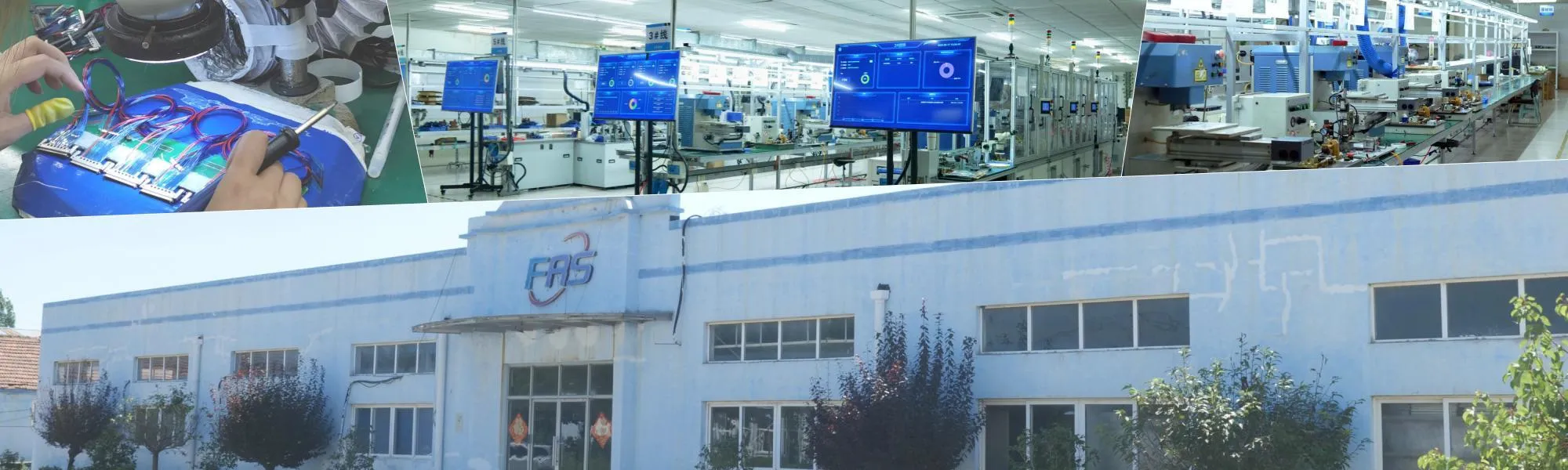
The FRS factory embodies these principles. With extensive experience in producing Custom Micro Coaxial Cableassemblies for the world’s leading technology and medical companies, FRS understands the nuanced demands of 5G, medical, and other high-reliability sectors. They provide the engineering support, manufacturing precision, and quality assurance necessary to turn your most ambitious designs into a tangible, high-performance product.

Conclusion

The journey into the world of high-frequency, miniature electronics is defined by the quality of its connections. The Custom Micro Coaxial Cableis far more than a simple wire; it is a precision-engineered component that dictates the performance limits of the systems it serves.

By mastering the science of precision impedance, conquering the challenges of 6GHz+ operation, and applying this expertise to critical applications like 5G and medical devices, engineers can unlock new levels of performance. The key is to move beyond the limitations of off-the-shelf components and partner with a manufacturing expert who can translate your specific requirements into a flawlessly executed reality.

When your design depends on the absolute best in signal integrity and reliability, the path is clear: invest in a custom solution and choose a manufacturing partner like the FRS factory that has the expertise to deliver.

Contact Us Right Now:

TEL&WECHAT: +86-1881-875-005 (Wechat)

E-MAIL: sales@custom-cable-assemblies.com

FAQ

NEWS

More Products

Our factory offers high-quality products at competitive prices
High-Temperature Resistant Micro-Coaxial Cable

High-Temperature Resistant Micro-Coaxial Cable

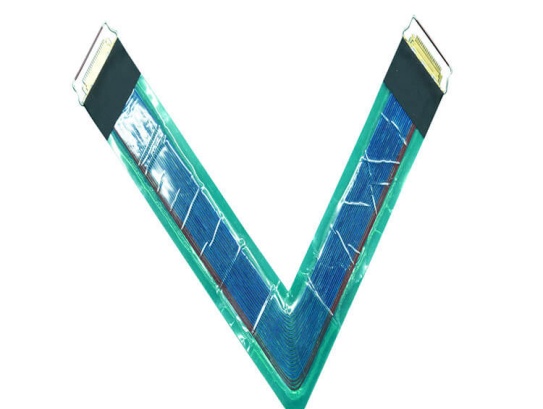
IntroductionThe ​High-Temperature Resistant Micro-Coaxial Cable is a cutting-edge connectivity solution engineered to deliver exceptional performance in extreme thermal environments. Combining precision engineering with advanced mate.
Industrial Micro-Coaxial Wiring

Industrial Micro-Coaxial Wiring

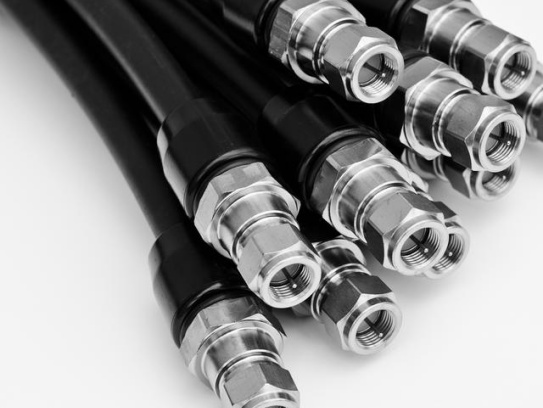
Meta Description: Discover the advanced features and benefits of Industrial Micro-Coaxial Wiring—engineered for precision, durability, and high-speed signal transmission in industrial environments. ​What is Industrial Micro-Co.

Contact Us Micro Coaxial Cable factory-(FRS).


Feel free to reach out to us for any inquiries or orders

Call Us

Have a question? Give us a call!

+8618818785005

Email Us

Send us an email and we'll get back to you soon.

sales@custom-cable-assemblies.com
       
Home Products Contact