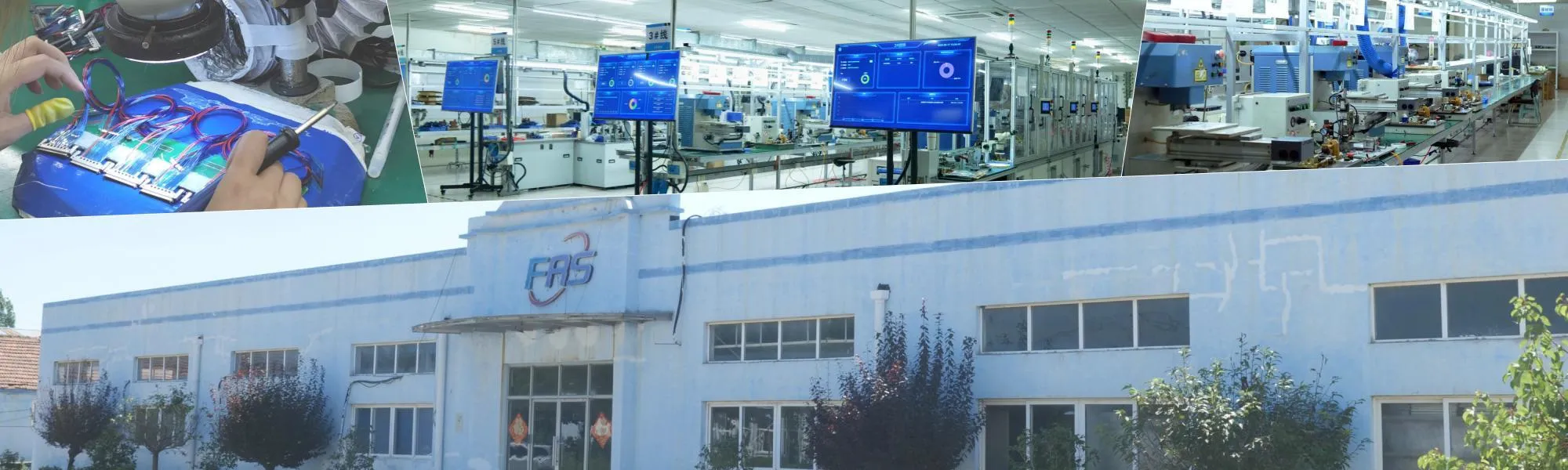
Micro Coaxial Cable factory-(FRS)
If you are designing next-generation hardware, you know the drill: consumers want devices thinner than a credit card, yet they demand 8K video streams and blazing-fast data transfers. Cramming high-frequency performance into a shrinking chassis is the ultimate engineering headache. Enter the Micro Coaxial Cable. It isn’t just a “smaller” wire; it is a precision-engineered solution bridging the gap between bulky traditional cables and fragile FFC (Flat Flexible Cable).
This guide cuts through the marketing fluff to give you the technical specs, real-world applications, and critical selection criteria you need to make informed sourcing decisions.
At its core, a Micro Coaxial Cable retains the classic coaxial architecture—Center Conductor →Dielectric Insulation →Shield →Jacket—but shrunk down to microscopic precision.
While standard coaxial cables (like RG174 or RG316) typically hover around 2.0mm to 3.0mm in diameter, micro coax enters the realm of 0.2mm to 1.37mm. To put that in perspective, some variants are finer than a human hair. This extreme miniaturization allows engineers to route high-speed signals through spaces where traditional round cables simply cannot go .
Key Technical Specifications:
Thinking of swapping your standard RG316 for a micro version? Hold on. The difference isn’t just size; it’s physics. Here is how they stack up:
| Feature | Standard Coaxial Cable | Micro Coaxial Cable |
|---|---|---|
| Diameter | 2.0mm – 10mm+ | 0.2mm – 1.5mm |
| Primary Use | Base stations, CCTV, Antennas | Internal device wiring (Phones, Drones) |
| Flexibility | Moderate (can be stiff) | Extreme (high-strand count) |
| Frequency | Excellent for long distances | Optimized for short-reach, high-speed |
| Termination | Crimp/Solder (Standard tools) | Laser strip / Micro-weld (Specialized) |
Why the price gap?
Micro coaxial cables are significantly more expensive to manufacture. Creating a consistent dielectric layer on a 44AWG wire requires precision extrusion equipment and rigorous quality control. Furthermore, terminating these cables requires laser stripping and micro-welding—processes that standard cable shops often cannot handle .
Micro coax shines where space is tight, weight matters, and signal noise is unacceptable.
This is arguably the most demanding application. In disposable endoscopes or catheter-based sensors, the cable must navigate tight anatomical curves without breaking. Micro coax provides the necessary flexibility and EMI shielding to transmit clear diagnostic images without adding bulk to the probe .
As bezels shrink, the distance between the camera module and the motherboard gets smaller, but the data rate (MIPI/D-PHY) goes up. Micro coax replaces FFC in flagship phones because it handles high-frequency interference better, ensuring your selfies don’t come with static .
Modern cars are packed with cameras and radar. These sensors generate massive amounts of data that must travel through a vibrating, temperature-fluctuating engine bay. Micro coax offers the thermal stability (up to 200°C) and vibration resistance required for automotive grade reliability .
Weight is flight time. Replacing heavier standard cables with micro coax saves grams that translate directly into longer battery life. Additionally, the high-flex life of stranded micro conductors ensures the cable won’t fail after thousands of gimbal movements .
Smartwatches and AR glasses have zero room for error. The cable connects the mainboard to the display or biometric sensors, often requiring complex 3D routing inside the casing .
Don’t just buy based on diameter. To avoid costly redesigns, evaluate these four parameters:
Thinner wires mean higher DC resistance. If you are powering a device andtransmitting data, verify the current rating. A 42AWG wire has very little copper; pushing too much current will cause voltage drop or heat generation .
The insulator dictates performance.
For high-speed video (MIPI CSI-2), look for shielding coverage of 90% or higher. Spiral shields offer better flexibility than braids, making them ideal for moving parts like hinges or robotic arms .
Micro coax is useless without the right mate. Ensure your cable spec matches the pitch of your connector (e.g., I-PEX MHF series or custom board-to-board connectors). An impedance mismatch at the connector interface will ruin your signal integrity faster than a bad cable will .
Even seasoned engineers stumble here. Watch out for these pitfalls:
Micro Coaxial Cable is the unsung hero of modern miniaturization, solving the critical challenge of delivering high-speed data in confined spaces. While it demands a higher budget and specialized manufacturing partners compared to standard cabling, the payoff in signal integrity and space savings is undeniable.
Your Action Plan:Define your frequency requirements first, select the thickest AWG that physically fits your envelope to ensure durability, and partner with a supplier who understands precision termination.
Our factory offers high-quality products at competitive prices
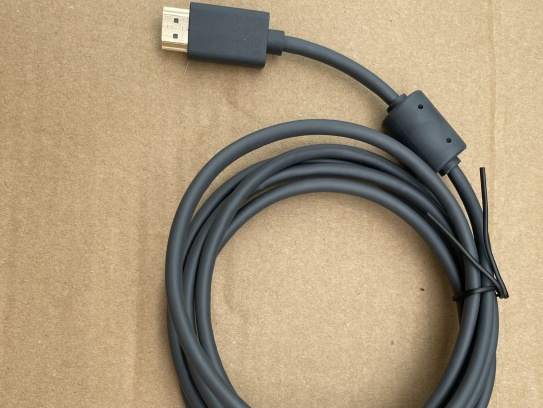
OverviewMicro-Coax for HD Video is a cutting-edge coaxial cable engineered to deliver uncompromised high-definition video quality across professional and industrial applications. Designed for reliability, precision, and versatility,.
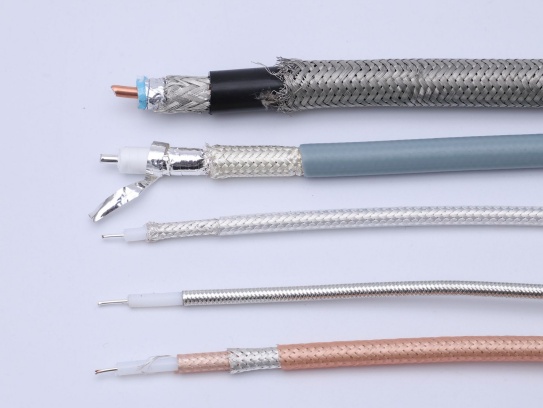
Meta Description: Discover premium RF micro coaxial cables engineered for high-frequency signal transmission in compact devices. Explore specs, applications, and benefits for telecom, medical, and aerospace industries. .
Feel free to reach out to us for any inquiries or orders