Micro Coaxial Cable factory-(FRS)

Anti-Interference Micro Coaxial Cable for Automotive ADAS: RoHS/REACH-Compliant for Global Markets - Micro Coaxial Cable factory-(FRS)

Micro Coaxial Cable-Micro Coaxial Cable factory-(FRS)-FRS


INFO

Modern vehicles are evolving into complex networks of sensors and high-speed data links. At the heart of this transformation is the anti-interference micro coaxial cable, a critical component for ensuring the reliable operation of Advanced Driver Assistance Systems (ADAS). This article explores the stringent demands of this application and why a RoHS/REACH-compliant solution is essential for the global automotive market.


🚗 The Critical Role of Micro Coaxial Cables in ADAS

ADAS relies on a multitude of sensors—cameras, radars, LiDAR, and ultrasonic sensors—to perceive the vehicle’s environment. These sensors generate massive amounts of high-frequency data that must be transmitted to central ECUs with minimal latency and maximum reliability.

Micro coaxial cables are the preferred interconnect for many of these links due to their ability to maintain signal integrity at high frequencies (GHz range) within the tight spatial constraints of a vehicle. A modern car can contain over a hundred meters of coaxial cable, with a single LiDAR unit alone requiring up to 18–24 individual micro-coaxial connections for precise time-of-flight measurements.

As vehicles progress towards higher levels of autonomy, the demand for high-bandwidth, low-latency, and interference-resistant cabling like micro coax will only intensify.


🛡️ Why Anti-Interference Design is Non-Negotiable

The automotive environment is a harsh electromagnetic arena, filled with noise from:

  • Dozens of ECUs and switching power supplies.
  • High-current traction inverters and motors.
  • On-board chargers and DC/DC converters.
  • External sources like other vehicles, base stations, and power lines.

Consequences of Signal Degradation:

  • Reduced Detection Range & Accuracy:Blurred object edges and ghost targets in camera or radar data.
  • Latency & Timing Errors:Mismatched data fusion, causing incorrect decisions in emergency maneuvers.
  • System Faults & Safety Risks:Intermittent connections triggering false warnings or, worse, disabling safety functions.

Key Anti-Interference Design Elements:

  • Precision Impedance Control:Tight tolerance (e.g., 50 Ω ±2 Ω) is crucial to minimize signal reflections that cause jitter and data errors.
  • Multi-Layer Shielding:Combining braided shields (for low-frequency EMI) and foil shields (for high-frequency RFI) provides 360° protection. Advanced designs may add a second braid or serve shields to further reduce noise coupling.
  • Low-Loss Dielectrics:Materials like foamed PTFE or PFA offer a low dielectric constant and loss tangent, ensuring signal integrity at high frequencies and data rates (e.g., 4K/8K video, 20+ Gbps).
  • Twisted Pair + Coax Hybrids:In some ADAS links, a hybrid approach is used where a twisted pair carries a clock or control signal alongside the coax, leveraging common-mode rejection for enhanced noise immunity.

🔬 Material & Construction for Harsh Automotive Environments

ADAS cables must withstand extreme conditions, from summer heat in closed cabins to winter cold and road splash. Key material choices include:

  • Conductor:High-purity, silver-plated copper (SPC) is favored for its low resistance and excellent high-frequency performance. Stranded constructions enhance flexibility for routing.
  • Dielectric:PTFE, FEP, and PFA are common for their low loss and wide temperature ranges. Foamed versions reduce dielectric constant and loss further.
  • Shielding:A combination of tinned copper braid and aluminum foil provides comprehensive EMI/RFI protection. An additional drain wire aids in termination.
  • Jacket:Materials like TPE, XLPE, or halogen-free LSZH compounds are selected for their flame retardancy, low smoke, and resistance to automotive fluids and UV exposure.

These robust constructions ensure the cable can endure vibration, thermal cycling, and long-term flexing without degradation.


🌍 Navigating Global Regulations: RoHS & REACH

For a cable to be viable in the global automotive market, it must comply with key environmental regulations:

  • EU RoHS Directive:Restricts the use of hazardous substances like lead, mercury, and certain flame retardants in electrical and electronic equipment.
  • EU REACH Regulation:Governs the registration, evaluation, and restriction of chemicals, requiring manufacturers to disclose and manage the use of Substances of Very High Concern (SVHCs).

Compliance is not optional; it is a fundamental requirement for Tier 1 suppliers and OEMs. Non-compliant cables can be rejected at borders, causing costly project delays and reputational damage. A truly global solution must be designed with these regulations in mind from the outset, using fully characterized, compliant material systems.


📋 Key Electrical & Mechanical Specifications

When selecting an anti-interference micro coaxial cable, engineers should evaluate the following parameters:

  • Impedance:Typically 50 Ω for radar/RF, but can range from 42.5 Ω to 75 Ω for other high-speed links.
  • Attenuation:Must be specified over the operating frequency range (e.g., 1 GHz to 15 GHz) to ensure signal integrity.
  • Operating Temperature:Must cover the full automotive range, typically from -40°C to +105°C or even +125°C for under-hood applications.
  • Shielding Effectiveness:A minimum of 60–80 dB is common, with higher performance (90 dB+) for sensitive radar or camera links.
  • Flex Life & Bend Radius:Cables must withstand tight routing and vibration without performance loss.
  • Voltage Rating:While data lines are low voltage, the cable’s construction must be robust enough to handle any coupling or transients.

🤝 Partnering with the Right Manufacturer: The FRS Advantage

Designing and manufacturing high-performance micro coaxial cables for ADAS is complex, requiring deep expertise in RF engineering, materials science, and automotive-grade quality systems. This is where a specialized partner like FRSbecomes invaluable.

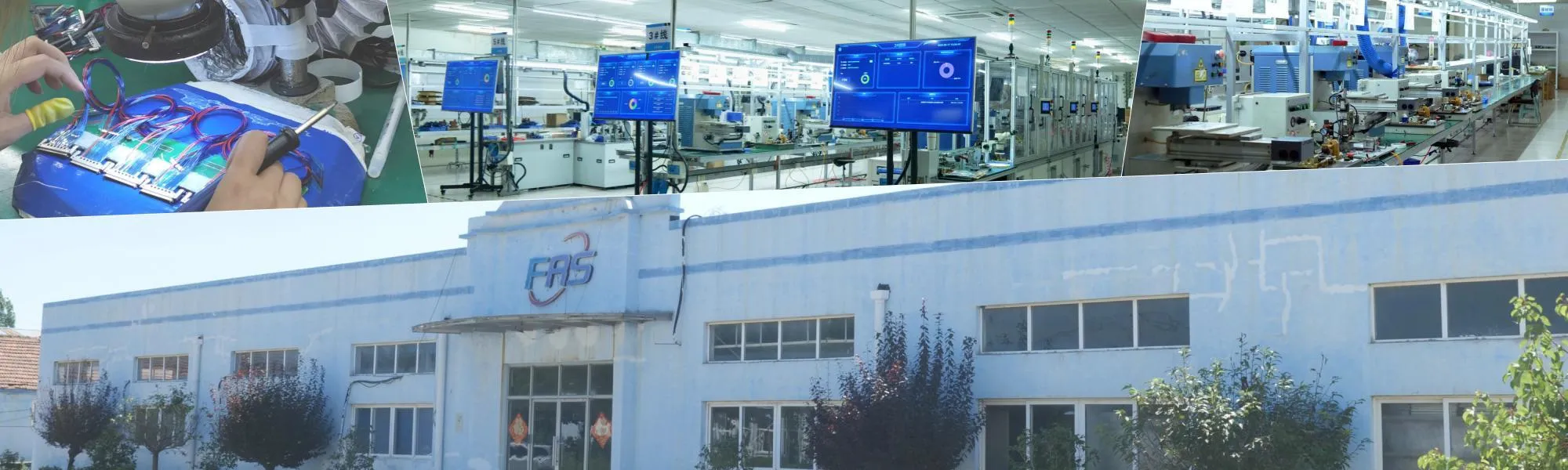
FRS is a professional cable manufacturer with extensive experience in providing high-performance cable solutions to global automotive and industrial clients. Our core strengths align perfectly with the demands of the ADAS market:

  • Application-Driven Engineering:We don’t just sell standard cables. Our engineers work with you from the concept stage, modeling signal integrity, optimizing shielding, and selecting materials to meet your specific application requirements.
  • Full Compliance, Global Reach:All our automotive-grade cables are designed to be RoHS and REACH compliant, ensuring seamless market access in Europe, North America, and Asia. We provide full material declarations and support regulatory testing.
  • Automotive-Quality Manufacturing:With robust quality management systems and a focus on precision, we deliver cables with exceptional consistency and reliability, crucial for the safety-critical ADAS domain.
  • Customization & Flexibility:Whether you need a specific impedance, a unique bend radius, or a custom overmolded assembly, our flexible manufacturing capabilities can deliver. We are experienced in developing solutions for Fakra, Mini-Fakra, H-MTD, and other automotive interfaces.
  • Proven Reliability:Our products are trusted in demanding automotive applications where failure is not an option. We focus on long-term reliability, helping you reduce warranty costs and protect your brand reputation.

💡 Conclusion

The shift towards safer, smarter vehicles hinges on the performance of every component, especially the cables that connect them. An anti-interference micro coaxial cablethat combines precision RF design, robust mechanical construction, and full global regulatory compliance is no longer a luxury—it is a necessity.

By partnering with an experienced manufacturer like FRS, you gain more than just a supplier; you gain a development partner committed to your success. We help you navigate the complexities of ADAS interconnect design, ensuring your vehicles deliver the safety and performance that drivers demand.

Let FRS be your trusted partner for high-performance, RoHS/REACH-compliant micro coaxial cable solutions for automotive ADAS.

FAQ

NEWS

More Products

Our factory offers high-quality products at competitive prices
LVDS Micro Coaxial Cable

LVDS Micro Coaxial Cable

In LVDS (Low Voltage Differential Signaling) display systems, Micro-coaxial Cable (also referred to as Micro Coax Cable) stands out as an optimal solution for high-resolution, high-reliability signal transmission. Designed to meet the str.

KEL Micro Coaxial Cable

KEL Micro Coaxial Cable

KEL’s Micro Coaxial Cable solutions are at the forefront of modern electronic connectivity, offering exceptional performance in high-speed data transmission, miniaturization, and reliability. These connectors are integral to various.

Contact Us Micro Coaxial Cable factory-(FRS).


Feel free to reach out to us for any inquiries or orders

Call Us

Have a question? Give us a call!

+861881875005

Email Us

Send us an email and we'll get back to you soon.

sales@custom-cable-assemblies.com
       
Home Products Contact