Beyond Durability: New Coating Tech Adds Years to Micro-Coaxial Cable Life - Micro Coaxial Cable factory-(FRS)
Micro Coaxial Cable factory-(FRS)
INFO
Tired of replacing delicate micro-coaxial cables far sooner than expected? A breakthrough in materials science is delivering unprecedented resilience, potentially quadrupling the usable life of these critical components. Discover how cutting-edge coating technology is setting a new standard for reliability in demanding applications.
The Lifeline of Modern Tech: Why Micro-Coaxial Matters
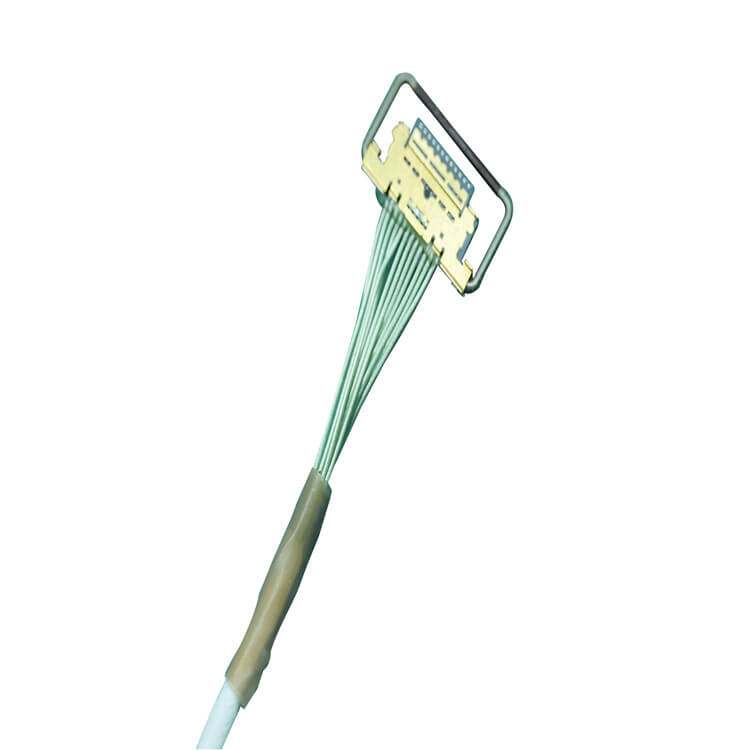
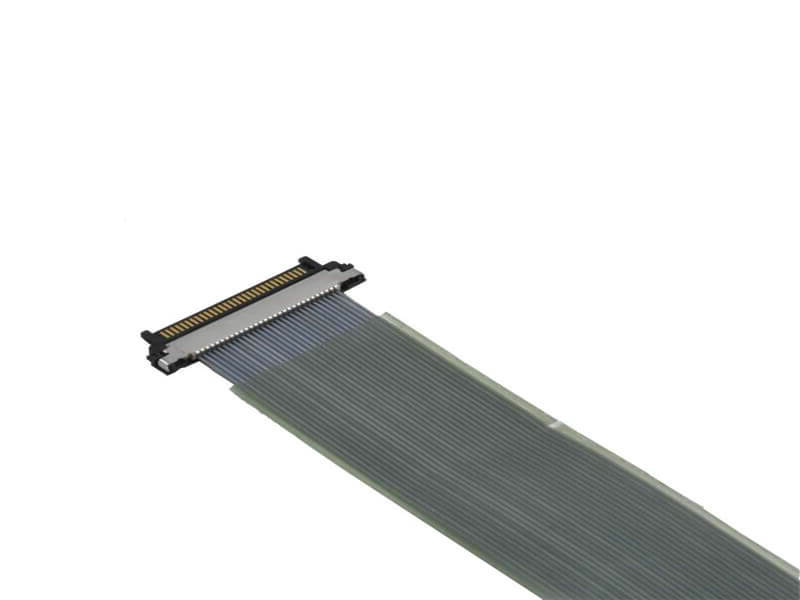
Micro-coaxial cables are the unsung heroes powering innovation. Found inside everything from surgical robots and aerospace sensors to advanced consumer gadgets, their job is crucial: transmit high-frequency signals with pristine clarity across tiny distances. Despite their importance, these fine wires (often thinner than 1mm!) face relentless challenges:
Environmental Aggressors: Humidity, temperature extremes, oils, solvents.
Chemical Degradation: Exposure to cleaning agents or industrial processes.
These factors attack the cable’s electrical insulation, a thin protective layer surrounding the inner conductor. Once this insulation weakens or cracks, signal integrity plummets – causing data loss, errors, or complete system failure. Until now, frequent replacement was often the only costly solution.
The Game-Changer: Reinventing Insulation
The innovation lies in a revolutionary advanced polymer coating applied directly to the conductor during manufacturing. Unlike traditional materials, this next-generation polymer excels in several key areas:
Superior Environmental Resistance: Acts like an impervious shield against moisture ingress, corrosive chemicals, and UV radiation. Imagine a waterproof, chemical-proof jacket.
Unmatched Thermal Stability: Maintains its structural integrity and protective properties across a much wider temperature range, from deep freeze to high heat (e.g., -65°C to +200°C+ for materials like PFA).
Enhanced Mechanical Toughness: Provides significantly better resistance to cracking under flexing, bending, and abrasion stresses. Think a reinforced layer absorbing daily wear and tear.
Outstanding Electrical Properties: Maintains low signal loss and stable impedance even under harsh conditions – preserving signal quality throughout the cable’s extended life.
300% Lifespan Extension: From Theory to Proven Reality
Independent laboratory accelerated aging tests demonstrate the dramatic impact. Cables featuring this advanced coating consistently endured simulated harsh environments four times longer before showing signs of insulation breakdown compared to standard micro-coaxial counterparts. This translates directly to:
Reduced Downtime & Maintenance Costs: Fewer cable failures mean less unexpected equipment stoppages and costly service calls.
Enhanced System Reliability: Critical systems (medical devices, industrial automation, data centers) operate more dependably for longer periods.
Lower Total Cost of Ownership (TCO): While potentially a minor upfront increase, the massive lifespan extension drastically reduces the need for replacements, saving significant money over time.
Increased Design Flexibility: Enables use of micro-coax in even more demanding locations previously deemed too challenging.
Who Benefits Most from This Leap Forward?
Medical Technology: Reliable cables are non-negotiable inside MRI machines, surgical robots, and vital patient monitors.
Industrial Automation & Robotics: High-flex zones in robotic arms and moving machinery demand extreme cable durability.
Aerospace & Defense: Equipment facing extreme temperatures, vibration, and chemical exposure in aircraft and spacecraft.
Test & Measurement: Precision instruments requiring stable, low-noise connections over long durations.
Telecom Infrastructure: Dense, hard-to-access installations benefit from longer-lasting components.
This coating technology represents a paradigm shift. By fundamentally enhancing the protective barrier around the conductor, it directly addresses the core reasons for premature cable failure. The 300% lifespan increase isn’t just a number – it’s a promise of vastly improved reliability, cost savings, and the ability to push the boundaries of where micro-coaxial technology can be deployed.
Is your application pushing current micro-coaxial cables to their limit? Investigate advanced coating solutions to unlock unprecedented durability and reliability. Request specifications or consult with manufacturers specializing in high-reliability micro-coaxial cable.
FAQ Section (Beneficial for SEO & Users):
Q: What exactly causes micro-coaxial cables to fail?
A: Primarily degradation of the electrical insulation layer due to moisture ingress, chemical attack, thermal stress, mechanical flexing/cracking, or electrochemical migration, leading to increased signal loss or short circuits.
Q: How does the new coating achieve a 300% lifespan increase?
A: By employing an advanced polymer (e.g., specialized fluoropolymers like PFA) that offers vastly superior resistance to environmental, thermal, and mechanical stresses compared to traditional insulation like PVC or standard PTFE. Laboratory testing (accelerated aging) confirms this performance delta.
Q: Will the coating make the cable stiffer or harder to install?
A: Modern coatings are engineered to provide enhanced protection without significantly compromising flexibility. In high-flex applications, cables with optimized designs (like specialized stranding) paired with this coating often outperform standard cables.
Q: Is there an increased cost?
A: Cables with this advanced coating typically have a slightly higher initial cost due to the premium materials and manufacturing processes. However, the dramatic reduction in replacement frequency and associated downtime costs leads to significant long-term savings (Lower TCO).
Q: Where can I find cables with this technology?
A: Look for manufacturers specializing in high-reliability, performance-grade micro-coaxial cable. Inquire specifically about their latest insulation/coating technologies and request independent test data supporting lifespan claims under relevant conditions (temperature flex life, chemical resistance ratings like UL 2269, etc.). Mention specific environmental challenges in your application. Request technical specs.
Choosing the perfect micro coaxial cable can feel overwhelming with so many options available. But fear not! Selecting the right one is crucial for ensuring your electronic devices or systems perform reliably. This guide breaks down the...
Underground installation of communication and signal transmission cables is a common practice in many industries, from telecommunications and broadcasting to industrial automation and security systems. However, choosing the right cable ...
Coaxial cables are indispensable in modern communication, security surveillance, and broadcast systems, enabling stable signal transmission in homes, enterprises, and industrial sites. As manufacturers expand globally—penetrating market...
Electric Vehicles (EVs) promise a cleaner, quieter future, but their complex high-voltage battery packs require constant, precise monitoring to ensure safety, performance, and longevity. At the heart of this critical task lies the Batte...
In the realm of signal transmission, the presence of noise is a persistent challenge that can severely compromise the integrity and quality of signals. Noise can stem from various sources such as electromagnetic interference (EMI), radi...
Introduction: The Silent Threat to Sensitive ElectronicsElectromagnetic Interference (EMI) is the invisible enemy of modern electronics. For sensitive systems in medical devices, aerospace avionics, defense equipment, test & measure...
In the complex web of electrical and data systems that power modern commercial buildings, cable management is a critical yet often overlooked component. Cable trays and ladders serve as the backbone of organized, safe, and efficient cab...
When selecting micro-coaxial cables for high-temperature applications, understanding the temperature tolerance of PTFE-insulated micro-coaxial cables is critical. Polytetrafluoroethylene (PTFE) is a popular insulation material due...
Micro coaxial cables are essential in high-frequency applications like telecommunications, medical imaging, aerospace systems, and broadcast equipment. However, long runs face challenges like signal degradation, electromagnetic interfer...
Ever wondered how long it takes for your high-speed digital signal or precise RF pulse to travel down a tiny micro coaxial cable? That travel time is called propagation delay, and it’s a critical factor in timing-sensitive applic...
Working with micro coaxial cables (common in electronics, drones, cameras, medical devices, and communications) requires precision tools due to their tiny size and delicate construction. Using the wrong tools can easily damage the cable...
The short answer is yes, coaxial cable assemblies can be recycled after use—but the process requires careful handling due to their composite structure. As the world grapples with the growing problem of electronic waste (e-waste), recycl...
Ensuring the reliability and performance of micro coaxial cable assemblies before they are integrated into your system is critical. Faulty cables can lead to system failures, costly downtime, and difficult troubleshooting late...
Cable glands, often referred to as cable connectors or cable fittings, are critical components in electrical and mechanical systems, designed to create a secure, environmental seal where cables enter enclosures, equipment, or junction b...
Choosing between micro coaxial cables and regular coaxial cables depends on your project’s needs. Here’s a concise comparison to guide your decision: Key Differences Feature Regular Coaxial Cable Micro Coaxial Cable Size T...
In the hospitality industry, a stable, high-performance network is a cornerstone of guest satisfaction and operational efficiency. From guests streaming videos in rooms to hotels managing real-time CCTV, POS systems, and back-office dat...
Micro coaxial cables are widely used in high-frequency applications due to their compact size, flexibility, and reliable signal transmission. However, like any electronic component, they are susceptible to failures that can disrupt syst...
Meta Description: Discover how micro-coaxial cables enable reliable high-speed data transfer for drones. Learn key selection criteria, top brands, and FAQs for optimized drone performance.
Why High-Speed Data Transfer Matter...
Overview and definition
Medical grade micro coaxial cable for ultrasound probes is a highly miniaturized, high‑density interconnect that carries high‑frequency ultrasound signals between the probe’s piezoelectric array and the imagin...
Ever wonder why signal timing is critical in high-speed electronics like 5G phones, radar systems, or advanced medical imaging? A key player hiding within your micro coaxial cables is propagation delay – the time it takes for an e...
In the rapidly evolving landscape of medical diagnostics, precision, reliability, and miniaturization have become the cornerstones of technological advancement. Among the countless components that power cutting-edge diagnostic equipment...
For enterprises that rely heavily on coaxial cables, prolonged delivery time can bring about a series of troubles, such as delayed projects and increased costs. However, the recent logistics reform has brought good news to the industry,...
Coaxial cable assemblies are critical components in telecommunications, aerospace, automotive electronics, and industrial control systems. As global environmental regulations tighten and market demand for sustainable products grows, obt...
In the digital age, the demand for high-speed data transmission has become insatiable. Modern networks, whether in data centers, offices, or homes, rely heavily on efficient data transfer to support a wide range of applications, from cl...
For electronics manufacturers, the efficient management of end-of-life materials is no longer optional—it’s a critical part of operations, sustainability goals, and cost control. Micro-coaxial cables, ubiquitous in everything from...
In an era dominated by digital connectivity, coaxial lines serve as the backbone of numerous critical systems, from cable television and high-speed internet to security cameras and satellite communications. These lines are designed to t...
Medical robots are transforming healthcare, enabling minimally invasive surgeries with superhuman precision, enhancing diagnostics, and improving patient outcomes. At the heart of these sophisticated machines lies an often-overlooked bu...
In the dynamic world of stadiums and arenas, where thousands gather to cheer for their favorite teams or enjoy live performances, a seamless audio-visual (AV) experience is non-negotiable. From giant video screens displaying instant rep...
Satellite remote sensing has become an indispensable technology in modern society, driving advancements across industries such as environmental monitoring, meteorology, agriculture, disaster management, and national defense. At the core...
In today’s digital age, high-speed data transmission has become a core demand for industries ranging from telecommunications and security monitoring to data centers and aerospace. Whether it is 5G base station signal backhaul, 4K/8K hig...
Modern cars are becoming marvels of electronic intelligence, largely thanks to Advanced Driver Assistance Systems (ADAS) like automatic emergency braking, adaptive cruise control, and blind-spot monitoring. At the heart of many of...
Introduction
The European Union’s latest regulatory changes (effective Q1 2025) are reshaping micro-coaxial cable production standards. These updates affect manufacturers, suppliers, and tech companies relying on these essentia...
A significant breakthrough has been achieved in the coaxial cable sector with the successful completion of a crucial technical upgrade. This advancement marks a new chapter in the performance and application of coaxial cables, promising...
The Hidden Backbone of Smart Farms
Micro-coaxial cables (often thinner than 2mm) are revolutionizing agriculture by reliably transmitting data between sensors, drones, and automated equipment. These miniature cables withstand harsh f...
In the world of virtual reality (VR), a seamless and immersive experience relies heavily on stable, high-speed data transmission. While many focus on headsets and sensors, the cables connecting these components play a crucial role. Coax...
In the harsh and unforgiving environment of space—where extreme temperatures, intense radiation, and vacuum conditions prevail—reliable signal transmission is critical to the success of satellites, space probes, and orbital stations. Mi...
Introduction
The oil and gas industry operates in some of Earth’s most extreme environments—from deep-sea drilling rigs to Arctic permafrost. These conditions demand connectivity solutions that combine precision, durability, and mini...
The evolution from traditional power grids to intelligent Smart Grid Systems demands a robust, reliable, and high-performance communication infrastructure. At the heart of this critical communication layer lies a proven and essential ...
In today’s digital age, ultra – high definition (UHD) content has become increasingly prevalent, from 4K movies and TV shows to 8K video streaming and professional video production. To enjoy these high – quality conten...
As smart agriculture transforms traditional farming into data-driven precision operations, the demand for robust, high-performance connectivity solutions has never been greater. Micro-coaxial cables (micro-coax), with their compact desi...
KEL’s Micro Coaxial Cable solutions are at the forefront of modern electronic connectivity, offering exceptional performance in high-speed data transmission, miniaturization, and reliability. These connectors are integral to various.
Meta Description: Discover the advanced features and benefits of Industrial Micro-Coaxial Wiring—engineered for precision, durability, and high-speed signal transmission in industrial environments.
What is Industrial Micro-Co.
Contact Us Micro Coaxial Cable factory-(FRS).
Feel free to reach out to us for any inquiries or orders