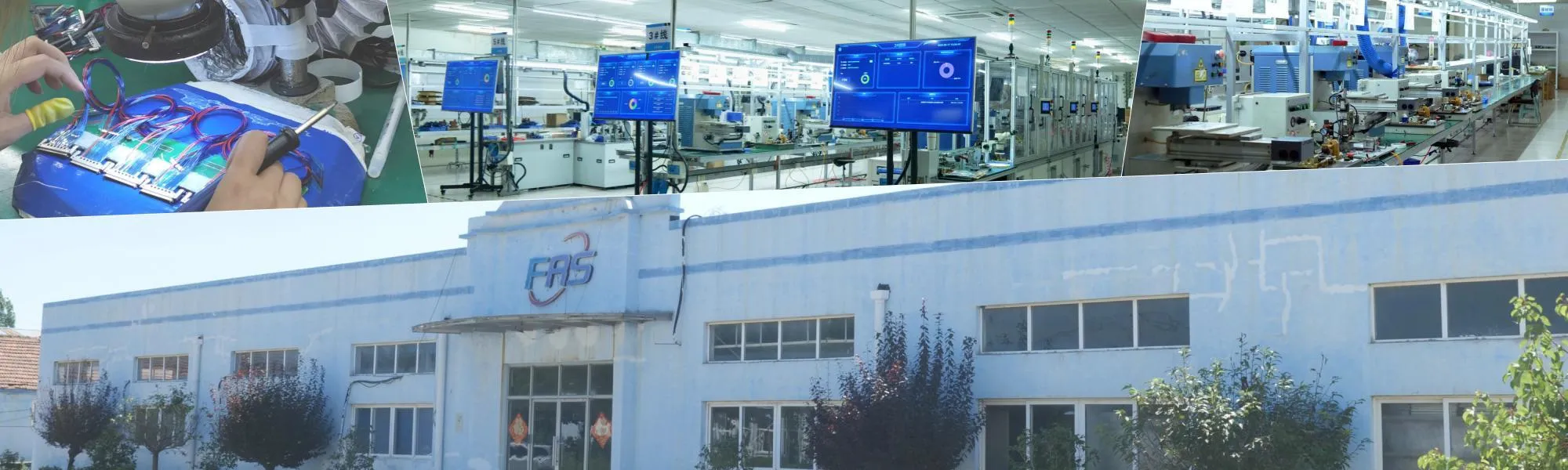
Micro Coaxial Cable factory-(FRS)
Micro-coaxial cables are the unsung heroes of modern electronics, transmitting high-frequency signals in devices like routers, medical equipment, and aerospace systems. However, over time, these tiny cables can degrade due to wear, environmental factors, or improper handling. If you’re noticing signal loss, intermittent connections, or physical damage, it’s time to act. Here’s a practical guide to maintaining aging micro-coaxial cables to extend their lifespan and ensure optimal performance.
Why it matters: Small cracks, frayed shielding, or bent connectors can disrupt signal integrity.
What to do:
Pro tip: Label cables during inspections to track their condition over time.
Why it matters: Dust, dirt, or oxidation on connectors can cause signal interference.
What to do:
Warning: Always power off devices before cleaning to prevent short circuits.
Why it matters: Repeated stress weakens the cable’s shielding and core.
What to do:
Why it matters: Moisture, heat, and chemicals accelerate aging.
What to do:
Why it matters: Gradual signal degradation isn’t always visible.
What to do:
Budget-friendly alternative: Test with a multimeter for continuity and shorts.
Why it matters: Connectors and stress points fail first.
What to do:
Why it matters: Older cables may lack modern shielding or materials.
What to do:
Our factory offers high-quality products at competitive prices
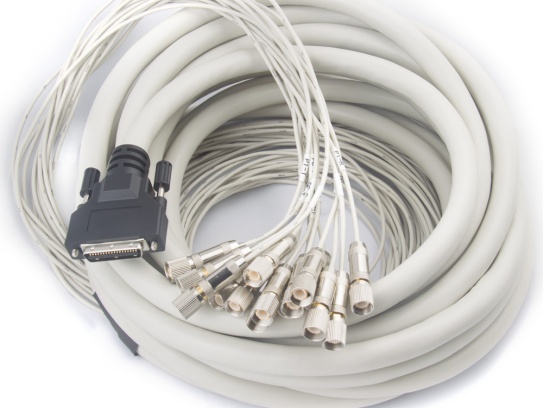
Meta Description: Discover our premium Flexible Micro-Coaxial Assemblies—engineered for high-frequency signal integrity, durability, and versatility in aerospace, medical, telecom, and robotics applications. What Are Flexible .
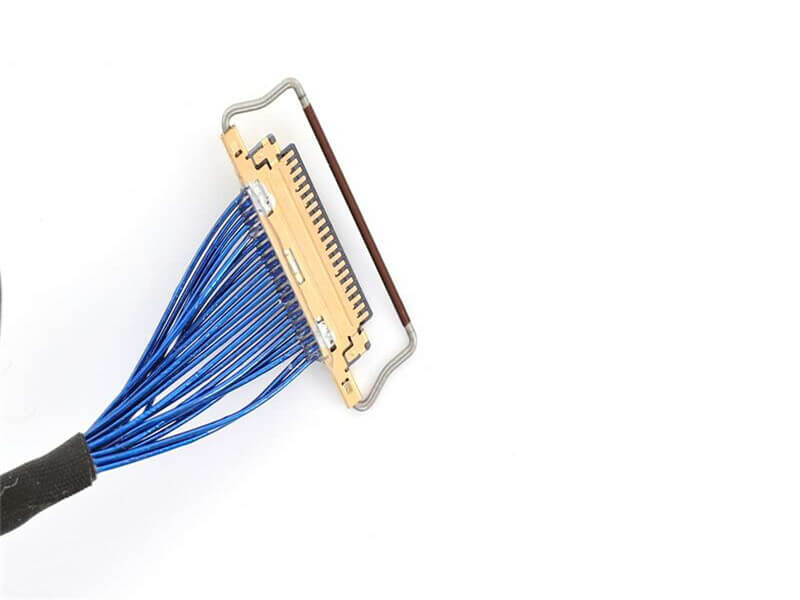
Overview of I-PEX Micro Coaxial Cable Connectors I-PEX is a global leader in micro coaxial cable solutions, specializing in high-performance IPEX micro coax connectors and micro coaxial cable assemblies. These products are designed for.
Feel free to reach out to us for any inquiries or orders