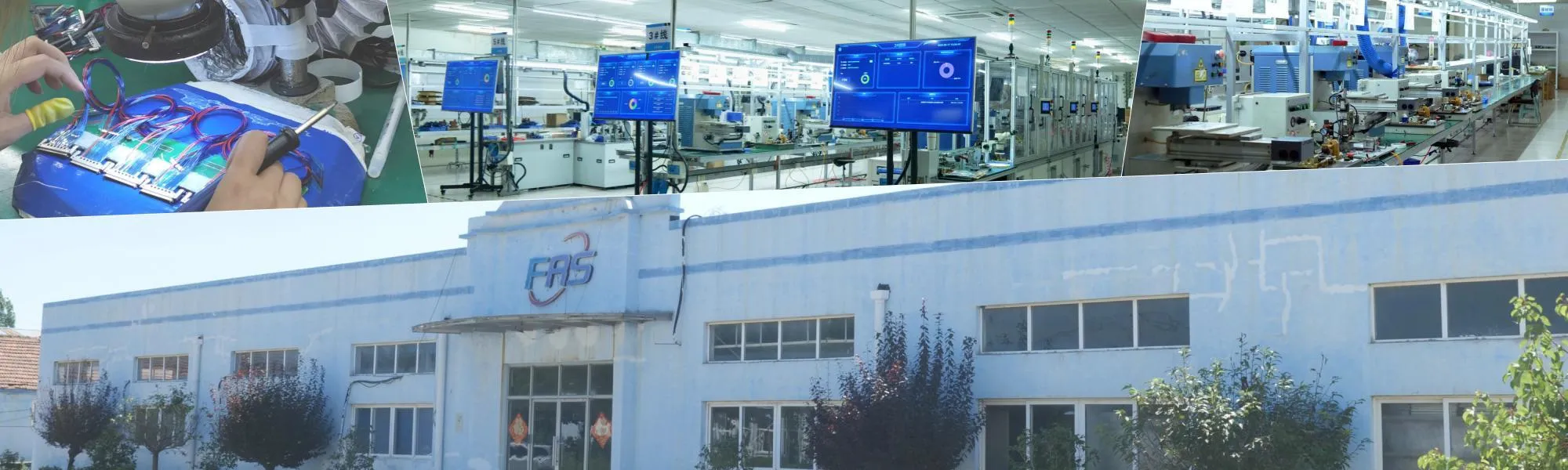
Micro Coaxial Cable factory-(FRS)
In the era of rapid technological advancement, the demand for high-speed data transmission has never been greater. With the rollout of 5G networks and the continuous evolution of mobile devices, the need for reliable and efficient connectivity solutions is paramount. Enter the micro coaxial cable—a game-changing component that is redefining the landscape of high-frequency signal transmission. This article delves into the intricacies of micro coaxial cables, their significance in 5G and mobile applications, and why choosing the right OEM factory is crucial for ensuring high signal integrity and fast delivery.
A micro coaxial cable, often referred to as a miniature coaxial cable, is a specialized type of cable designed for high-frequency signal transmission in compact spaces. Unlike traditional coaxial cables, which are bulkier and less flexible, micro coaxial cables boast a significantly smaller diameter—typically ranging from 0.2mm to 1mm. This miniaturization does not compromise performance; instead, it enhances it by providing superior signal integrity, low attenuation, and excellent electromagnetic interference (EMI) shielding.
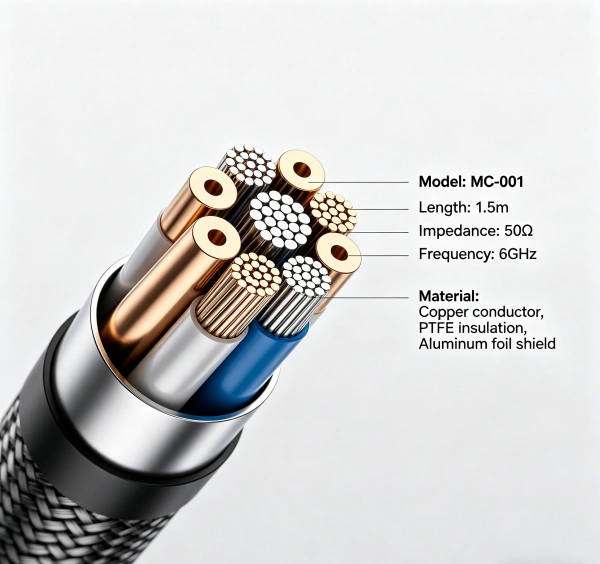
The structure of a micro coaxial cable consists of several key components:
The advent of 5G technology has brought about a paradigm shift in mobile communications. With its promise of ultra-fast data speeds, low latency, and massive connectivity, 5G requires components that can handle high-frequency signals with minimal loss. Micro coaxial cables are perfectly suited for this task.
5G networks operate across a wide range of frequencies, including sub-6GHz and millimeter-wave bands. Micro coaxial cables are designed to support frequencies up to 40GHz and beyond, making them ideal for 5G RF modules, antenna connections, and high-speed data links. Their precise impedance control (typically 50Ω or 75Ω) ensures minimal signal reflection and maximum power transfer, which is critical for maintaining signal integrity in high-frequency applications.
Modern smartphones, tablets, and wearable devices are becoming increasingly compact while packing more functionality. The small form factor of micro coaxial cables allows them to be integrated into tight spaces within these devices. For instance, they are used to connect high-resolution camera modules to the mainboard, transmit display signals, and link various sensors—all while maintaining high-speed data transfer rates.
Signal integrity is a critical concern in 5G and mobile applications, where even minor signal degradation can lead to data loss or reduced performance. The coaxial structure of these cables provides inherent shielding against EMI, ensuring that the signal remains clean and undisturbed. This is particularly important in dense urban environments where electromagnetic noise is prevalent. Additionally, the low attenuation characteristics of micro coaxial cables mean that signals can travel longer distances without significant loss, which is essential for both device-internal connections and base station equipment.
Mobile devices are subject to frequent handling, bending, and movement. Micro coaxial cables are engineered to be highly flexible, with some variants capable of withstanding over 200,000 bend cycles without performance degradation. This durability is crucial for foldable smartphones, where the display and internal components must flex repeatedly. The cables’ robust construction also makes them resistant to environmental factors such as temperature variations and moisture, ensuring reliable operation in diverse conditions.
Selecting the right OEM factory for your micro coaxial cable needs is a decision that can significantly impact the quality, performance, and timeliness of your products. Here are some critical factors to consider:
A reputable OEM factory should possess deep technical knowledge of micro coaxial cable design and manufacturing. They should be able to offer customized solutions tailored to your specific requirements, whether it’s a particular impedance, cable length, connector type, or shielding configuration. Look for factories that have experience working with various industries, including consumer electronics, medical devices, automotive, and telecommunications, as this indicates their versatility and adaptability.
Quality is non-negotiable when it comes to components that affect signal integrity. Ensure that the OEM factory adheres to international quality standards such as ISO 9001, ISO 13485 (for medical applications), and IATF 16949 (for automotive). These certifications demonstrate the factory’s commitment to maintaining consistent quality throughout the production process. Additionally, inquire about their testing procedures—reputable factories will conduct 100% electrical testing on their cables to verify parameters like impedance, insertion loss, and shielding effectiveness.
In today’s fast-paced market, time-to-market is a critical competitive advantage. Choose an OEM factory that can offer fast prototyping and short lead times for bulk orders. This requires the factory to have sufficient production capacity, efficient supply chain management, and the ability to scale up production as needed. A factory with in-house capabilities for processes like conductor drawing, insulation extrusion, shielding, and assembly can often deliver faster and with greater control over quality.
The performance of a micro coaxial cable is heavily dependent on the materials used. A good OEM factory will stay abreast of the latest material innovations, such as advanced fluoropolymers for insulation or high-conductivity alloys for conductors. They should be able to recommend the best materials for your application based on factors like frequency range, environmental conditions, and cost considerations.
While cost is always a consideration, it should not be the sole determining factor. Look for an OEM factory that offers competitive pricing without compromising on quality. Additionally, consider the value-added services they provide, such as design support, engineering consultation, and after-sales service. A factory that partners with you throughout the product development cycle can help you optimize your designs and avoid costly mistakes.
While 5G and mobile applications are significant drivers of demand for micro coaxial cables, these versatile components find use in a wide range of other industries:
In the medical field, micro coaxial cables are used in minimally invasive surgical instruments, endoscopes, ultrasound probes, and patient monitoring systems. Their small size and high signal integrity make them ideal for transmitting high-resolution images and sensitive physiological data. For example, in endoscopic procedures, micro coaxial cables enable the transmission of 4K/8K video signals from the tip of the endoscope to the external monitor, allowing surgeons to perform precise operations with enhanced visualization.
Modern vehicles are equipped with an array of electronic systems, including advanced driver-assistance systems (ADAS), infotainment systems, and sensors. Micro coaxial cables are used to connect cameras, radar units, and LiDAR sensors, ensuring reliable high-speed data transmission in the harsh automotive environment. Their ability to withstand temperature extremes, vibrations, and electromagnetic interference makes them well-suited for automotive applications.
In aerospace and defense applications, where reliability and performance are critical, micro coaxial cables are used in communication systems, radar equipment, and avionics. They must meet stringent requirements for weight reduction, radiation resistance, and signal integrity. For instance, in satellite communication terminals, micro coaxial cables are used to distribute millimeter-wave signals across the payload, requiring them to maintain performance over a wide temperature range and under thermal cycling conditions.
Industrial robots and automated machinery rely on high-speed data transmission for precise control and monitoring. Micro coaxial cables are used in robotic arms, machine vision systems, and sensor networks, where their flexibility and durability allow them to withstand continuous movement and harsh industrial environments. Their high EMI shielding ensures that signals remain unaffected by the electromagnetic noise generated by nearby motors and other equipment.
As technology continues to advance, the demand for micro coaxial cables is expected to grow. Key trends shaping the future of this market include:
Micro coaxial cables are indispensable components in the modern high-tech landscape, enabling high-speed, reliable signal transmission in a wide range of applications. Their unique combination of small size, high-frequency performance, and excellent signal integrity makes them the ideal choice for 5G and mobile devices, as well as medical, automotive, aerospace, and industrial systems. When sourcing these cables, partnering with a reputable OEM factory that offers technical expertise, quality assurance, fast delivery, and customization capabilities is essential to ensuring the success of your products.
In the realm of micro coaxial cable manufacturing, FRSstands out as a trusted partner for businesses seeking high-quality, reliable solutions. With over a decade of experience in the industry, FRS combines advanced engineering capabilities with state-of-the-art production facilities to deliver micro coaxial cables that meet the most stringent performance requirements. Whether you need standard cables or customized assemblies, FRS offers:
Choose FRS as your micro coaxial cable OEM factory and experience the difference that quality, expertise, and reliability can make in your products. Contact us today to discuss your requirements and discover how we can help you achieve your connectivity goals.
Our factory offers high-quality products at competitive prices
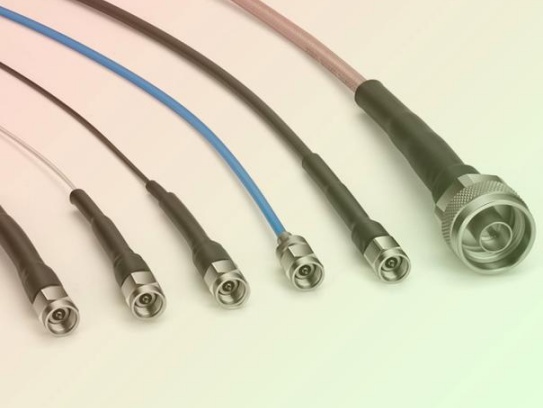
H1: Precision Instrument Micro-Coax – Engineered for Critical Signal Integrity Meta Description: Discover Precision Instrument Micro-Coax: Miniature coaxial cable solution optimized for high-frequency signal transmissio.
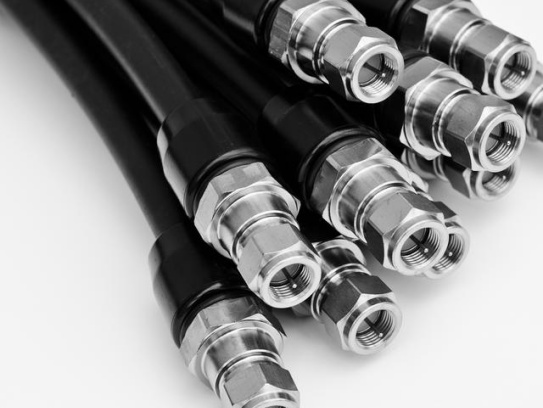
Meta Description: Discover the advanced features and benefits of Industrial Micro-Coaxial Wiring—engineered for precision, durability, and high-speed signal transmission in industrial environments. What is Industrial Micro-Co.
Feel free to reach out to us for any inquiries or orders