
Micro Coaxial Cable factory-(FRS)
As display resolutions, refresh rates, and color depths continue to climb, the demand for stable, high-bandwidth video transmission has never been greater. For many OEMs and system integrators, the micro coaxial cable for DisplayPort high bandwidthapplications has become a critical component in ensuring signal integrity, design flexibility, and long-term reliability.
This article provides an in-depth look at why micro coaxial cables are essential for high-bandwidth DisplayPort, the technical challenges involved, and how to select the right cable for your next-generation display or computing project.
Modern display technologies are pushing the limits of data transmission:
DisplayPort 1.4, supporting HBR3 (High Bit Rate 3)at 8.1 Gbps per lane, can deliver up to 32.4 Gbpstotal bandwidth. This is sufficient for 8K displays with Display Stream Compression (DSC). The upcoming DisplayPort 2.0 standard pushes this to 80 Gbps (UHBR20), demanding even more from the interconnect.
In internal display links like eDP (Embedded DisplayPort), HBR3 and the emerging HBR4 standards are critical for 4K+ laptop and tablet screens. These high data rates create a challenging environment where signal loss, crosstalk, and EMI can no longer be managed by traditional wiring. This is where the micro coaxial cable for DisplayPort high bandwidthbecomes indispensable.
A micro coaxial cable is a miniaturized coaxial structure, typically with an outer diameter of less than 1 mm. It consists of a center conductor, dielectric, shielding layer, and outer jacket. For high-bandwidth DisplayPort, its advantages are clear:
In external DisplayPort cables, multiple micro coaxial cables are bundled within a single cable assembly, along with power and auxiliary wires. For DP 1.4, this setup supports 32.4 Gbpsfor 8K@60Hz with DSC. For DP 2.0, the cable must handle 80 Gbps, requiring even better shielding, impedance control, and loss characteristics.
Inside devices, eDP with HBR3/HBR4 relies on micro coaxial cable assemblies to connect the mainboard to the display panel. This approach uses fewer lanes than older LVDS standards, simplifying the cable harness and improving EMI performance. It’s the preferred solution for high-resolution, high-refresh-rate internal displays.
The same micro coaxial technology is used in other high-speed interfaces, demonstrating its versatility:
When selecting a micro coaxial cable for DisplayPort high bandwidth, focus on these critical parameters:
For B2B buyers, a reliable supplier should offer more than just a catalog item. Look for a partner who provides:
For any project involving high-bandwidth DisplayPort—whether it’s an 8K monitor, a next-gen laptop, or an industrial display system—the micro coaxial cable for DisplayPort high bandwidthis a critical enabler of performance and reliability. By understanding the technical requirements and partnering with the right supplier, you can ensure your products stand out in a competitive market.
If you’re looking for a micro coaxial cable partner with deep DisplayPort experience, [Your Company Name] offers end-to-end solutions from concept to mass production. Contact us todayto discuss your specific requirements.
Our factory offers high-quality products at competitive prices
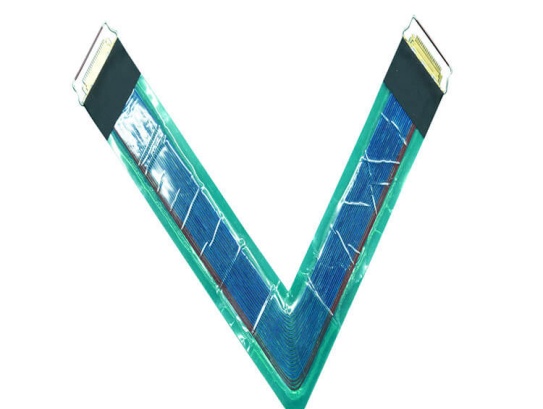
IntroductionThe High-Temperature Resistant Micro-Coaxial Cable is a cutting-edge connectivity solution engineered to deliver exceptional performance in extreme thermal environments. Combining precision engineering with advanced mate.
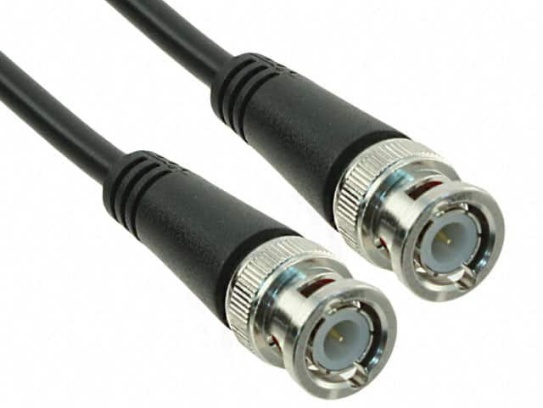
IntroductionIn today’s fast-paced digital world, reliable and high-speed data transmission is critical for industries ranging from telecommunications to aerospace. Enter High-Speed Data Micro-Coax—a cutting-edge miniature coaxial cable e.
Feel free to reach out to us for any inquiries or orders