Micro Coaxial Cable-Micro Coaxial Cable factory-(FRS)-FRS
In the rapidly evolving landscape of medical diagnostics, precision, reliability, and miniaturization have become the cornerstones of technological advancement. Among the countless components that power cutting-edge diagnostic equipment, micro-coaxial cables stand out as a critical element, enabling the seamless transmission of high-frequency signals, data, and power in some of the most demanding medical environments. From compact imaging devices to minimally invasive diagnostic tools, micro-coaxial cables for medical diagnostics are redefining the possibilities of accurate and efficient patient care.
Micro-coaxial cables, by design, are engineered to deliver exceptional performance in applications where space is at a premium and signal integrity is non-negotiable. Unlike standard coaxial cables, their miniature size—typically with outer diameters ranging from 0.1mm to 1mm—makes them ideal for integration into small-form-factor medical diagnostic equipment. But size is just one of their many advantages.
One of the most critical features of micro-coaxial cables for medical diagnostics is their superior signal transmission capability. Medical diagnostic devices, such as ultrasound machines, endoscopes, and optical coherence tomography (OCT) systems, rely on the transmission of high-frequency signals to generate detailed images and accurate data. Micro-coaxial cables are constructed with precision conductors, dielectric materials, and shielding layers that minimize signal loss, crosstalk, and electromagnetic interference (EMI). This ensures that the signals sent and received by diagnostic equipment remain clear and accurate, even in the presence of other electronic devices in the medical setting.
Durability and biocompatibility are also paramount considerations for micro-coaxial cables used in medical diagnostics. Many diagnostic procedures involve the insertion of tools into the human body or exposure to harsh cleaning agents and sterilization processes. As a result, these cables must be able to withstand repeated bending, flexing, and exposure to chemicals without compromising their performance. Leading micro-coaxial cables for medical diagnostics are made from biocompatible materials such as PTFE (polytetrafluoroethylene) for the dielectric and polyurethane or PEEK (polyether ether ketone) for the outer jacket, ensuring they meet the strict biocompatibility standards set by regulatory bodies like the FDA and ISO.
Additionally, micro-coaxial cables for medical diagnostics often feature flexible designs that allow for easy routing within complex equipment architectures. This flexibility is particularly important for handheld diagnostic devices and minimally invasive tools, where the cable must move freely without restricting the operator’s movements or causing damage to the cable itself.
The versatility of micro-coaxial cables makes them indispensable across a wide range of medical diagnostic applications. Below are some of the most prominent use cases where these cables play a pivotal role:
Ultrasound machines use high-frequency sound waves to create real-time images of internal organs and tissues. The transducers in ultrasound devices rely on micro-coaxial cables to transmit the electrical signals that drive the sound waves and receive the reflected signals back for image processing. The low signal loss and high EMI shielding of micro-coaxial cables ensure that the ultrasound images are of high resolution, allowing clinicians to detect abnormalities with greater accuracy. Furthermore, the small size of these cables enables the development of compact, portable ultrasound devices that can be used in point-of-care settings, such as emergency rooms and remote clinics.
Endoscopes and other minimally invasive diagnostic tools require cables that can fit through narrow lumens while maintaining reliable signal transmission. Micro-coaxial cables are used to carry video signals from the tiny cameras at the tip of the endoscope to the display unit, as well as control signals for adjusting the camera angle and other tool functions. Their flexibility and durability allow for smooth navigation through the body’s internal pathways, reducing patient discomfort and improving the efficiency of the diagnostic procedure. In addition, the biocompatible materials used in these cables ensure patient safety during prolonged exposure.
OCT is a non-invasive imaging technique that uses light waves to create high-resolution cross-sectional images of biological tissues, commonly used in ophthalmology and cardiology. Micro-coaxial cables are used in OCT systems to transmit the light signals between the light source, the sample, and the detector. The precision construction of these cables ensures that the light signals are transmitted with minimal dispersion and loss, resulting in clear, detailed images that help clinicians diagnose conditions such as retinal diseases and coronary artery disease at an early stage.
Molecular diagnostic tools, such as PCR (polymerase chain reaction) machines and DNA sequencers, require the accurate transmission of data and power between various components. Micro-coaxial cables are used to connect sensors, detectors, and processing units, ensuring that the data generated during the diagnostic process is transmitted quickly and accurately. Their small size also helps in reducing the overall footprint of these devices, making them suitable for use in laboratories with limited space.
When compared to traditional coaxial cables or other types of wiring, micro-coaxial cables offer several distinct advantages that make them the preferred choice for medical diagnostics:
As medical diagnostic technology continues to advance, the demand for more precise, efficient, and compact equipment is growing. Micro-coaxial cables are at the forefront of this innovation, enabling the development of next-generation diagnostic tools that offer improved patient outcomes. For example, the use of micro-coaxial cables in 3D ultrasound systems has led to the creation of more detailed images that provide better insights into fetal development and abdominal conditions. In ophthalmology, micro-coaxial cables in OCT systems have made it possible to detect retinal degeneration at an earlier stage, allowing for timely intervention and preventing vision loss.
Furthermore, the integration of micro-coaxial cables into wearable diagnostic devices is opening up new possibilities for remote patient monitoring. These devices can continuously collect vital signs and other health data, transmitting it wirelessly to healthcare providers via micro-coaxial cables that ensure data accuracy. This not only improves patient convenience but also allows for proactive healthcare management, reducing hospital readmissions and healthcare costs.
In the medical industry, quality and compliance with regulatory standards are non-negotiable. Micro-coaxial cables for medical diagnostics must adhere to strict guidelines set by organizations such as the FDA (Food and Drug Administration) in the United States, CE (Conformité Européenne) in Europe, and ISO (International Organization for Standardization). These standards ensure that the cables are safe, reliable, and perform consistently in medical applications.
Manufacturers of micro-coaxial cables for medical diagnostics must implement rigorous quality control processes throughout the production cycle. This includes testing the cables for signal loss, EMI shielding, flexibility, and biocompatibility. Additionally, traceability is a key requirement, with manufacturers needing to maintain detailed records of the materials used and the production processes to ensure that any issues can be traced back and resolved quickly.
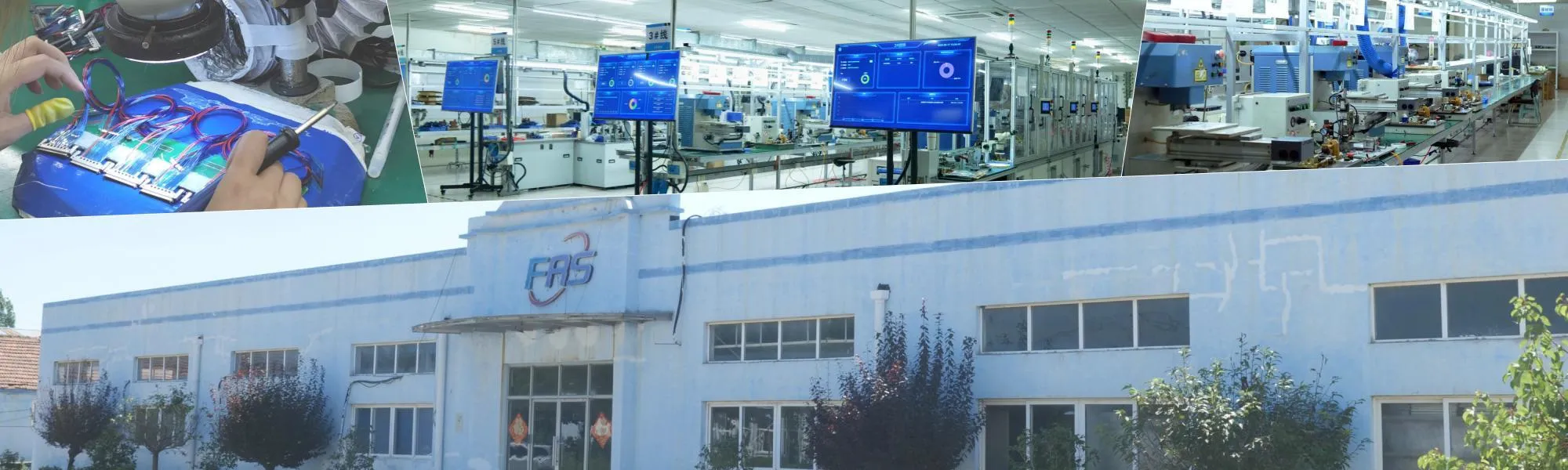
When it comes to micro-coaxial cables for medical diagnostics, FRS stands out as a leading brand factory dedicated to delivering high-quality, reliable, and compliant solutions. With years of experience in the design and manufacturing of micro-coaxial cables for the medical industry, FRS understands the unique challenges and requirements of medical diagnostic applications.
At FRS, we prioritize innovation and quality in every step of our production process. Our micro-coaxial cables are engineered using the latest materials and technologies to ensure superior signal integrity, durability, and biocompatibility. We work closely with our clients to develop custom solutions that meet their specific equipment designs and performance needs, whether it’s for a compact ultrasound device or a advanced OCT system.
FRS is committed to compliance with all relevant regulatory standards, including FDA, CE, and ISO. Our state-of-the-art manufacturing facilities and strict quality control processes ensure that every cable we produce meets the highest levels of quality and reliability. We also offer comprehensive technical support to our clients, helping them integrate our cables seamlessly into their diagnostic equipment and resolve any technical issues promptly.
If you’re looking for a trusted partner for micro-coaxial cables that power the next generation of medical diagnostic technology, look no further than FRS. Our dedication to quality, innovation, and customer satisfaction makes us the ideal choice for medical device manufacturers worldwide. Contact FRS today to learn more about our micro-coaxial cable solutions and how we can support your medical diagnostic equipment needs.
Our factory offers high-quality products at competitive prices
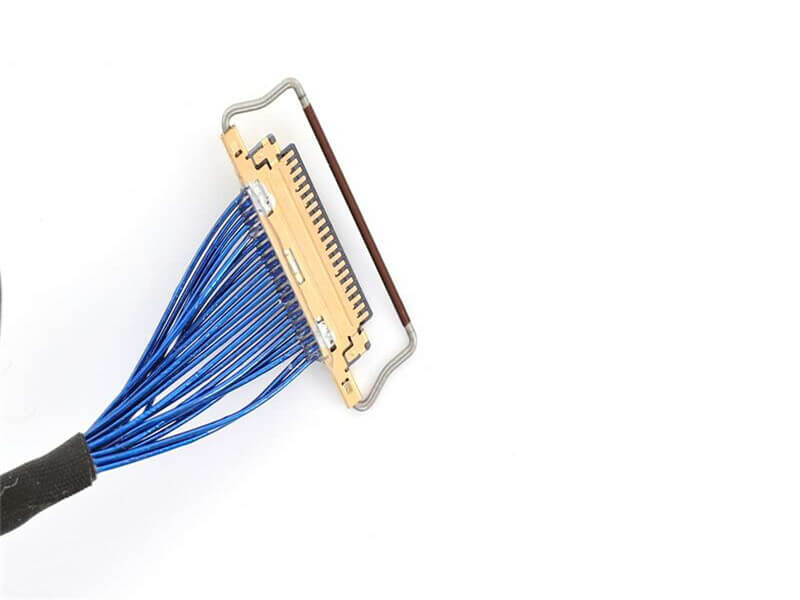
Overview of I-PEX Micro Coaxial Cable Connectors I-PEX is a global leader in micro coaxial cable solutions, specializing in high-performance IPEX micro coax connectors and micro coaxial cable assemblies. These products are designed for.
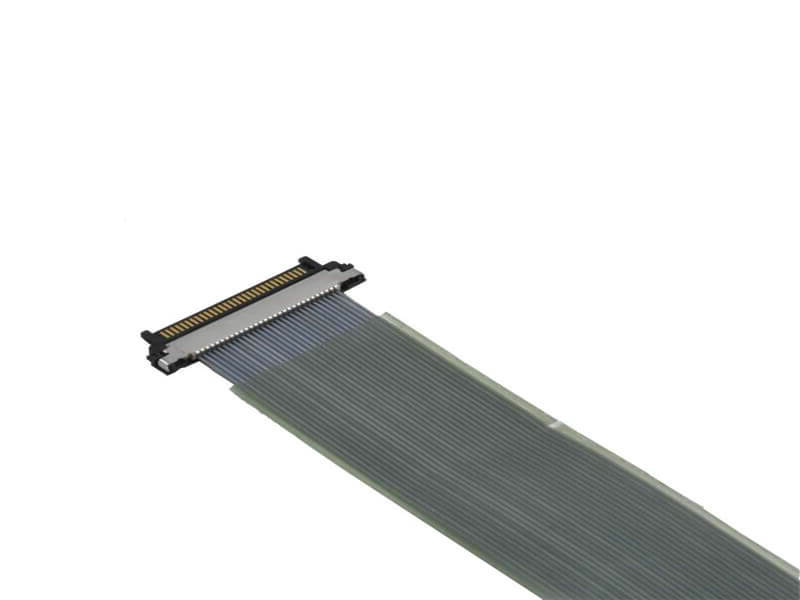
KEL’s Micro Coaxial Cable solutions are at the forefront of modern electronic connectivity, offering exceptional performance in high-speed data transmission, miniaturization, and reliability. These connectors are integral to various.
Feel free to reach out to us for any inquiries or orders