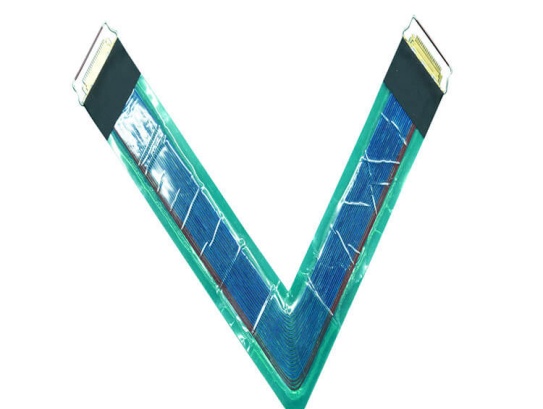
Micro Coaxial Cable factory-(FRS)

Micro-Coaxial Cables for microwave radio - Micro Coaxial Cable factory-(FRS)

Micro Coaxial Cable-Micro Coaxial Cable factory-(FRS)-FRS


INFO

In the realm of microwave radio communication, where signal integrity, compactness, and reliability are paramount, micro-coaxial cables have emerged as a critical component. Microwave radio systems operate at high frequencies ranging from 1 GHz to 100 GHz, transmitting data, voice, and video signals over long distances with minimal loss. Unlike standard coaxial cables, micro-coaxial cables are designed with ultra-small diameters (typically ranging from 0.8 mm to 3 mm), making them ideal for applications where space is constrained, such as in dense radio frequency (RF) modules, antenna arrays, and portable communication devices.

Key Characteristics of Micro-Coaxial Cables for Microwave Radio

To meet the stringent requirements of microwave radio systems, micro-coaxial cables must possess several essential properties that distinguish them from conventional cables.

  • Low Signal Attenuation: At microwave frequencies, signal loss (attenuation) is a major concern as it directly impacts communication range and data throughput. Micro-coaxial cables are constructed using high-conductivity materials such as oxygen-free copper (OFC) for the inner conductor and a thin, uniform outer shield. Additionally, the dielectric material between the inner conductor and shield is carefully selected—often fluoropolymers like PTFE or FEP—due to their low dielectric constant (εr) and dissipation factor (tanδ). These materials minimize energy loss, ensuring that signals retain their strength even over extended cable runs.
  • Impedance Matching: Microwave radio systems typically require a characteristic impedance of 50 ohms to maximize power transfer and minimize signal reflection. Micro-coaxial cables are manufactured with precise control over the dimensions of the inner conductor, dielectric, and outer shield to maintain a consistent 50-ohm impedance. Even minor deviations in impedance can cause signal reflections, leading to interference and reduced system performance, so this precision is non-negotiable.
  • Mechanical Flexibility and Durability: Many microwave radio applications, such as satellite communication terminals or mobile radio units, require cables that can withstand repeated bending and vibration without compromising performance. Micro-coaxial cables feature a flexible outer jacket (often made of PVC, PE, or polyurethane) and a stranded inner conductor, which enhances their flexibility compared to solid-core cables. The outer shield, which may be a braided copper or aluminum layer, also provides mechanical protection against physical damage while maintaining effective electromagnetic shielding.
  • EMI/RFI Shielding: Microwave radio environments are often filled with electromagnetic interference (EMI) and radio frequency interference (RFI) from other electronic devices, power lines, or nearby radio transmitters. The outer shield of micro-coaxial cables acts as a barrier, preventing external interference from entering the cable and corrupting the signal, while also containing the cable’s own electromagnetic radiation to avoid interfering with other components. High shielding effectiveness—typically greater than 85 dB at microwave frequencies—is essential for maintaining signal clarity.

Technical Considerations in Selection and Installation

Choosing the right micro-coaxial cable for a microwave radio system requires careful evaluation of application-specific factors, and proper installation is equally crucial to ensure optimal performance.

Cable Length and Frequency: Attenuation increases with both cable length and frequency. For short-range applications (e.g., internal connections within a radio module), a standard micro-coaxial cable may suffice. However, for longer runs (e.g., between an antenna and a radio unit), low-loss versions with advanced dielectric materials and thicker inner conductors should be selected. Engineers must consult attenuation charts provided by cable manufacturers to match the cable to the system’s operating frequency and required range.

Environmental Conditions: Outdoor microwave radio systems are exposed to extreme temperatures, moisture, UV radiation, and chemical exposure. In such cases, micro-coaxial cables with weather-resistant jackets (e.g., UV-stabilized PE or ETFE) and water-blocking tape or gel-filled dielectric are necessary to prevent water ingress and degradation. Indoor applications, on the other hand, may prioritize flexibility and flame retardancy over weather resistance.

Connector Compatibility: The performance of micro-coaxial cables is only as good as the connectors used to terminate them. Connectors must be designed for microwave frequencies (e.g., SMA, SMB, or MCX connectors) and must be properly crimped or soldered to the cable to ensure a secure, low-loss connection. Poorly terminated connectors can introduce significant signal loss and reflection, so using high-quality connectors and following manufacturer termination guidelines is critical.

Applications of Micro-Coaxial Cables in Microwave Radio

Micro-coaxial cables are integral to a wide range of microwave radio systems, enabling reliable communication across various industries.

  • Wireless Backhaul: Microwave radio is widely used for wireless backhaul, connecting cellular base stations to core networks. Micro-coaxial cables are used in the base station’s RF front-end to connect transceivers to antennas, where their compact size and low loss help optimize space and signal quality.
  • Satellite Communication: Satellite terminals rely on microwave frequencies to transmit and receive signals to and from orbiting satellites. Micro-coaxial cables are used in the terminal’s feed horn and low-noise block (LNB) converter, where their ability to handle high frequencies and resist environmental stress ensures consistent communication.
  • Military and Aerospace: Military communication systems, such as tactical radios and radar systems, require rugged, high-performance cables that can operate in harsh conditions. Micro-coaxial cables with ruggedized jackets and enhanced shielding are used in these applications, providing reliable signal transmission in combat zones or aerospace environments.
  • Industrial and Medical: Industrial microwave systems for process control or remote monitoring, as well as medical microwave devices like diagnostic equipment, utilize micro-coaxial cables for their compact size and precision. These cables enable seamless integration into complex systems where space is limited.

FRS: Your Trusted Partner for Micro-Coaxial Cables in Microwave Radio

When it comes to micro-coaxial cables for microwave radio applications, FRS brand factory stands out as a leader in quality, innovation, and reliability. With years of experience in RF cable manufacturing, FRS specializes in producing micro-coaxial cables that meet the strictest industry standards for low attenuation, impedance matching, and EMI shielding. Our cables are crafted using premium materials—including high-purity OFC conductors and low-loss fluoropolymer dielectrics—and undergo rigorous testing to ensure consistent performance across microwave frequencies.

Whether you need cables for wireless backhaul, satellite communication, or military applications, FRS offers customizable solutions tailored to your specific requirements, from cable length and jacket material to connector type. Our commitment to quality and customer satisfaction means you can trust FRS to deliver micro-coaxial cables that enhance the performance and reliability of your microwave radio systems. Choose FRS, and experience the difference that precision-engineered RF cables can make.

FAQ

NEWS

More Products

Our factory offers high-quality products at competitive prices
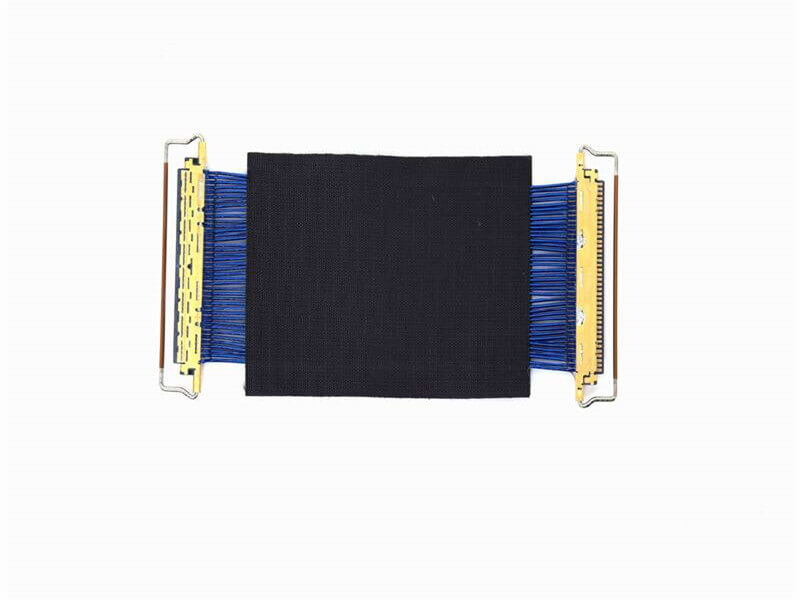
KEL Micro Coaxial Cable

KEL Micro Coaxial Cable

KEL’s Micro Coaxial Cable solutions are at the forefront of modern electronic connectivity, offering exceptional performance in high-speed data transmission, miniaturization, and reliability. These connectors are integral to various.

I-PEX Micro Coaxial Cable

I-PEX Micro Coaxial Cable

Overview of I-PEX Micro Coaxial Cable Connectors I-PEX is a global leader in micro coaxial cable solutions, specializing in high-performance IPEX micro coax connectors and micro coaxial cable assemblies. These products are designed for.

Contact Us

Feel free to reach out to us for any inquiries or orders.

Call Us

Have a question? Give us a call!

+861881875005

Email Us

Send us an email and we'll get back to you soon.

sales@custom-cable-assemblies.com
       
Home Products Contact