Micro Coaxial Cable-Micro Coaxial Cable factory-(FRS)-FRS
In the field of microwave testing, the performance of transmission components directly determines the accuracy and reliability of test results. Among these components, micro-coaxial cables stand out as a critical link, playing an irreplaceable role in signal transmission between test instruments and被测 devices (DUTs). Unlike standard coaxial cables, micro-coaxial cables are designed with ultra-small diameters, excellent impedance stability, and low signal loss, making them ideal for high-frequency microwave test environments where space is limited and signal integrity is paramount.
Microwave test applications demand cables that can maintain signal fidelity even at frequencies ranging from a few GHz to over 100 GHz. Micro-coaxial cables are engineered to meet these stringent requirements through a series of key characteristics:
Signal integrity is the cornerstone of microwave testing, as any distortion or loss can lead to erroneous test data. Micro-coaxial cables feature a precise conductor structure, including a solid or stranded inner conductor, a low-loss dielectric material (such as PTFE or foam PTFE), and a high-conductivity outer shield. The dielectric material is carefully selected for its low dielectric constant (Dk) and low dissipation factor (Df), which minimize signal attenuation and phase shift. Additionally, the outer shield—often made of braided copper or aluminum with high coverage (up to 95% or more)—effectively blocks electromagnetic interference (EMI) and radio frequency interference (RFI), ensuring that the transmitted signal remains free from external noise.
Microwave test setups often involve complex configurations, with cables needing to be routed in tight spaces or moved frequently during testing. Micro-coaxial cables address this challenge with their small diameter (typically ranging from 0.8 mm to 3 mm) and flexible construction. The use of thin, high-strength materials for the conductors and shield allows the cables to bend easily without compromising performance. This flexibility not only simplifies cable management in test racks but also reduces wear and tear from repeated bending, extending the cable’s service life.
Microwave tests may be conducted in a variety of environmental conditions, including extreme temperatures, humidity, and vibration. Micro-coaxial cables are built to withstand these harsh environments. The dielectric and jacket materials (such as FEP or PEEK) offer excellent resistance to high temperatures (up to 200°C or more for some grades) and chemical corrosion, while the shield and conductor materials maintain their conductivity and structural integrity under vibration and mechanical stress. This stability ensures consistent performance across different test environments, eliminating the need for frequent cable replacements.
Impedance mismatch is a major cause of signal reflection and loss in microwave systems. Micro-coaxial cables are manufactured with tight impedance tolerance (usually ±1 Ω or ±2 Ω for standard 50 Ω or 75 Ω cables), ensuring seamless matching with test instruments, connectors, and DUTs. This precise impedance control minimizes signal reflections, reduces standing wave ratio (SWR), and maximizes power transfer, which is essential for accurate measurement of parameters such as gain, loss, and phase.
The unique combination of performance and flexibility makes micro-coaxial cables suitable for a wide range of microwave test applications. Below are some of the most common use cases:
In the development and production of 5G, satellite, and radar communication devices, microwave testing is critical to ensure compliance with performance standards. Micro-coaxial cables are used to connect signal generators, spectrum analyzers, and network analyzers to DUTs such as antennas, transceivers, and power amplifiers. Their low loss and high frequency capability (up to 110 GHz or higher) make them ideal for testing high-band 5G (mmWave) devices, where signal integrity at ultra-high frequencies is non-negotiable.
Aerospace and defense systems, such as avionics, radar, and electronic warfare equipment, operate in harsh environments and require rigorous microwave testing. Micro-coaxial cables are used in these tests due to their resistance to extreme temperatures, vibration, and EMI. For example, in radar system testing, micro-coaxial cables transmit high-power microwave signals between the test bench and the radar module, ensuring accurate measurement of range, resolution, and sensitivity.
Medical devices such as MRI machines, microwave imaging systems, and diagnostic equipment rely on microwave technology for precise imaging and measurement. Micro-coaxial cables are used in the testing of these devices because of their small size, which allows them to be integrated into compact test setups, and their low EMI, which prevents interference with sensitive medical electronics. Additionally, their biocompatible jacket materials (in some specialized grades) make them suitable for testing devices that come into contact with biological tissues.
Modern automobiles are equipped with advanced microwave-based systems, including ADAS (Advanced Driver-Assistance Systems), GPS, and satellite radio. Testing these systems requires cables that can handle high frequencies and withstand the automotive environment (temperature fluctuations, vibration, and moisture). Micro-coaxial cables are used to connect test equipment to in-vehicle modules, ensuring that these systems perform reliably under real-world conditions.
Choosing the right micro-coaxial cable for a microwave test application requires consideration of several key factors. Below is a step-by-step guide to help you make an informed decision:
The first step is to identify the frequency range of your test application. Micro-coaxial cables are available in different frequency ratings, from low microwave (1-10 GHz) to ultra-high frequency (up to 110 GHz). Select a cable that can handle the maximum frequency of your test, as using a cable with a lower frequency rating will result in excessive signal loss and distortion.
Most microwave test instruments and DUTs are designed for 50 Ω impedance, while some video and broadcast applications use 75 Ω. Ensure that the micro-coaxial cable’s impedance matches the system impedance to avoid signal reflections and SWR issues. Check the cable’s impedance tolerance specification to ensure it meets your accuracy requirements.
Signal loss (attenuation) is a critical parameter, especially for long cable runs or high-frequency applications. Look for cables with low attenuation per meter at your operating frequency. The dielectric material plays a significant role in attenuation—PTFE and foam PTFE dielectrics offer lower loss than other materials such as polyethylene.
Assess the environmental conditions of your test setup. If the cable will be exposed to high temperatures, choose a cable with a high-temperature jacket (e.g., FEP or PEEK). For outdoor or humid environments, select a cable with moisture-resistant materials. If vibration is a concern, look for cables with reinforced shielding and strain relief.
The connectors attached to the micro-coaxial cable are just as important as the cable itself. Common microwave connectors include SMA, SMB, SMC, and 2.92 mm (K-type). Ensure that the connectors are compatible with your test instruments and DUTs, and that they are properly crimped or soldered to the cable to minimize signal loss and reflection.
In some cases, standard micro-coaxial cables may not meet your specific requirements. Look for manufacturers that offer custom solutions, such as custom lengths, special connectors, or modified shielding. Custom cables can help optimize your test setup and improve overall performance.
As microwave test requirements become more demanding, micro-coaxial cable technology continues to evolve. Recent advancements include:
When it comes to micro-coaxial cables for microwave test, FRS stands out as a leading manufacturer with a commitment to quality, innovation, and customer satisfaction. For years, we have been at the forefront of micro-coaxial cable technology, providing high-performance solutions that meet the most demanding microwave test requirements.
At FRS, our micro-coaxial cables are engineered to deliver superior signal integrity, with tight impedance tolerance (±1 Ω) and low attenuation across a wide frequency range (up to 110 GHz). We use only the highest quality materials, including PTFE and foam PTFE dielectrics, high-conductivity copper conductors, and reinforced shielding, ensuring stable performance in extreme environments. Our cables are also designed for exceptional mechanical flexibility, making them easy to route in complex test setups.
We understand that every microwave test application is unique, which is why we offer a wide range of standard cables and custom solutions. Our team of experienced engineers works closely with customers to design custom cables that meet their specific requirements, including custom lengths, connectors, and shielding options. Whether you need cables for 5G mmWave testing, aerospace defense systems, or medical devices, FRS has the expertise to deliver the right solution.
Quality is at the heart of everything we do. FRS micro-coaxial cables undergo rigorous testing, including signal loss, impedance, SWR, and environmental performance testing, to ensure they meet or exceed industry standards. We are ISO 9001 certified, and our manufacturing processes are optimized for consistency and reliability.
In addition to high-quality products, FRS provides exceptional customer support. Our team of technical experts is available to answer your questions, help you select the right cable for your application, and provide after-sales service. We also offer fast lead times, ensuring that you get the cables you need when you need them.
For microwave test applications where performance, reliability, and precision matter, FRS micro-coaxial cables are the ideal choice. Contact us today to learn more about our products and how we can help optimize your microwave test setup.
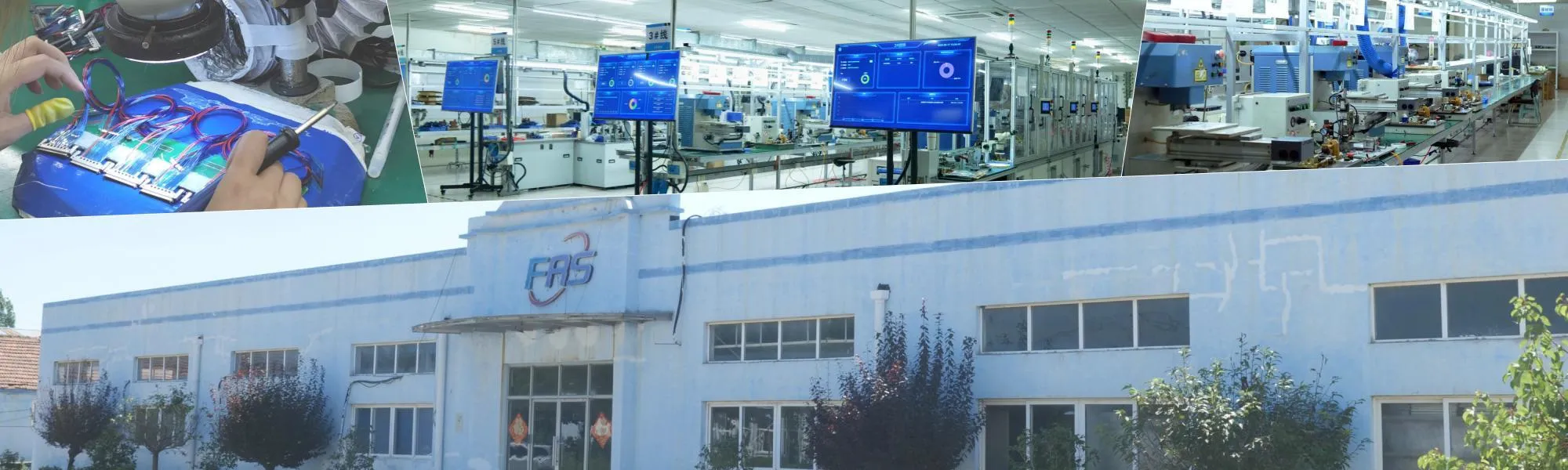
Our factory offers high-quality products at competitive prices
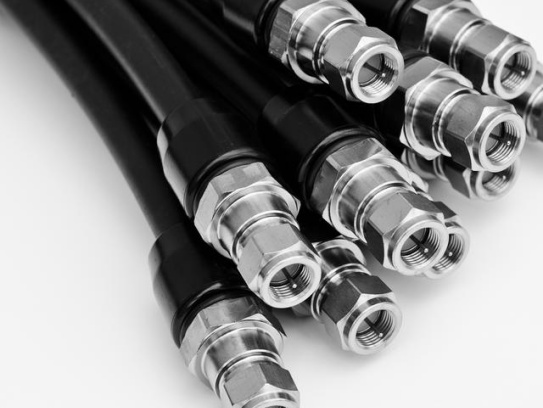
Meta Description: Discover the advanced features and benefits of Industrial Micro-Coaxial Wiring—engineered for precision, durability, and high-speed signal transmission in industrial environments. What is Industrial Micro-Co.
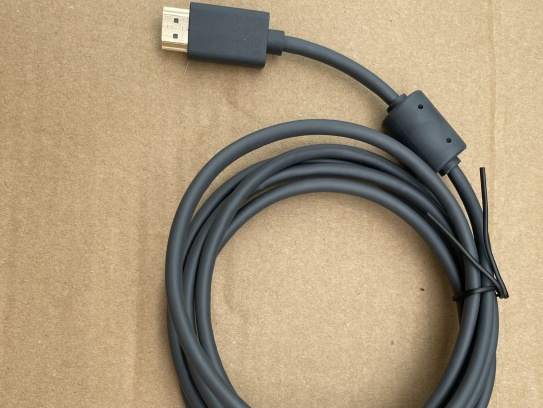
OverviewMicro-Coax for HD Video is a cutting-edge coaxial cable engineered to deliver uncompromised high-definition video quality across professional and industrial applications. Designed for reliability, precision, and versatility,.
Feel free to reach out to us for any inquiries or orders