Micro Coaxial Cable-Micro Coaxial Cable factory-(FRS)-FRS
Satellite remote sensing has become an indispensable technology in modern society, driving advancements across industries such as environmental monitoring, meteorology, agriculture, disaster management, and national defense. At the core of every high-performance satellite remote sensing system lies a network of critical components, and among them, micro-coaxial cables play a pivotal role that directly impacts the accuracy, reliability, and efficiency of data collection and transmission. As satellite payloads become increasingly miniaturized and remote sensing missions demand higher resolution, faster data rates, and greater durability in harsh space environments, the importance of specialized micro-coaxial cables tailored for satellite remote sensing applications cannot be overstated.
Satellite remote sensing systems operate in one of the most extreme environments imaginable. From the intense radiation of outer space to extreme temperature fluctuations ranging from -150°C to +120°C, from vacuum conditions to mechanical vibrations during launch and orbital operations, every component must withstand these rigors while maintaining optimal performance. For micro-coaxial cables, these challenges translate to a set of non-negotiable requirements that go far beyond those of terrestrial cables.
One of the primary challenges is signal integrity. Satellite remote sensing instruments, such as high-resolution imaging sensors, synthetic aperture radars (SAR), and hyperspectral detectors, generate and transmit high-frequency signals that carry critical data. Any signal loss, distortion, or interference can compromise the quality of the remotely sensed data, leading to inaccurate interpretations and flawed decision-making. Micro-coaxial cables must minimize signal attenuation (insertion loss) even at frequencies ranging from hundreds of MHz to several GHz, ensuring that the data reaches the satellite’s onboard processing unit or downlink system with minimal degradation.
Another key challenge is electromagnetic interference (EMI) and radio frequency interference (RFI). In the crowded electromagnetic environment of space, satellites are exposed to interference from other orbital assets, solar radiation, and terrestrial sources. Micro-coaxial cables must provide exceptional shielding effectiveness to prevent external interference from corrupting the signal and to contain the cable’s own electromagnetic emissions, which could disrupt other sensitive satellite components. This shielding is typically achieved through multiple layers of conductive materials, such as copper or aluminum foils and braids, designed to create a robust barrier against EMI/RFI.
Miniaturization and weight reduction are also critical factors. Satellite payload capacity is limited by launch vehicle constraints, so every gram of weight and every cubic centimeter of volume matters. Micro-coaxial cables are designed to be ultra-thin and lightweight, with outer diameters often less than 1mm, allowing them to be routed through tight spaces within the satellite’s payload module without adding excessive weight. This miniaturization does not come at the expense of mechanical strength, however; the cables must be flexible enough to accommodate the satellite’s deployment mechanisms while resisting fatigue from repeated bending and thermal cycling.
To meet the demands of satellite remote sensing, micro-coaxial cables are engineered to strict performance specifications, with several key parameters defining their suitability for the application:
Micro-coaxial cables are integrated into various critical subsystems of satellite remote sensing platforms, each with specific requirements:
High-resolution optical imaging sensors and SAR systems rely on micro-coaxial cables to transmit analog or digital signals from the detector array to the signal processing unit. For optical sensors, the cables must handle high-speed digital data streams (often in the Gbps range) with minimal jitter and skew, ensuring that the image data is accurately captured and processed. SAR systems, which operate at microwave frequencies, require cables with low insertion loss and high impedance stability to maintain the integrity of the radar signal, which is critical for generating high-resolution terrain maps and detecting subtle changes in the Earth’s surface.
Satellites use communication subsystems to transmit remotely sensed data back to Earth and receive command signals from ground stations. Micro-coaxial cables are used to connect the satellite’s transceivers to its antennas, as well as to route signals between the communication unit and the onboard data handling system. In this application, the cables must support high-frequency signals (up to tens of GHz for Ka-band and Ku-band systems) with low loss and excellent phase stability, ensuring reliable data transmission even over long distances.
While power distribution primarily uses larger cables, micro-coaxial cables are employed in the control circuits of satellite subsystems, such as motor drivers for pointing mechanisms (used to orient the remote sensing instrument toward the target area) and sensor feedback loops. These cables carry low-voltage control signals that require high noise immunity, so shielding effectiveness is particularly important here to prevent interference from the satellite’s power systems or other high-current components.
Producing micro-coaxial cables for satellite remote sensing is a highly specialized process that requires strict quality control at every stage. From material selection to final testing, each step is designed to ensure that the cables meet the rigorous standards of the aerospace industry.
Material selection is the first critical step. Conductors are typically made from high-purity oxygen-free copper (OFC) or copper-clad aluminum (CCA) for lightweight applications, as these materials offer excellent electrical conductivity and mechanical strength. The dielectric layer, which separates the inner conductor from the outer shield, is usually made from fluoropolymer materials like PTFE (polytetrafluoroethylene) or FEP (fluorinated ethylene propylene), which provide low dielectric constant (for impedance control), high thermal stability, and resistance to radiation and chemicals. The outer jacket and shielding materials are also chosen for their durability and compatibility with the space environment.
The manufacturing process involves precision extrusion of the dielectric layer onto the inner conductor, followed by the application of the shielding layers (foil and braid) and the outer jacket. Each step is monitored using advanced equipment to ensure uniformity in dimensions, impedance, and shielding coverage. After manufacturing, the cables undergo a series of rigorous tests to verify their performance:
When it comes to micro-coaxial cables for satellite remote sensing, FRS stands out as a leading manufacturer with the expertise, experience, and commitment to quality that the aerospace industry demands. For over [X] years, FRS has specialized in developing and producing high-performance, space-grade cables that meet the most stringent requirements of satellite missions worldwide.
At FRS, we understand that every satellite remote sensing mission is unique, which is why we offer fully customized micro-coaxial cable solutions tailored to your specific application needs. Our team of engineering experts works closely with customers to design cables with the optimal combination of impedance, insertion loss, shielding, weight, and durability, ensuring that they integrate seamlessly into your satellite subsystem. We use only the highest-quality materials, sourced from trusted aerospace suppliers, and our manufacturing facilities are certified to ISO 9001 and AS9100 standards, the gold standards for quality management in the aerospace industry.
FRS’s rigorous quality control process leaves no room for compromise. Every cable undergoes comprehensive electrical, thermal, mechanical, and radiation testing, with detailed test reports provided to customers to ensure full traceability and compliance with mission requirements. Our commitment to innovation means we are constantly investing in research and development to advance cable technology, including the development of lighter, more flexible, and higher-frequency cables to meet the evolving needs of next-generation satellite remote sensing systems.
Whether you are developing a high-resolution optical satellite, a SAR mission, or a hyperspectral remote sensing platform, FRS has the micro-coaxial cable solution to help you achieve your mission goals. With a proven track record of delivering reliable, high-performance cables to leading aerospace companies and space agencies, FRS is more than just a supplier—we are your trusted partner in space exploration and Earth observation. Choose FRS for micro-coaxial cables that combine precision engineering, exceptional quality, and unwavering reliability, backed by the support of a team dedicated to your success.
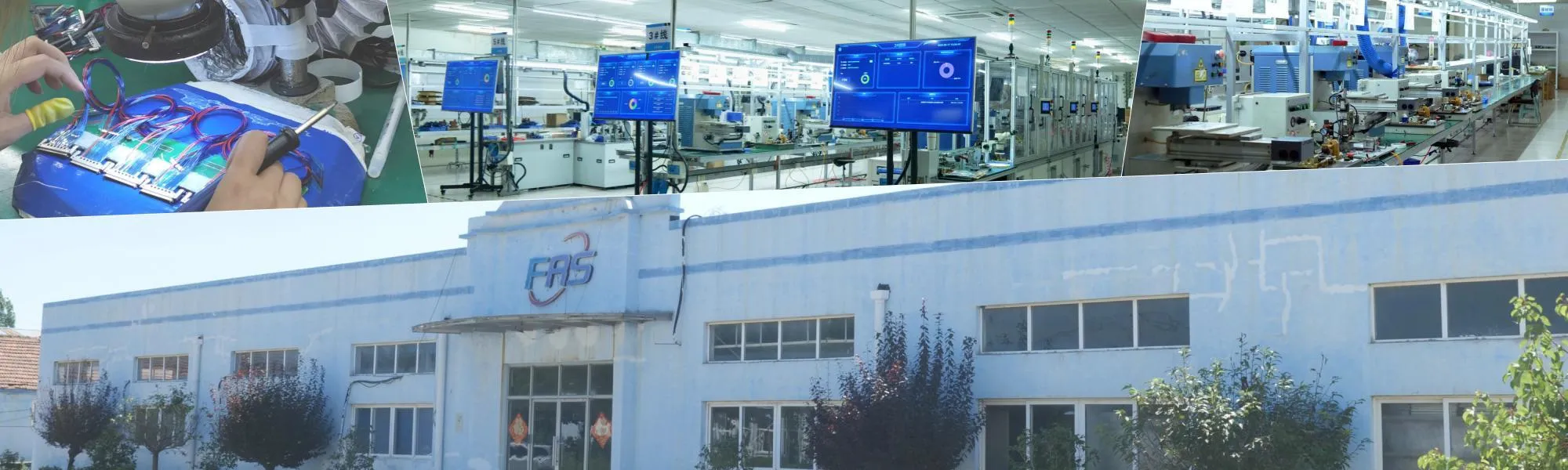
Our factory offers high-quality products at competitive prices
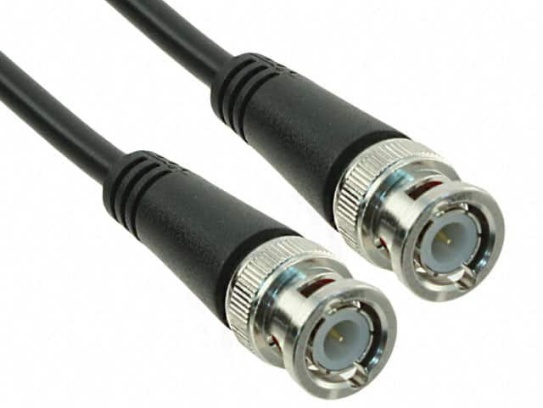
IntroductionIn today’s fast-paced digital world, reliable and high-speed data transmission is critical for industries ranging from telecommunications to aerospace. Enter High-Speed Data Micro-Coax—a cutting-edge miniature coaxial cable e.
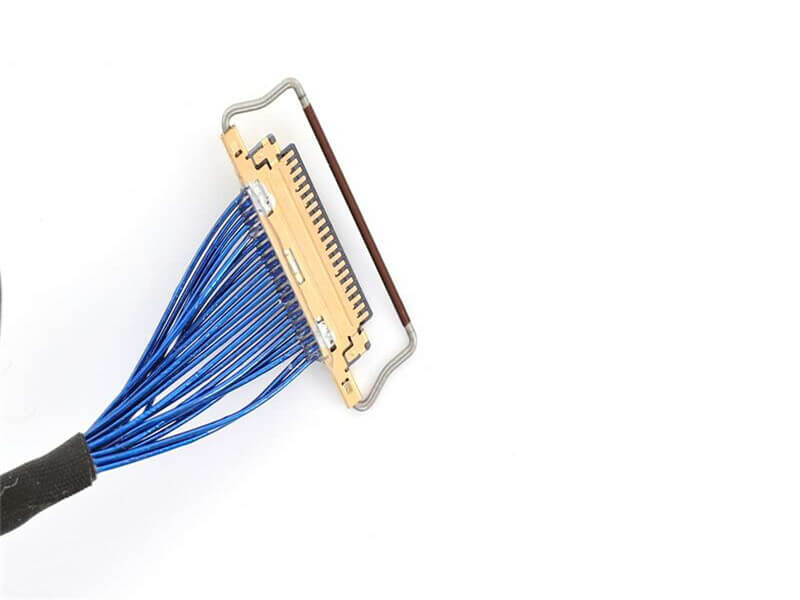
Overview of I-PEX Micro Coaxial Cable Connectors I-PEX is a global leader in micro coaxial cable solutions, specializing in high-performance IPEX micro coax connectors and micro coaxial cable assemblies. These products are designed for.
Feel free to reach out to us for any inquiries or orders