Micro Coaxial Cable-Micro Coaxial Cable factory-(FRS)-FRS
In the era of Industry 4.0, smart manufacturing has become the core driver of industrial upgrading, relying on advanced technologies such as the Internet of Things (IoT), artificial intelligence (AI), and automation to realize efficient, precise, and intelligent production processes. At the heart of this transformation lies the need for reliable, high-performance connectivity solutions that can transmit large volumes of data quickly and accurately in complex industrial environments. Micro-Coaxial Cables, with their unique structural and performance advantages, have emerged as a critical component in enabling seamless communication within smart manufacturing systems. This article delves into the role of Micro-Coaxial Cables in smart manufacturing, exploring their key characteristics, applications, and why choosing the right Micro-Coaxial Cables manufacturing partner is essential for unlocking the full potential of intelligent production.
Micro-Coaxial Cables are engineered to meet the stringent demands of smart manufacturing, where space constraints, signal integrity, and environmental resilience are paramount. Unlike traditional coaxial cables, their miniaturized design—typically with an outer diameter ranging from 0.3mm to 1.0mm—makes them ideal for applications where space is limited, such as in compact industrial robots, precision sensors, and high-density control panels.
One of the most notable features of Micro-Coaxial Cables is their exceptional signal transmission performance. They are designed to minimize signal loss (attenuation) and electromagnetic interference (EMI), ensuring that critical data—such as real-time sensor readings, machine control signals, and video feeds from surveillance cameras—are transmitted with high fidelity. This is achieved through a precise construction: a central conductor (usually made of high-purity copper or copper alloy for optimal conductivity), a dielectric layer (often made of PTFE or polyethylene to maintain stable impedance), a shielding layer (braided or foil to block EMI), and an outer jacket (resistant to oil, chemicals, and abrasion). The shielding layer is particularly crucial in smart manufacturing environments, which are filled with electromagnetic noise from motors, inverters, and other industrial equipment.
Flexibility is another key advantage of Micro-Coaxial Cables. Smart manufacturing systems often involve moving parts, such as robotic arms and conveyor belts, which require cables that can withstand repeated bending and flexing without compromising performance. High-quality Micro-Coaxial Cables are designed with flexible conductors and jackets, ensuring a long service life even in dynamic applications. Additionally, their lightweight nature reduces the load on moving components, contributing to the overall efficiency and reliability of the system.
Micro-Coaxial Cables play a vital role in various aspects of smart manufacturing, supporting the seamless integration of different systems and devices. Below are some of their key applications:
In industrial automation, precision and real-time control are essential. Micro-Coaxial Cables are used to connect programmable logic controllers (PLCs), human-machine interfaces (HMIs), and servo drives, transmitting control signals with minimal latency. For example, in a smart assembly line, PLCs send commands to robotic arms via Micro-Coaxial Cables, ensuring that each movement is executed with pinpoint accuracy. The low signal loss of these cables ensures that the commands are not distorted, reducing the risk of production errors and improving overall efficiency.
Smart manufacturing relies heavily on sensor networks to monitor various parameters, such as temperature, pressure, vibration, and humidity. These sensors generate large amounts of data that need to be transmitted to a central control system for analysis. Micro-Coaxial Cables are an ideal choice for connecting these sensors, especially in harsh industrial environments. Their small size allows them to be installed in tight spaces, such as inside machinery or along production lines, while their EMI shielding ensures that the sensor data is not corrupted by external noise. For instance, in a semiconductor manufacturing plant, Micro-Coaxial Cables connect temperature sensors in the cleanroom to a central monitoring system, enabling real-time adjustments to maintain optimal production conditions.
Equipment such as CNC machines, 3D printers, and laser cutting systems require high-speed data transmission to achieve precise manufacturing. Micro-Coaxial Cables are used to transmit high-frequency signals between the machine’s control unit and its components, such as the spindle or the laser head. Their ability to maintain stable impedance (typically 50 ohms or 75 ohms) ensures that high-frequency signals are transmitted without reflection, which is critical for achieving the accuracy required in precision manufacturing. For example, a 3D printer using Micro-Coaxial Cables can receive detailed design data quickly, allowing it to produce complex parts with intricate details.
IIoT gateways act as a bridge between edge devices (such as sensors and actuators) and the cloud, aggregating and transmitting data for remote monitoring and analysis. Micro-Coaxial Cables are used to connect edge devices to the IIoT gateway, ensuring reliable data transmission even in environments with high levels of electromagnetic interference. Their small size and flexibility make them easy to route between devices, while their durability ensures that they can withstand the rigors of industrial use. For example, in a smart factory, IIoT gateways connected via Micro-Coaxial Cables collect data from various machines, allowing plant managers to monitor production progress and identify potential issues remotely.
In a smart manufacturing environment, the choice of connectivity solution can have a significant impact on the performance, reliability, and cost-effectiveness of the system. Micro-Coaxial Cables offer several advantages over other types of cables, such as twisted-pair cables or fiber optics, making them the ideal choice for many applications:
To ensure that Micro-Coaxial Cables meet the demanding requirements of smart manufacturing, the manufacturing process must adhere to strict quality standards and precision engineering. Below are some key considerations in Micro-Coaxial Cables manufacturing:
The choice of materials directly affects the performance and durability of Micro-Coaxial Cables. The central conductor should be made of high-purity copper or copper alloy to ensure optimal conductivity. The dielectric layer should be made of materials with stable dielectric constant, such as PTFE, to maintain consistent impedance. The shielding layer should be made of high-quality copper or aluminum to provide effective EMI protection, while the outer jacket should be made of materials such as PVC, PUR, or PTFE for resistance to chemicals, abrasion, and extreme temperatures.
Micro-Coaxial Cables require precise manufacturing processes to ensure consistent dimensions and performance. The extrusion of the dielectric layer must be controlled to maintain a uniform thickness, which is critical for stable impedance. The shielding layer must be applied evenly to provide complete EMI coverage, and the braiding density (for braided shielding) must be sufficient to block unwanted interference. Additionally, the termination process (crimping or soldering) must be precise to ensure a secure connection and minimal signal loss.
Stringent quality control and testing are essential in Micro-Coaxial Cables manufacturing. Each batch of cables should undergo testing for parameters such as impedance, attenuation, return loss, EMI shielding effectiveness, and mechanical durability (flex life, tensile strength). This ensures that the cables meet the required specifications and perform reliably in smart manufacturing environments. Advanced testing equipment, such as network analyzers and EMI test chambers, are used to ensure accurate and consistent results.
Smart manufacturing systems vary widely in their requirements, and off-the-shelf Micro-Coaxial Cables may not always be suitable. A reliable Micro-Coaxial Cables manufacturing partner should offer customization capabilities, such as custom cable lengths, impedance values, shielding types, and jacket materials. This allows manufacturers to get cables that are tailored to their specific application needs, ensuring optimal performance and integration.
When it comes to Micro-Coaxial Cables manufacturing for smart manufacturing, FRS stands out as a leading and trusted partner. With years of experience in the design and production of high-performance connectivity solutions, FRS is committed to delivering Micro-Coaxial Cables that meet the stringent demands of Industry 4.0.
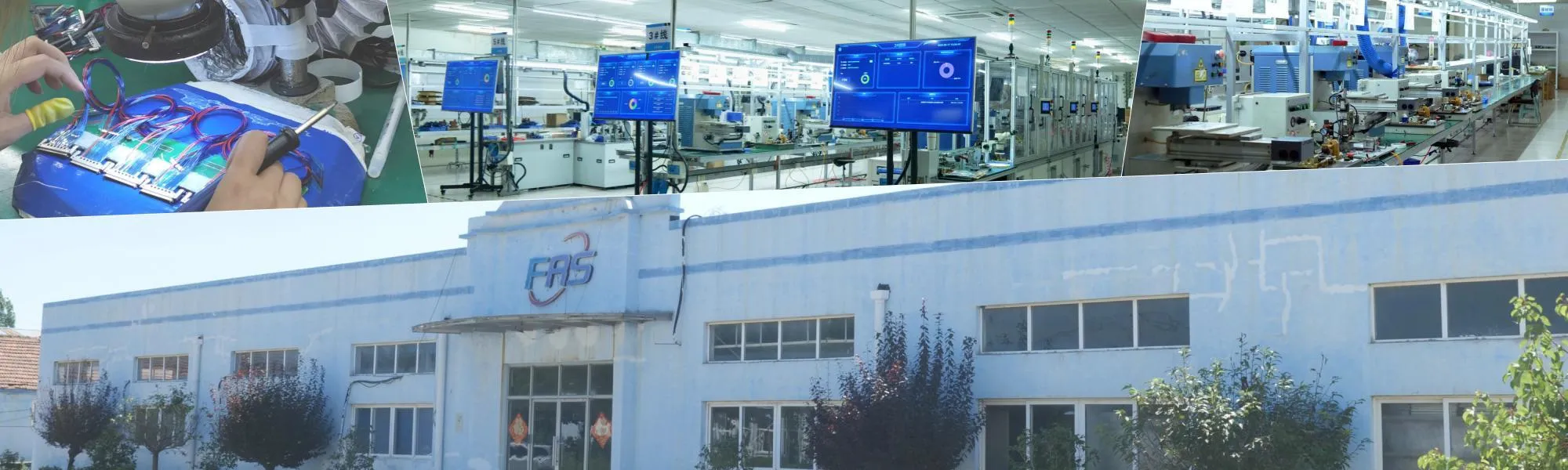
At FRS, we prioritize quality in every step of the manufacturing process. We use only the highest-quality materials, including high-purity copper conductors, PTFE dielectrics, and durable outer jackets, to ensure our cables offer superior signal integrity, environmental resilience, and long service life. Our state-of-the-art manufacturing facilities are equipped with advanced extrusion, shielding, and termination equipment, allowing us to produce Micro-Coaxial Cables with precise dimensions and consistent performance.
We understand that every smart manufacturing application is unique, which is why we offer comprehensive customization services. Our team of experienced engineers works closely with clients to understand their specific requirements, providing custom solutions such as tailored cable lengths, impedance values, and shielding options. Whether you need cables for industrial automation, smart sensor networks, or precision manufacturing equipment, FRS can deliver the perfect solution.
Quality control is at the core of our operations. Each batch of FRS Micro-Coaxial Cables undergoes rigorous testing using advanced equipment, ensuring compliance with international standards and specifications. We test for impedance, attenuation, EMI shielding, flex life, and more, guaranteeing that our cables perform reliably in even the harshest industrial environments.
In the fast-paced world of smart manufacturing, reliable connectivity is non-negotiable. FRS Micro-Coaxial Cables are designed to empower your intelligent production systems, enabling seamless data transmission, precise control, and efficient operation. Partner with FRS today and experience the difference that high-quality Micro-Coaxial Cables manufacturing can make in your smart manufacturing journey. Let FRS be your trusted ally in building a more efficient, reliable, and intelligent future for your business.
Our factory offers high-quality products at competitive prices
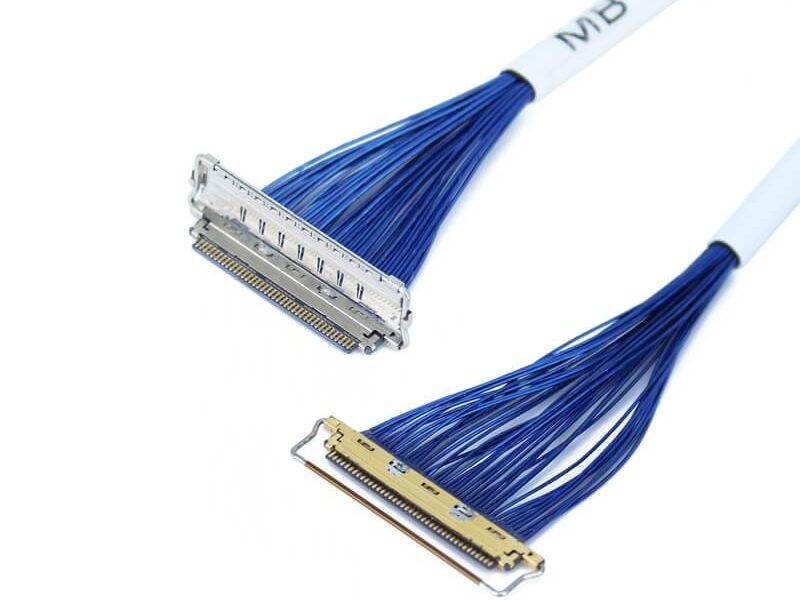
In LVDS (Low Voltage Differential Signaling) display systems, Micro-coaxial Cable (also referred to as Micro Coax Cable) stands out as an optimal solution for high-resolution, high-reliability signal transmission. Designed to meet the str.
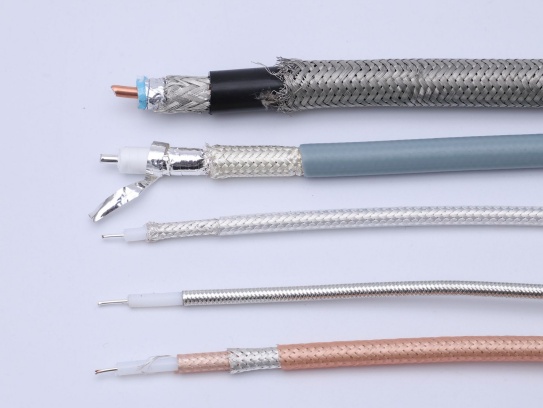
Meta Description: Discover premium RF micro coaxial cables engineered for high-frequency signal transmission in compact devices. Explore specs, applications, and benefits for telecom, medical, and aerospace industries. .
Feel free to reach out to us for any inquiries or orders