Micro Coaxial Cable-Micro Coaxial Cable factory-(FRS)-FRS
MIPI interfaces—MIPI DSIfor displays and MIPI CSI‑2for cameras—are now the default high‑speed, low‑power links in mobile, embedded, and automotive vision. Designers often encounter the term 90Ω micro coaxial cablewhen routing high‑speed differential pairs in compact systems. This article explains what 90Ω micro coax is, why it is (and is not) used for MIPI, how it compares with other common MIPI interconnects, and how to choose and validate it for reliable operation.
MIPI is organized in layers: CSI‑2defines the camera data/control packet protocol, while DSIdoes the same for displays. The physical layer in widespread use is D‑PHY, a source‑synchronous, differential interface that supports multiple lanes and operates in high‑speed (HS) and low‑power (LP) modes. Typical D‑PHY implementations target up to 1.5 Gbps per lanein CSI‑2 use cases, with some devices and controllers supporting higher data rates. A key point for interconnect is that D‑PHY specifies 100Ω differential impedancefor its high‑speed differential pairs. This 100Ω target is fundamental when selecting cables, connectors, and PCB traces for MIPI links
A micro coaxial cable is a very small‑diameter, fully shielded twisted pair (in this case, one differential pair) with controlled characteristic impedance. The “90Ω” figure refers to the cable’s differential impedance, which is determined by conductor geometry, dielectric constant, and shielding. In the consumer electronics ecosystem, 90Ω micro coax is widely used for LVDS/DisplayPortand some USBhigh‑speed links, where the 90Ω differential standard applies. It is common to see 90Ω-rated micro coax assemblies with very fine conductors (e.g., 40 AWG) and dual‑layer shielding for EMI control. These attributes make 90Ω micro coax attractive when routing dense, high‑speed differential pairs in thin, tight spaces
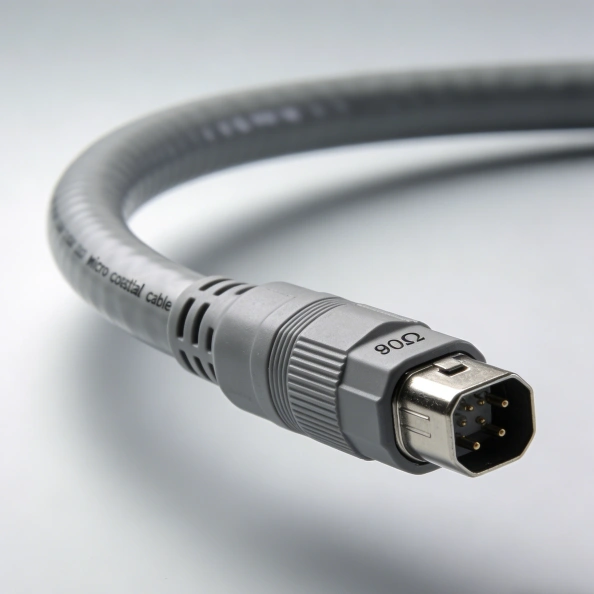
MIPI D‑PHY’s electrical specification calls for 100Ω differentialterminations. Using 90Ω micro coax for native MIPI links creates a 10Ω (10%) impedance mismatch, which increases differential return loss, raises reflections, and can degrade eye opening and jitter margins—especially at multi‑gigabit‑per‑lane speeds. For this reason, native MIPI designs typically use 100Ω‑controlledPCB traces and cable/connector systems (FPC, micro‑coax rated at 100Ω, or other 100Ω differential links). In practice, you will see 90Ω micro coax used for LVDS/DPcamera or display links, while MIPI links stick to 100Ωsystems or, when distance extension is needed, to alternative long‑reach SerDes standards
In complex products, 90Ω micro coax sometimes appears in “parallel” high‑speed lanes that are not MIPI D‑PHY but share the same connector/cable routing. Examples include LVDS/DisplayPortdisplay paths, USB 3.xSuperSpeed links, or other differential standards that truly require 90Ω. It is critical in such cases to keep these 90Ω lanes electrically and mechanically isolated from MIPI 100Ω pairs to avoid crosstalk and mode conversion. Always match the connector footprint and impedanceto the actual standard in use; do not assume interchangeability between 90Ω and 100Ω systems
If the goal is longer reach rather than a specific 90Ω target, the industry offers robust, standardized options:
A 90Ω micro coaxial cableis an excellent choice for standards that specify 90Ω differential impedance, such as LVDS/DisplayPort/USB 3.x, and it offers superb EMI control and mechanical flexibility in compact designs. For native MIPI DSI/CSI‑2, stick with 100Ω differentialinterconnects to meet the D‑PHY specification and preserve signal integrity. When your system demands longer cable reachesthan MIPI can natively support, adopt a coax‑based SerDessolution (FPD‑Link III, GMSL, or A‑PHY), which are purpose‑built for multi‑meter links with high reliability. Understanding the impedance, standard, and reach requirements of your specific interface—and validating with the right measurements—will ensure a robust, high‑performance interconnect for both cameras and displays
Our factory offers high-quality products at competitive prices
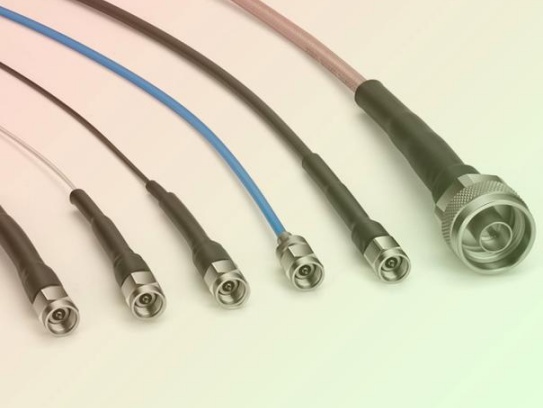
H1: Precision Instrument Micro-Coax – Engineered for Critical Signal Integrity Meta Description: Discover Precision Instrument Micro-Coax: Miniature coaxial cable solution optimized for high-frequency signal transmissio.
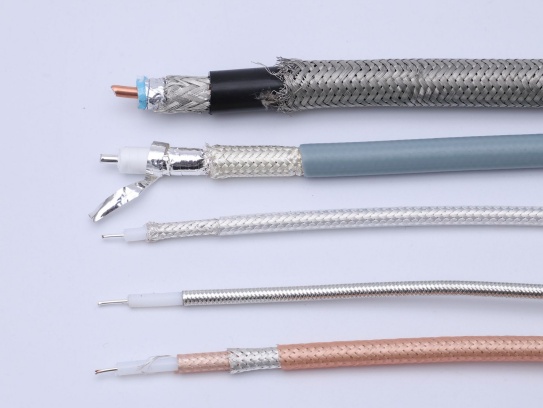
Meta Description: Discover premium RF micro coaxial cables engineered for high-frequency signal transmission in compact devices. Explore specs, applications, and benefits for telecom, medical, and aerospace industries. .
Feel free to reach out to us for any inquiries or orders