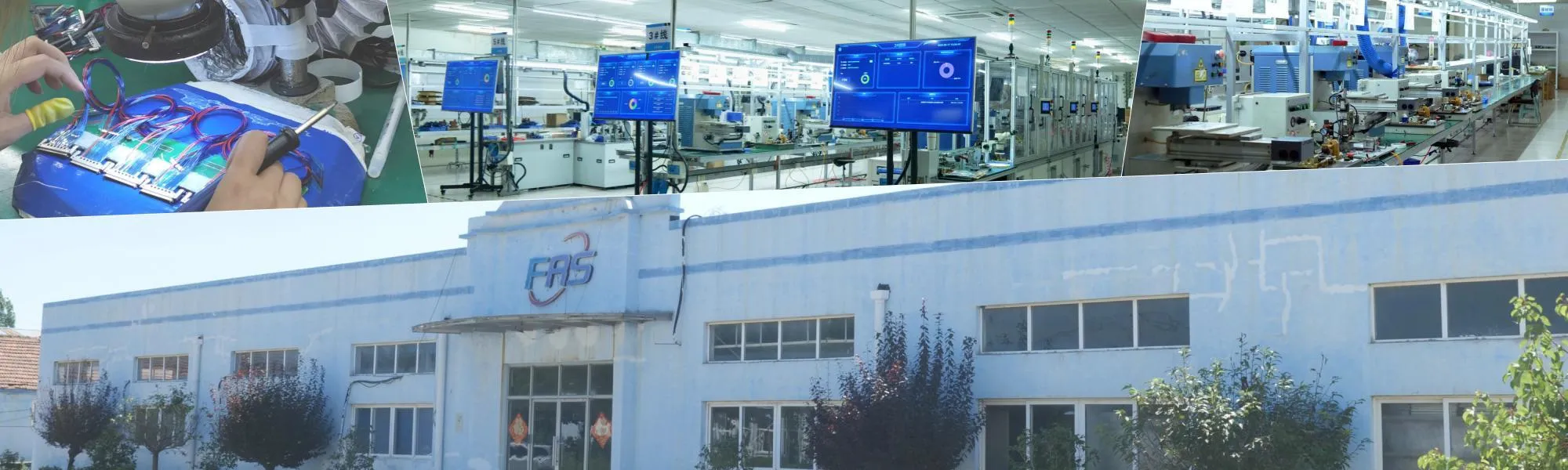
Micro Coaxial Cable factory-(FRS)
In a foldable phone, two or more rigid printed circuit boards must move relative to each other through a hinge while maintaining stable, high‑speed connections for the display, camera, sensors, and antennas. Traditional FPC/FFClinks can suffer from impedance discontinuities, crosstalk, and mechanical wear under repeated flexing. Flexible micro coaxial cable—with its miniature coaxial structure, controlled impedance, and robust shielding—offers a compact, reliable way to carry high‑speed differential signals across moving joints. These cables are widely used in notebook hinges, medical devices, AR/VR headsets, and foldable smartphones, precisely because they combine high bandwidth with the ability to bend and twist without significant signal degradation.
A micro‑coaxial cable is a very small‑diameter coax built around a central conductor, dielectric, outer conductor, and jacket. By definition, micro‑coax has an outer diameter of ≤ 1 mm, with common sizes ranging from about 0.22 mm to 1.16 mm. The center conductor is typically 30–46 AWG(e.g., 30 AWG ≈ 0.30 mm, 46 AWG ≈ 0.048 mm), and the layered construction maintains a stable characteristic impedance to minimize reflections. Flexible micro‑coax assemblies are available in a wide frequency range—from DC up to about 6 GHz—and are used to transmit high‑speed differential pairs such as MIPI, USB 3.x, PCIe, and DisplayPortin space‑constrained, high‑integrity applications.
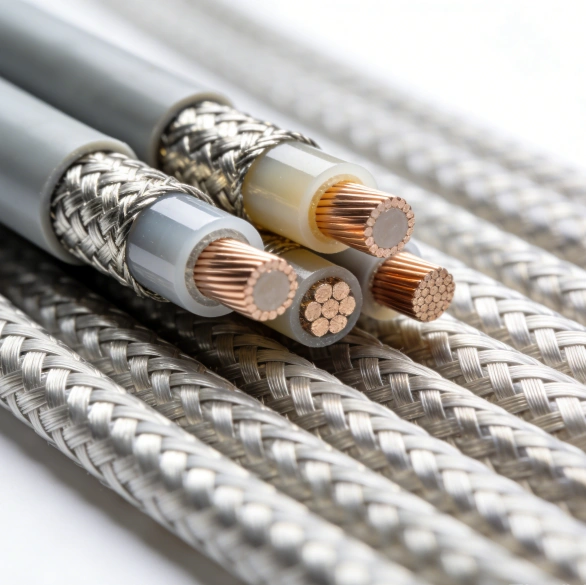
Foldable phones demand high‑speed, low‑loss interconnects that survive tens of thousands of hinge cycles. Flexible micro‑coax meets these needs through four key attributes. First, each conductor is individually shielded, so differential pairs maintain high isolation and low crosstalk even when routed through tight, moving spaces. Second, precise impedance control and low insertion loss preserve signal integrity for multi‑gigabit links across the hinge. Third, excellent EMIshielding and robust construction improve reliability in the presence of displays, radios, and high‑current switching. Fourth, the small diameter and stranded center conductors provide the necessary flexibility and fatigue resistance for repeated folding, outperforming FPC/FFC in hinge applications where space and mechanical durability are critical.
FPC/FFCis cost‑effective for static or low‑speed links, but as data rates rise, its parallel‑trace geometry and limited shielding make it vulnerable to impedance discontinuities, EMI, and mechanical wear in hinges. In contrast, micro‑coaxuses a coaxial geometry with a controlled dielectric and continuous outer shield, yielding lower return loss, lower insertion loss, and superior crosstalk performance. For flip or rotating mechanisms, micro‑coax systems with ultra‑thin 42–44 AWGconductors and 0.40–0.30 mmpitch connectors are proven solutions that maintain signal quality where FPC/FFC often cannot.
Modern foldables commonly route high‑speed differential interfaces such as MIPI CSI‑2/DSIfor cameras and displays, USB 3.xfor high‑speed data, and DisplayPort‑like links for external displays. These protocols can exceed multi‑gigabit per second rates and require tight impedance control and minimal skew. Flexible micro‑coax is explicitly used for such differential transmission in mobile and compact devices, enabling reliable performance where space is at a premium and mechanical flexing is routine.
Designers can choose from a mature ecosystem of miniature coaxial connectors and wire‑to‑board systems optimized for high density and high speed. Examples include I‑PEXmicro‑coax connectors with mechanical locks and EMC shielding, offered in fine pitches down to 0.25 mm, and board‑level interconnects supporting direct‑to‑board connections as low as 0.175 mmpitch. Typical cable configurations range from 30–36 AWGwith 50 Ωimpedance, and manufacturers support custom assemblies with specified lengths, connector families, and shielding options to suit specific hinge and routing constraints.
Even with excellent electrical performance, a hinge‑mounted micro‑coax assembly must be designed for fatigue life. Key practices include respecting the manufacturer’s minimum bending radius, avoiding sharp kinks, supporting the cable along its length to reduce strain at the entry/exit points, and using strain‑relief structures in the connector and housing. Properly managed, flexible micro‑coax maintains its impedance and shielding integrity over many flex cycles, which is essential for the long‑term reliability of foldable devices.
Common dielectric materials include PFAand other low‑loss polymers that balance flexibility with stable electrical properties. The outer conductor—foil and/or braid—provides high shielding effectiveness against EMI, while the jacket material (e.g., PVCor engineered polymers) determines flexibility, abrasion resistance, and chemical compatibility. For high‑flex, high‑cycle applications, select constructions and jacketing proven for repeated bending, and verify shielding continuity through the connector interface to the board ground.
Miniature coaxial solutions typically cost more than FPC/FFC due to higher material precision, tighter manufacturing tolerances, and connector complexity. However, in foldable phones—where high‑speed signal integrity, EMI control, and mechanical reliability are non‑negotiable—the performance and longevity benefits often outweigh the incremental cost. For hinge‑critical paths, the improved return loss, insertion loss, and crosstalk performance of micro‑coax can reduce debugging time, field failures, and warranty risk.
Beyond foldable phones, flexible micro‑coax is widely deployed in notebook hinges, camera gimbals, medical imaging, servers/data centers, and AR/VR headsets—environments that combine high data rates with repeated motion or tight routing. These applications have demonstrated that micro‑coax can maintain stable electrical performance and mechanical durability over time, which translates directly to the demanding use cases of modern foldable smartphones.
Start by listing each high‑speed differential link and its required data rate and impedance (commonly 50 Ωdifferential). Choose the smallest micro‑coax diameter that meets the mechanical bend radius and assembly tooling constraints, then match it with a connector family and pitch that fits the board layout and hinge envelope. Prototype early to validate insertion loss, return loss, crosstalk, and EMI across the full range of hinge motion, and iterate the shield termination and strain‑relief design to ensure robust life‑cycle performance.
Our factory offers high-quality products at competitive prices
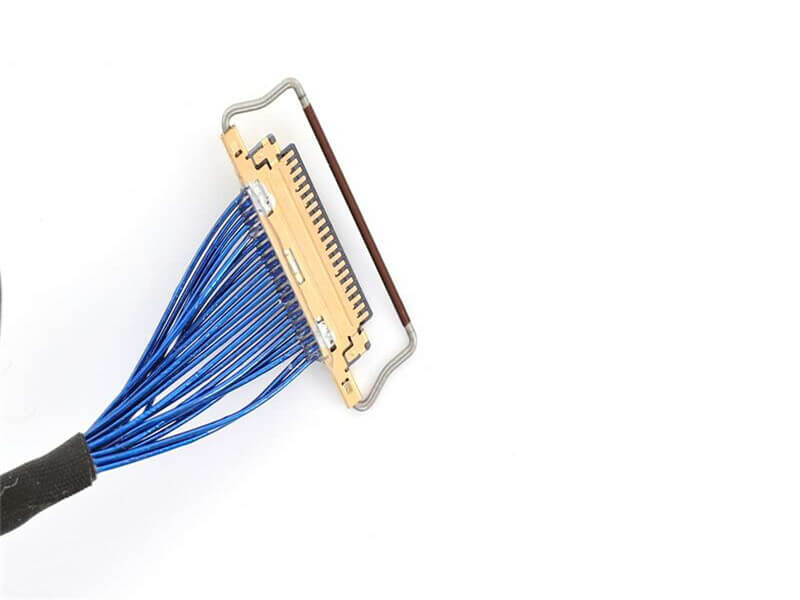
Overview of I-PEX Micro Coaxial Cable Connectors I-PEX is a global leader in micro coaxial cable solutions, specializing in high-performance IPEX micro coax connectors and micro coaxial cable assemblies. These products are designed for.
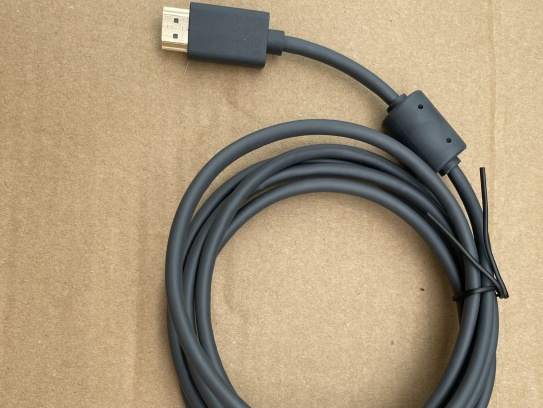
OverviewMicro-Coax for HD Video is a cutting-edge coaxial cable engineered to deliver uncompromised high-definition video quality across professional and industrial applications. Designed for reliability, precision, and versatility,.
Feel free to reach out to us for any inquiries or orders