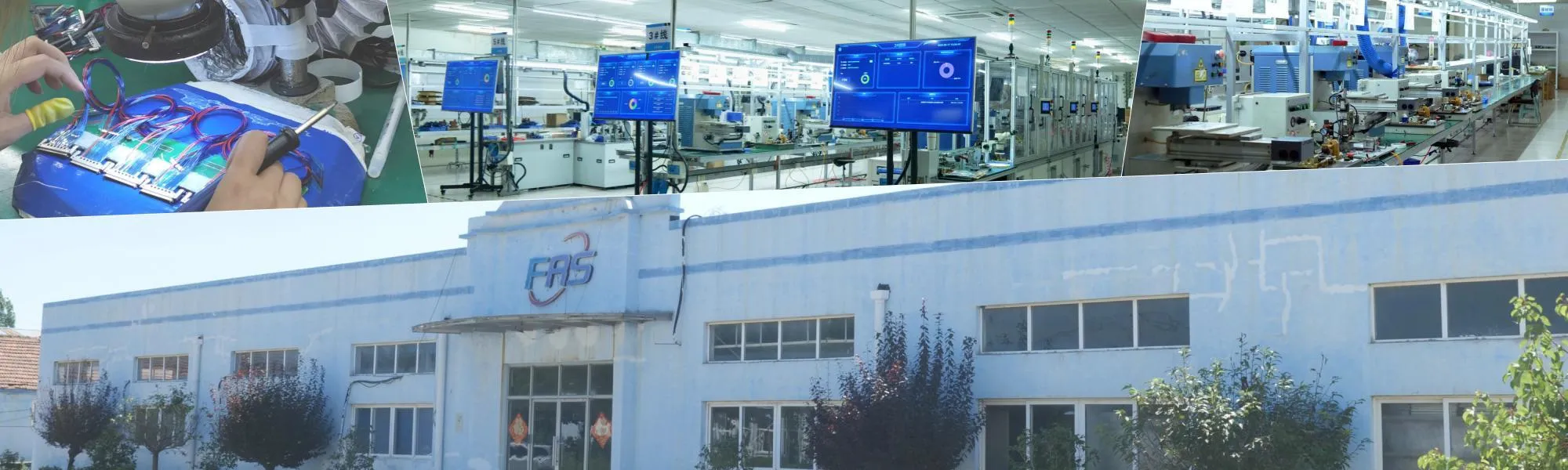
Micro Coaxial Cable-Micro Coaxial Cable factory-(FRS)-FRS
High‑resolution, high‑frame‑rate VR depends on moving massive amounts of image data across very short, highly constrained interconnects inside the headset. Traditional FPC/FFC or round wires often can’t maintain stable impedance and shielding when bent repeatedly in tight spaces, leading to reflections, crosstalk, and EMI susceptibility. Low loss micro coaxial cable—with its controlled characteristic impedance, excellent shielding, and small diameter—keeps insertion loss and return loss low while allowing dense, flexible routing. Typical micro‑coax outer diameters range from about 0.22–1.16 mm, with common AWG sizes from 30–46for the center conductor, making them ideal for the hinge and goggle‑to‑display paths in VR headsets where space and signal integrity are both critical
“Low loss” in this context means minimizing signal degradation across the required bandwidth and length. Key contributors include:
Display interfaces in VR are trending toward multi‑gigabit, multi‑lane links. For example, driving 4K@60Hzcan require on the order of ~12 Gbps, while 8K@60Hzcan exceed ~48 Gbpsdepending on chroma sampling and compression. Practical micro‑coax solutions for internal VR links are commonly designed with bandwidths in the 6–12+ GHzrange to support these data rates over the very short runs inside the headset. Maintaining low loss over these frequencies ensures stable images with minimal jitter, sparkles, or color banding
The industry standard for many VR headset interconnects pairs micro‑coax with miniature, high‑density board‑to‑board connectors. Examples include the I‑PEX CABLINE‑VSfamily (e.g., 0.5 mm pitch, available in 30‑pinconfigurations) and the I‑PEX 20497‑026T‑30(also 0.3 mm pitch, multiple pin counts). These connectors are designed for high‑speed, low‑profile routing and are widely used where space is at a premium. Typical micro‑coax used with such connectors spans AWG #44–#38, enabling tight bends and dense harnessing while preserving signal integrity. When combined with proper strain relief and fixed routing points, these assemblies deliver the mechanical and electrical stability VR headsets demand
Use low loss micro coax when you need multi‑gigabit, impedance‑controlled, shielded links in a small, dynamic space—exactly the case for VR headset display and camera interconnects. It outperforms FPC/FCC in high‑speed, high‑density, and high‑flex scenarios. However, if the application is cost‑driven with modest bandwidth needs and minimal flex, simpler flat flex or twisted‑pair solutions may suffice. For very high‑frequency, fixed installations (e.g., certain RF paths), semi‑rigid coax with seamless outer conductors can offer even lower loss and superior shielding, albeit with less mechanical flexibility
By understanding what “low loss” means in the context of micro coax—and how it directly impacts image quality, EMI, and mechanical reliability—you can make informed trade‑offs between size, bandwidth, and cost. In VR headsets, where every millimeter and every gigahertz counts, low loss micro coaxial cable isn’t just a component choice; it’s a foundational enabler of immersive, artifact‑free visuals.
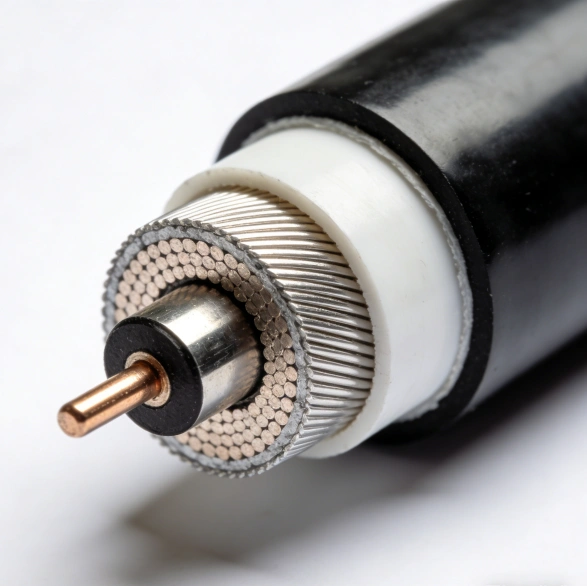
Our factory offers high-quality products at competitive prices
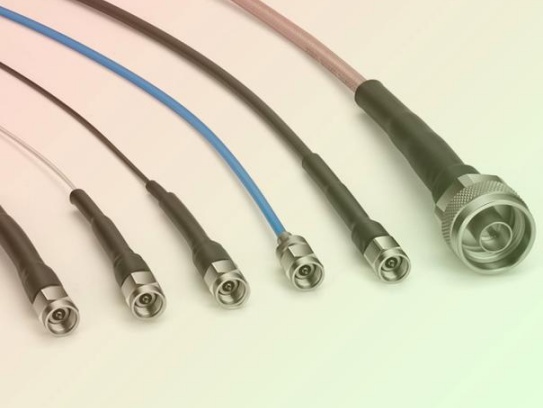
H1: Precision Instrument Micro-Coax – Engineered for Critical Signal Integrity Meta Description: Discover Precision Instrument Micro-Coax: Miniature coaxial cable solution optimized for high-frequency signal transmissio.
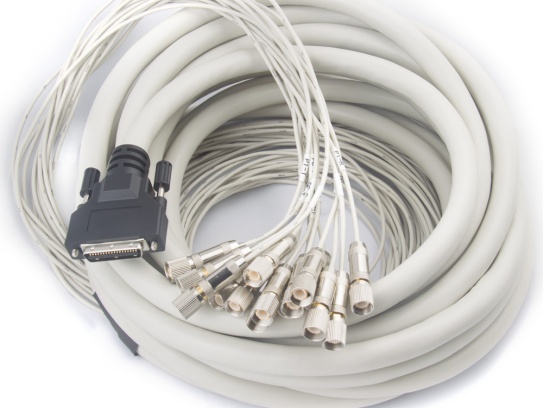
Meta Description: Discover our premium Flexible Micro-Coaxial Assemblies—engineered for high-frequency signal integrity, durability, and versatility in aerospace, medical, telecom, and robotics applications. What Are Flexible .
Feel free to reach out to us for any inquiries or orders