Why Micro Coaxial Cables Rule Military Communication Systems - Micro Coaxial Cable factory-(FRS)
Micro Coaxial Cable factory-(FRS)
INFO
In the high-stakes world of military operations, reliable communication isn’t just convenient – it’s mission-critical and often life-saving. When every gram, millimeter, and split-second counts, micro coaxial cables emerge as the undisputed champions for connecting vital electronics. Here’s why these miniature workhorses are the preferred choice:
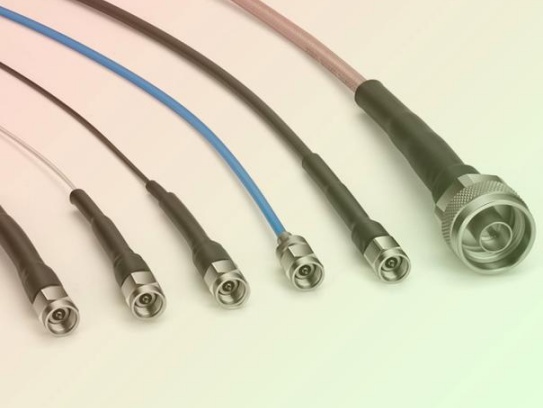
Space is a Premium: Military platforms – aircraft, ships, vehicles, handheld radios, and especially UAVs (drones) – are packed with sophisticated electronics. Micro coax cables are incredibly small (often just millimeters in diameter), allowing engineers to route them through tight spaces, conduits, and around complex equipment where larger cables simply couldn’t fit. This miniaturization enables denser packing of communication systems.
Signal Integrity is Paramount: Military communications must be crystal clear and immune to disruption. Micro coaxial cables excel at shielding against Electromagnetic Interference (EMI) and Radio Frequency Interference (RFI). Their inherent design – a central conductor surrounded by a dielectric insulator, then a braided shield, and an outer jacket – acts like a Faraday cage. This prevents external “noise” (from engines, radar, or enemy jamming) from corrupting vital signals and prevents internal signals from leaking out (crucial for stealth).
Endurance Under Extreme Conditions: Battlefields aren’t clean rooms. Cables face vibration, crushing, bending, extreme temperatures, moisture, chemicals, and abrasion. Military-grade micro coax is built exceptionally tough. It features robust outer jackets resistant to chemicals, solvents, and weather. The inner construction often includes stranded conductors for flexibility and multi-layered shielding (foil + braid) for maximum resilience. They can handle the constant movement and harsh environments of deployed systems.
High Performance at High Frequencies: Modern military tech relies heavily on high-frequency signals for data links, radar, satellite communication, and high-resolution sensors. Micro coax cables are engineered for excellent high-frequency performance, maintaining low signal loss (attenuation) and stable impedance over critical frequency bands. This ensures fast data rates and accurate signal transmission for sophisticated electronics.
Flexibility & Reliability: Equipment needs to move – turrets turn, wings flap, soldiers maneuver. Micro coax is highly flexible, capable of withstanding repeated bending and flexing without internal conductor breakage or shield damage. This flexibility translates directly into long-term reliability in dynamic environments, reducing maintenance and the risk of communication failure during operations.
Weight Savings Add Up: Every ounce matters in aerospace and portable gear. Compared to larger cables or alternatives like twisted pairs lacking the same shielding level, micro coax offers a superb balance of shielding effectiveness and low weight. Reducing overall system weight improves fuel efficiency for vehicles/aircraft and reduces the burden on personnel carrying equipment.
Simplified Integration: Their small size and flexibility make micro coaxial cables much easier to terminate and integrate into complex wiring harnesses, reducing installation time and potential points of failure compared to bulkier, less manageable cables.
Real-World Applications:
Avionics: Connecting cockpit displays, sensors, radar systems, and communication equipment within aircraft.
Missiles & UAVs: Linking guidance systems, control surfaces, cameras, and telemetry.
Ground Vehicles: Interconnecting rugged comms systems, targeting computers, and sensors in tanks and personnel carriers.
Portable Radios: Providing the high-fidelity internal connections needed for secure voice and data links.
SATCOM Terminals: Carrying high-frequency signals within satellite communication units.
Electronic Warfare (EW) Systems: Connecting jammers, sensors, and signal processors where shielding is critical.
Conclusion:
The choice of micro coaxial cabling in military communications isn’t arbitrary; it’s the result of demanding requirements for miniaturization, exceptional EMI/RFI shielding, rugged durability, high-frequency performance, reliable flexibility, and lightweight construction. When failure isn’t an option and systems must operate flawlessly in the most challenging environments on Earth, micro coaxial cables deliver the critical performance and reliability that defense applications demand. They are the tiny, robust backbone enabling secure and effective military communication and mission success.
Micro coaxial cables (micro coax) are the hidden heroes of our digital lives. Found inside smartphones, laptops, cameras, drones, and countless other devices, these tiny cables carry crucial video signals (like HDMI or camera feeds) and...
The answer to whether coaxial cable assemblies can be used in home theater systems is a resounding “yes.” In fact, coaxial cable assemblies have long been a reliable and practical choice for various connections within home t...
In the world of electronics and telecommunications, coaxial cables play a pivotal role in transmitting signals. One of the most crucial aspects of coaxial cables is their impedance. Understanding coaxial cable impedance is essential for...
Signal attenuation – the gradual weakening of a signal as it travels through a cable – is a critical factor in any high-frequency electronic system. When working with micro coaxial cables, their small size makes understanding and calcu...
Introduction
MIPI interfaces—MIPI DSIfor displays and MIPI CSI‑2for cameras—are now the default high‑speed, low‑power links in mobile, embedded, and automotive vision. Designers often encounter the term 90Ω micro coaxial cablewhen ro...
Keeping micro coaxial connectors (like BNC, SMA, SMB, MCX, MMCX) clean is crucial for strong, reliable signals in cameras, medical devices, test equipment, and communications gear. Dirt, dust, oils, or oxidation can cause fuzzy pictures...
The Game-Changing Technology
Flexible micro-coaxial cables are revolutionizing electronics by allowing devices to bend and fold without breaking internal connections. These hair-thin cables (often thinner than 0.2mm) maintain strong ...
Coaxial cables have long been the backbone of various communication and transmission systems, playing an indispensable role in ensuring stable signal transmission. In recent years, with the continuous development of technology, the dema...
Micro coaxial cables deliver critical signals in compact electronics, from medical devices and aerospace systems to smartphones and test equipment. Their tiny size belies their complexity and vulnerability. Installation errors are commo...
Micro coaxial cables are essential in modern electronics, enabling high-frequency signal transmission in compact devices from smartphones to satellites. However, their performance and longevity are heavily influenced by temperature. Und...
Micro coaxial cables are critical components in high-frequency applications such as medical devices, aerospace systems, telecommunications, and robotics. Their compact design and precision engineering make them highly susceptible to dam...
Coaxial cables have played a pivotal role in the evolution of network communication systems. Among them, Thicknet (Thick coaxial cable) and Thinnet (Thin coaxial cable) were widely used in early Ethernet implementations, particularl...
Crimping micro coaxial connectors (like MMCX, MCX, or SMP) is essential for reliable signals in devices such as Wi-Fi routers, drones, GPS units, and smartphones. Proper crimping ensures strong connections without signal loss. Follow th...
The JAE FI-R series is a family of high-speed, fine-pitch board-to-cable connectors designed for internal serial transmission. It is widely used in applications like LCD/LED displays, medical imaging, industrial cameras, and high-speed ...
Introduction
In a foldable phone, two or more rigid printed circuit boards must move relative to each other through a hinge while maintaining stable, high‑speed connections for the display, camera, sensors, and antennas. Traditional ...
Why this cable matters now
PCI Express 6.0 raises the per‑lane signaling rate to 64 GT/susing PAM4modulation and lightweight FEC/FLIT, which doubles effective bandwidth while demanding much tighter channel and connector performance t...
If you’re researching cables, especially for audio/video, networking, or electronics projects, you’ve likely encountered both “coaxial cable” and “micro coaxial cable.” They sound similar, and they ar...
In the rapidly evolving digital landscape, micro coaxial cables have become the unsung heroes, facilitating high – speed data transmission and signal transfer in a wide range of applications, from consumer electronics to advanced ...
Micro coaxial cables – those incredibly thin wires inside your smartphone, drone, medical device, or advanced camera – are engineering marvels. But precisely because they’re so small, they’re prone to specific types of damag...
Meta Description: Struggling to choose between micro and standard coax? Compare size, bandwidth, and costs for wearables, IoT, and drones.Article Content:IntroductionAs devices shrink, engineers debate: micro coaxial (0.81mm) or st...
Purchasing micro-coaxial cables for your electronics project or product line? Ensuring they comply with the Restriction of Hazardous Substances (RoHS) directive is not just good practice – it’s often a legal requirement, es...
Coaxial cables are indispensable components in numerous systems, ranging from communication networks to home entertainment setups, as they play a vital role in transmitting signals stably and efficiently. To ensure their long-term relia...
Against the backdrop of rising demand for stable signal transmission solutions in sectors such as 5G base station construction, residential security networking, and industrial data transmission, a series of targeted sales promotion acti...
As display resolutions, refresh rates, and color depths continue to climb, the demand for stable, high-bandwidth video transmission has never been greater. For many OEMs and system integrators, the micro coaxial cable for DisplayPort hi...
Coaxial cables are widely used for transmitting high-frequency signals in telecommunications, broadcasting, and networking. Their performance, particularly transmission speed (data rate), depends on factors like cable design, shieldin...
Introduction: The Unseen Challenge
Within the complex, high-stakes environment of nuclear power plants (NPPs), reliable signal transmission isn’t just important – it’s critical for safety, control, and monitoring. Ordina...
When sourcing micro coaxial cables for electronics, telecommunications, or medical devices, one critical question arises: Should you buy imported or domestically produced cables? Price is often the deciding factor, but cost al...
IntroductionAs autonomous vehicles (AVs) evolve, LiDAR (Light Detection and Ranging) systems have emerged as a cornerstone technology for enabling safe navigation. These systems rely on precise data transmission to map environments in r...
Coaxial cables are crucial for transmitting high-frequency electrical signals with minimal interference. This article offers an overview of their specifications and technical data.
1. Structure of Coaxial Cables
A coaxial cable ...
In the modern retail landscape, a robust and reliable network is the backbone of seamless operations, enhanced customer experiences, and efficient management. Shopping malls, as bustling hubs of commerce and entertainment, demand networ...
In the first three quarters of 2025, our factory’s coaxial cable products have achieved record-breaking sales performance, with the total sales volume increasing by 65% compared with the same period last year and the sales revenue...
In the high-stakes world of medical technology, signal integrity, durability, and electromagnetic interference (EMI) resistance are non-negotiable. Coaxial cables, with their unique design and shielding capabilities, have emerged as a c...
Coaxial cable assemblies are critical components in industries ranging from telecommunications and aerospace to medical equipment and industrial automation. Their ability to transmit high-frequency signals with minimal interference make...
The demanding environments of oil and gas pipelines require technology that doesn’t just perform, but does so safely and reliably, especially under extreme conditions. Among the unsung heroes ensuring data integrity and vital comm...
Introduction
As urban centers evolve into smart cities, the demand for reliable, high-speed connectivity surges. Micro-coaxial networks emerge as a critical backbone, enabling seamless data transmission for IoT devices, 5G networks, ...
In the global landscape of electrical and telecommunications infrastructure, coaxial cable remains a critical component—powering everything from broadband internet networks to satellite TV systems and industrial data transmission. As de...
Imagine downloading a full HD movie in a blink, or medical scanners delivering crystal-clear images instantly during life-saving procedures. The relentless surge of data in our world – from streaming services and cloud computing to arti...
For ham radio operators and amateur communicators, the coaxial cable is far more than a “connecting wire”—it is the lifeline of signal integrity. A poorly chosen or installed coaxial cable can lead to significant signal loss...
The demand for miniaturized, high-frequency electronics in applications like 5G, medical implants, and aerospace systems has driven the development of ultra-thin micro-coaxial conductors. However, a critical challenge in these tiny cabl...
Neural interfaces have emerged as a transformative technology, enabling direct communication between the human nervous system and external devices. From restoring motor function in individuals with paralysis to treating neurological dis...
H1: Precision Instrument Micro-Coax – Engineered for Critical Signal Integrity
Meta Description: Discover Precision Instrument Micro-Coax: Miniature coaxial cable solution optimized for high-frequency signal transmissio.
Overview of I-PEX Micro Coaxial Cable Connectors
I-PEX is a global leader in micro coaxial cable solutions, specializing in high-performance IPEX micro coax connectors and micro coaxial cable assemblies. These products are designed for.
Contact Us Micro Coaxial Cable factory-(FRS).
Feel free to reach out to us for any inquiries or orders