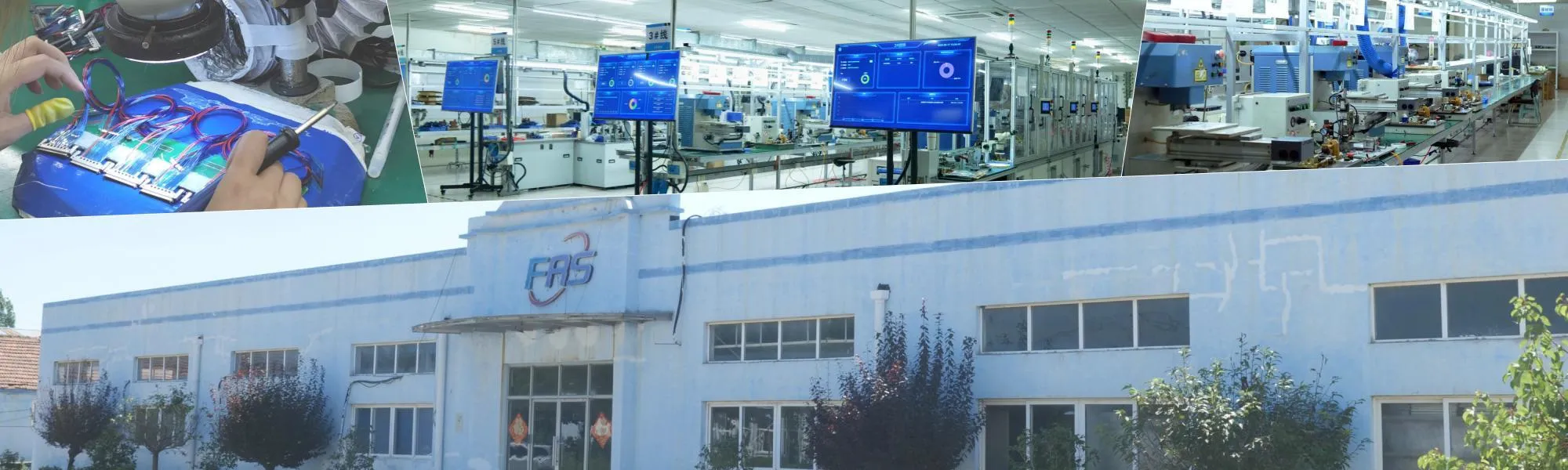
Micro Coaxial Cable factory-(FRS)
Industrial control systems (ICS) are the backbone of modern manufacturing, energy, transportation, and infrastructure sectors, relying heavily on stable and reliable signal transmission to ensure operational efficiency and safety. Among the critical components that enable this seamless communication, coaxial cable assemblies stand out as they facilitate the transfer of high-frequency signals with minimal interference. However, selecting the right coaxial cable assemblies for industrial control systems is not a one-size-fits-all process. It requires a deep understanding of the system’s operational environment, performance requirements, and compliance standards. This guide will walk you through the key factors to consider when you select Coaxial Cable Assemblies, ensuring that your industrial control system operates at peak performance with minimal downtime.
The industrial environment is often harsh, with factors such as extreme temperatures, humidity, vibration, chemical exposure, and electromagnetic interference (EMI) posing significant challenges to coaxial cable assemblies. When you select Coaxial Cable Assemblies, the first step is to assess the specific environmental conditions where the cables will be installed.
Industrial control systems may operate in environments ranging from freezing cold (-40°C or lower) in outdoor or refrigerated settings to high temperatures (125°C or higher) in manufacturing plants or power generation facilities. Different cable materials have varying temperature tolerances. For example, cables with polyethylene (PE) insulation are suitable for moderate temperatures (-40°C to 85°C), while those with perfluoroalkoxy (PFA) or polytetrafluoroethylene (PTFE) insulation can withstand higher temperatures (up to 200°C). Ensure that the selected coaxial cable assembly’s temperature rating matches or exceeds the maximum and minimum temperatures of the operational environment to prevent insulation degradation, signal loss, or cable failure.
Moisture, oil, grease, and corrosive chemicals are common in industrial settings, such as food processing plants, chemical refineries, and marine industrial facilities. Moisture ingress can cause signal degradation and short circuits, while chemical exposure can break down the cable’s jacket and insulation. When selecting coaxial cable assemblies, look for options with water-resistant or waterproof jackets, such as those made of ethylene propylene diene monomer (EPDM) or chlorinated polyethylene (CPE). For chemical-intensive environments, cables with PTFE or FEP (fluorinated ethylene propylene) jackets offer excellent resistance to a wide range of chemicals.
Industrial machinery generates constant vibration, and cables may be subject to bending, twisting, or physical impact during installation and operation. A coaxial cable assembly with poor mechanical durability can develop loose connectors, damaged shielding, or broken conductors over time. Opt for cables with stranded conductors instead of solid conductors, as they offer greater flexibility and resistance to vibration. Additionally, reinforced jackets (e.g., braided stainless steel or aramid fibers) can enhance mechanical strength, while strain relief boots on connectors prevent stress at the connection points.
The primary function of coaxial cable assemblies in industrial control systems is to transmit high-frequency signals accurately. Therefore, their electrical performance parameters are crucial when you select Coaxial Cable Assemblies. Key parameters to consider include impedance, attenuation, power handling capacity, and shielding efficiency.
Impedance mismatch between the coaxial cable assembly and the connected devices (such as sensors, transmitters, and controllers) can cause signal reflection, leading to signal loss, distortion, and reduced system performance. Industrial control systems typically use 50-ohm or 75-ohm coaxial cables. 50-ohm cables are commonly used for data and RF signal transmission in applications like industrial Ethernet, while 75-ohm cables are suitable for video surveillance and analog signal transmission. Always ensure that the impedance of the cable assembly matches the impedance of the system’s components to minimize reflection and maximize signal integrity.
Attenuation refers to the loss of signal strength as it travels through the cable. Higher attenuation can result in weak signals that are difficult to detect, leading to communication errors in industrial control systems. Attenuation is influenced by factors such as cable length, frequency, and insulation material. Thicker conductors and low-loss insulation materials (e.g., PTFE, FEP) can reduce attenuation. When selecting coaxial cable assemblies, review the attenuation specifications at the operating frequency of your system. For long-distance signal transmission, choose cables with low attenuation to ensure that the signal remains strong enough to be accurately received.
In some industrial control applications, such as those involving RF transmitters or high-power sensors, the coaxial cable assembly must handle a certain amount of power without overheating or failing. Power handling capacity depends on the cable’s conductor size, insulation material, and operating temperature. Larger conductors and high-temperature-resistant insulation can handle more power. Ensure that the selected cable assembly’s power rating meets or exceeds the maximum power output of the connected devices to prevent cable damage and ensure safe operation.
Industrial environments are filled with electromagnetic interference (EMI) from sources such as motors, transformers, and other electrical equipment. EMI can disrupt signal transmission, leading to data errors and system malfunctions. Coaxial cable assemblies use shielding to protect the inner conductor from EMI. The shielding can be a single layer of braided copper, a foil shield, or a combination of both (foil + braid). Braid shielding offers excellent flexibility and good EMI protection at low frequencies, while foil shielding provides better coverage and protection at high frequencies. For high-EMI environments, choose cable assemblies with double shielding (foil + braid) or triple shielding for maximum protection. Additionally, ensure that the shielding is properly grounded to further reduce EMI interference.
The mechanical design and connector type of coaxial cable assemblies play a vital role in their ease of installation, reliability, and compatibility with industrial control system components. When you select Coaxial Cable Assemblies, pay close attention to connector types, cable flexibility, and installation requirements.
The connector must form a secure and reliable connection between the coaxial cable assembly and the system’s devices. Common connector types used in industrial control systems include BNC, SMA, N-type, TNC, and DIN. BNC connectors are widely used for video and low-frequency data transmission due to their quick bayonet coupling. SMA connectors are suitable for high-frequency applications (up to 18 GHz) and offer excellent mechanical stability. N-type connectors are designed for high-power and high-frequency applications, providing superior shielding and weather resistance, making them ideal for outdoor or harsh industrial environments. TNC connectors are similar to BNC but use a threaded coupling for better vibration resistance. When selecting a connector, ensure that it is compatible with the devices in your system and that it provides a tight, low-loss connection.
Industrial control systems often require cables to be routed through tight spaces, around machinery, or in areas with limited access. A rigid cable can be difficult to install and may be prone to damage if bent beyond its minimum bend radius. Flexible coaxial cables, such as those with stranded conductors and flexible insulation, are easier to route and handle. Check the cable’s minimum bend radius specification (both static and dynamic) to ensure that it can be installed without causing damage to the cable or affecting signal performance.
Consider the installation method when selecting coaxial cable assemblies. For example, if the cables will be installed in conduit or cable trays, choose cables with a durable jacket that can withstand abrasion. If the cables will be exposed to sunlight or outdoor elements, select UV-resistant jackets to prevent degradation. Additionally, pre-terminated cable assemblies can save time and reduce installation errors compared to field-terminated cables, as they are factory-tested for performance and reliability.
Industrial control systems are subject to strict regulatory standards and certifications to ensure safety, reliability, and compatibility. When you select Coaxial Cable Assemblies, verify that they comply with relevant industry standards, such as UL (Underwriters Laboratories), CE (Conformité Européenne), RoHS (Restriction of Hazardous Substances), and IEC (International Electrotechnical Commission). Compliance with these standards ensures that the cables meet specific safety and performance requirements. For example, UL certification indicates that the cable has been tested for fire safety, while RoHS compliance ensures that the cable does not contain hazardous substances such as lead, mercury, or cadmium. Additionally, some industries have specific standards, such as ATEX for explosive environments or IEEE for industrial Ethernet applications. Ensure that the selected cable assembly meets the standards applicable to your industry.
Every industrial control system has unique requirements, and off-the-shelf coaxial cable assemblies may not always meet specific needs. When selecting a supplier, consider their ability to provide custom coaxial cable assemblies. Customization options may include custom cable lengths, unique connector combinations, specialized jackets for harsh environments, or custom shielding configurations. A supplier that offers customization can help you design a cable assembly that perfectly matches your system’s requirements, ensuring optimal performance and reliability. Additionally, custom cable assemblies can reduce installation time and minimize the risk of compatibility issues.
When it comes to selecting Coaxial Cable Assemblies for industrial control systems, FRS stands out as a trusted and reliable brand factory. With years of experience in designing and manufacturing high-performance coaxial cable assemblies for industrial applications, FRS understands the unique challenges of harsh industrial environments and the critical role that cable assemblies play in ensuring system reliability.
FRS coaxial cable assemblies are engineered to meet the strictest environmental, electrical, and mechanical requirements. Our products feature a wide range of temperature-resistant insulation materials (including PTFE and FEP) to withstand extreme temperatures, waterproof and chemical-resistant jackets for moisture and chemical exposure, and double or triple shielding for superior EMI protection. We offer a variety of connector types (BNC, SMA, N-type, TNC, etc.) to ensure compatibility with all industrial control system components, and our cables are designed with flexibility in mind for easy installation in tight spaces.
All FRS coaxial cable assemblies comply with international standards such as UL, CE, RoHS, and IEC, ensuring safety, quality, and reliability. We also specialize in custom solutions, working closely with our customers to design cable assemblies that meet their specific application requirements—whether it’s a custom length, unique connector configuration, or specialized shielding for high-EMI environments. Our factory undergoes rigorous quality control processes, from raw material selection to final testing, to ensure that every cable assembly meets or exceeds industry performance standards.
For industrial control systems that demand uncompromising performance and reliability, FRS coaxial cable assemblies are the ideal choice. Trust FRS to provide you with the right cable solutions that keep your operations running smoothly, minimize downtime, and ensure long-term system efficiency.
Our factory offers high-quality products at competitive prices
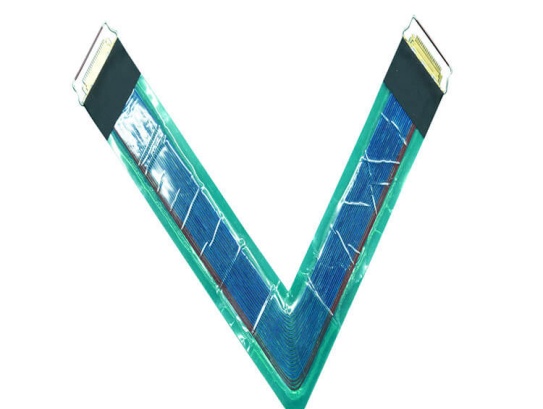
IntroductionThe High-Temperature Resistant Micro-Coaxial Cable is a cutting-edge connectivity solution engineered to deliver exceptional performance in extreme thermal environments. Combining precision engineering with advanced mate.
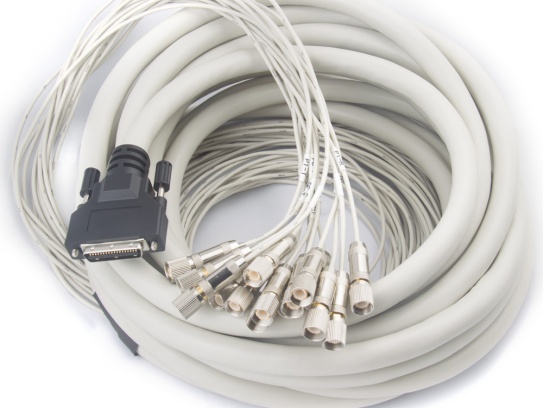
Meta Description: Discover our premium Flexible Micro-Coaxial Assemblies—engineered for high-frequency signal integrity, durability, and versatility in aerospace, medical, telecom, and robotics applications. What Are Flexible .
Feel free to reach out to us for any inquiries or orders