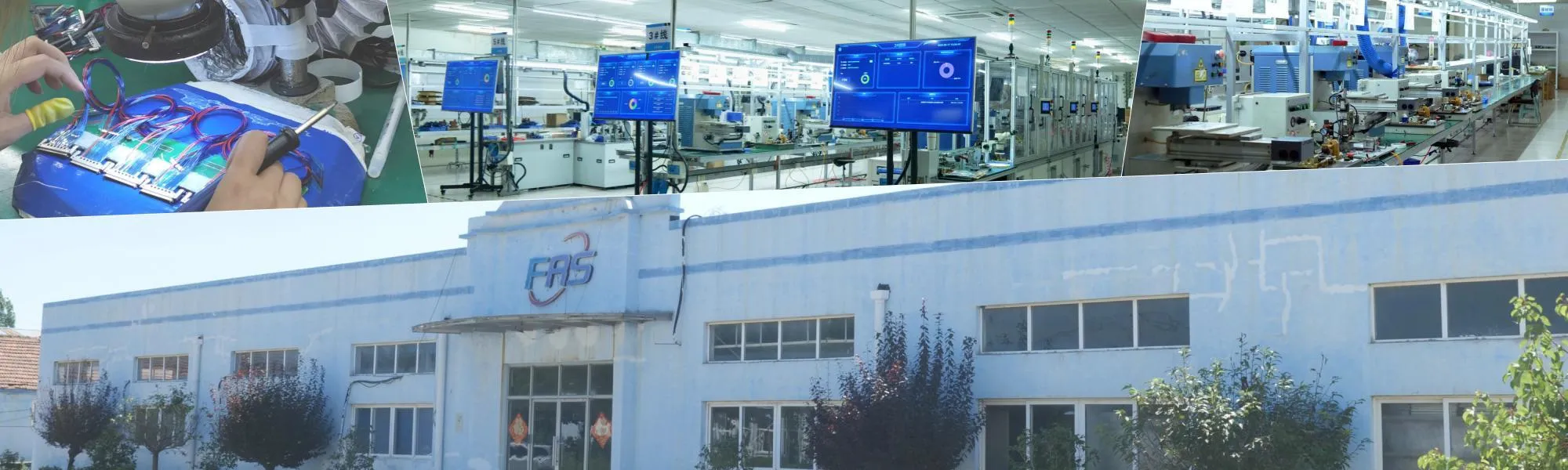
Micro Coaxial Cable factory-(FRS)
In high-traffic areas such as data centers, industrial plants, commercial buildings, and transportation hubs, coaxial cable assemblies play a critical role in transmitting high-frequency signals reliably. However, these environments pose unique challenges to the durability of these components. High foot traffic, constant equipment movement, temperature fluctuations, and exposure to various environmental stressors can all impact the performance and lifespan of coaxial cable assemblies. Understanding the durability of coaxial cable assemblies in high-traffic areas is essential for businesses and engineers to make informed decisions when selecting and deploying these crucial connectivity solutions. This article will delve into the key factors influencing durability, engineering practices to enhance it, and real-world considerations, ultimately highlighting why FRS’s coaxial cable assemblies stand out as the ideal choice for such demanding environments.
The durability of coaxial cable assemblies in high-traffic areas is determined by a combination of mechanical, environmental, and electrical factors. Each of these elements interacts to dictate how well the assemblies can withstand the rigors of busy environments over time.
High-traffic areas are characterized by frequent physical interactions, including foot traffic, equipment rolling over cables, and accidental pulls or impacts. These mechanical stresses can damage the cable’s outer jacket, shield, and inner conductor, leading to signal loss or complete failure. The outer护套 material is the first line of defense against such stress. Materials like PVC (Polyvinyl Chloride) and PE (Polyethylene) are commonly used, but in high-traffic scenarios, more robust options such as TPU (Thermoplastic Polyurethane) or LSZH (Low Smoke Zero Halogen) with enhanced tear and abrasion resistance are preferred. Additionally, the cable’s structural design, including the thickness of the jacket and the strength of the shielding layers (such as braided copper or aluminum foil), contributes significantly to its ability to withstand crushing and impact forces. For example, a coaxial cable with a double braided shield not only provides better electromagnetic interference (EMI) protection but also adds mechanical rigidity compared to a single braid.
High-traffic areas often expose coaxial cable assemblies to a range of environmental conditions that can degrade their durability. Temperature fluctuations are a common issue—data centers, for instance, have cooling systems that create varying temperature zones, while outdoor high-traffic areas like stadiums face extreme heat, cold, and humidity. Coaxial cables must be rated for a wide operating temperature range, typically from -40°C to 85°C or higher, to ensure the jacket and insulation materials do not become brittle in cold conditions or melt in high heat. Humidity and moisture can also infiltrate the cable, causing corrosion of the inner conductor and shield. Waterproof or water-resistant designs, such as sealed connectors and moisture-resistant insulation (like PTFE), are crucial in areas prone to dampness or spills. Chemical exposure is another concern in industrial high-traffic areas, where oils, solvents, or cleaning agents may come into contact with the cables. Resistance to these chemicals, achieved through specialized jacket materials, prevents the护套 from swelling, cracking, or deteriorating.
Durability in high-traffic areas is not just about physical longevity—it also involves maintaining consistent electrical performance over time. Mechanical stress and environmental factors can disrupt the cable’s impedance matching, which is critical for minimizing signal reflection and loss. For example, if the cable’s outer jacket is damaged, the shield may become compromised, leading to EMI ingress or egress that degrades signal quality. The inner dielectric material, which maintains the distance between the inner conductor and shield, must also retain its properties under stress. Materials like foam polyethylene or solid PTFE are chosen for their stability, as they resist compression and temperature-induced changes in dielectric constant. Additionally, connector quality plays a vital role in electrical durability. Poorly terminated connectors can loosen over time due to vibration or physical disturbance in high-traffic areas, resulting in signal drops. High-quality connectors with secure locking mechanisms (such as SMA, N-type, or BNC with threaded or bayonet locks) ensure a reliable connection even in dynamic environments.
Manufacturers employ various engineering techniques to optimize coaxial cable assemblies for durability in high-traffic areas. These practices address the mechanical, environmental, and electrical challenges outlined above, ensuring the assemblies can perform reliably for extended periods.
The choice of materials is foundational to enhancing durability. For the inner conductor, high-purity copper or copper-clad steel is used for its excellent conductivity and strength. Copper-clad steel offers the added benefit of increased tensile strength, making it more resistant to pulls and stretches. The dielectric layer often uses foam dielectric, which is lighter and has lower signal loss than solid dielectric, while still providing structural support. For the shield, a combination of aluminum foil and braided copper is common—aluminum foil provides 100% coverage against EMI, while the braid adds mechanical strength. The outer jacket, as mentioned earlier, is selected based on the specific environment: TPU for flexibility and abrasion resistance, LSZH for fire safety in enclosed spaces like commercial buildings, and UV-resistant materials for outdoor high-traffic areas.
Structural design modifications further improve durability. Reinforced jackets with additional layers or embedded fibers enhance resistance to crushing and tearing. Some cables feature a ripcord, which allows for easy and safe stripping during installation without damaging the inner components, reducing the risk of accidental harm during setup in high-traffic areas. Another structural enhancement is the use of a corrugated outer conductor in certain types of coaxial cables (such as hardline cables), which provides superior mechanical strength and flexibility, making them suitable for areas where cables are frequently bent or moved. Additionally, strain relief boots on connectors distribute stress away from the cable-connector junction, preventing breakage at this vulnerable point.
Quality control during manufacturing is essential to ensure durability. Precision extrusion of the jacket and dielectric layers ensures consistent thickness and uniformity, which is critical for maintaining electrical performance and mechanical strength. Connector termination is done using automated equipment to ensure accurate and secure crimping or soldering, reducing the risk of loose connections. After production, coaxial cable assemblies undergo a series of tests to validate their durability. These tests include crush testing (applying controlled pressure to simulate equipment rolling over the cable), bend testing (repeatedly bending the cable to check for jacket or conductor damage), temperature cycling (exposing the cable to extreme temperature changes to test material stability), and EMI shielding effectiveness testing. Only assemblies that meet strict performance criteria in these tests are deemed suitable for high-traffic environments.
Different high-traffic areas have unique requirements that influence the durability needs of coaxial cable assemblies. Understanding these application-specific demands is key to selecting the right product.
Data centers are bustling environments with dense server racks, constant equipment maintenance, and high foot traffic. Coaxial cable assemblies here must withstand frequent handling during server upgrades or reconfigurations. They also need to resist the cooling system’s airflow and temperature variations. Additionally, data centers require high-speed signal transmission, so durability must not come at the cost of electrical performance. Assemblies with low insertion loss, high return loss, and robust shielding are essential to prevent signal interference between cables in close proximity.
Industrial high-traffic areas, such as manufacturing floors, are characterized by heavy machinery, chemical exposure, and vibration. Cables here are at risk of being crushed by equipment, exposed to oils and solvents, and subjected to constant vibration that can loosen connectors. Durable jackets resistant to chemicals and abrasion, along with vibration-resistant connectors, are critical. Additionally, industrial environments may have high temperatures from machinery, so cables with high-temperature ratings are necessary.
Commercial buildings like malls, airports, and train stations have high foot traffic, and cables are often run under floors, along walls, or in ceilings. Fire safety is a major concern, so LSZH jackets that emit low smoke and no toxic fumes in case of fire are required. These areas also may have exposure to moisture (such as in restrooms or near water fountains), so water-resistant designs are important. Additionally, the cables must be flexible enough to navigate tight spaces during installation while remaining durable enough to withstand accidental kicks or impacts from pedestrians or cleaning equipment.
When it comes to ensuring the durability of coaxial cable assemblies in high-traffic areas, FRS stands out as a trusted manufacturer with a commitment to quality and performance. FRS’s coaxial cable assemblies are engineered with the specific challenges of high-traffic environments in mind, incorporating advanced materials, structural优化, and rigorous testing to deliver long-lasting reliability.
At FRS, we prioritize material excellence by using high-purity copper conductors for optimal conductivity and strength, foam dielectric for stable electrical performance, and durable outer jackets (including TPU, LSZH, and UV-resistant options) tailored to the application. Our structural designs feature reinforced jackets, double shielding (aluminum foil + braided copper), and strain relief connectors to withstand mechanical stress, impact, and vibration. Every FRS coaxial cable assembly undergoes a comprehensive testing regimen, including crush, bend, temperature cycling, and EMI shielding tests, to ensure it meets or exceeds industry standards for durability.
Whether for data centers requiring high-speed, interference-free transmission, industrial plants needing chemical and vibration resistance, or commercial buildings prioritizing fire safety and moisture resilience, FRS has a coaxial cable assembly solution. Our team of experienced engineers works closely with clients to understand their specific high-traffic environment needs, providing customized assemblies that deliver consistent performance and longevity. With FRS, you can trust that your coaxial cable assemblies will stand up to the demands of even the busiest areas, minimizing downtime and ensuring reliable connectivity. Choose FRS for durable, high-performance coaxial cable assemblies that keep your operations running smoothly in high-traffic environments.
Our factory offers high-quality products at competitive prices
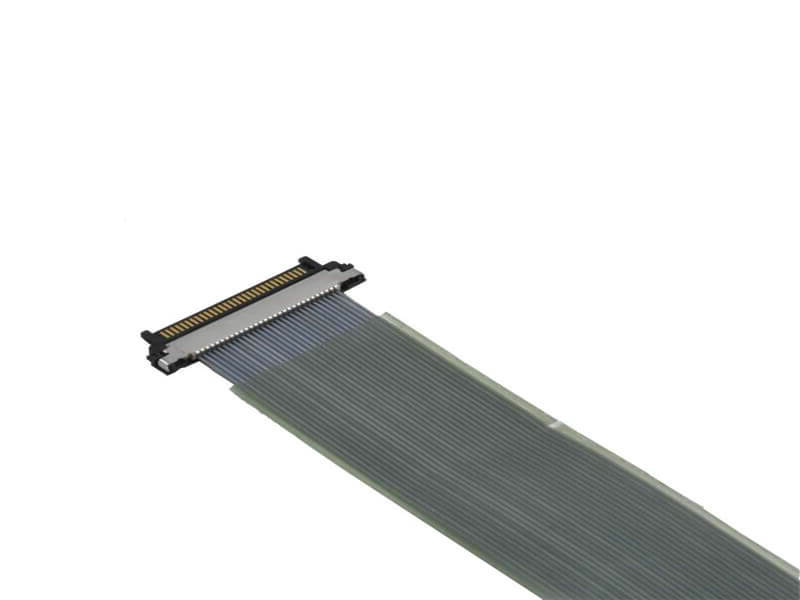
KEL’s Micro Coaxial Cable solutions are at the forefront of modern electronic connectivity, offering exceptional performance in high-speed data transmission, miniaturization, and reliability. These connectors are integral to various.
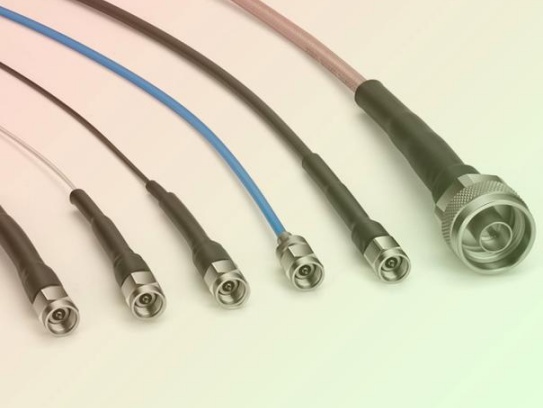
H1: Precision Instrument Micro-Coax – Engineered for Critical Signal Integrity Meta Description: Discover Precision Instrument Micro-Coax: Miniature coaxial cable solution optimized for high-frequency signal transmissio.
Feel free to reach out to us for any inquiries or orders